 ProMapRanker
10 best supplemental insurance companies in 2026

Key takeaways
- Aflac and Colonial Life lead on workplace supplemental cover, with payroll deduction and a broad range of accident, cancer and hospital plans.
- MetLife, Unum and Cigna suit employers that want supplemental cover alongside group life, disability or medical benefits.
- Mutual of Omaha, Globe Life and Allstate Benefits are useful options for individual buyers and families buying outside a workplace plan.
- Quotes vary by state, age, health history and benefit amount, so compare the outline of coverage, not only the brand name.
Quick comparison
| Pick | Great for | Pricing starts at | Free tier | |
|---|---|---|---|---|
 Aflac | Workplace supplemental cover | See website | No | Visit |
 Colonial Life | Voluntary workplace benefits | See website | No | Visit |
 MetLife | Group supplemental and dental bundles | See website | No | Visit |
 Unum | Group disability plus supplemental | See website | No | Visit |
 Mutual of Omaha | Individual buyers and older adults | See website | No | Visit |
 Cigna | Bundling with health cover | See website | No | Visit |
 Globe Life | Straightforward family cover | See website | No | Visit |
 Transamerica | Flexible workplace plan design | See website | No | Visit |
 Allstate Benefits | Accident and critical illness at work | See website | No | Visit |
 Guardian Life | Group dental, disability and critical illness | See website | No | Visit |
The best supplemental insurance companies
We compared carriers on the range of supplemental products offered, workplace and individual buying routes, portability, and the clarity of plan information. The best supplemental insurance companies below cover accident, critical illness, hospital indemnity and cancer plans, and most are bought through an employer, an agent or a broker rather than a simple online checkout.
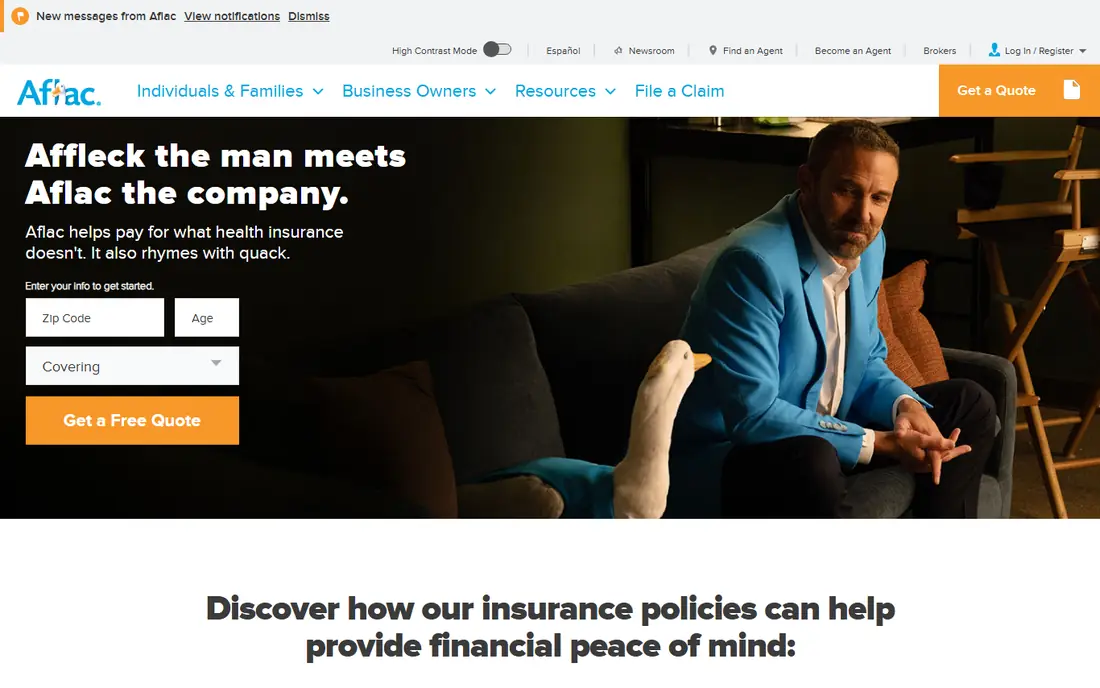
Aflac is the best-known name in US supplemental insurance, and its strength is breadth. It sells accident, cancer, critical illness and hospital indemnity policies through employers and, in many states, to individuals, with cash benefits paid directly to the policyholder rather than to a provider. That cash can help with a deductible, rent, travel to treatment or other costs that health insurance does not cover. The main limit is price transparency. Aflac does not publish a single national price, because premiums depend on age, state, benefit amount and whether cover is bought at work or individually. Ask for the outline of coverage, check waiting periods and exclusions, and confirm whether the policy stays in force if you leave your job.
- Broad accident, cancer, critical illness and hospital indemnity range
- Cash benefits paid to the policyholder
- Strong workplace presence
- Pricing is quoted, not listed online
- Plan terms vary by state and employer
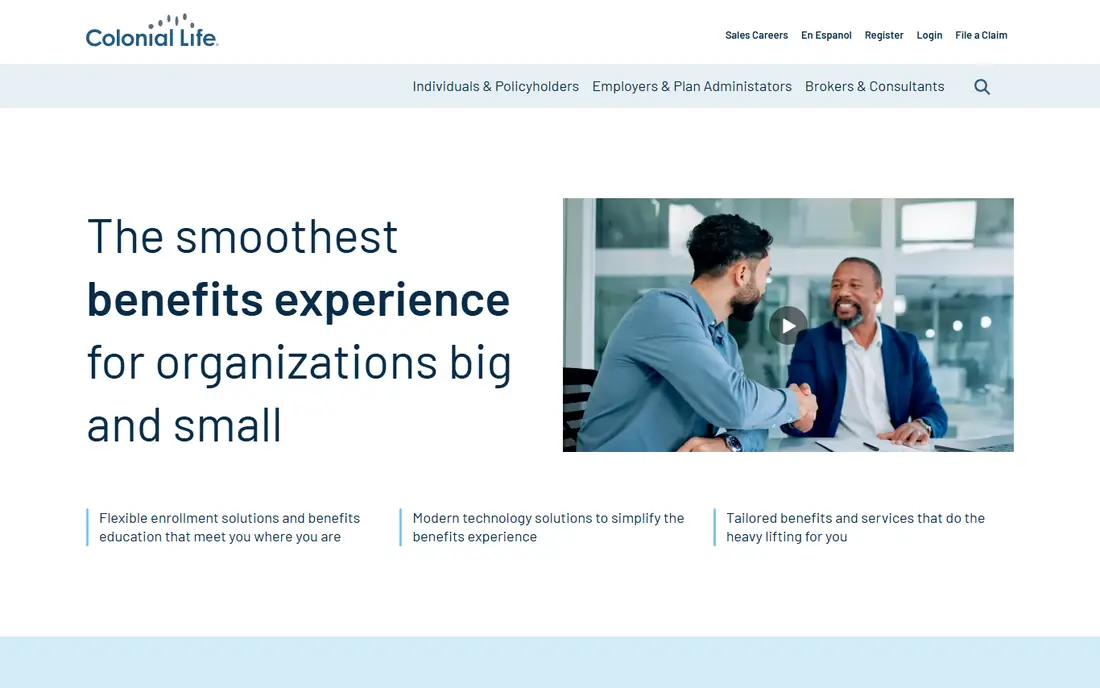
Colonial Life, part of Unum Group, focuses on voluntary benefits offered at work. Employees can often enrol during a benefits window, pay by payroll deduction, and get help from enrolment staff who explain each plan in plain terms. The range covers accident, hospital indemnity, critical illness, cancer and short-term disability, so a worker can build a small safety net alongside a main health plan. Because distribution is workplace-led, access depends on whether your employer offers Colonial Life. If it does, the enrolment support and payroll deduction are real benefits. If it does not, you will need an individual carrier instead. Check portability, since some group policies end or change when employment ends.
- Strong workplace enrolment support
- Accident, cancer, critical illness and disability range
- Payroll deduction
- Mainly bought through employers
- Individual options are more limited
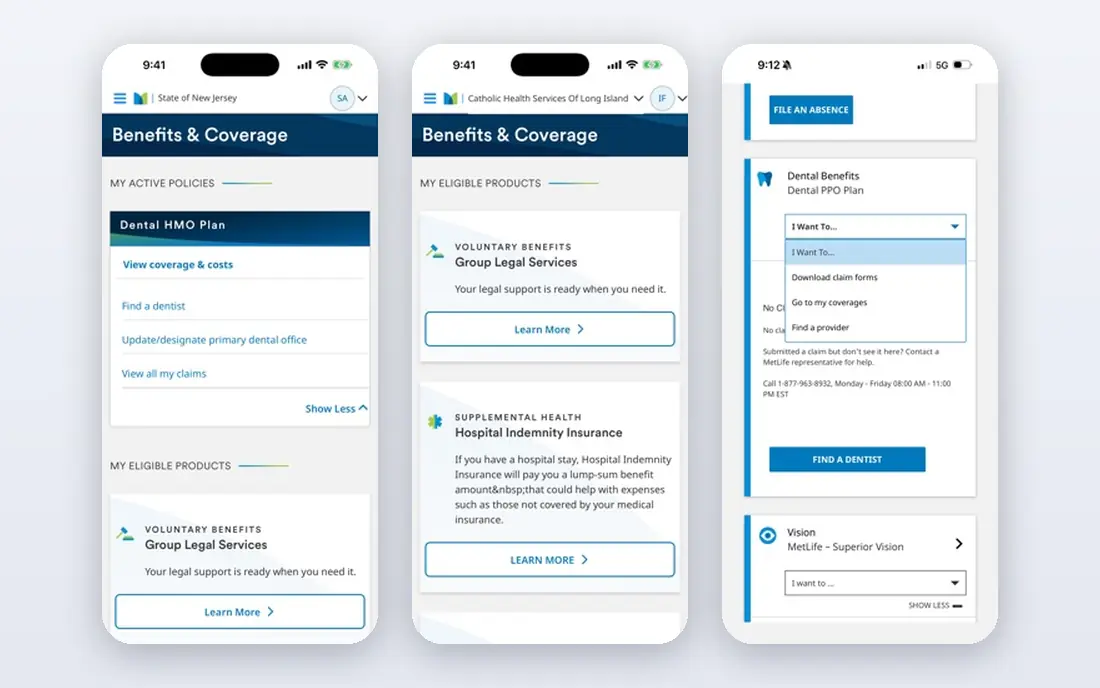
MetLife suits employers that want supplemental cover from the same carrier that provides group life, dental or disability benefits. Group hospital indemnity and critical illness plans are common, and bundling can simplify administration for HR teams and for employees who prefer one carrier contact. Some workplace examples show monthly employee costs in a modest range, but your own quote will depend on group size and plan design. Individual buyers should check availability carefully, since MetLife supplemental products are mainly sold through employers. If your employer offers MetLife, compare the hospital and critical illness benefit amounts against your health plan deductible, since that gap is what supplemental cover is meant to fill.
- Group hospital indemnity and critical illness cover
- Dental and vision alongside supplemental
- Large employer network
- Mostly employer-based
- Individual buying routes vary by product and state
Unum is best known for group disability, and that heritage helps employers that want disability, life and supplemental cover coordinated in one benefits package. Supplemental options sit alongside the core group products, which can make claims and administration simpler for a benefits team. Employees benefit when the carrier already understands their group structure. As with other group carriers, the plan you can buy depends on what your employer has chosen. Unum is not a first stop for a solo buyer shopping online for a single cancer policy. It is a strong option to compare when your employer already offers Unum disability or life cover and adds supplemental choices at enrolment.
- Strong group disability heritage
- Supplemental products alongside life and disability
- Employer service network
- Mainly employer-based
- Product mix varies by group and state
Mutual of Omaha is a useful pick for people buying on their own rather than through work. It offers supplemental products for individuals, including cancer and accident cover, and it has a long presence in products for people nearing or in retirement. That makes it a natural comparison point for someone with a high-deductible plan who wants a cash benefit if a serious illness occurs. Individual pricing will still be quoted based on age, health history and benefit amount, so do not rely on a general monthly range. Read the outline of coverage for benefit triggers, waiting periods and recurrence terms, especially for cancer and critical illness plans, where definitions matter more than the headline benefit amount.
- Individual cancer, accident and critical illness options
- Products suited to older adults
- Direct and agent channels
- Pricing is quoted
- Availability and terms vary by state
Cigna, part of The Cigna Group, offers critical illness and accident coverage through employers and some individual channels. For people already enrolled in a Cigna health plan, or whose employer offers Cigna supplemental products, bundling can simplify paperwork and give one point of contact for benefits questions. That convenience matters when a claim coincides with treatment and time off work. The limit is access. Not every Cigna medical customer can add the same supplemental product, and benefit amounts are set by the employer plan or the individual policy offered in your state. Compare the critical illness benefit against your out-of-pocket maximum, and check whether the policy pays on first diagnosis, on treatment, or both.
- Critical illness and accident cover through employers
- Possible to bundle with medical cover
- National network
- Supplemental availability depends on employer or channel
- Terms vary by state
Globe Life, which includes related brands such as American Income Life, focuses on straightforward cover for middle-income families. Cancer insurance and life insurance are core products, often sold through direct channels and agents with a simplified application process on many plans. That approach suits families that want a clear benefit amount without a complex workplace enrolment process. Globe Life is less of a one-stop workplace benefits carrier than Aflac or MetLife, so employers building a full voluntary benefits package may need another carrier as well. For a family buying a single cancer or accident policy, the simpler structure can be a plus. Check the outline of coverage for what counts as a covered diagnosis and how benefits are paid over time.
- Cancer and life products aimed at families
- Direct and agent channels
- Simplified application on many products
- Product range is narrower than large workplace carriers
- Terms vary by state and brand
Transamerica is often compared with Aflac for workplace supplemental cover, and its strength is flexible plan design. Employers can choose coverage levels, riders and wellness features to fit different workforces, and Transamerica works closely with brokers and enrolment firms. The product range covers accident, critical illness, hospital indemnity, cancer, disability and life, with payroll deduction where available. That flexibility means two Transamerica plans can look quite different, so compare the actual outline, not the carrier name alone. Ask about portability, benefit portability after a job change, and how claims are filed. Employers that value custom plan design and enrolment support will get more from Transamerica than buyers who want a single standard policy online.
- Accident, critical illness, hospital indemnity and cancer range
- Flexible plan designs
- Worksite enrolment experience
- Mainly employer and broker channels
- Pricing is quoted and varies by group
Allstate Benefits provides supplemental cover through employers, with accident, critical illness and hospital indemnity among its core products. Employees can often enrol at work and pay by payroll deduction, which keeps the cost visible in each pay period rather than as a separate bill. The brand is familiar to many households through Allstate home and auto cover, which can make enrolment feel less uncertain. Individual access is more limited, and plan terms depend on the employer group and state. If Allstate Benefits is offered at your workplace, compare its accident and critical illness benefit amounts with your health plan deductible and with any other supplemental cover you already hold, to avoid paying twice for the same gap.
- Accident, critical illness and hospital indemnity through employers
- Payroll deduction
- Recognisable brand
- Mainly workplace-based
- Individual options vary by state
Guardian Life is known for group dental and disability, and it also offers critical illness and other supplemental products through employers. That mix suits employers that want dental, disability and supplemental cover coordinated, with one carrier relationship for several benefit lines. Employees may find it easier to understand a package when dental, disability and critical illness come from the same enrolment process. Guardian is not the simplest choice for a solo buyer seeking one standalone policy online. Its supplemental strength shows most in a group setting, where the employer has chosen Guardian for several lines. Check whether critical illness cover is offered as a standalone policy or as a rider, since a rider payout can reduce another benefit.
- Group dental and vision strength
- Disability and critical illness alongside
- Employer service network
- Supplemental cover is mainly group-based
- Individual routes vary by product
How we picked these
We compared official carrier pages, state and employer plan listings, and public reviews to check which supplemental products each carrier actually sells, whether cover is bought at work or individually, and how clearly terms are presented. We favoured carriers with a broad supplemental range, a current US presence, and a distinct buying route, from workplace enrolment to individual agent sales. We did not claim hands-on testing, and we did not publish quoted premiums as if they were national prices, since supplemental premiums vary by state, age, health history and benefit amount.
How to compare supplemental quotes without overpaying
Start with the gap you want to fill. Look at your health plan deductible, out-of-pocket maximum and any waiting period for disability pay, then choose a benefit amount that covers that gap rather than the largest amount on offer. A hospital indemnity benefit that pays per day in hospital answers a different need from a lump-sum critical illness benefit paid on diagnosis, so match the product type to the risk you fear most. Next, read the outline of coverage before you compare prices. Check the covered conditions, waiting periods, exclusions, recurrence rules and whether benefits are paid to you or to a provider. Ask whether the policy is portable if you leave your job, and whether premiums can change. This guide is general information, not insurance advice, and quotes vary, so speak with a licensed agent or your benefits team for a quote tied to your state and situation. The best medigap insurance company is a separate question from supplemental health cover, since Medigap fills gaps in Medicare, while the plans here fill gaps in employer or individual health cover.
Frequently asked questions
What is supplemental insurance?
Supplemental insurance pays a cash benefit when a covered event happens, such as an accident, a hospital stay, a cancer diagnosis or a critical illness, in addition to your main health insurance. The benefit is often paid directly to you, and you can use it for medical bills, a deductible, or everyday costs such as rent and travel. It does not replace health insurance, and it does not pay provider bills in the same way a health plan does.
What are the best supplemental insurance companies for employees?
Aflac, Colonial Life, MetLife, Unum, Transamerica and Allstate Benefits are among the best supplemental insurance companies for employees, because they focus on workplace enrolment and payroll deduction. The best choice for you depends on what your employer offers, since you can usually only buy the carriers and plans in your benefits package. Compare benefit amounts and portability within that package before you enrol.
How much does supplemental insurance cost?
Costs vary widely by product, benefit amount, age, state and whether cover is bought at work or individually. General 2026 ranges in public guides put accident cover near $10 to $30 per month for an individual, critical illness near $20 to $75, hospital indemnity near $15 to $50, and cancer cover near $15 to $60, but your quote may fall outside those ranges. Group rates through payroll deduction are often lower than individual rates for similar cover.
Is supplemental insurance worth it with a high-deductible health plan?
Supplemental insurance can be worth it if your deductible and out-of-pocket maximum would be hard to pay from savings after an accident or serious illness. A hospital indemnity or critical illness benefit can cover that gap and help you avoid debt during treatment. It is less useful if you already have a large emergency fund and a low deductible, since you would be paying premiums for a gap you can already cover.
Can I keep supplemental insurance if I leave my job?
Some workplace supplemental policies are portable, which means you can keep them after leaving by paying premiums directly, while others end with employment. Portability depends on the carrier, the plan and state rules, so ask your benefits team or the carrier before you rely on cover continuing. If portability matters to you, favour a portable plan or an individual policy you own outright.
What is the difference between supplemental insurance and Medigap?
Medigap, also called Medicare Supplement Insurance, fills gaps in Original Medicare for people aged 65 and older or otherwise eligible for Medicare, such as coinsurance and deductibles. Supplemental health insurance in this guide fills gaps in employer or individual health cover, such as a hospital stay or a critical illness diagnosis, and is not limited to Medicare. The best medigap insurance company for a Medicare beneficiary is therefore a different comparison from the workplace carriers listed here.
Sources
See where you really rank - block by block
ProMapRanker scans Google Maps across a grid of your service area. Simple monthly plans from $19, white-label on every plan.
Start freeKeep reading
 youtube alternatives
Best YouTube Alternatives in 2026
Looking for youtube alternatives in 2026? We compare Vimeo, Dailymotion, Twitch, Rumble, and more on price, audience, monetization, control and privacy.
Read → what's the best ai tool for photo editing
What Is the Best AI Tool for Photo Editing in 2026
What is the best AI tool for photo editing? We compare ten tools for 2026, from Photoshop and Lightroom to Luminar, Topaz, Canva and mobile editors today.
Read → twitter alternatives
Best Twitter Alternatives in 2026
Compare the best twitter alternatives for 2026, from Bluesky, Threads, and Mastodon to Reddit, Tumblr, and Micro.blog, with free plans and audience notes.
Read →