 ProMapRanker
Best State for Autism Services in 2026

Key takeaways
- Massachusetts, California and New Jersey come up most often in state comparisons because they combine insurance rules, early help and school support.
- A strong state ranking does not guarantee a short wait in your town, so check local providers, school districts and waiver lists before moving.
- Early intervention, Medicaid waivers and school services matter more together than any single programme on its own.
- Families should confirm current eligibility, coverage and waitlists with the state agency, because rules and lists change and vary by county.
Quick comparison
| Pick | Great for | Pricing starts at | Free tier | |
|---|---|---|---|---|
 Massachusetts | Overall breadth of support | See website | See website | Visit |
 California | Regional centre system | See website | See website | Visit |
 New Jersey | Insurance and early help | See website | See website | Visit |
 Colorado | Community and school options | See website | See website | Visit |
 Connecticut | Special education support | See website | See website | Visit |
 Pennsylvania | Medicaid waiver range | See website | See website | Visit |
 Maryland | Education and Medicaid cover | See website | See website | Visit |
 New York | Large provider network | See website | See website | Visit |
 Minnesota | Waiver and community support | See website | See website | Visit |
The best states for autism services
We compared states with the best autism services by looking at insurance mandates, early intervention, Medicaid waivers, school support and provider access, and the nine below stand out in public comparisons. This article is general information, not medical or legal advice, and families should confirm current rules with the state agency before making a move. Our overall pick is Massachusetts for breadth, with California a strong choice for families who need a large regional system.
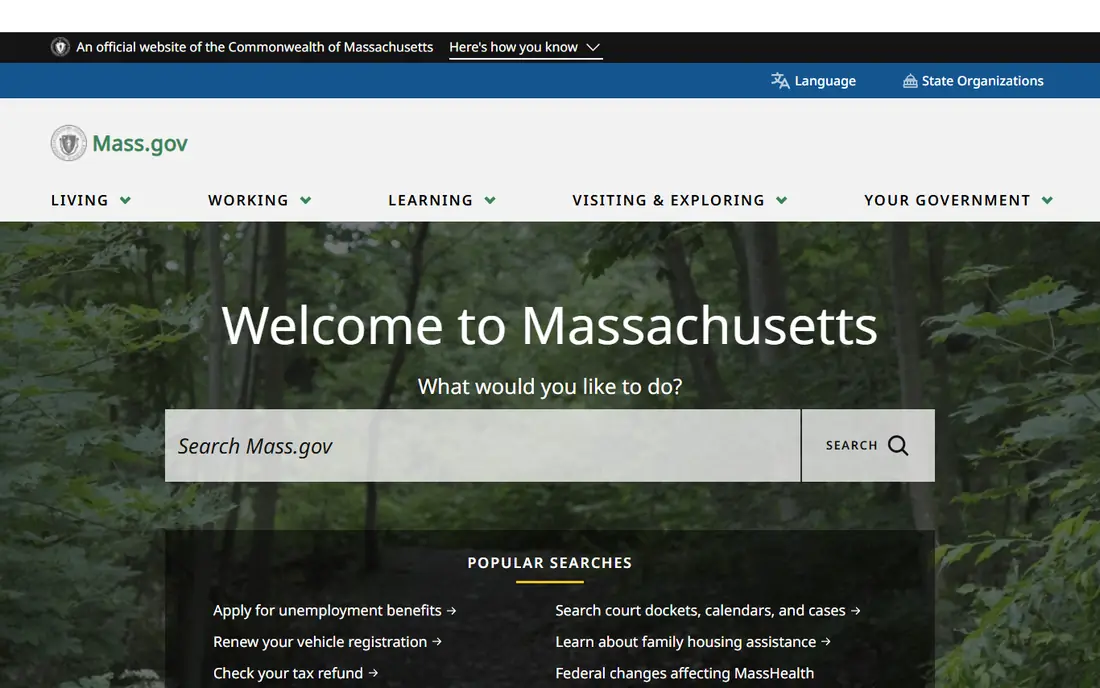
Massachusetts is often ranked near the top for autism services because several parts of the system work together. The state has an insurance mandate covering autism treatments, an early intervention system for young children, and school services backed by high per pupil spending. Families also benefit from a dense network of hospitals, clinics and specialist schools in and around Boston.
The main catch is cost and access in practice. Housing in the Boston area is expensive, and a strong state system does not remove local waitlists. Families should check which providers accept their insurance, how long diagnosis and therapy waits are in the specific town they are considering, and what the local school district offers. On policy breadth alone, Massachusetts is hard to beat.
- Strong insurance rules
- Early intervention system
- High school spending and specialist services
- Housing and living costs are high
- Provider waits vary by area
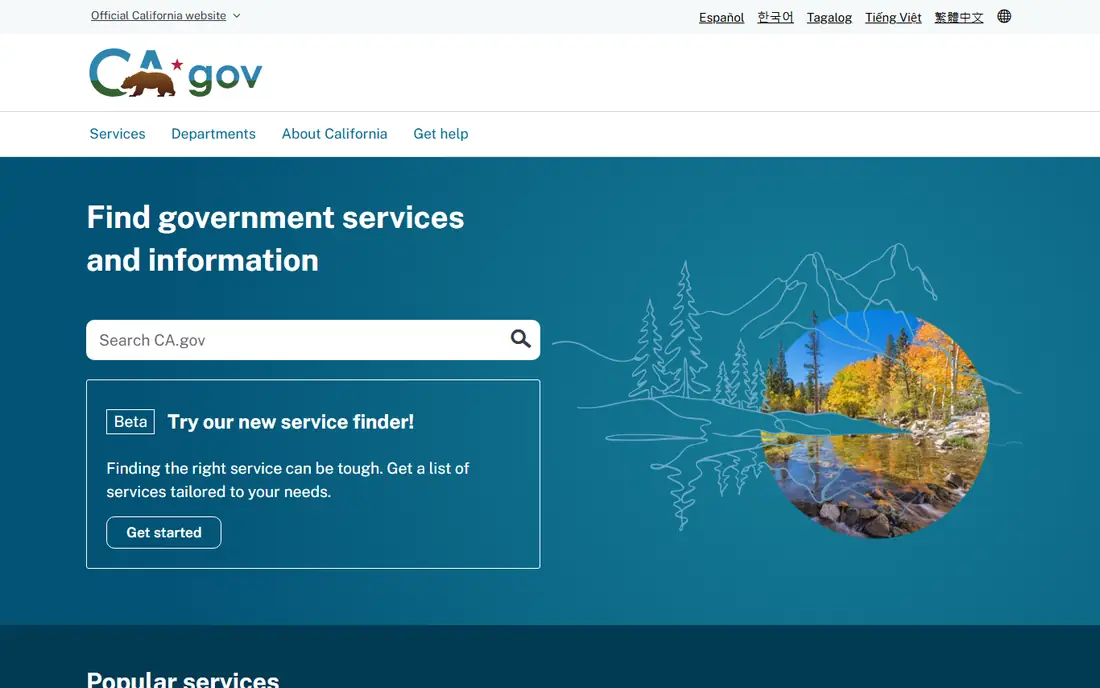
California stands out for scale. Its regional centre system connects families to assessments, therapies and support services, and its Early Start programme supports young children. The insurance mandate is also strong, with no dollar cap noted in state comparisons, which matters for families needing ongoing applied behaviour analysis and related therapies.
Scale is also the weakness. California is huge, and services in one county can look very different from services in another. Families should contact the regional centre for the exact area they plan to live in, confirm provider availability, and check school district practice. For families who can live near a well served regional centre, California offers one of the deepest systems in the country.
- Large regional centre network
- Early start programme
- No dollar cap in the insurance mandate
- Very large state, so access varies widely
- Housing costs are high in many areas
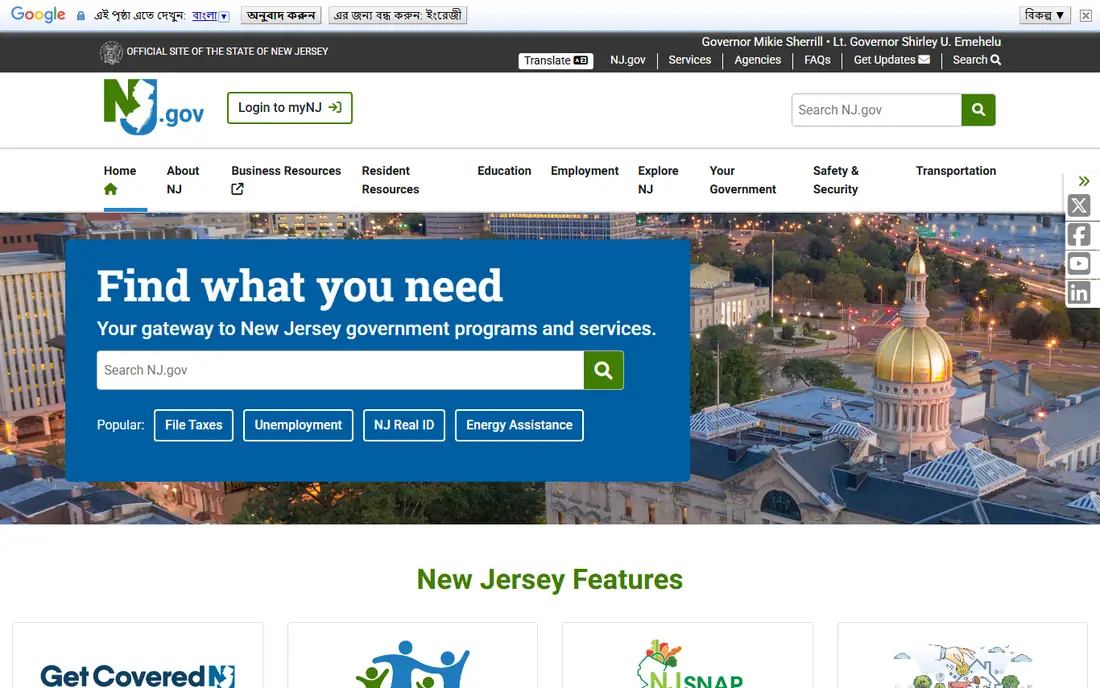
New Jersey is a frequent top pick because its insurance mandate requires coverage for autism treatments, and its early intervention system supports young children and their families. The state also has active advocacy groups and community organisations that help families find providers, understand rights and plan school support. That community layer matters when a family is new to the system.
As with other high ranking states, costs are a real factor, and the exact coverage depends on the insurance plan and the child's needs. Families should read the mandate as it applies to their plan, ask providers about acceptance and wait times, and talk to the local school district early. New Jersey is strongest for families who value a clear mandate plus early help.
- Strong insurance mandate
- Early intervention system
- Advocacy and community groups
- High living costs
- Coverage details depend on the plan
Colorado appears in many best state lists for its mix of specialist schools, therapy providers and community programmes. Families often point to strong school options and a good range of applied behaviour analysis providers in the Denver area and other cities. The state also offers Medicaid waiver routes that can help families access services beyond standard insurance.
Waitlists are the honest catch. Waiver access can involve waiting, and provider choice narrows outside larger cities. Families considering Colorado should check waiver status, provider lists for their town, and school services in the district they would join. For families who find a well served area, Colorado pairs services with a strong community feel.
- Specialist schools and therapy providers
- Community programmes
- Outdoor and community life
- Medicaid waiver waitlists can apply
- Access varies outside major cities
Connecticut earns its place through a well developed special education system and strong early intervention and community support. Families often find clear school processes and a good range of local services, especially in better served towns. Advocacy groups in the state also help families understand school rights and service options.
The limits are size and cost. Connecticut is a smaller state, so the total number of specialist providers is lower than in California or New York, and housing costs are high in many areas. Families should focus on the specific town and school district, not the state average, and confirm therapy availability before deciding. For school centred support, Connecticut remains a strong choice.
- Well developed special education system
- Early intervention
- Community resources
- High living costs
- Smaller provider pool than larger states
Pennsylvania is noted for the range of its Medicaid waivers and its depth of medical infrastructure, including research institutions and autism specialty centres. That matters for children with complex medical needs, or for families who want access to clinical programmes alongside school and therapy services. The state also has a large provider base spread across its cities.
County variation is the main warning. A family in one county may find a very different service picture from a family in another, and waiver rules can be hard to navigate without help. Families should contact the county and state agencies for their area, ask about waiver tiers and wait times, and check school provision locally. Pennsylvania rewards careful local research.
- Multiple Medicaid waiver tiers
- Research and specialty centres
- Large provider base
- Services vary by county
- Waiver navigation can be complex
Maryland combines strong educational programmes with Medicaid coverage for autism services and active public awareness work. Families benefit from school support, community programmes and advocacy groups that help with planning and rights. The state's position near major medical centres also helps families seeking specialist input.
Living costs near Washington DC are high, and service access still varies by county, so the state picture should not be taken as a local promise. Families should check the school district, the Medicaid route that applies to them, and provider wait times in the area they plan to live. Maryland is a solid all round choice when local access checks out.
- Strong educational programmes
- Medicaid coverage for autism services
- Awareness and advocacy
- Access varies by county
- Costs are high near Washington DC
New York offers one of the largest provider networks in the country, with state funded programmes, specialist centres and school services across a huge population. Families in well served areas can find a wide choice of therapies, schools and community programmes. That scale is a real advantage when a child needs several types of support at once.
The catch is variation. New York State is not one service market, and access, waits and school practice differ sharply by county and district. Families should research the exact county, contact local agencies, and confirm insurance acceptance and wait times. New York suits families who can live in a well served area and want the widest provider choice.
- Extensive provider and programme network
- State funded programmes
- Large specialist base
- Access varies sharply by county
- Costs and waits vary in New York City and elsewhere
Minnesota is included for its strong waiver programme and community support, which help families access therapies and services that insurance alone may not cover. Early intervention and school services form part of a system that many state comparisons rate above average. Community organisations also play a visible role in family support.
Waits and geography are the limits. Provider waits can run several months, and access outside the Twin Cities area is thinner. Families should check waiver eligibility and current wait times, and look at provider lists for their exact area. Minnesota is a good option for families who value waiver support and community services and can plan around waits.
- Strong waiver programme
- Community services
- Early intervention focus
- Provider waits can be long
- Rural access is thinner than in the Twin Cities
How we picked these
We compared public state comparisons, state agency pages and advocacy summaries that rank states on insurance mandates, early intervention, Medicaid waivers, school support and provider access. We kept states that appear strongly across more than one of those measures, rather than states that score well on a single measure alone. We did not treat any single ranking as final, because rankings use different measures and local access can differ from state averages.
We also left out precise wait time and provider count claims where sources disagreed, because those figures change and vary by county. Where a figure matters, families should confirm it with the state agency or a local provider. The goal of this guide is to narrow the shortlist, not to replace local checks.
How to compare states before you move
Start with your child's current needs, not a ranking table. List the therapies, school supports and medical services your child uses now, then check each one in the new area. A state can rank highly overall and still lack a specific provider near your home, so local availability beats a state average every time.
Next, check four systems in order: insurance, early intervention or school services, Medicaid waivers, and provider waits. Ask the state agency and the school district what applies to your plan and your child's age. Ask providers directly about acceptance, wait times and travel distance. Finally, weigh living costs, work and family support, because a service plan that cannot be sustained week after week will not help, even if it looks strong on paper.
Frequently asked questions
Which states have the best autism services?
States that come up most often are Massachusetts, California, New Jersey, Colorado and Connecticut, because they tend to score well on insurance rules, early intervention, waivers and school services at the same time. No single state is best for every family, because local provider access and school practice matter as much as state policy.
What are the best states with autism services for children?
For children, look for strong early intervention, school support and insurance coverage together. Massachusetts, California and New Jersey are strong on that combination, while Colorado, Connecticut and Pennsylvania offer good school and community options. Check the local school district and early intervention programme for your child's age group.
Do all states cover autism therapy through insurance?
Most states have some form of autism insurance mandate, but the details differ by state and plan, including age limits, covered therapies and dollar caps. Some states have no cap, while others set limits or apply rules only to certain plans. Always check how the mandate applies to your own plan before relying on it.
What is a Medicaid waiver for autism services?
A Medicaid waiver lets a state offer services beyond standard Medicaid, such as behavioural therapies, respite and community support, to people who meet its rules. Eligibility, covered services and waitlists vary by state and waiver type. Contact the state Medicaid agency to find the waiver that fits your child's situation.
Should I move to another state for autism services?
Moving can help when local services are thin, but it is a big decision with costs, work and family effects. Before moving, confirm provider access, school services, insurance coverage and waiver status in the exact town you would live in. Visit, talk to local families and providers, and compare total living costs, not just the state ranking.
How long are waits for autism diagnosis and therapy?
Waits vary widely by state, county and provider, and published averages often hide local differences. Some areas report waits of a few months, while others report longer waits for diagnosis or specific therapies. Ask providers directly for current waits in your area, and ask about interim support while you wait.
Sources
- https://www.mass.gov
- https://www.ca.gov
- https://www.nj.gov
- https://www.colorado.gov
- https://www.ct.gov
- https://www.pa.gov
- https://www.maryland.gov
- https://www.ny.gov
- https://www.mn.gov
- https://neurolaunch.com/what-is-the-best-state-to-live-in-with-a-child-with-autism/
- https://blossomabatherapy.com/blog/best-states-for-autism-services
See where you really rank - block by block
ProMapRanker scans Google Maps across a grid of your service area. Simple monthly plans from $19, white-label on every plan.
Start freeKeep reading
 zscaler alternatives
Best Zscaler Alternatives in 2026
Looking for zscaler alternatives? We compare 9 SASE and zero trust platforms on architecture, data protection, pricing, and fit for your network and team.
Read → zapier alternatives free
Best Zapier Alternatives Free in 2026
Nine automation tools for zapier alternatives free in 2026, all with genuinely free tiers, plus free plan limits, starting prices and upgrade paths explained.
Read → which platform is best for online reputation
Which Platform Is Best for Online Reputation in 2026
Wondering which platform is best for online reputation? We compare 8 review, listing, and response tools for small and multi-location businesses and agencies.
Read →