 ProMapRanker
Best Solar Companies to Work For in 2026

Key takeaways
- This is a guide based on publicly reported factors, not a verified ranking, and the best employer depends on your trade, location and role.
- Installer, sales, engineering and manufacturing roles differ sharply in schedule, travel and training, even at the same company.
- We excluded companies with recent bankruptcy filings reported in 2025 and 2026, since job stability matters for a career choice.
- Confirm the role, location, safety training and schedule in the actual posting before you apply.
Quick comparison
| Pick | Great for | Pricing starts at | Free tier | |
|---|---|---|---|---|
 Sunrun | Residential installer careers | See website | No | Visit |
 Tesla Energy | Solar plus storage careers | See website | No | Visit |
 Enphase Energy | Inverter and technology roles | See website | No | Visit |
 First Solar | Manufacturing careers | See website | No | Visit |
 NextEra Energy | Utility scale renewables | See website | No | Visit |
 SolarEdge | Inverter and home energy roles | See website | No | Visit |
 Palmetto | Residential solar careers | See website | No | Visit |
 Blue Raven Solar | Residential sales and install | See website | No | Visit |
 Momentum Solar | Residential installer growth | See website | No | Visit |
The best solar companies to work for
We looked at public career pages and company descriptions to build a practical shortlist for people seeking solar work in installation, sales, engineering and manufacturing.
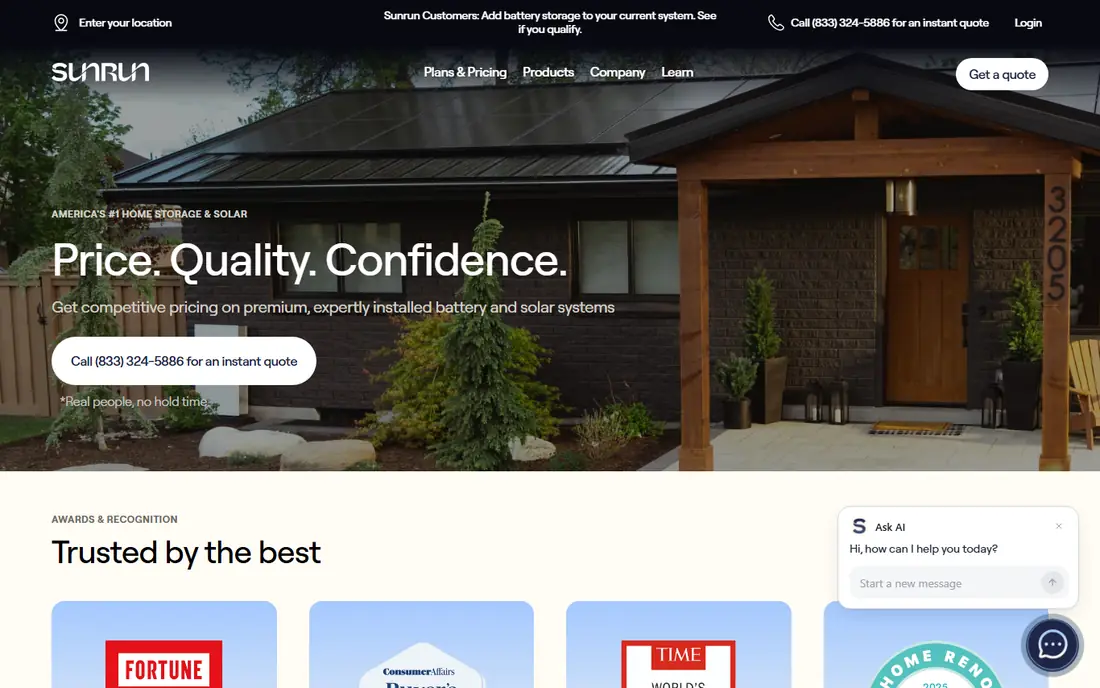
Sunrun is a natural first look for residential solar careers, with installer, sales, design and service roles across many US markets. Installers work on rooftops and with electrical systems, while sales and service teams support the customer journey from quote to system monitoring. Storage work, including batteries and virtual power plant programmes, adds a growing area of work beyond panels alone.
Branch experience varies, and sales roles in retail or field settings can involve evenings and weekends. Installer work is physical and outdoors, with safety training and weather exposure as part of the job. If you want a large national residential employer with many local branches, Sunrun offers the widest residential footprint in this guide.
- Largest US residential solar installer by scale
- Installer, sales and service roles
- Storage and virtual power plant work
- Sales roles can involve retail and field schedules
- Experience varies by branch and market
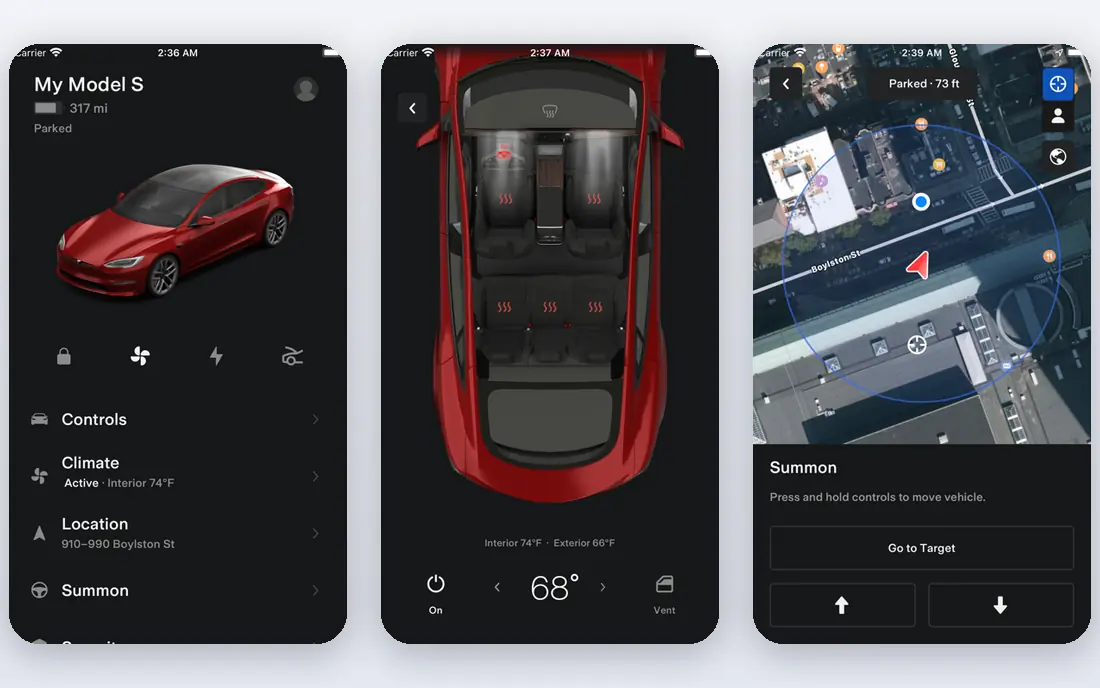
Tesla Energy suits people who want to work on solar panels, Solar Roof and Powerwall storage as one integrated system. Roles cover installation, manufacturing, engineering, sales and service, with a technology led product range that differs from a pure installer. For an installer or engineer who likes product integration, Tesla offers a distinct path.
Public reviews often describe a fast paced culture with high expectations, so fit matters. Field roles are physical and outdoors, while manufacturing roles follow factory schedules. Check the posting for location, shift pattern and travel, since Tesla Energy roles vary widely by site and team.
- Integrated solar roof, panels and Powerwall work
- Large manufacturing and field teams
- Technology led products
- Fast paced work culture reported in public reviews
- Role availability varies by region
Enphase Energy makes microinverters, batteries and home energy software, which suits engineers, software developers and operations staff more than field installers. The company has grown US manufacturing, adding operations and supply chain roles alongside engineering. For a technical professional who wants to work in solar without daily rooftop work, Enphase is a strong fit.
Field installer jobs are not the core of Enphase hiring, since installers who fit Enphase products usually work for separate installation companies. If you want rooftop work, pair an Enphase focused installer employer with this guide, or look at Sunrun, Palmetto or Momentum for direct installer roles.
- Microinverter and home energy technology focus
- Engineering, software and operations roles
- US manufacturing growth
- Fewer field installer roles than a residential installer
- Technology roles often require specific engineering skills
First Solar suits people who want manufacturing or utility scale solar work rather than residential rooftops. The company makes thin film panels in large US plants and supplies utility scale projects, with roles in plant operations, engineering, quality and project delivery. That scale offers a different career path from a local installer, with factory schedules and long project timelines.
Plant locations are concentrated, so relocation may be needed for manufacturing roles. Utility project work can involve travel to sites and outdoor conditions. If you live near a First Solar plant or you are open to utility scale work, First Solar is a major employer to consider.
- Large US thin film panel manufacturing
- Utility scale project work
- Engineering and plant operations roles
- Plant locations are concentrated
- Utility project roles can involve travel and site work
NextEra Energy, through its utility and energy resources businesses, is one of the largest US developers of wind, solar and storage projects. Roles cover project development, engineering, construction, operations and corporate functions. For a job seeker who wants large scale energy work with a utility grade employer, NextEra offers depth that a residential installer cannot match.
Solar specific hiring varies by project and year, since NextEra also develops wind, storage and other energy assets. Check whether a posting is for a solar project, a wind project or a shared corporate team. Project roles can involve travel to sites, while corporate roles follow office or hybrid patterns.
- Very large utility and renewables developer
- Wind, solar and storage projects
- Engineering and operations careers
- Utility hiring is broad, so solar specific roles vary
- Project locations can require travel
SolarEdge makes inverters, optimisers and home energy systems, with roles in engineering, product support, sales and installer training. The company works closely with installers, so support and training roles suit people who know residential solar and want to help other installers succeed. A global footprint also creates roles outside the US in some teams.
Residential solar demand has been soft in recent years, and that has affected the wider sector, so check current hiring in your region rather than assuming steady growth. Direct rooftop installer roles are mainly through partner installers, not SolarEdge itself, so read the posting to confirm the employer and the work location.
- Inverter and home energy systems focus
- Engineering, support and installer training work
- Global footprint
- Residential demand softness has affected the sector
- Installer roles are mainly through partners
Palmetto suits people who want residential solar work with a focus on customer experience and system monitoring. Roles cover sales, design, service and operations, with a platform that tracks system performance after install. For a job seeker who values customer service and clear system data, Palmetto offers a distinct residential path.
Installer hiring varies by market and partner model, so confirm whether the role is direct with Palmetto or with a partner installer. Sales roles can involve evening appointments to fit homeowner schedules. If you want direct installer work, ask Palmetto about the employment model for your market before you apply.
- Residential solar sales, design and service roles
- Monitoring and customer service focus
- Growing installer network
- Installer work varies by partner and market
- Sales schedules can include evenings
Blue Raven Solar is a residential installer with sales, design and installation roles in many US markets. In house crews in several markets give installers a direct employer link, while sales roles focus on homeowner consultations. For a job seeker who wants a residential installer career without a national utility scale focus, Blue Raven is a practical option.
The model is sales led, so sales targets and homeowner appointment schedules shape the work for sales staff. Installer availability varies by state and market, so check whether Blue Raven operates crews in your area. If you prefer a purely technical path, compare an engineering or manufacturing employer in this guide as well.
- Residential solar installer with sales and install roles
- In house crews in many markets
- Growth in residential markets
- Sales heavy model may suit some job seekers less
- Market availability varies by state
Momentum Solar is a large residential installer with roles in sales, installation, design and service across many states. New installers can find training and a clear path from helper to lead installer, while sales staff work with homeowners on system design and financing options. For a job seeker starting in solar, that training path is a real advantage.
Schedules can be demanding, with rooftop work in heat and cold and sales appointments that fit homeowner availability. Branch experience varies, so ask about crew size, safety training, mentoring and promotion criteria at interview. A branch with strong mentoring will matter more for a new installer than the national brand name alone.
- Large residential installer with sales, install and service roles
- Training for new installers
- Presence in many states
- Sales and install schedules can be demanding
- Experience varies by branch
How we picked these
We used public career pages, company descriptions and sector reports on hiring, safety and stability. We did not use a single verified ranking, and we did not invent pay figures, since pay depends on role, location, experience and commission structure, and only an official posting can confirm it. We favoured active employers with live solar hiring in 2026 and a clear official career route.
We also excluded companies with recent bankruptcy filings reported in 2025 and 2026 from this career shortlist, since a career choice should weigh job stability alongside role fit. That exclusion is a judgement for job seekers, not a claim about every part of those businesses, and readers should check current status before applying anywhere.
How to compare solar employers in practice
Start with the trade and the schedule. An installer, a sales consultant, an engineer and a plant operator have different days, even at the same company. Ask about start times, travel, overtime, weekend work and seasonal variation, since solar work can vary with weather and demand.
Next, ask about safety and training. Rooftop work requires fall protection, electrical safety and heat procedures, while plant work requires factory safety training. Ask how training is delivered, how long it lasts, and how a new hire is supervised in the first months. A company that answers those questions clearly is a better bet for a long career.
Finally, check certification and promotion paths. NABCEP certification is a recognised credential for solar professionals, and many employers support it. Ask whether the employer pays for training or certification, how promotion from helper to lead works, and what the next role after your first role looks like.
Frequently asked questions
What is the best solar company to work for?
There is no single best employer, since the answer depends on whether you want installer, sales, engineering or manufacturing work. Use this guide to shortlist by trade, then compare live postings and branch details.
Do solar installer jobs require experience?
Many residential installers hire helpers and trainees and provide on the job training, while lead installer roles require experience and electrical knowledge. Check the posting for experience needs and ask about mentoring for new hires.
Is solar work safe?
Solar work involves rooftop, electrical and weather risks, so safety training, fall protection and supervision matter. Ask any employer about safety procedures, training length and incident reporting before you accept a role.
What certifications help in solar careers?
NABCEP certification is widely recognised for solar professionals, and electrical licences help for installer and electrician paths. Ask whether an employer supports certification costs and study time.
Are solar jobs stable in 2026?
Stability varies by company and market, and recent filings in the residential sector show why company health matters. Check current hiring, project backlog and company status for the employer you are considering, and favour employers with a clear, active hiring record.
Sources
See where you really rank - block by block
ProMapRanker scans Google Maps across a grid of your service area. Simple monthly plans from $19, white-label on every plan.
Start freeKeep reading
 zscaler alternatives
Best Zscaler Alternatives in 2026
Looking for zscaler alternatives? We compare 9 SASE and zero trust platforms on architecture, data protection, pricing, and fit for your network and team.
Read → zapier alternatives free
Best Zapier Alternatives Free in 2026
Nine automation tools for zapier alternatives free in 2026, all with genuinely free tiers, plus free plan limits, starting prices and upgrade paths explained.
Read → which platform is best for online reputation
Which Platform Is Best for Online Reputation in 2026
Wondering which platform is best for online reputation? We compare 8 review, listing, and response tools for small and multi-location businesses and agencies.
Read →