 ProMapRanker
8 Smart Contract Platforms, Compared by Cost and Features

Direct answer
If you need Ethereum-compatible scaling, Polygon is the first tool to look at here. Tron fits high-throughput content apps; Hyperledger Fabric fits Permissioned enterprise chains. The full list of 8 tools follows, with prices and free plan facts.
Key takeaways
- Polygon takes the first slot, best suited to Ethereum-compatible scaling.
- The main caution on Hyperledger Fabric: not a public network.
- Free plans are common here: 8 of 8 tools have one, including Polygon, Tron, Hyperledger Fabric and Ethereum.
- For exchange-ecosystem apps, BNB Chain is worth a look.
Quick comparison
| Pick | Great for | Pricing starts at | Free tier | |
|---|---|---|---|---|
 Polygon | Ethereum-compatible scaling | Free | Yes | Visit |
 Tron | High-throughput content apps | Free | Yes | Visit |
 Hyperledger Fabric | Permissioned enterprise chains | Free | Yes | Visit |
 Ethereum | Most battle-tested ecosystem | Free | Yes | Visit |
 Avalanche | Configurable subnets | Free | Yes | Visit |
 Solana | High-speed low-fee apps | Free | Yes | Visit |
 Cardano | Research-driven development | Free | Yes | Visit |
 BNB Chain | Exchange-ecosystem apps | Free | Yes | Visit |
Our 8 picks for smart contract platform
If you are comparing smart contract platform, this page covers 8 tools in one place: what each is best for, what it costs to start, whether it has a free plan, and the main limit to know about.
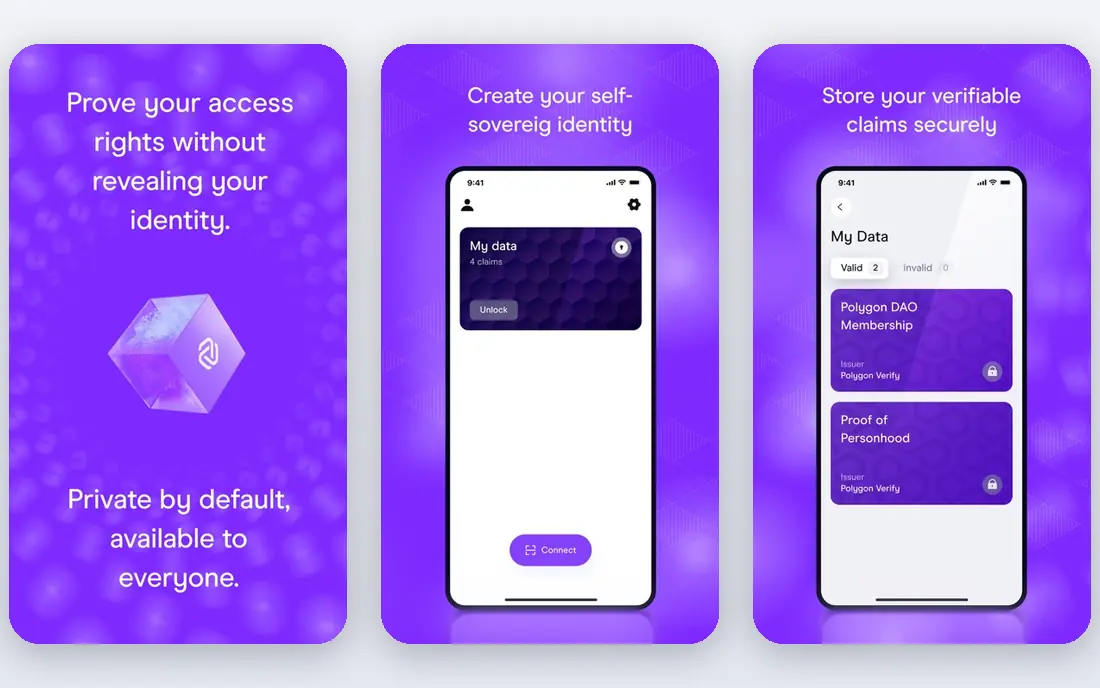
Pick Polygon if this describes you: Ethereum-compatible scaling. Polygon scales Ethereum with quick, cheap transactions whereas staying EVM-compatible, so Ethereum developers deploy without relearning. More specifically, Polygon developers should choose between the PoS chain and zkEVM based on their security needs; the choices confuse newcomers.
Where it is weaker: Evolving architecture.
In practice, the roadmap has shifted over time. For Ethereum-aligned scaling today, it is proven. The Ethereum compatibility eases migration. Price to start with Polygon: Free. Polygon has a free plan.
Upsides: Ethereum compatibility.
- Enterprise partnerships
- Low fees
- Competition from other L2s

Pick Tron if this describes you: high-throughput content apps. Tron processes huge transaction volumes cheaply, dominating stablecoin transfers and content applications in Asian markets. Tron developers should understand the network's specific characteristics honestly; the high throughput includes trade-offs.
The throughput is real. Critics cite centralization and the founder's controversies. For high-volume, low-value transactions, the economics work. Price to start with Tron: Free. Tron offers a free plan.
Watch-outs: Centralization criticism.
- Solid in Asia markets
- Very high throughput
- Reputation mixed

Hyperledger Fabric makes the most sense for Permissioned enterprise chains. Hyperledger Fabric, under the Hyperledger Foundation now renamed LF Decentralized Trust, builds permissioned blockchains for enterprises: supply chain, trade finance and identity without public-network exposure. Worth adding: the modular architecture fits regulated consortia.
Trade-offs to know: Not a public network.
Permissioned networks need participant agreements. On top of that, for enterprise consortia needing controlled smart contracts, it is the standard. Fabric enterprises should note the LF Decentralized Trust stewardship and plan the network governance before coding. What you pay to start with Hyperledger Fabric: Free. Free access exists with Hyperledger Fabric.
- Enterprise permissioned design
- No cryptocurrency needed
- Complexity for newcomers
Ethereum works best for most battle-tested ecosystem. Ethereum invented the smart contract platform category and still anchors it: the most developers, tooling, audits and DeFi activity. Ethereum developers should learn the gas optimization patterns early; deployment costs punish inefficiency.
As for the details, layer 2 networks deal with scale whereas settling to Ethereum. In practice, for security-critical applications with the most eyes on the code, Ethereum remains first. Use the testnets extensively before mainnet. Worth adding: Mainnet fees spike with congestion. The starting price for Ethereum: Free. Ethereum includes a free tier.
Drawbacks to consider: Mainnet gas fees.
- Layer 2 scaling
- Deepest developer ecosystem
- Complexity for beginners
Avalanche targets configurable subnets. Avalanche lets organizations launch custom subnets, tailored blockchains with their own rules, on quick finality infrastructure. Worth adding: the consensus speed fits latency-sensitive applications.
The main drawbacks: Competition intense.
The platform is complicated. For custom chain requirements with speed, subnets are distinctive. From a buyer's view, check the current avalanche.com resources. Starting cost for Avalanche: Free. Free access exists with Avalanche.
- Institutional interest
- Subnet customization
- Complexity
Solana targets high-speed low-fee apps. Solana processes transactions at accelerates and costs other chains cannot match, powering consumer crypto apps, DePIN and high-frequency DeFi. Also, the speed makes it possible for use cases impossible elsewhere.
Also, Solana developers should account for network reliability history in their architecture; design for graceful degradation. In practice, the ecosystem rebounded strongly. Outage history makes some enterprises cautious. Use the ecosystem tooling instead of fighting it. Solana pricing: Free. A free plan is available with Solana.
Watch-outs: Validator concentration concerns.
- Capable consumer app ecosystem
- Tiny fees
- Past network outages
Cardano was built for research-driven development. Cardano builds methodically with peer-reviewed research, producing a secure proof-of-stake product with a passionate community. On top of that, for long-horizon, security-first projects, the rigor appeals.
DeFi depth trails Ethereum and Solana. The deliberate pace prioritizes correctness. Cardano cost at the entry level: Free. Cardano includes a free tier.
Downsides: Slower feature rollout.
- Sustainable design
- Peer-reviewed approach
- Smaller DeFi ecosystem
BNB Chain is a good fit for exchange-ecosystem apps. BNB Chain developers get low fees and quick blocks with real usage; the centralization trade-offs should be acknowledged honestly.
Drawbacks to consider: Centralization concerns.
BNB Chain supplies quick, cheap EVM-compatible smart contracts backed by the Binance ecosystem's enormous user base. BNB Chain cost at the entry level: Free. BNB Chain offers a free plan.
- EVM compatible
- Huge user base via Binance
- Regulatory exposure
How these tools were picked
The comparison looks at four things: starting price, free access, how well the feature set matches smart contract platform, and the main limit of each tool. Seat minimums, billing terms and add-ons can move the real cost, so the starting prices here are a guide and not a quote. Order on the page follows fit for the typical buyer first, then price transparency and free access. Your own requirements should decide the final pick.
What to check before you buy
- Confirm the entry price on the vendor page for Polygon and the others: seat counts and billing terms change the total.
- Check what the free option really includes: Polygon, Tron, Hyperledger Fabric and others offer a free plan, and usage caps differ.
- Read the limits listed for Polygon first: evolving architecture.
- Confirm you can export your data from Tron, so leaving later does not mean losing records.
- Run a one or two week pilot of Hyperledger Fabric with the people who will use it every day.
Frequently asked questions
What is the difference between Layer 1 and Layer 2?
Layer 1s are base blockchains like Ethereum; Layer 2s like Polygon process transactions quicker and less expensive whereas settling to Layer 1.
How do I learn smart contract development?
Start with Ethereum's Solidity documentation and testnets, which are free. The ecosystem has the most tutorials and tooling.
Which options for smart contract platform have a free plan?
8 of the 8 tools have a free plan, including Polygon, Tron, Hyperledger Fabric and Ethereum. Free plans usually cap users, projects or features, so check the limits on the vendor page.
Is Polygon the right pick for everyone comparing smart contract platform?
No single tool suits every team. Polygon comes first because it fits Ethereum-compatible scaling, while Tron suits high-throughput content apps and Hyperledger Fabric suits Permissioned enterprise chains. Match the tool to your own size, budget and workflow before deciding.
Do enterprises use public blockchains?
Increasingly, but numerous use permissioned products like Hyperledger Fabric for control and privacy.
Can I try these tools before paying?
Often, yes. Polygon, Tron, Hyperledger Fabric and others have a free plan. Use your own data and a real task during the test, and check what the free tier or trial limits before you rely on it.
Sources
See where you really rank - block by block
ProMapRanker scans Google Maps across a grid of your service area. Simple monthly plans from $19, white-label on every plan.
Start freeKeep reading
 zscaler alternatives
Best Zscaler Alternatives in 2026
Looking for zscaler alternatives? We compare 9 SASE and zero trust platforms on architecture, data protection, pricing, and fit for your network and team.
Read → zapier alternatives free
Best Zapier Alternatives Free in 2026
Nine automation tools for zapier alternatives free in 2026, all with genuinely free tiers, plus free plan limits, starting prices and upgrade paths explained.
Read → which platform is best for online reputation
Which Platform Is Best for Online Reputation in 2026
Wondering which platform is best for online reputation? We compare 8 review, listing, and response tools for small and multi-location businesses and agencies.
Read →