 ProMapRanker
Best Skills for Customer Service in 2026


Everyday replies and calls · Pricing starts at: Free
Key takeaways
- Clear communication is the foundation skill, because most service failures start with a confusing reply, not a missing feature.
- Empathy and patience turn a difficult conversation into a resolution, while problem solving turns a one-time fix into a lasting answer.
- Product knowledge, time management, and written clarity decide whether a rep can resolve a ticket on first contact.
- Adaptability and teamwork matter more as channels, tools, and customer needs change, so keep learning across all eight skills.
- Managers should coach one skill at a time with real tickets, rather than asking a team to improve everything at once.
Quick comparison
| Pick | Great for | Pricing starts at | Free tier | |
|---|---|---|---|---|
| Clear Communication | Everyday replies and calls | Free | Yes | Visit |
 Empathy | Difficult and emotional customers | See website | Free trial | Visit |
 Problem Solving | Complex and repeat issues | See website | Free trial | Visit |
 Patience | Long and tense conversations | $800 per course | No | Visit |
 Product Knowledge | Accurate first-contact answers | Free | Yes | Visit |
 Time Management | Busy queues and priorities | See website | No | Visit |
 Written Clarity | Email, chat, and ticket replies | See website | Free trial | Visit |
 Adaptability | Changing tools and channels | See website | Free trial | Visit |
The best skills for customer service
We compared customer service skills on their impact on resolution, satisfaction, and repeat contacts, using training provider pages, course descriptions, and service research current in October 2026. Each entry pairs a skill with a practical training route.
Clear communication is the skill every other service skill depends on. A rep who states the problem, the next step, and the expected timing in plain language gives a customer certainty, even when the answer is not the one they hoped for. That clarity reduces follow-up messages, because the customer does not need to ask what happens next.
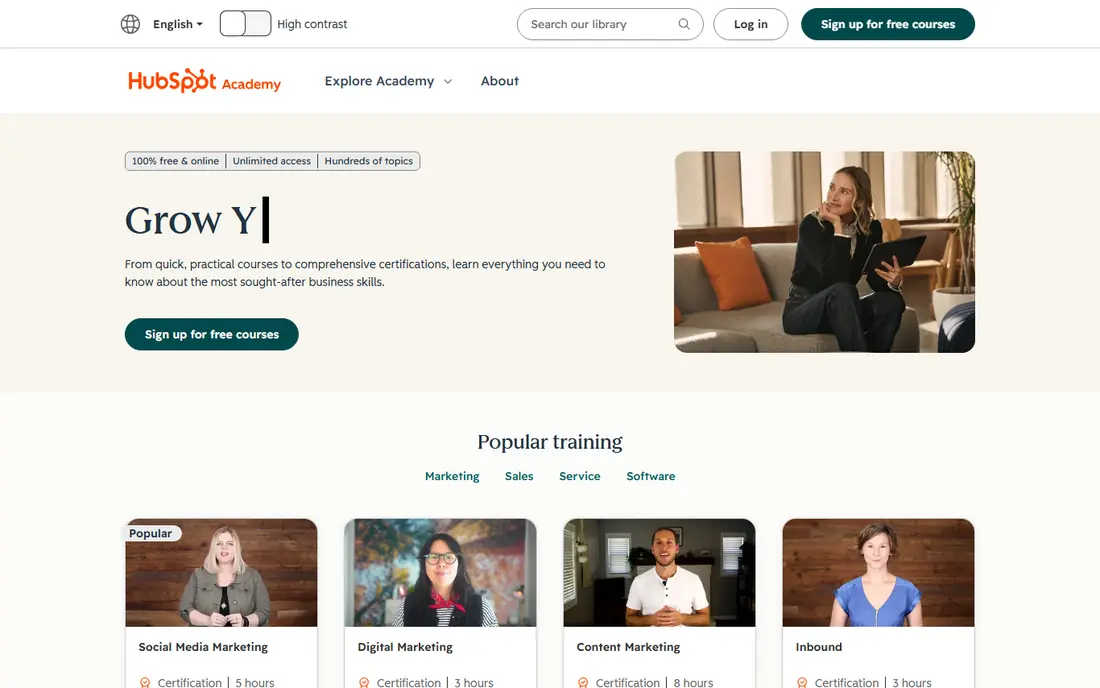
On calls, clear communication means short sentences, a calm pace, and a summary at the end. In chat and email, it means a direct opening, one idea per paragraph, and a clear action for the customer. HubSpot Academy courses cover these basics free, with practical lessons on service writing and problem solving.
The catch is pressure. When a queue is long or a customer is upset, clear language is the first thing to slip. Managers can help by reviewing real replies, praising clear examples, and giving reps short templates that keep structure without sounding scripted. Practice on real tickets beats theory every time.
- Reduces confusion and repeat contacts
- Works on every channel
- Easy to practice with real tickets
- Takes conscious practice to stay clear under pressure
- Tone is hard to judge in text alone
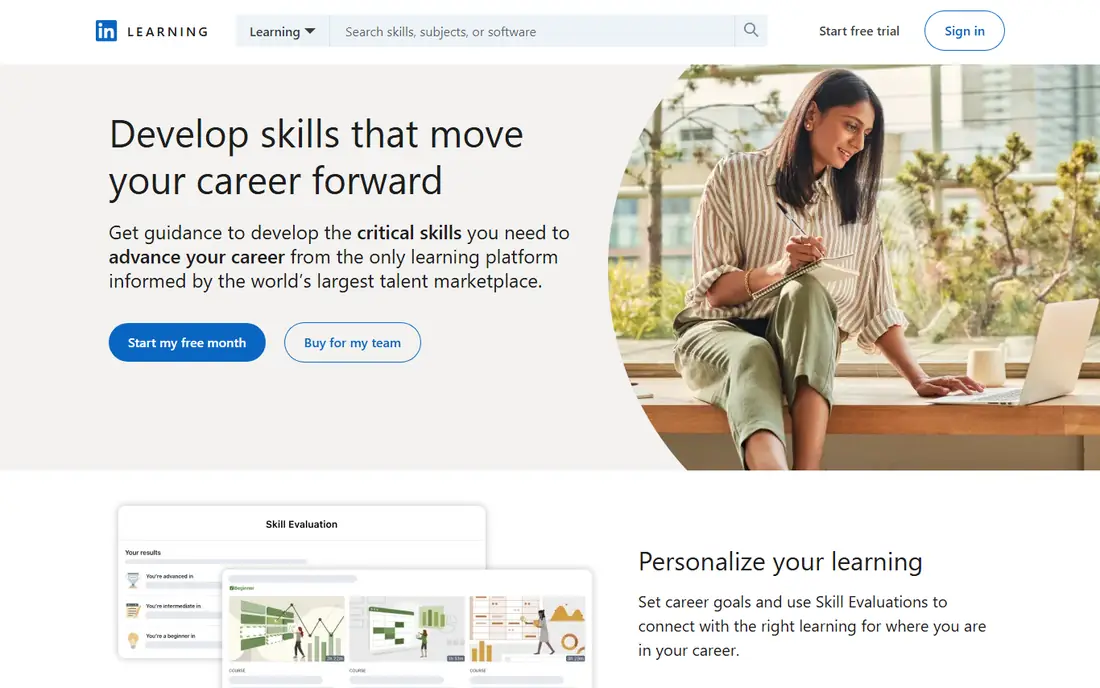
Empathy means showing a customer that you understand how a problem affects them, not just that you understand the technical details. A rep who names the impact, such as a missed delivery before an important event, and then moves to a fix, earns more trust than a rep who jumps straight to policy. LinkedIn Learning courses on empathy and difficult customers give short, practical ways to practice this skill.
That trust matters for outcomes. Customers who feel heard are more likely to accept a realistic solution, stay with a business, and give useful feedback. Empathy also helps a rep spot the real issue, since anger about a late order may hide worry about a deadline, a gift, or a work commitment.
The limit is that empathy alone does not resolve a ticket. Pair it with a clear next step, a timeline, and follow-through, or kind words will feel empty. Managers should also watch workload, since constant emotional work without breaks and support leads to burnout and lower service quality over time.
- Calms tense conversations
- Builds trust and loyalty
- Helps reps spot the real problem behind anger
- Can feel draining without manager support
- Must be paired with a real solution, not just kind words

Problem solving turns a single complaint into a lasting fix. A strong rep gathers facts, checks what changed, tests a likely cause, and confirms the result with the customer, rather than repeating a standard reply that does not fit the case. Coursera courses on service and problem solving give structured methods for that process, from defining the issue to checking the outcome.
That method also helps a team. When reps log the root cause, not just the symptom, managers can spot repeat patterns, fix a product issue, or update a help article. Over time, that reduces ticket volume and improves the product itself, which is a larger win than any single resolution.
The catch is time and access. Problem solving needs product knowledge, system permissions, and time to investigate, and a rep under strict handle-time pressure may choose a fast workaround instead. Managers should protect investigation time for complex cases and reward root-cause fixes, not just fast closures.
- Fixes root causes, not just symptoms
- Reduces repeat contacts
- Builds rep confidence
- Needs product knowledge and system access
- Rushed reps may default to a quick workaround
Patience is the skill that keeps a long, tense conversation productive. A patient rep listens fully before replying, does not interrupt, and stays calm when a customer repeats a point or raises their voice. That calm gives the customer room to share the full problem, which often reveals a detail that changes the solution.
ICMI topic courses on managing difficult customers cover techniques for this skill, including structured responses, de-escalation steps, and ways to reset a conversation that has stalled. Those methods help a rep stay steady without simply agreeing to something the business cannot deliver.
The limit is balance. Patience must lead to progress, or a customer will feel ignored. A patient rep still sets a clear next step, gives a timeline, and follows up. Managers should support patience with realistic workloads, break time, and coaching, since no training can replace rest and a fair queue.
- Keeps conversations productive
- Prevents escalation
- Supports careful listening
- Hard to sustain without breaks and coaching
- Patience without progress frustrates customers
Product knowledge is what lets a rep answer accurately on first contact, without long holds or callbacks. A rep who knows features, limits, pricing, and common faults can explain what will happen, what will not, and why, in language a customer can follow. Alison and other free providers offer service courses that pair product learning with communication basics, while internal training should cover your specific product in depth.
That knowledge also protects the business. Wrong advice creates repeat contacts, refunds, and complaints, while accurate advice builds confidence even when the product has a limit. A rep who can say what a product cannot do, and offer a workable alternative, serves a customer better than a rep who overpromises.
The catch is upkeep. Products, policies, and prices change, so product knowledge needs regular refreshers, updated help articles, and quick access to current information during a ticket. Managers should treat product learning as ongoing work, not a one-time onboarding task.
- Raises first-contact resolution
- Reduces wrong advice
- Builds customer confidence
- Products change often, so knowledge needs regular updates
- Deep knowledge takes time to build
Time management helps a rep handle a busy queue without dropping follow-ups or rushing complex cases. Strong reps prioritize urgent and time-sensitive tickets, batch similar tasks, set reminders for callbacks, and keep notes that let another rep pick up a case cleanly. Udemy courses on time management and service productivity give practical methods for that daily work.
That skill also protects service quality. A rep who plans the day, clears quick wins early, and reserves time for complex investigations will resolve more tickets well than a rep who reacts to each new message in order. Clear notes and follow-up dates matter as much as speed, since a missed callback damages trust more than a short wait.
The limit is measurement. If managers only reward fast handle time, reps will close tickets quickly without solving them. Pair time management training with quality checks, first-contact resolution, and customer satisfaction, so speed and care improve together.
- Keeps queues moving
- Helps reps prioritize urgent cases
- Reduces missed follow-ups
- Strict time targets can hurt quality if managers only reward speed
Written clarity is now a core service skill, since much support happens by email, chat, and ticket. A clear written reply states the answer first, explains the reason briefly, and ends with one clear next step and a timeline. That structure helps a customer act without re-reading the message several times, and it helps a future rep follow the case.
edX business communication courses cover professional writing, tone, and structure that transfer directly to support replies. Templates help with common cases, but a good rep adapts the template to the customer, rather than sending a generic block that ignores the specific problem.
The catch is tone. Written words lack voice and facial cues, so a short reply can sound cold and a long reply can bury the action. Read a draft as the customer would, check that the first sentence answers the question, and keep the reply as short as the case allows without leaving out needed detail.
- Clear replies reduce repeat questions
- Tone is easier to control in writing
- Templates save time
- Written tone is easy to misread
- Long replies can hide the key action
Adaptability is the skill that keeps service steady when tools, channels, policies, and customer needs change. A rep who can move from phone to chat, learn a new help desk, and adjust to a new product release without losing quality is valuable in any support team. Coursera and other providers offer courses on change, communication, and service that support that flexibility.
That flexibility also helps customers. A rep who adapts tone, channel, and explanation to the customer in front of them, rather than using one style for everyone, resolves more cases well. An older customer, a technical user, and a first-time buyer all need different levels of detail, and an adaptable rep adjusts without being asked.
The limit is support. Adaptability is not a substitute for training, clear policies, and honest communication about change. Managers should explain why a change happens, give practice time, and listen to rep feedback. With that support, adaptability grows. Without it, constant change simply adds stress and lowers service quality.
- Helps reps handle new tools, channels, and policies
- Supports career growth
- Keeps service steady during change
- Constant change without training causes stress
- Adaptability needs manager communication and support
How we picked these
We compared training provider pages, course descriptions, and service research current in October 2026, favoring skills that show up across employer listings, training programs, and service quality measures. Each skill entry pairs the skill with a training route that is active and accessible to US learners. We used See website where course pricing varies by subscription, sale, or delivery method. We did not claim hands-on testing we did not do. Our method rests on official provider pages and published course listings, so confirm current course price and length before you enroll.
How to build these skills as a team
Start with one skill and one measure. Pick the skill that causes the most repeat contacts or complaints in your team, such as written clarity or problem solving, and coach it for four weeks with real tickets. Review examples together, praise good work, and track whether repeat contacts and satisfaction move in the right direction. Then move to the next skill, rather than launching eight programs at once.
Practice with real work
Role-play helps, but real tickets teach faster. Ask reps to bring one ticket where a skill worked well and one where it did not, then work through both as a team. Keep feedback specific, such as a clearer opening sentence or a better next step, rather than general praise or criticism. Over time, that habit builds all eight skills more reliably than a single course alone.
Frequently asked questions
What are the best customer service skills for a resume?
Clear communication, problem solving, empathy, patience, product knowledge, and time management are the strongest skills to list, with a short example for each. Add written clarity and adaptability if you work across email, chat, and phone. A certificate from HubSpot Academy, Coursera, or a similar provider supports the claim with proof of training.
What is the best customer service skill for difficult customers?
Empathy and patience together matter most, because they keep a tense conversation productive while you find a solution. Name the impact, listen fully, then move to a clear next step and timeline. Problem solving matters next, since a kind reply without a fix will not satisfy a customer for long.
How can I improve my customer service skills quickly?
Start with one skill, such as written clarity, and practice it on real tickets for two weeks. Use a free course from HubSpot Academy or Alison, review your replies with a manager, and track repeat questions. Small, daily practice with feedback improves service faster than a long course with no follow-up.
Do employers value customer service skills?
Yes. Employers look for communication, problem solving, empathy, and reliability in service roles, and those skills also transfer to sales, operations, and management work. A clear resume example, such as resolving a complex case on first contact, shows the skill better than a list of adjectives alone.
What skills do customer service managers need most?
Managers need coaching, time management, problem solving, and clear communication, plus the ability to read service data and spot patterns. ICMI and HDI programs cover manager-level skills for contact centers, while LinkedIn Learning and Coursera cover leadership and communication for general team leaders.
Sources
See where you really rank - block by block
ProMapRanker scans Google Maps across a grid of your service area. Simple monthly plans from $19, white-label on every plan.
Start freeKeep reading
 zscaler alternatives
Best Zscaler Alternatives in 2026
Looking for zscaler alternatives? We compare 9 SASE and zero trust platforms on architecture, data protection, pricing, and fit for your network and team.
Read → zapier alternatives free
Best Zapier Alternatives Free in 2026
Nine automation tools for zapier alternatives free in 2026, all with genuinely free tiers, plus free plan limits, starting prices and upgrade paths explained.
Read → which platform is best for online reputation
Which Platform Is Best for Online Reputation in 2026
Wondering which platform is best for online reputation? We compare 8 review, listing, and response tools for small and multi-location businesses and agencies.
Read →