 ProMapRanker
Best Shipping Company for Small Business in 2026

Key takeaways
- There is no single best shipping company for a small business, because the right carrier changes with parcel weight, destination and delivery speed.
- Most small sellers save money with two or three carriers: a national carrier for reach, a regional carrier for nearby zones, and a low-cost option for light parcels.
- Shipping prices vary by weight, destination and service, and surcharges for residential delivery, large parcels and peak periods can change the final cost.
- This guide compares public reputation, coverage and services, not a tested ranking, so always get a live quote for your own parcels before you commit.
Quick comparison
| Pick | Great for | Pricing starts at | Free tier | |
|---|---|---|---|---|
 USPS | Light parcels and rural delivery | See website | No | Visit |
 UPS | Nationwide business shipping | See website | No | Visit |
 FedEx | Time-definite express shipping | See website | No | Visit |
 DHL eCommerce | International and cross-border shipping | See website | No | Visit |
 OnTrac | Fast regional delivery | See website | No | Visit |
 Sendle | Simple parcel sending for small sellers | See website | No | Visit |
 PirateShip | Discounted labels without a subscription | See website | Yes | Visit |
 LSO | Texas and south-central delivery | See website | No | Visit |
 Spee-Dee Delivery | Upper Midwest regional shipping | See website | No | Visit |
 Veho | Scheduled residential delivery in cities | See website | No | Visit |
The best shipping company for small business
We compared public service descriptions, coverage and the kinds of parcels each carrier is known for. Prices are not fixed in this guide because shipping prices vary by weight, destination and service, and a quote for one parcel will not match a quote for another. Use the list to shortlist carriers, then compare live rates for your typical parcel.
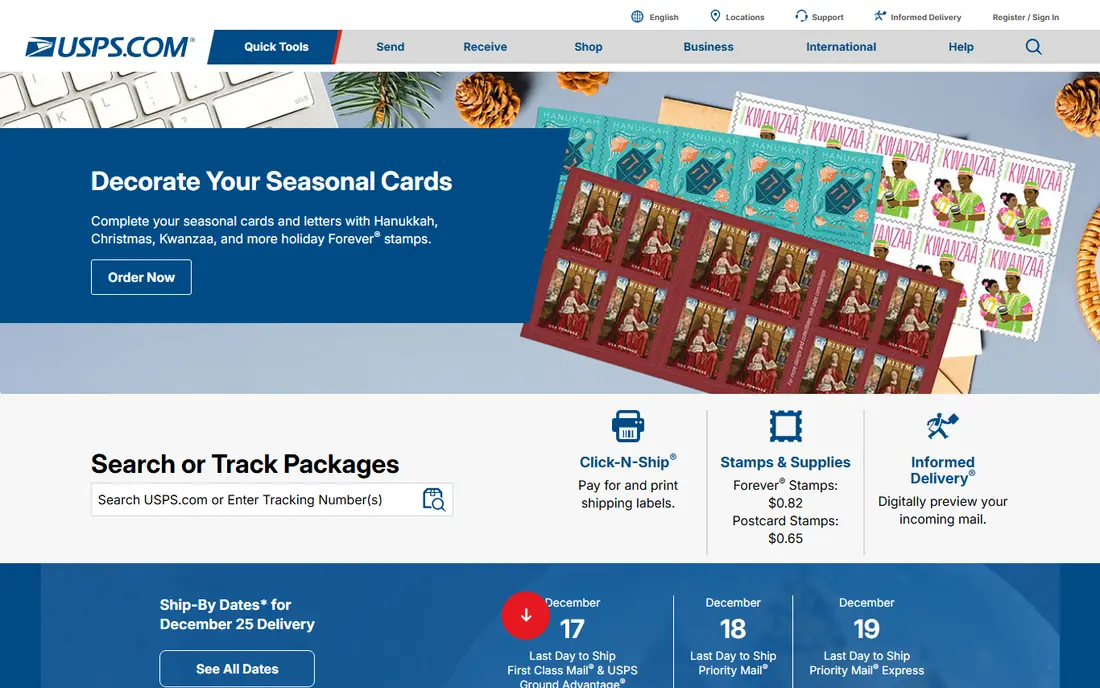
USPS is often the first carrier a small business should understand, because it reaches every address in the country. That reach matters for rural customers and for buyers who use a PO box, where some private carriers cannot deliver directly. Ground Advantage is widely used for light parcels, and Priority Mail adds faster transit with included tracking and insurance up to a set limit.
The limits are worth noting. USPS tracking updates can lag behind private carriers, and large or heavy parcels are often cheaper through a regional or national private carrier. Still, for a shop selling light goods by mail, USPS is hard to beat on coverage alone. Check dimensional weight rules and current rates on the USPS site for your parcel sizes before you set shipping charges for customers.
- Delivers to every US address, including PO boxes and rural areas
- Saturday delivery in many areas
- Ground Advantage suits light parcels
- Tracking can be less detailed than private carriers
- Heavier parcels can cost more than regional options
- Service consistency varies by area
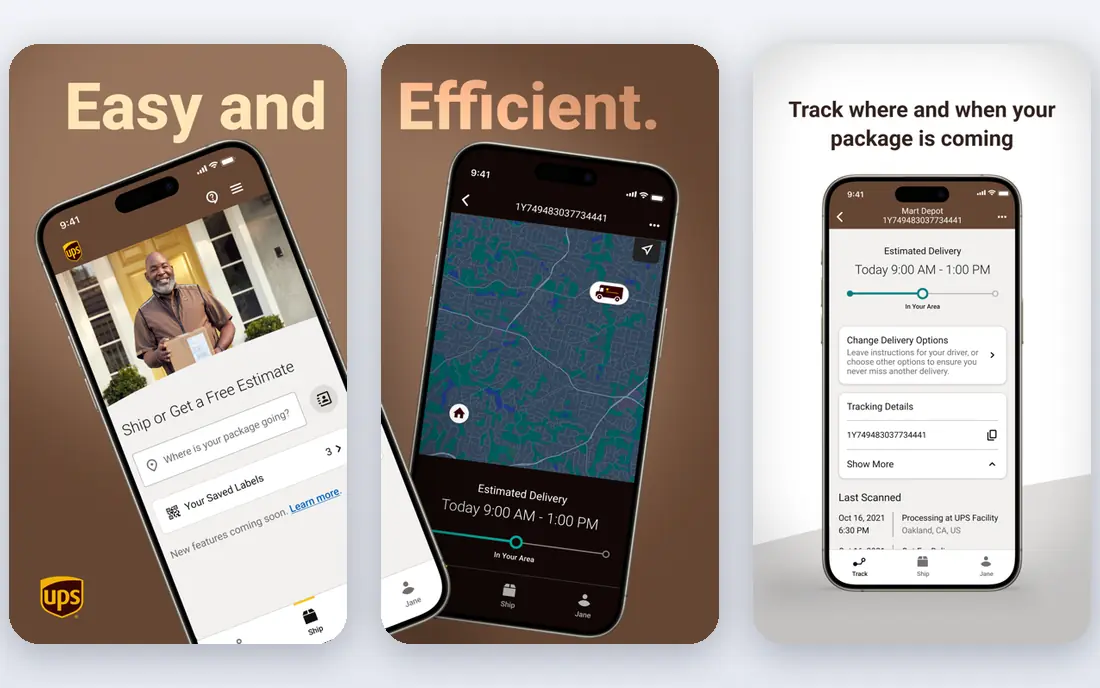
UPS is the default national carrier for many small businesses that ship heavier parcels or sell to other businesses. Its ground network covers the whole country, and its air services cover next-day and second-day delivery when speed matters. Tracking is detailed, pickup can be scheduled, and access point locations give customers a way to collect a parcel if they miss a delivery.
Cost is the main watch point. Residential delivery, large parcels, remote areas and peak periods can each add a surcharge, so the base rate is rarely the full story. Small sellers with low volume usually pay list rates, while higher volume can bring negotiated discounts. If your parcels are mostly heavy or high value, get a UPS quote alongside a regional carrier quote for the same parcels and compare the delivered total.
- Dense nationwide network
- Strong business and high-value parcel handling
- Detailed tracking and pickup options
- Residential and large-parcel surcharges can add up
- Negotiated rates matter, so list rates may look high for low volume
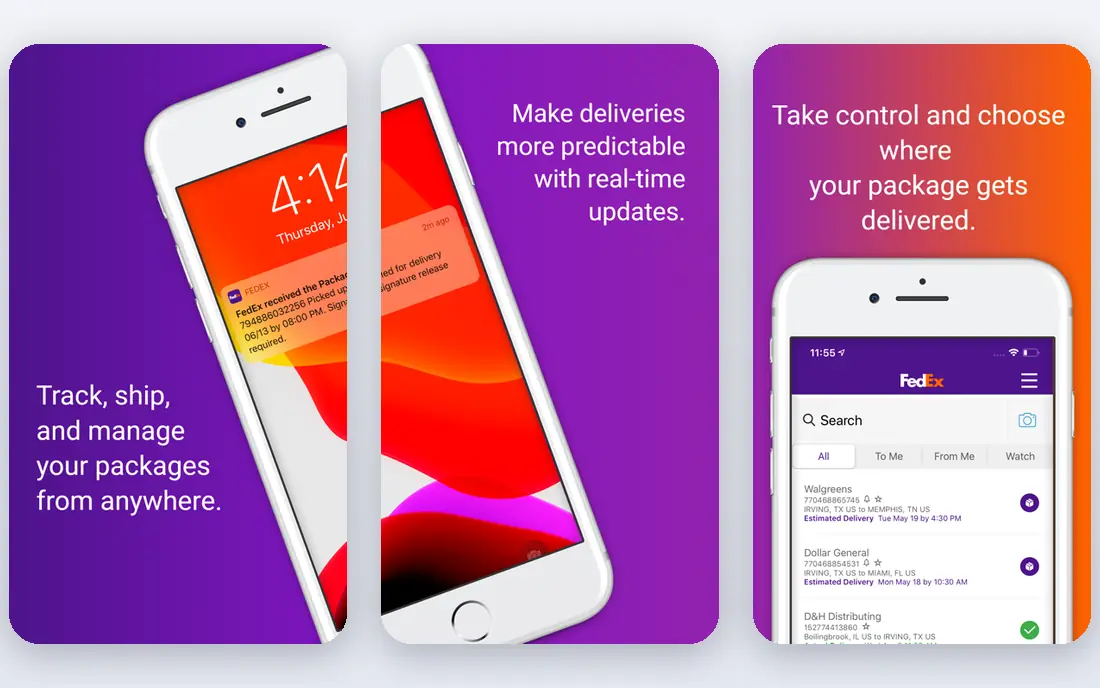
FedEx earns its place for small businesses that need a parcel to arrive on a specific day. Its express services, including overnight and two-day options, are the usual choice when a customer pays for speed or when a shipment is time-sensitive. Ground service covers the country for less urgent parcels, and the company offers a wide set of business shipping tools and pickup options.
As with UPS, the final price depends on weight, size, destination and service level, and oversize or additional handling fees can apply. A small business should compare express and ground quotes for the same parcel rather than assuming one carrier is always cheaper. FedEx is often the strongest option for long-distance express lanes, while a regional carrier may win on short, nearby ground lanes.
- Strong express air network
- Clear delivery commitments on express services
- Good tracking and business tools
- Ground transit can vary by lane
- Oversize and handling fees apply to large parcels
- Express prices rise fast for heavy items
DHL eCommerce is a strong option for a small business that sells to customers outside the United States. Its international parcel network is built for cross-border shipping, with customs handling and tracking that follows a parcel across countries. For light goods, it can be a cost-effective way to reach buyers abroad without setting up a separate export operation.
Inside the United States, DHL eCommerce parcels often move through its own network and then hand off to USPS for final delivery, so transit times are usually longer than a domestic express service. That makes it a poor fit for urgent domestic orders. Use it for international orders and light cross-border parcels, and keep a domestic carrier for US customers who need speed.
- Global network for outbound international parcels
- Parcel services suited to light cross-border goods
- Tracking across borders
- Domestic US delivery often hands off to another carrier for the last mile
- Not the best fit for heavy domestic parcels
OnTrac, which now includes former LaserShip lanes, is a regional carrier with strong coverage across much of the United States, including the West, East and Midwest. For a small business shipping mostly to customers within its coverage area, OnTrac can deliver in one or two days at rates below national ground prices on the same lane. That combination is why many sellers add it as a second carrier rather than using it alone.
The key limit is geography. Outside its network, a parcel may transfer to another carrier, which can change transit time and tracking. Check the coverage map for your customer base before you switch volume to OnTrac, and keep a national carrier for destinations outside its area. Used that way, it is one of the most useful cost-saving tools a regional seller has.
- Next-day and two-day service in its coverage area
- Often cheaper than national carriers on nearby lanes
- Modern tracking and API tools
- Coverage is regional, not national
- Service outside its network needs a partner carrier
- Not a full replacement for a national carrier
Sendle is designed for small sellers who want shipping to feel simple. You book a parcel online, choose a service level, and arrange pickup, without opening a carrier account or negotiating rates. Its pricing model is easy to understand, which helps a new seller set shipping charges without a long rate study. Sendle also promotes carbon-neutral delivery, which some buyers value.
The trade-off is scope. Sendle suits small parcels within its size and weight limits and is not a freight carrier. Delivery speed depends on the route and the partner carrier handling parts of the journey. For a shop sending light parcels in steady volume, it is a clean, low-friction option. For heavy, bulky or urgent goods, a national carrier is a better match.
- Simple booking and flat-rate style pricing
- Pickup from your door
- Carbon-neutral delivery positioning
- Parcel size and weight limits
- Coverage and speed vary by route
- Not built for freight or very large parcels
PirateShip is a popular choice for small sellers because it charges no monthly fee. You create a free account, buy discounted USPS and UPS labels, and pay only for the labels you use. That model suits sellers with uneven volume, such as a shop that ships heavily in some months and lightly in others, since there is no subscription to carry through quiet periods.
PirateShip is a label service, not a carrier of its own, so the parcel still travels on USPS or UPS networks and follows their rules and transit times. It does not replace a carrier contract for a high-volume shipper that can negotiate deeper discounts. For a small business starting out, though, it is a low-risk way to cut label costs without committing to a monthly plan.
- Free to use, with no monthly fee
- Discounted USPS and UPS labels for small sellers
- Simple label buying
- Limited to the carriers it supports
- No negotiated enterprise rates
- Support is online rather than account-managed
LSO, formerly Lone Star Overnight, is a regional carrier focused on Texas and the south-central United States. For a small business based in or selling heavily into that region, it offers overnight and next-day delivery at regional rates, with a service style closer to a local carrier than a national one. Business-to-business shippers in Texas use it widely for documents and parcels.
Its limit is plain: outside its region, it cannot serve as a primary carrier. A seller with customers across the country should treat LSO as a regional addition, not a replacement for USPS, UPS or FedEx. If your customer map clusters in Texas and nearby states, though, it is worth a quote, since regional carriers often beat national rates on their home lanes.
- Overnight and next-day service across Texas and nearby states
- Strong regional business delivery
- Local pickup options
- Regional coverage only
- Not a national carrier
- Limited value for sellers outside its service area
Spee-Dee Delivery is a regional carrier serving the Upper Midwest, including Minnesota, Wisconsin, Iowa, Illinois and nearby states. It is known for next-day delivery within its area and for rates that undercut national ground carriers on local lanes. Small businesses in the region, especially those selling to other businesses, use it for regular parcel runs where a national carrier would take longer or cost more.
The footprint is the whole story. Spee-Dee is not a national option, and a seller with customers outside the Upper Midwest still needs a national carrier for those orders. Within its area, however, it is a strong second carrier that can cut both cost and transit time. Check its service map against your order destinations before adding it to your carrier mix.
- Next-day service across much of the Upper Midwest
- Competitive regional rates
- Business-focused delivery
- Small geographic footprint
- Limited national reach
- Fewer online tools than national carriers
Veho is a newer kind of carrier built around the residential delivery experience. In the cities it serves, customers can get scheduled delivery windows and photo confirmation, which reduces missed deliveries and support messages for the seller. Direct-to-consumer brands that care about the unboxing and delivery experience often test Veho alongside a national carrier.
Coverage is the main limit. Veho operates in selected metro areas, not across the whole country, so it works as a supplement for city customers rather than a full carrier replacement. Pricing is arranged with the business, so get a quote for your volume and lanes. If a large share of your orders goes to served cities, Veho can improve the delivery experience for those customers at a competitive cost.
- Scheduled delivery windows and photo confirmation in served cities
- Customer-friendly tracking
- Suited to direct-to-consumer brands
- Coverage is limited to selected metro areas
- Not a national carrier
- Pricing is quote-based for businesses
How we picked these
We compared public service descriptions, coverage maps and the kinds of parcels each carrier is known for, focusing on carriers and label services that a US small business can actually use in October 2026. We included national carriers for reach, regional carriers for cost on local lanes, and label services for small sellers. This is a reputation and services guide, not a tested ranking, and we did not assign scores or invent delivery performance figures.
How to choose a carrier mix
Start with your order map. List where your customers live, how heavy your typical parcel is, and how fast it must arrive. If most orders are light and spread across the country, USPS or PirateShip labels may cover the bulk of volume. If orders cluster in one region, add that regional carrier for nearby lanes. If some customers pay for speed, keep an express option with FedEx or UPS for those orders only.
Then compare live quotes for the same parcels across two or three carriers, including surcharges and insurance. A carrier that looks cheap on a base rate can cost more once residential, large-parcel or peak surcharges apply. Review the mix each quarter, since rates, surcharges and coverage change, and a carrier that won last year may not win this year for your lanes.
Frequently asked questions
Which shipping company is best for small business sellers?
The best shipping company for small business sellers depends on parcel weight, destination and speed. USPS suits light parcels and rural delivery, UPS and FedEx suit nationwide and express shipping, and regional carriers suit nearby lanes. Most small sellers do best with a mix of two or three carriers rather than a single contract.
What is the best shipping service for small business orders sent abroad?
DHL eCommerce is a strong choice for light international parcels, since it is built for cross-border shipping with customs handling and international tracking. For heavier or urgent international shipments, compare DHL Express and FedEx International options as well, since speed and customs rules vary by destination.
What is the best postage service for small business light parcels?
For light parcels, USPS Ground Advantage and PirateShip labels are common starting points, since both reach a wide area at a low cost for small packages. Compare the delivered price for your parcel size and zone, and check whether tracking and insurance are included or cost extra.
Should a small business use one carrier or several?
Most small businesses benefit from using several carriers. A national carrier gives reach, a regional carrier cuts cost on nearby lanes, and a label service can cut costs for light parcels. A multi-carrier mix also gives a backup when one carrier has delays or capacity problems.
How can a small business cut shipping costs?
Compare live quotes for your typical parcels, use a regional carrier for nearby orders, and check dimensional weight rules before choosing a box. Packing a parcel in a smaller box, printing labels through a discount service, and offering a slower service at checkout can all cut costs without hurting delivery for most customers.
Sources
See where you really rank - block by block
ProMapRanker scans Google Maps across a grid of your service area. Simple monthly plans from $19, white-label on every plan.
Start freeKeep reading
 zoho inventory alternatives
6 Alternatives to Zoho Inventory, Compared on Price and Fit
Zoho Inventory alternatives: 6 tools compared on price, free plans and fit. Katana leads the list for manufacturers. Fit and flaws are laid out for each entry.
Read → zoho crm alternatives
Best Zoho CRM Alternatives (2026)
Need Zoho CRM alternatives? We compare 7 tools on cost, free access and who each suits. Every pick gets a straight assessment. Built for quick decisions.
Read → zelle alternatives
Best Zelle Alternatives in 2026
Compare the best Zelle alternatives for sending money to friends, paying sellers and moving funds abroad, with honest notes on fees, speed and safety in 2026.
Read →