 ProMapRanker
Best Shipping Company for Packages in 2026

Key takeaways
- There is no single cheapest carrier for every parcel, because weight, distance, destination and delivery speed change the result.
- USPS tends to suit light parcels and residential addresses, while UPS and FedEx tend to suit heavier parcels, business delivery and time definite service.
- DHL Express is a strong choice for urgent international parcels, and smaller carriers can beat the large networks on some regional or light routes.
- Always compare the delivered price for your exact box, including fuel surcharges, residential fees and any extra handling charge.
- Tracking, pickup options and claims handling matter as much as the headline rate when a parcel is valuable or time sensitive.
Quick comparison
| Pick | Great for | Pricing starts at | Free tier | |
|---|---|---|---|---|
 UPS | Business parcels and heavier boxes | See website | No | Visit |
 FedEx | Express and time definite delivery | See website | No | Visit |
 USPS | Light parcels and residential delivery | See website | No | Visit |
 DHL Express | Urgent international parcels | See website | No | Visit |
 OnTrac | Regional ground delivery in the United States | See website | No | Visit |
 Amazon Shipping | Small parcels in covered metro areas | See website | No | Visit |
 Sendle | Small businesses sending light parcels | See website | No | Visit |
 GLS US | Regional and cross border parcels | See website | No | Visit |
 UniUni | Light e-commerce parcels | See website | No | Visit |
The best shipping companies for packages
We compared national carriers and growing parcel networks on coverage, speed choices, tracking, pickup and the way prices are set. The right pick depends on what you send most often.
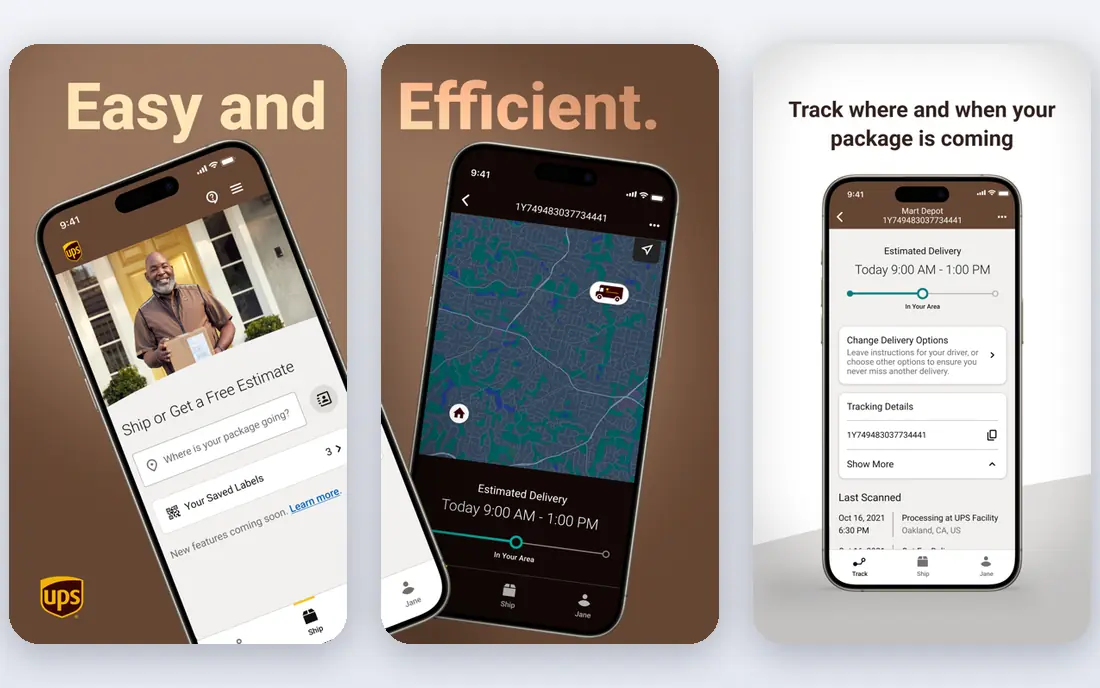
UPS is often our first suggestion for businesses that send heavier boxes or ship mainly to other businesses. Its ground network is built for regular commercial volume, and its express services cover next day, two day and three day delivery to most United States addresses. A UPS account usually brings lower rates than walk in retail prices, so regular shippers should set one up before judging the cost. Tracking is detailed, and pickup can be scheduled from a business address.
The catch is the fee structure. Dimensional weight pricing, residential surcharges and additional handling fees can raise the final bill well above the base rate, especially for large but light boxes. UPS is still a strong all round carrier, but it rewards shippers who measure boxes carefully, use an account rate and check the full quote before printing a label.
- Wide United States coverage
- Strong business delivery network
- Many guaranteed service levels
- Retail rates can be high without an account
- Extra fees apply to oversize and residential parcels
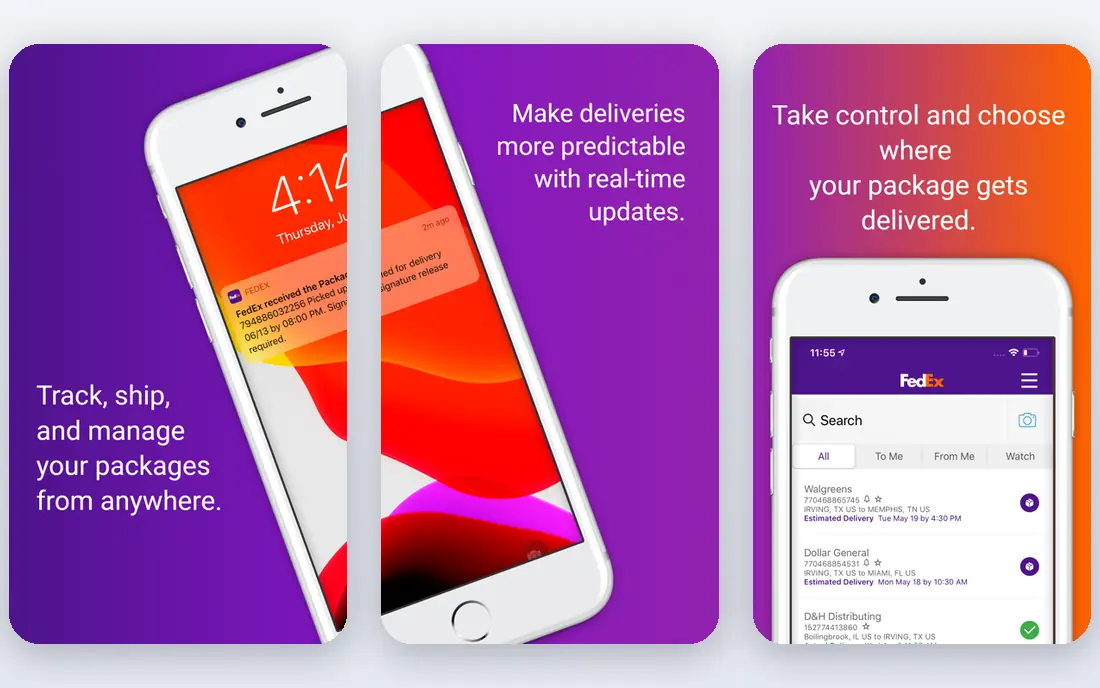
FedEx is a natural pick when delivery time matters more than saving a dollar or two. Its express services include overnight, two day and three day options, and its ground service covers home delivery on weekdays and Saturdays in many areas. Businesses that ship to clinics, labs or other time sensitive receivers often value the consistency of FedEx express handling. The online tools make it easy to compare services for one parcel and to set up regular pickup.
As with UPS, the published list rate is only part of the story. Fuel surcharges, residential fees and delivery area surcharges apply on many routes, and peak season surcharges can raise costs further. FedEx suits senders who need speed and a firm delivery commitment and who are willing to compare its express quote against ground options from other carriers.
- Strong express network
- Clear delivery time options
- Good tracking and business tools
- List rates are high
- Residential and delivery area surcharges add up
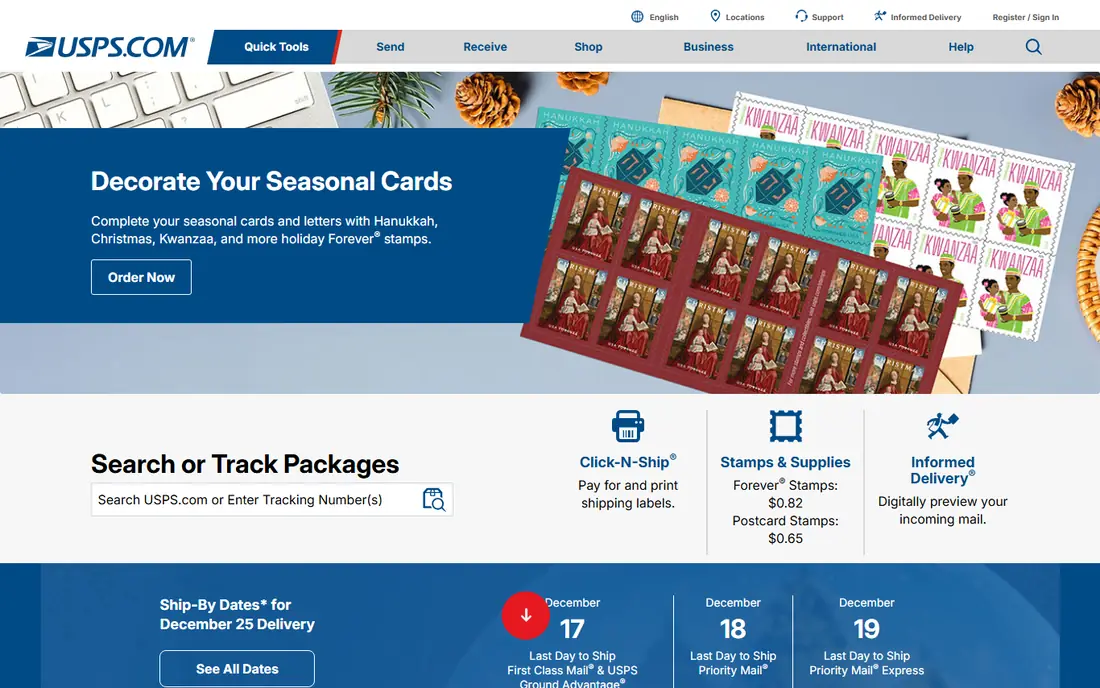
The United States Postal Service remains the value choice for many light parcels, especially those going to homes or rural addresses. Ground Advantage covers parcels up to 70 pounds, and Priority Mail offers faster delivery with flat rate boxes that can help when a parcel is heavy for its size. Because USPS already visits every address daily, it often handles the last part of delivery for other carriers too. For small sellers, that reach is hard to match at the same price.
Speed is the trade off. Some routes are quick, while others take several days, and tracking updates can be less detailed than UPS or FedEx on cheaper services. USPS is best when the parcel is light, the buyer is not in a rush, and the destination is residential or rural. For urgent or high value parcels, a private express service is usually the safer pick.
- Low cost for light parcels
- Delivery to every United States address
- Flat rate box options
- Delivery speed varies by region
- Tracking detail is thinner than private carriers on some services
DHL Express is built for parcels that cross borders on a deadline. Its international express services reach a very large number of countries, and its customs paperwork tools help senders prepare invoices and declarations correctly. For a business that ships samples, documents or urgent orders overseas, that combination of speed and customs experience is a real advantage. Tracking follows the parcel across borders, which helps both sender and receiver plan around delivery.
The main drawback is price. Express international service costs more than slower postal options, and DHL Express is not the best choice for routine domestic parcels inside the United States. Use it when speed, customs handling and international reach matter most, and compare it against USPS international and other express carriers for slower or lighter shipments.
- Fast international express network
- Strong customs support
- Clear international tracking
- Premium prices
- Domestic United States parcel coverage is limited compared with national carriers
OnTrac, now part of the same group as LaserShip, focuses on ground delivery across much of the United States, with particular strength in regional lanes. For e-commerce sellers shipping within a region, its ground rates can beat national carriers, and delivery on weekends in some areas helps meet buyer expectations. It is a practical second carrier for businesses that want an alternative to UPS and FedEx ground service.
Coverage is the limit. Not every address or service level is available everywhere, and some rural deliveries are handed to partners. OnTrac works best as part of a mix, where you route parcels in its strong areas to OnTrac and send the rest with a national carrier. Check its coverage for your main destinations before making it a default.
- Competitive ground rates on many regional routes
- Seven day delivery in some areas
- Business focused service
- Coverage is narrower than national carriers
- Service levels vary by region
Amazon Shipping lets eligible sellers buy labels for parcels shipped from their own locations, using Amazon delivery partners for the final delivery in covered areas. For light parcels going to major metro areas, its rates can be attractive, and buyers get tracking they already recognise. Sellers who already sell through Amazon may find the workflow simple, since much of the setup sits inside the same seller account.
The limit is reach. Amazon Shipping is still rolling out, so many addresses and rural areas are not covered, and eligibility rules apply. It is best treated as an extra option for qualifying parcels in covered zones, not as the only carrier for a whole business. Confirm coverage for your top destinations before routing volume to it.
- Competitive rates for light parcels in covered areas
- Familiar tracking
- Simple label buying for sellers
- Availability is limited by area and seller eligibility
- Not a full national replacement yet
Sendle is aimed at small businesses and sole traders who send light parcels and want simple pricing without opening carrier accounts. You book online, print a label and arrange pickup, and Sendle works with delivery partners to move the parcel. Its pricing model is easier to understand than dimensional weight tables, which helps sellers who send a similar size of parcel again and again. It also publishes information about its carbon neutral delivery approach.
Sendle is not built for heavy or bulky freight. Size and weight limits apply, and delivery speed depends on the partner handling the route. For light, regular parcels from a small business, it is a friendly and low hassle option. For heavy boxes or urgent express delivery, a national carrier remains the better fit.
- Simple flat pricing for light parcels
- Pickup from your door
- Carbon neutral delivery claims
- Weight and size limits suit light parcels only
- Delivery partners vary by region
GLS US, formerly part of the GSO network in the western United States, offers regional ground delivery and cross border services. Businesses in its core western states often find its ground service fast for nearby destinations, since a regional network can move a parcel across a state in one or two days. Its cross border options also help sellers shipping to Canada and Mexico without using a large international express carrier for every order.
The network is smaller than the national carriers, so GLS US is not the pick for nationwide coverage from a single account. It works well for sellers whose customers cluster in its regions, or for cross border parcels on its lanes. As with OnTrac, the smart move is to use GLS US where it is strong and keep a national carrier for the rest.
- Regional ground strength
- Cross border service to Canada and Mexico
- Business delivery focus
- Smaller United States network than UPS or FedEx
- Fewer retail drop off points
UniUni is a delivery company built around e-commerce parcels, with a focus on light packages and competitive rates for online sellers. Its network has grown quickly in the United States, and it suits sellers who ship many similar light parcels to metro and suburban addresses. Integration with e-commerce platforms helps sellers print labels and pass tracking to buyers without extra manual work.
Because it is a newer network, coverage and service depth are not yet equal to UPS, FedEx or USPS, especially in rural areas. Delivery speed and handling for heavy or fragile items also need checking against your product type. UniUni is worth testing for light parcels in its covered areas, with a national carrier kept for the parcels it cannot handle well.
- Low cost for light e-commerce parcels
- Growing United States coverage
- Designed for online sellers
- Newer network with thinner rural coverage
- Service options are narrower than national carriers
How we picked these
We compared official carrier pages, service guides and pricing tools, plus public rate change notes for 2026. We favoured carriers that actually move parcels in the United States today, that publish clear service levels and tracking, and that cover a distinct need, from light residential parcels to urgent international express. Where a price depends on weight, distance and surcharges, we wrote See website rather than inventing a single figure that would mislead most readers.
What to check before you choose a carrier
Start with your typical parcel, not the carrier brand. Weigh and measure your most common box, including packaging, and note whether most deliveries go to homes or businesses. Light parcels under a few pounds often favour USPS or a light parcel specialist, while heavier boxes and business deliveries often favour UPS or FedEx account rates. Check dimensional weight rules too, since a large light box can be billed at a higher weight than its scale weight.
Next, compare the full delivered quote for your top three lanes, not just the base rate. Add fuel surcharges, residential fees, delivery area fees, insurance and any peak season surcharge that applies. Then test the service on a small batch before switching all volume. Watch tracking quality, damage rates, delivery time accuracy and how easy claims are when something goes wrong. A carrier that is slightly more expensive but delivers on time and handles claims well often costs less in refunds and repeat contacts.
Questions to ask any carrier
Ask about account discounts and volume thresholds, pickup fees and cut off times, insurance limits, and what happens when a parcel is lost or damaged. Ask how tracking works for your buyers, and whether delivery photos or proof of delivery are included. For international parcels, ask who handles customs duties and whether the buyer will face extra charges on delivery. Clear answers to those questions tell you more than a marketing page.
Frequently asked questions
What is the best shipping company for packages in general?
There is no one winner for every parcel. UPS and FedEx suit heavier and business parcels, USPS suits light residential parcels, and DHL Express suits urgent international parcels. Compare quotes for your usual box size, weight and destinations, since that comparison usually points to a clear winner for your own volume.
What is the best shipping service for small businesses?
Small businesses often do best with a mix. USPS covers light residential orders at a low price, while an account rate with UPS or FedEx helps with heavier orders. Light parcel specialists such as Sendle or UniUni can add savings in covered areas. A label platform that compares rates at checkout can help you pick the cheapest sensible option per order.
How can I lower package shipping costs?
Measure boxes accurately, use the smallest box that protects the item, and avoid paying for speed you do not need. Open carrier accounts for discounts, compare rates per parcel, and review surcharges each month. Negotiating rates becomes realistic once your weekly volume is steady, and even a small discount per parcel adds up over a year.
Is USPS or UPS cheaper for packages?
USPS is usually cheaper for light parcels, especially to homes and rural addresses. UPS is often more competitive for heavier parcels and business deliveries once account discounts apply. The only reliable answer comes from quoting the same parcel with both carriers, including all surcharges.
Which carrier is best for international packages?
DHL Express, FedEx and UPS all offer strong international express services, with different strengths by destination. USPS international services cost less for light parcels when speed is less urgent. Check customs handling, delivery times and whether duties are prepaid, since those factors affect the buyer experience as much as the freight price.
Sources
See where you really rank - block by block
ProMapRanker scans Google Maps across a grid of your service area. Simple monthly plans from $19, white-label on every plan.
Start freeKeep reading
 zscaler alternatives
Best Zscaler Alternatives in 2026
Looking for zscaler alternatives? We compare 9 SASE and zero trust platforms on architecture, data protection, pricing, and fit for your network and team.
Read → zapier alternatives free
Best Zapier Alternatives Free in 2026
Nine automation tools for zapier alternatives free in 2026, all with genuinely free tiers, plus free plan limits, starting prices and upgrade paths explained.
Read → which platform is best for online reputation
Which Platform Is Best for Online Reputation in 2026
Wondering which platform is best for online reputation? We compare 8 review, listing, and response tools for small and multi-location businesses and agencies.
Read →