 ProMapRanker
Best Service Business to Start in 2026


Beginners and recurring revenue · Pricing starts at: See website
Key takeaways
- House cleaning is our pick for most beginners because startup costs are low, demand is steady, and clients rebook weekly or biweekly.
- Lawn care and pressure washing offer strong per-job earnings, but they need equipment, transport, and seasonal planning.
- Recurring revenue is the key test: cleaning, lawn care, pool service, and bookkeeping build routes that keep paying month after month.
- Pet sitting, tutoring, and bookkeeping can start from home with little equipment, which suits part-time founders.
- Every idea here needs insurance, clear pricing, and local licensing checks, since rules vary by state and city.
Quick comparison
| Pick | Great for | Pricing starts at | Free tier | |
|---|---|---|---|---|
| Residential Cleaning | Beginners and recurring revenue | See website | No | Visit |
 Lawn Care and Garden Work | Outdoor workers and routes | See website | No | Visit |
 Handyman Services | Skilled all-rounders | See website | No | Visit |
 Pet Sitting and Dog Walking | Animal lovers starting part-time | See website | No | Visit |
 Pressure Washing | High per-job earnings | See website | No | Visit |
 Junk Removal | Teams with a truck | See website | No | Visit |
 Pool Service | Recurring routes in warm climates | See website | No | Visit |
 Mobile Car Detailing | Low-overhead mobile work | See website | No | Visit |
 Bookkeeping Services | Home-based professional work | See website | No | Visit |
 Senior Home Care | Care-focused founders | See website | No | Visit |
The best service businesses to start
A service business sells your time and skill, not inventory, which keeps startup costs low and margins high. The ideas below are ranked by a mix of demand, startup cost, recurring revenue, and how easy they are to start in 2026. Each entry names a well-known company in that niche as a reference point, so you can see how an established operator presents the service.
Residential cleaning remains the most accessible service business for a new founder. Supplies and insurance cost far less than trade equipment, clients rebook on a regular schedule, and a solo cleaner can start with a handful of homes before hiring help. The reference company here, Molly Maid, shows how a cleaning brand packages recurring visits, checklists, and trust signals for homeowners.
The work is physical and trust-based. You will handle keys, alarms, and personal spaces, so background checks, insurance, and clear checklists matter from day one. Competition is also high, especially in cities, so a niche helps: move-out cleans, Airbnb turnovers, or eco-friendly products can set you apart from general cleaners. If you want the lowest-risk start with steady repeat income, cleaning is the pick.
- Low startup cost
- Weekly and biweekly rebooking
- Easy to start solo and add staff later
- Physically demanding
- Client trust and keys need careful handling
- Competition is high in cities
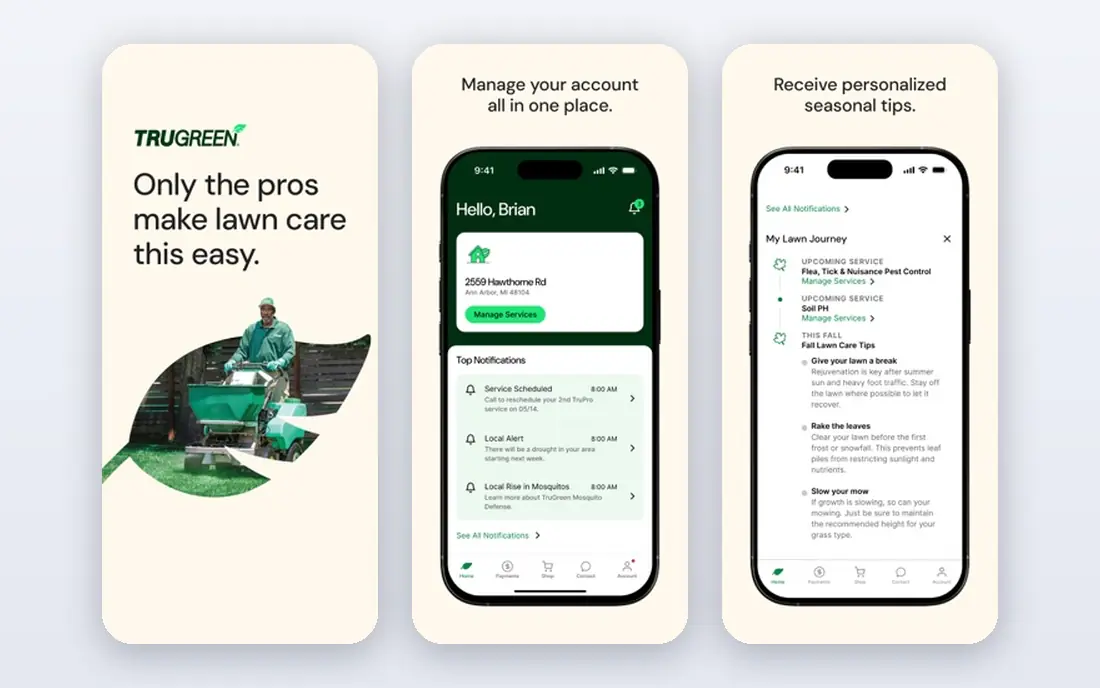
Lawn care combines steady demand with a route model that rewards density. Mowing, edging, and blowing on a weekly schedule build a route, and fertilization, aeration, and garden refresh work add higher-margin jobs on top. TruGreen, the reference company here, illustrates how a national brand sells lawn programs as subscriptions rather than one-off visits.
The startup cost is higher than cleaning, since you need a mower, blower, edger, and transport, and income can dip in winter in colder climates. Pairing lawn care with holiday lights, leaf cleanup, or snow removal, where local rules allow, smooths the year. If you like outdoor work and can build a tight route on a few streets, lawn care offers reliable recurring revenue.
- Recurring seasonal routes
- Upsells such as fertilization and aeration
- Route density raises hourly earnings
- Equipment and transport costs
- Weather and seasonality affect income
- Physical work in heat and cold
Handyman work suits someone who can already fix, assemble, and repair a wide range of household items. Jobs range from drywall patches and faucet swaps to furniture assembly and small installations, and clients often rebook for the next small job rather than searching again. Mr. Handyman, the reference brand here, shows how a handyman business packages hourly work, job checklists, and guarantees for homeowners.
The risk is scope. A handyman who takes on electrical, plumbing, or structural work beyond local licensing rules can face legal and safety problems, so know your state limits and refer larger jobs to licensed trades. Pricing also needs care: quote a minimum job price that covers travel and setup, or small jobs will eat your day. For a skilled generalist, handyman work pays well per hour and builds a loyal local base.
- Wide range of jobs from repairs to assembly
- Hourly rates above cleaning and lawn care
- Repeat clients for small jobs
- Skill range is broad, so mistakes cost more
- Licensing rules vary by job and state
- Larger jobs need subcontractors
Pet sitting and dog walking are among the cheapest service businesses to test. You can start with little more than insurance, a phone, and a local profile, and regular clients create a weekly rhythm of walks and visits. Rover, the reference platform here, shows how sitters build profiles, reviews, and repeat bookings, though many sitters also work independently once they have regulars.
The limits are income ceiling and responsibility. Solo walking scales only by adding walkers or raising prices, and you carry liability for animals, keys, and homes. Holiday periods bring peak demand but also long days. If you love animals and want a part-time start that can grow into a small team, pet services are a gentle entry point.
- Very low startup cost
- Part-time friendly
- Regular clients create recurring bookings
- Income depends on local pet density
- Holidays are peak but exhausting
- Liability for animals and homes
Pressure washing earns well per hour because a single driveway, deck, or house wash can be completed in a few hours with a visible result. Customers love before-and-after photos, which make marketing easier than for invisible services. Rolling Suds, a franchise reference here, shows how pressure washing brands sell residential and commercial exterior cleaning as a packaged service.
The catch is technique and equipment. Wrong pressure or nozzle choice can damage wood, paint, or concrete, so training and insurance are essential. You also need transport, water access, and a plan for winter slowdowns. For a founder who wants high-ticket jobs without a shop or inventory, pressure washing is one of the strongest per-job options on this list.
- High earnings per job
- Visible before-and-after results
- Driveways, decks, and siding all need regular cleaning
- Equipment and water access costs
- Risk of surface damage if technique is wrong
- Seasonal in cold climates
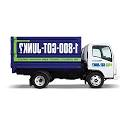
Junk removal serves a clear moment of need: a move, a renovation, an estate cleanout, or a garage that finally needs clearing. Customers want speed and a crew that hauls everything away, and they often pay a premium for same-week service. The reference brand, 1-800-GOT-JUNK?, shows how junk removal is priced by truck volume and sold as a fast, friendly service.
Startup costs sit above cleaning or pet sitting, since you need a truck or trailer, labor, and disposal arrangements. Heavy lifting carries injury risk, so crew training and insurance matter. Junk removal also pairs well with moving, cleaning, and handyman referrals, since the same life events create all three needs. If you have a truck and can lead a small crew, it is a scalable, demand-driven business.
- High demand from moves, cleanouts, and renovations
- Team-based work scales
- Disposal fees are passed through
- Truck and disposal costs
- Heavy lifting and injury risk
- Local disposal rules vary
Pool service is a route business at heart. Weekly cleaning, chemical balancing, and equipment checks create a recurring schedule, and a dense route in a pool-heavy area can support a full-time income with relatively few clients. The reference company here is a national pool service brand, and its model shows how routes, not one-off jobs, drive value in this niche.
The limit is geography. Pool service only works where pools are common, mainly warm climates and affluent suburbs, and chemical handling requires training and care. Winter slowdowns also affect income in seasonal markets. If you live in a pool-dense area and like outdoor route work, pool service builds one of the most sellable service businesses on this list, because a buyer will pay for a route.
- Weekly recurring routes
- Chemical and equipment upsells
- Routes are sellable assets
- Geography limited to pool-heavy regions
- Chemical handling needs training
- Summer peaks and winter dips
Mobile car detailing brings the service to driveways and offices, which removes shop rent from the startup budget. Packages range from a basic wash and vacuum to full interior detailing, paint protection, and ceramic coatings, giving clear upsell paths. DetailXP, a mobile detailing reference here, illustrates how detailers sell packages and subscriptions for regular clients.
The constraints are weather and throughput. Rain cancels outdoor jobs, and a solo detailer can only complete a limited number of cars per day. A van setup with water and power helps, but adds cost. For a founder who wants flexible, mobile work with visible results and low overhead, detailing is a practical pick, especially as a side business that grows into full-time work.
- Mobile model needs no shop
- Interior and exterior packages upsell well
- Bookings fit around other work
- Weather affects outdoor jobs
- Equipment and water supply need planning
- Car count limits daily earnings
Bookkeeping is the quiet professional service on this list, and it may be the most durable. Small businesses need monthly books, invoicing help, and clean records for tax time, and they pay monthly for it. Bench, the reference company here, shows how bookkeeping is packaged as a monthly subscription with software plus human support, a model solo bookkeepers can adapt.
The barrier is skill, not equipment. You need accounting knowledge, fluency in tools such as QuickBooks or Xero, and a clear boundary around tax advice, which may require credentials or a CPA partner. Client acquisition is slower than for cleaning or lawn care, since trust builds over months. If you prefer desk work to field work and want recurring monthly revenue from home, bookkeeping is a strong long-term pick.
- Home-based and remote-friendly
- Monthly recurring revenue
- Every service business on this list needs bookkeeping
- Needs accounting skill and software fluency
- Tax work needs credentials or referrals
- Client acquisition takes time
Senior home care covers non-medical help such as companionship, meal preparation, light housekeeping, and transport for older adults who want to stay at home. Demand is growing as the population ages, and weekly schedules create recurring revenue similar to cleaning. Home Instead, the reference brand here, shows how home care agencies package caregiver matching, scheduling, and family communication.
The challenges are people and compliance. Hiring and keeping reliable caregivers is the hardest part, and licensing, background checks, and training rules vary by state. Medical care is a separate, regulated field, so a non-medical agency must stay within its scope and refer clinical needs onward. For a founder with care experience and strong hiring skills, senior home care combines steady demand with work that families genuinely value.
- Growing demand from an aging population
- Recurring weekly schedules
- Meaningful work with loyal clients
- Caregiver hiring and retention is hard
- Licensing and training rules vary
- Emotional demands are real
How we picked these
We compared recent service business guides, franchise and platform listings, and startup cost discussions, and kept only ideas that are live, legal, and genuinely startable in the US in 2026. We favored ideas with real demand, low to moderate startup costs, and a path to recurring revenue, and we excluded ideas that depend on a single platform, a fad, or unlicensed regulated work. Where startup costs varied widely by city and equipment, we wrote See website rather than presenting one city price as a national fact.
What to check before you start
Start with demand in your own area, not a national list. Search local listings, check how many competitors serve your neighborhood, and talk to ten potential customers before buying equipment. A business that thrives in a warm suburb may struggle in a cold rural county, and the reverse is true for snow removal or senior care.
Next, sort the basics: business registration, insurance, and local licensing. General liability insurance is essential for any business that enters homes or handles property, and some trades need specific licenses. Price for profit from day one: include labor, materials, fuel, drive time, and overhead in every quote, and set a minimum job price so small jobs do not lose money.
Finally, build a simple system for repeat work. A short website, a Google Business Profile, and a handful of reviews will bring more jobs than a large ad budget at first. Use checklists, photo proof, and text reminders to lock in repeat bookings, and keep job notes in a simple CRM so a helper can follow your standard. The best service business to start is the one you can run well, repeat weekly, and hand to a helper as you grow.
Frequently asked questions
What is the best service business to start?
For most beginners, residential cleaning is the best starting point because startup costs are low, demand is steady, and clients rebook regularly. Lawn care, handyman work, and pressure washing suit founders who want higher per-job earnings and outdoor or trade work. Choose based on your skills, local demand, and tolerance for physical work.
What are the best service businesses to start with little money?
Pet sitting, bookkeeping, and tutoring need little equipment and can start from home. Among field services, house cleaning is cheapest, since supplies and insurance cost far less than trade equipment. Avoid buying a full equipment setup before you have paying clients: start lean, prove demand, then invest.
What are the best service businesses for recurring revenue?
Cleaning, lawn care, pool service, pet sitting, and bookkeeping all run on weekly or monthly schedules, which makes income predictable. Recurring routes are also more sellable, because a buyer pays for a client list that keeps paying. Prioritize a subscription or route model over one-off jobs when you can.
How do I choose between cleaning, lawn care, and handyman work?
Cleaning suits beginners and team builders, lawn care suits outdoor workers who want routes, and handyman work suits skilled generalists who can handle varied repairs. Consider your existing skills, equipment budget, and local competition. A short trial period, such as a month of weekend jobs, will tell you more than any list.
Do I need a license to start a service business?
It depends on the service and location. Cleaning, pet sitting, and detailing usually need only business registration and insurance, while handyman, home care, and pool chemical work may need licenses, training, or certifications. Check your state and city rules before advertising, and refer regulated work to licensed professionals when needed.
Can a service business start part-time?
Yes, and most should. Pet sitting, detailing, bookkeeping, and cleaning can all start part-time around a job, with evenings and weekends as the first test. Grow to full-time once repeat clients cover your costs for several months in a row, not after a single good week.
Sources
- https://www.mollymaid.com
- https://www.trugreen.com
- https://www.mrhandyman.com
- https://www.rover.com
- https://www.rolling-suds.com
- https://www.1800gotjunk.com
- https://www.detailxp.com
- https://www.bench.co
- https://www.homeinstead.com
- https://homebusinessmag.com/businesses/business-opportunities/15-service-business-ideas-run-from-home-2026-with-real-startup-costs/
See where you really rank - block by block
ProMapRanker scans Google Maps across a grid of your service area. Simple monthly plans from $19, white-label on every plan.
Start freeKeep reading
 zscaler alternatives
Best Zscaler Alternatives in 2026
Looking for zscaler alternatives? We compare 9 SASE and zero trust platforms on architecture, data protection, pricing, and fit for your network and team.
Read → zapier alternatives free
Best Zapier Alternatives Free in 2026
Nine automation tools for zapier alternatives free in 2026, all with genuinely free tiers, plus free plan limits, starting prices and upgrade paths explained.
Read → which platform is best for online reputation
Which Platform Is Best for Online Reputation in 2026
Wondering which platform is best for online reputation? We compare 8 review, listing, and response tools for small and multi-location businesses and agencies.
Read →