 ProMapRanker
Best Security Companies to Work For in 2026

Key takeaways
- Allied Universal and Securitas offer the widest range of US sites, which matters if you want to transfer or pick up extra shifts close to home.
- GardaWorld and Brink's stand out for armed and cash services roles, where licensing and driving records carry more weight than a general guard card.
- ADT and Pinkerton suit people who want technology, monitoring, investigations or executive protection rather than a standard post.
- This is a guide based on publicly reported factors, not a verified ranking, and pay and benefits vary by site, state and assignment.
- Check the exact posting before you apply, because the same company can offer very different schedules at two sites in one city.
Quick comparison
| Pick | Great for | Pricing starts at | Free tier | |
|---|---|---|---|---|
 Allied Universal | Widest choice of sites | See website | No | Visit |
 Securitas | Structured guarding careers | See website | No | Visit |
 GardaWorld | Armed and cash services work | See website | No | Visit |
 ADT | Alarm and monitoring roles | See website | No | Visit |
 Pinkerton | Investigations and protection | See website | No | Visit |
 Brink's | Armored transport careers | See website | No | Visit |
 Prosegur | Global guarding and cash work | See website | No | Visit |
 Inter-Con Security | Government and corporate posts | See website | No | Visit |
The best security companies to work for
We compared large, established employers on the factors job seekers can check before applying: range of posts, training, schedules, benefits for full-time staff and paths to supervision. No company here is ranked by a single score, and local conditions matter a great deal.
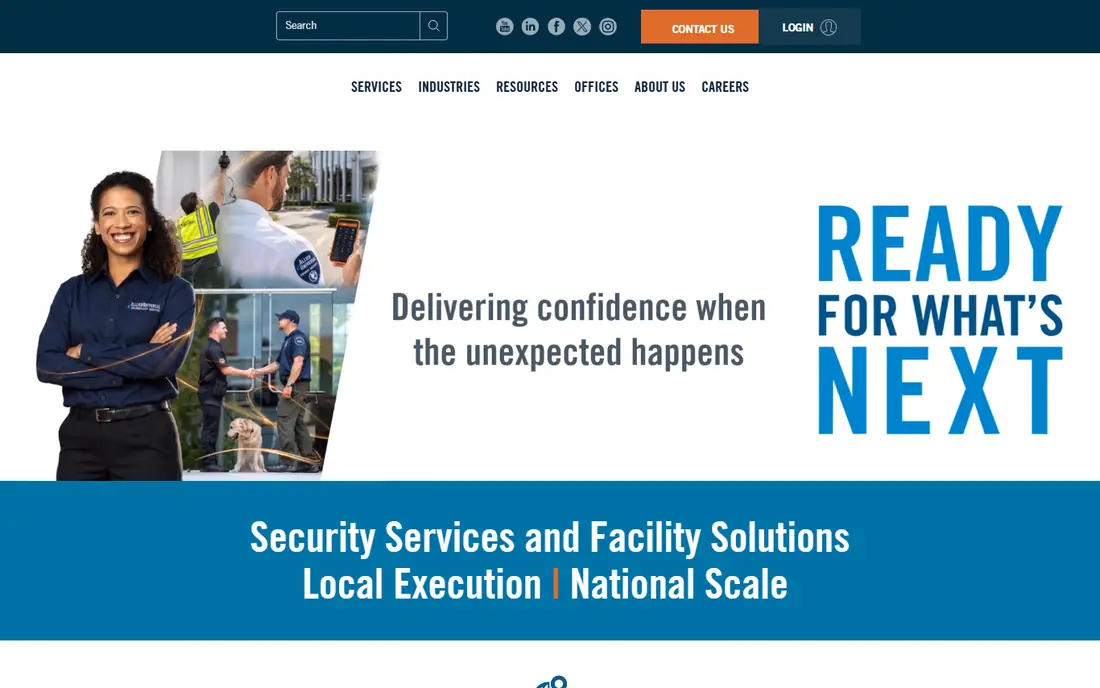
Allied Universal is the largest name on this list for US guarding work, and that scale is its main advantage for a job seeker. Postings cover healthcare, retail, manufacturing, data centers, distribution and corporate sites, so a move between industries does not always mean changing employers. Many listings describe paid training, retirement savings and medical, dental and vision cover for full-time roles, plus tools to view and claim extra shifts.
The catch is consistency. A post at a quiet corporate lobby and a post at a busy distribution site are different jobs in practice, even when the employer is the same. Read the schedule, the armed or unarmed status and the site type before you accept, and ask the recruiter what overtime and weekend cover look like at that specific location.
- Very large number of US sites
- Paid training described in postings
- Full-time benefits including medical, dental and vision
- Experience varies a lot by client site
- Some posts are part-time or flex only

Securitas presents its US work in six areas, including on-site, mobile and remote guarding, electronic security, fire and safety and corporate risk management. That structure can help if you want to move from a static post into mobile patrol, monitoring or a supervisor role without starting over with a new employer. Its size also means branches in many regions, which helps if you relocate within the country.
As with other large guarding firms, the day-to-day job is set by the client site and the local branch. Benefits and schedules are described as subject to eligibility in postings, so confirm full-time status and the exact rotation. People who prefer a predictable weekday post should filter for that early, rather than assuming every Securitas role works the same way.
- Clear guarding, mobile and remote guarding divisions
- Large US workforce
- Fire and safety work alongside guarding
- Shift patterns vary by branch
- Advancement depends on local openings
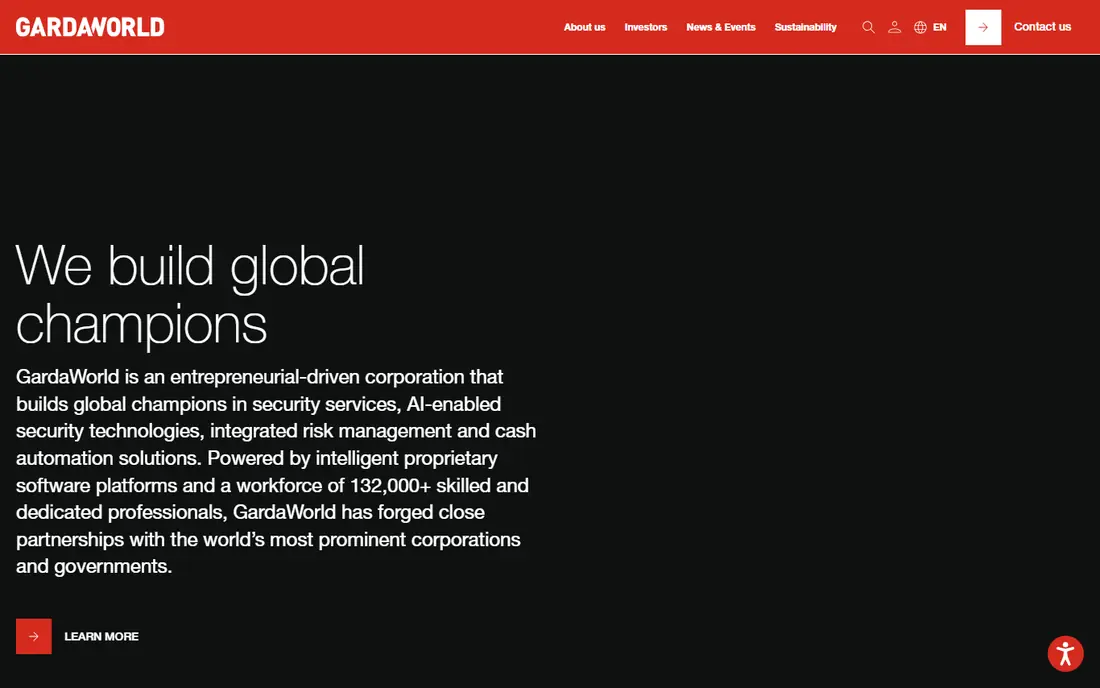
GardaWorld is a useful pick if you want to aim for armed work, cash services or airport-related assignments rather than general unarmed guarding alone. Recent postings have included armed tactical supervisors, surveillance officers, access control and concierge security, with full-time benefits such as medical, dental and vision cover described for eligible roles. The range shows why it appears on many shortlists for experienced officers.
General guarding posts will not all carry the same pay or hours as the specialist roles, so do not judge the company by one posting. Armed work brings background checks, firearms licensing and stricter screening, and schedules can include nights and weekends. If that trade suits you, GardaWorld gives you more specialist routes than a generalist-only employer.
- Strong cash services and armed roles
- Airport and high-profile site work
- Frequent openings in major cities
- Some general guarding posts pay at the lower end of local ranges
- Armed roles need extra licensing
ADT suits job seekers who would rather work with alarms, cameras and monitoring systems than stand a static post. Roles include installation, service, sales and monitoring center work, and the technical path can lead to senior technician or supervisor work for people who build product knowledge. It is also a recognizable name on a resume for anyone who later moves into electronic security.
The trade is that customer-facing technical work is scheduled around installations and service calls, not a single fixed post. Some roles involve on-call cover or weekend work, and sales roles carry targets that do not suit everyone. Check whether a role is field-based, center-based or sales-based before you compare it with a guarding job.
- Technology and monitoring focus
- Installer and technician career paths
- National brand recognition
- Field and call center roles can involve evenings and weekends
- Sales pressure in some roles
Pinkerton is best known for investigations, risk services and executive protection, which makes it a different fit from a general guarding employer. People with military, law enforcement or prior protection experience often find its assignments a better match than a standard site post. Corporate clients and varied assignments can also make the work less repetitive than a single fixed site.
That variety comes with less predictability. Some protection and investigation work is assignment-based, and hours can change with client needs. Applicants should expect stricter vetting and should ask how steady the work is in their city, rather than assuming a full-time pattern from the brand name alone.
- Long history in investigations and protective services
- Varied assignments
- Corporate client work
- Assignments can be irregular
- Experience requirements are higher for specialist roles
Brink's focuses on armored transport and cash management, so it fits people who want a defined crew role and route work rather than a building post. The company dates to 1859 and remains one of the best-known names in secure logistics, which gives the role a clear identity. For drivers and messengers who meet licensing and driving requirements, it is a specialist path with less direct competition from general guard applicants.
Route work is physical and schedule-driven, with early starts and time outdoors. Firearms and driving standards are strict, and a clean driving record matters. If you prefer indoor, fixed-hour work, a general guarding employer will suit you better, but if you want specialist transport work, Brink's is a strong first place to look.
- Specialized armored transport work
- Clear crew roles
- Long-established cash management business
- Driving and firearms requirements
- Early starts and route work
- Physical demands
Prosegur is a global security company with guarding, cash services and technology work, and it suits applicants who value an international employer or a mix of services. Its breadth means you may find guarding, monitoring or cash-related roles under one group, depending on the local operation. That can help if you want experience across more than one part of the security business.
In the US, coverage is not uniform in every city, so availability matters more than the global brand. Check local postings for the exact service line, because a Prosegur guarding role and a Prosegur cash role are different jobs. Ask about training, licensing support and shift patterns for the unit you would actually join.
- International footprint
- Guarding plus cash and technology services
- Varied client sectors
- US presence is smaller than the largest US-only firms in some regions
- Roles vary by local unit
Inter-Con Security focuses on corporate and government-related security services, and it suits officers who want a professional, client-facing post rather than high-volume general guarding. Its client mix can mean steadier, more formal sites, and supervisor roles exist for officers who build a record of reliable attendance and clear reporting. For people who take presentation and procedure seriously, that setting can be a good match.
The main limit is geography and vetting. Government-linked work often involves deeper background checks, and posts are not spread evenly across every town. If you live outside its core markets, Allied Universal or Securitas may offer more nearby openings, but Inter-Con is worth a direct check if it operates near you.
- Corporate and government client work
- Professional post standards
- Supervisor paths
- Vetting can be thorough
- Post availability is concentrated in certain markets
How we picked these
We compared official careers pages and job postings, public company descriptions and recent job listings for the factors a job seeker can verify: services offered, types of posts, training described in postings and benefits described for full-time roles. We did not use invented scores, salary figures or internal rankings, and we did not claim hands-on employment at these companies. Pay varies by site and state, so we point readers to the specific posting rather than publishing a single company-wide pay figure.
What to check before you accept a security job
Start with the license. Most states require a guard license, and armed roles require extra firearms licensing, background checks and, in many cases, a minimum age of 21. Ask who pays for training and licensing, how long approval takes and if training time is paid, because those answers change the real cost of starting.
Next, pin down the schedule in writing. Ask about the site, the shift rotation, weekend and holiday cover, overtime rules and whether the post is full-time, part-time or flex. A flex role can suit someone who wants extra shifts, but it is a poor fit if you need a fixed income. Also ask about uniforms, equipment and travel between sites, since those costs and duties vary.
Finally, look at the path beyond the first post. Ask what supervisor, mobile patrol, monitoring or specialist roles open up locally, and what training or tenure they require. A company with many sites near you is often more useful than a famous name with few local openings. If the recruiter cannot answer site-specific questions, treat that as useful information and keep looking.
Frequently asked questions
What is the best security company to work for?
There is no single best employer, because the best fit depends on the post type, city and schedule you need. Allied Universal and Securitas offer the most site choice in many US markets, while GardaWorld and Brink's suit armed and cash services specialists. Compare specific postings, not just brand names, before you decide.
Do I need experience to work for a security company?
Many unarmed posts accept applicants with a high school diploma or equivalent and no prior security experience, subject to background checks and state licensing. Armed, protection and investigation roles usually require prior experience, firearms licensing or a related background. The posting will state the minimum requirements for that role.
What is the best armed security company to work for?
GardaWorld and Brink's are strong starting points for armed work, because both run specialist armed and cash services operations. Allied Universal also posts many armed roles across the US. Armed work requires extra licensing and screening, and pay and schedules still vary by site, so check the exact armed posting in your state.
Do security companies pay for training?
Many large employers describe paid training in their postings, but the details vary by role and state. Ask whether training time is paid, who pays licensing fees and whether firearms training is included for armed roles. Get those answers before you resign from a current job.
Are security jobs full-time or part-time?
Both exist, and many large firms offer full-time, part-time and flex schedules. Full-time roles are more likely to include medical, dental, vision and retirement benefits, subject to eligibility. Flex roles can offer extra shifts, but hours may vary week to week.
How do I choose between guarding and a specialist role?
Guarding suits people who want a steady site post and regular hours. Specialist roles in cash services, investigations, protection or monitoring suit people with extra licensing or experience who accept less predictable schedules. Start with a general post if you are new, then move toward a specialist line once you hold the right license and record.
Sources
See where you really rank - block by block
ProMapRanker scans Google Maps across a grid of your service area. Simple monthly plans from $19, white-label on every plan.
Start freeKeep reading
 zscaler alternatives
Best Zscaler Alternatives in 2026
Looking for zscaler alternatives? We compare 9 SASE and zero trust platforms on architecture, data protection, pricing, and fit for your network and team.
Read → zapier alternatives free
Best Zapier Alternatives Free in 2026
Nine automation tools for zapier alternatives free in 2026, all with genuinely free tiers, plus free plan limits, starting prices and upgrade paths explained.
Read → which platform is best for online reputation
Which Platform Is Best for Online Reputation in 2026
Wondering which platform is best for online reputation? We compare 8 review, listing, and response tools for small and multi-location businesses and agencies.
Read →