 ProMapRanker
Best SaaS Development Company in 2026

Key takeaways
- Netguru and Cleveroad suit design led MVPs, while ScienceSoft and Intellectsoft suit regulated or enterprise SaaS builds.
- Simform and BairesDev suit teams that need to scale engineering capacity quickly, with cloud and AI work in the mix.
- Most firms quote by project, so compare a written estimate for the same scope, team, and timeline, not a headline hourly rate alone.
- Ask for live SaaS products the firm built, not only marketing sites, and check who owns the code and the product documentation.
- Start with a paid pilot or a defined MVP phase before signing a long term build contract.
Quick comparison
| Pick | Great for | Pricing starts at | Free tier | |
|---|---|---|---|---|
 ScienceSoft | Enterprise and regulated SaaS | See website | No | Visit |
 Intellectsoft | Enterprise SaaS with compliance needs | See website | No | Visit |
 Netguru | Design led SaaS MVPs | See website | No | Visit |
 Simform | Cloud native and AI SaaS builds | See website | No | Visit |
 BairesDev | Nearshore scaling teams | See website | No | Visit |
 Itransition | Enterprise migration and scale | See website | No | Visit |
 Cleveroad | Multi tenant SaaS for growing firms | See website | No | Visit |
 Eleks | Complex product engineering | See website | No | Visit |
 Railsware | Product led SaaS for funded teams | See website | No | Visit |
The best saas development companies
We compared official service pages, Clutch style hourly bands reported in public guides, and SaaS portfolio descriptions for firms serving US clients in October 2026. This is a guide based on publicly reported factors, not a verified ranking, and no scores or pay figures are claimed here. Hourly bands differ across guides, so use them only to shortlist, then get a written project estimate.
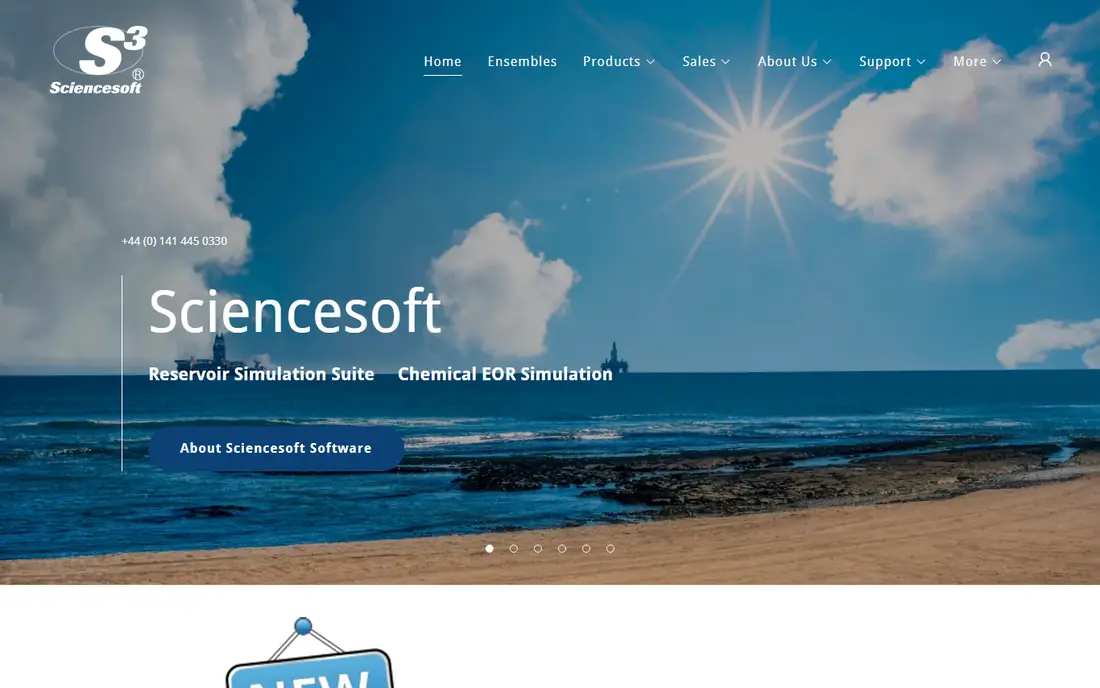
ScienceSoft suits a SaaS vendor that needs a new build, a multi tenant rework, or ongoing support from a large firm. Its public SaaS pages cover product design, development, cloud migration, and support, which helps when a platform must grow from a first release to a regulated enterprise product. A US office also gives US clients a local contact.
The catch is breadth. A firm that does many kinds of software work will assign different teams to different projects, so the match depends on who actually builds your product. Ask for the team leads, their SaaS experience, live product references, and a written plan for tenancy, billing, security, and data handling.
- Long history in software services
- SaaS development, cloud, and security services in one firm
- Experience in healthcare and finance
- Broad services firm, so confirm the assigned team and vertical
- Project pricing is quoted, not a simple list
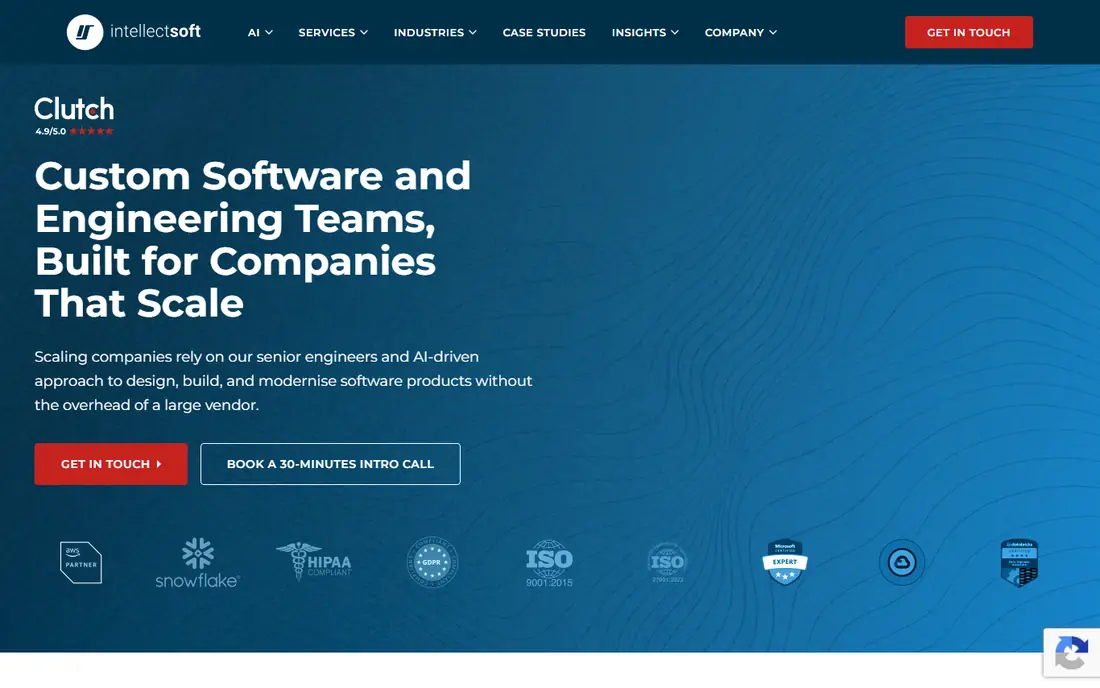
Intellectsoft is a strong choice for SaaS products that serve regulated industries, where audit trails, access controls, and integration with existing systems matter from day one. Its public material covers custom software, cloud, and digital transformation work, with teams organised for larger, longer projects.
The honest weakness is pace and price fit for a tiny MVP. An enterprise oriented firm may propose more process, documentation, and governance than a seed stage founder needs. If your goal is a fast test with real users, compare Intellectsoft with a smaller MVP specialist before committing to a large scope.
- Enterprise SaaS experience
- Compliance focus for healthcare and finance
- Complex integration experience
- Enterprise focus may mean slower iteration for a very early startup
- Pricing is quoted per project
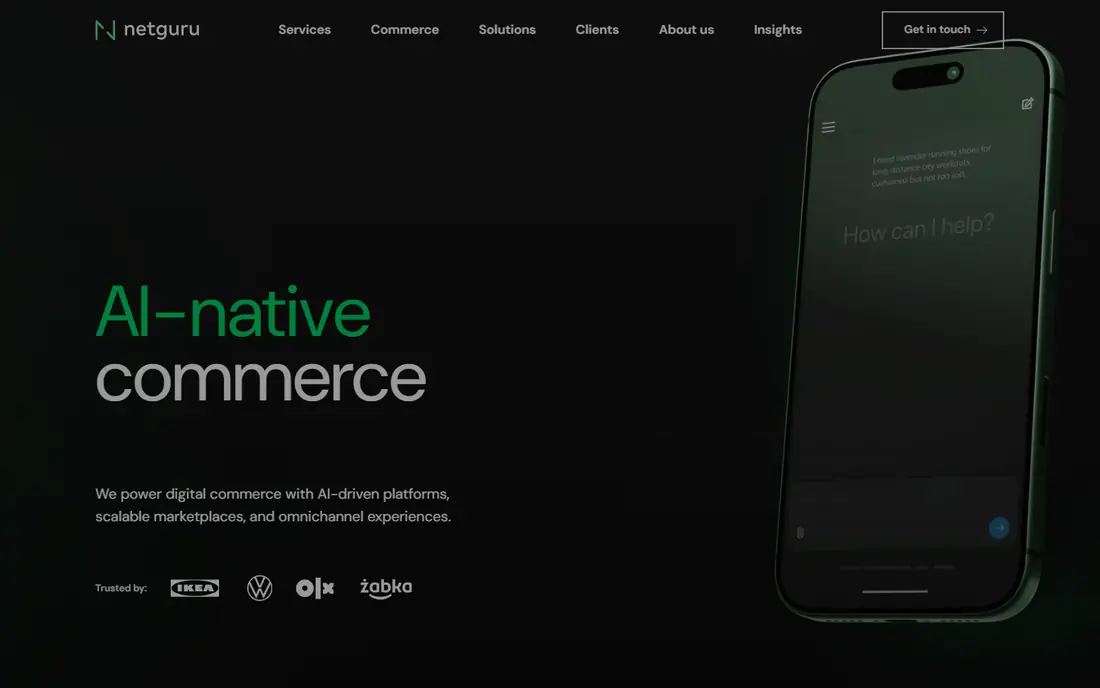
Netguru suits founders who need a polished MVP that can win early customers and investors, not only a working prototype. Its work covers product strategy, design, and development, with public guides reporting a focus on web and mobile SaaS products. That design strength helps when the first version must explain itself clearly to new users.
The trade off is time zone and cost. A Poland based team will have partial overlap with US working hours, so communication routines matter. Ask how overlap, product ownership, and design decisions will be handled, and get a fixed scope for the MVP phase with clear acceptance criteria.
- Strong product design alongside development
- Experience with SaaS and digital products
- Two week sprint style delivery described in public guides
- European time zones may reduce overlap with US teams
- Hourly band reported in public guides is mid to high for this list
Simform suits SaaS teams that need cloud native architecture and AI features built into the product, rather than added later. Its public pages cover custom software, cloud, and AI services, and public guides report a lower hourly band than some European agencies, which can help a growing team stretch its budget.
The catch is consistency across pods. Ask which engineers will work on your product, how knowledge is documented, and how code quality is reviewed. For AI features, ask how data is handled, how models are evaluated, and what happens when model outputs are wrong, because those answers affect product risk.
- Cloud native SaaS and AI work
- Large engineering capacity
- US presence alongside delivery teams
- Large team size means the assigned pod matters more than the brand
- Pricing is quoted per project
BairesDev suits US companies that need to scale engineering quickly with teams in nearby time zones. Its model covers staff augmentation and dedicated teams, which works when a company already has product leadership and needs senior engineers to build faster. Nearshore overlap also helps daily standups and faster feedback.
The limitation is that BairesDev is primarily a talent and team provider, not a full product agency for every client. If you need product strategy, design, and build in one package, confirm whether BairesDev will own those parts or whether you must supply them. Get role profiles, vetting steps, and replacement terms in writing.
- Large nearshore talent pool in Latin America
- Time zone overlap with US teams
- Staff augmentation and dedicated teams
- Staffing model means the client must manage product direction closely
- Pricing is quoted per team and role
Itransition suits companies modernising an existing platform or scaling a SaaS product beyond its first architecture. Its public pages cover software development, cloud, and enterprise solutions, which helps when a project involves legacy systems, data migration, and integration with other business tools.
The honest weakness is fit for a very early founder with no product yet. A migration and enterprise specialist may propose a heavier discovery and architecture phase than a simple MVP needs. Ask for a phased plan, with a small first phase that proves value before a larger rebuild is approved.
- Enterprise software and migration experience
- SaaS product development services
- Long operating history
- Enterprise focus may suit larger scopes better than a tiny MVP
- Pricing is quoted per project
Cleveroad suits growing firms building multi tenant SaaS for business users, such as project, legal, or operations platforms. Public guides report a lower hourly band and a track record with B2B SaaS, which can help a mid size company fund a full build without enterprise agency rates. Its service pages cover discovery, design, development, and support.
The catch is scope clarity. Multi tenant SaaS needs careful decisions on tenancy, roles, billing, and data isolation, and those decisions are expensive to change later. Ask for a written architecture note on those topics before coding starts, and confirm who owns product documentation and test coverage.
- Multi tenant SaaS experience for business platforms
- Web and mobile development
- US office alongside delivery teams
- Project pricing is quoted
- Confirm design capacity if your product needs heavy UX work
Eleks suits SaaS products with complex data, workflows, or integrations, where architecture quality matters more than speed to a demo. Its public pages cover product design, software engineering, and data science, which helps teams building analytics, logistics, or enterprise workflow platforms.
The trade off is process weight for simple products. A team building a straightforward subscription tool may not need the same depth of engineering review as a data heavy platform. Ask for a lean first phase, clear milestones, and a plan for handing the codebase to an in house team later if you plan to hire internally.
- Product engineering and data focused work
- Experience with complex enterprise products
- Design and development in one firm
- Complex product focus may be more than a simple MVP needs
- Pricing is quoted per project
Railsware suits funded teams that want a product studio to own design and build through launch. Its public work covers SaaS and fintech products, with a product led approach that ties design decisions to user needs rather than feature lists. That model helps when the product itself is the main selling point.
The limitation is cost and capacity. A product studio with senior designers and engineers will cost more than a staffing vendor, and capacity may be limited. Ask for the team, the sprint plan, the definition of done for each release, and the handover plan for code, design files, and documentation.
- Product studio model with design and engineering
- Experience with funded SaaS products
- Focus on usable, shippable products
- Hourly band reported in public guides is mid to high
- Smaller scale than the largest firms on this list
How we picked these
We compared firms that publicly offer SaaS development, serve US clients, and show live SaaS or business platform work on official pages or public guides. We included MVP specialists, enterprise firms, and scaling teams, because readers searching for the best SaaS development company may need any of those models, and we labelled the model in each profile. We left out firms whose main work is marketing sites, firms with no clear SaaS portfolio, and talent marketplaces with no project ownership.
We did not claim hands on use of each firm, and we did not invent hourly rates, project minimums, or ratings. Where public guides report hourly bands, we treated them as guides only, since actual project prices depend on scope, team, and duration. Get a written estimate, a scope document, and intellectual property terms before signing.
What to check before you hire a SaaS firm
Start with scope, ownership, and a pilot. Write a one page brief covering users, core workflows, billing model, tenancy needs, integrations, and success measures for the first release. Ask each firm for a written estimate against that same brief, a team list, a sprint plan, and terms covering code ownership, documentation, and handover.
Check multi tenant and billing decisions early, because they shape the whole product. Ask how tenants are separated, how roles and permissions work, how subscription billing and trials are handled, and how data can be exported. Also ask about security practices, testing, and support after launch, since a SaaS product needs ongoing work, not only a launch date.
Questions to ask in discovery
Ask for three live SaaS products the firm built, with permission to contact at least one client. Ask who will be your product owner on the vendor side, how changes are priced, and what happens if a milestone is missed. If a firm cannot show live SaaS work or will not put ownership terms in writing, keep looking.
Frequently asked questions
What are the best saas development companies?
The best firm depends on stage and model. Early founders often shortlist Netguru and Cleveroad for MVPs, growing teams often shortlist Simform and BairesDev for capacity, and regulated or enterprise teams often shortlist ScienceSoft and Intellectsoft.
What are the best companies for saas development for a startup MVP?
For an MVP, choose a firm with live SaaS MVP work, a fixed scope for the first phase, and a clear handover plan. Netguru, Cleveroad, and Railsware fit that pattern, while larger enterprise firms may suit a later, larger build better.
How much does SaaS development cost?
Costs vary widely by scope, team, and location, and public guides report broad hourly bands rather than fixed project prices. Ask for a written estimate for the same brief from each firm, and separate discovery, build, testing, and post launch support in the quote.
Should we hire a SaaS agency or build in house?
An agency suits a first product or a capacity gap, because it brings design, engineering, and delivery experience quickly. In house suits long term ownership once product market fit is clear, and many teams start with an agency for the MVP, then hire internally.
Who owns the code when an agency builds our SaaS?
Ownership must be stated in the contract, covering code, design files, documentation, and third party licences. Do not assume you own everything by default, and confirm repository access, handover, and licence terms before the build starts.
Sources
See where you really rank - block by block
ProMapRanker scans Google Maps across a grid of your service area. Simple monthly plans from $19, white-label on every plan.
Start freeKeep reading
 zscaler alternatives
Best Zscaler Alternatives in 2026
Looking for zscaler alternatives? We compare 9 SASE and zero trust platforms on architecture, data protection, pricing, and fit for your network and team.
Read → zapier alternatives free
Best Zapier Alternatives Free in 2026
Nine automation tools for zapier alternatives free in 2026, all with genuinely free tiers, plus free plan limits, starting prices and upgrade paths explained.
Read → which platform is best for online reputation
Which Platform Is Best for Online Reputation in 2026
Wondering which platform is best for online reputation? We compare 8 review, listing, and response tools for small and multi-location businesses and agencies.
Read →