 ProMapRanker
Best Root Cause Analysis Software in 2026

Key takeaways
- TapRooT and Causelink suit teams that want a taught method behind the software, not just a blank form for notes.
- ETQ Reliance, Intelex, Cority, and Benchmark Gensuite fit larger firms that need incident, audit, and corrective action work in one system.
- EasyRCA, SafetyCulture, and Cause Mapping suit smaller teams that need a clear, low-cost way to run a structured investigation.
- The best tool is the one your team will actually finish: a simple method used well beats a large system that nobody completes.
Quick comparison
| Pick | Great for | Pricing starts at | Free tier | |
|---|---|---|---|---|
 TapRooT | Structured incident investigation | See website | Free trial | Visit |
 Causelink | Evidence-based cause mapping | See website | Free trial | Visit |
 ETQ Reliance | Enterprise quality and safety | See website | No | Visit |
 Intelex | Large EHS programs | See website | No | Visit |
 Apollo Root Cause Analysis | Apollo method investigations | See website | Free trial | Visit |
 EasyRCA | Small teams and simple cases | See website | Free trial | Visit |
 Cority | EHS and quality at scale | See website | No | Visit |
 Benchmark Gensuite | EHS and operational risk | See website | No | Visit |
 SafetyCulture | Inspections plus simple investigations | See website | Yes | Visit |
 Cause Mapping | Visual cause maps for teams | See website | Free trial | Visit |
The best root cause analysis software
Root cause analysis software should help a team move from what happened to why it happened, and then to actions that stop it happening again. The tools below cover taught methods, enterprise EHS suites, and lighter options for smaller teams.
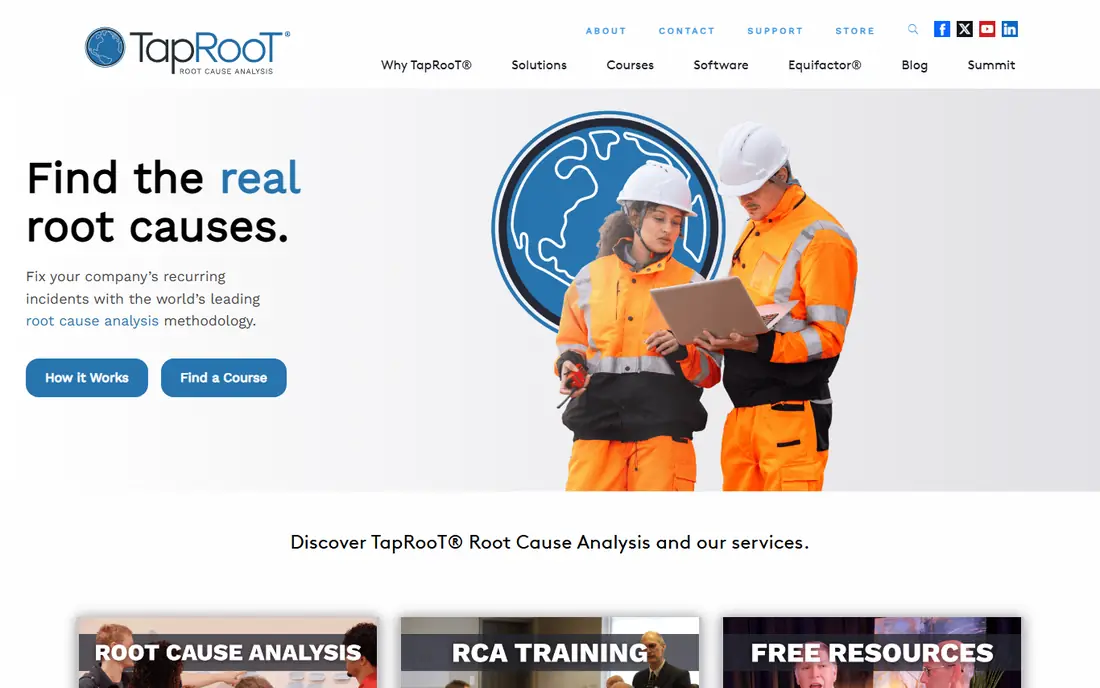
TapRooT pairs software with a defined investigation method, which helps teams avoid the common trap of stopping at the first obvious cause. Investigators build a timeline, map causal factors, and work through root cause categories, then link each finding to a corrective action. That structure helps when an incident will be reviewed by managers, regulators, or auditors.
The method takes training to use well, and teams that skip training may find the software formal at first. Pricing is not published as a simple monthly rate, so ask for a quote that covers users, training, and support. For safety, quality, and operations teams that investigate serious incidents, that structure is the point, and TapRooT delivers it more fully than a generic form tool.
- Taught TapRooT method with training
- Structured SnapCharT and causal factor tools
- Action tracking built in
- Learning curve for new investigators
- Pricing is quote based, so budgeting needs a sales call
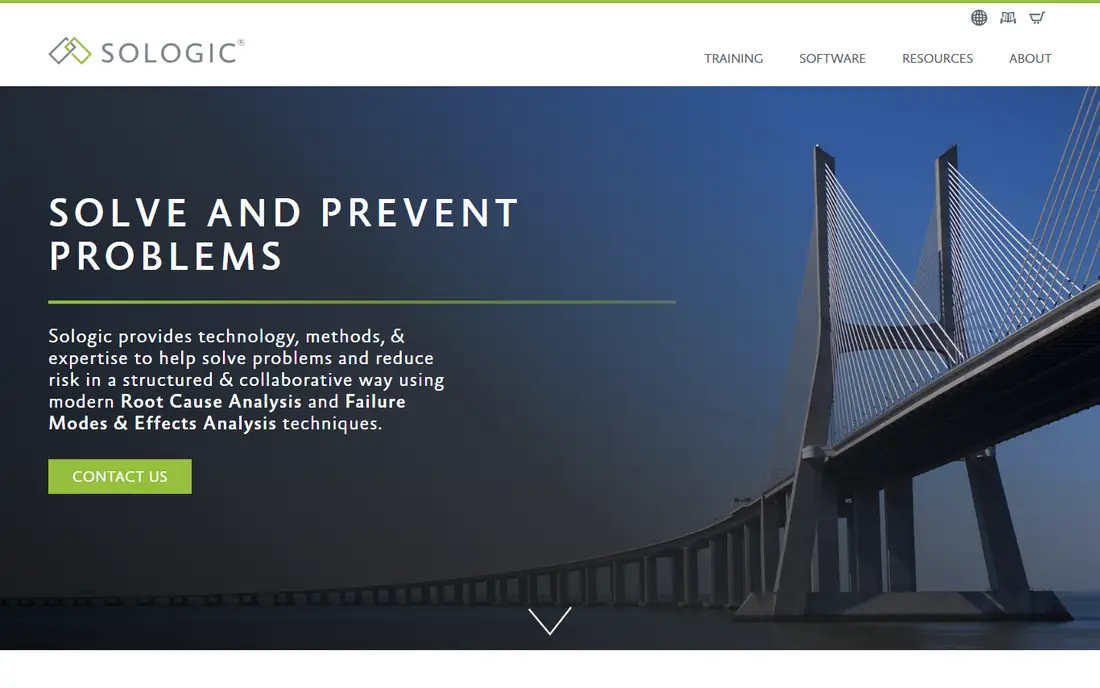
Causelink, from Sologic, centers on a visual cause and effect chart that the whole team can read. Each cause links to evidence, and the team can approve or challenge a cause as the investigation grows. That shared chart helps in meetings, since everyone sees how a cause connects to the event, rather than reading a long narrative alone.
The software also supports 5 Whys and fishbone diagrams, plus action tracking and reporting. It works best when a facilitator keeps the chart honest and evidence based. Teams that want a clear, shareable picture of an investigation, without a full enterprise EHS suite, will find Causelink a strong middle ground between a simple form and a large platform.
- Visual cause and effect charts
- Evidence linked to each cause
- 5 Whys and fishbone views
- Method discipline still needed from the team
- Enterprise pricing needs a quote for larger rollouts
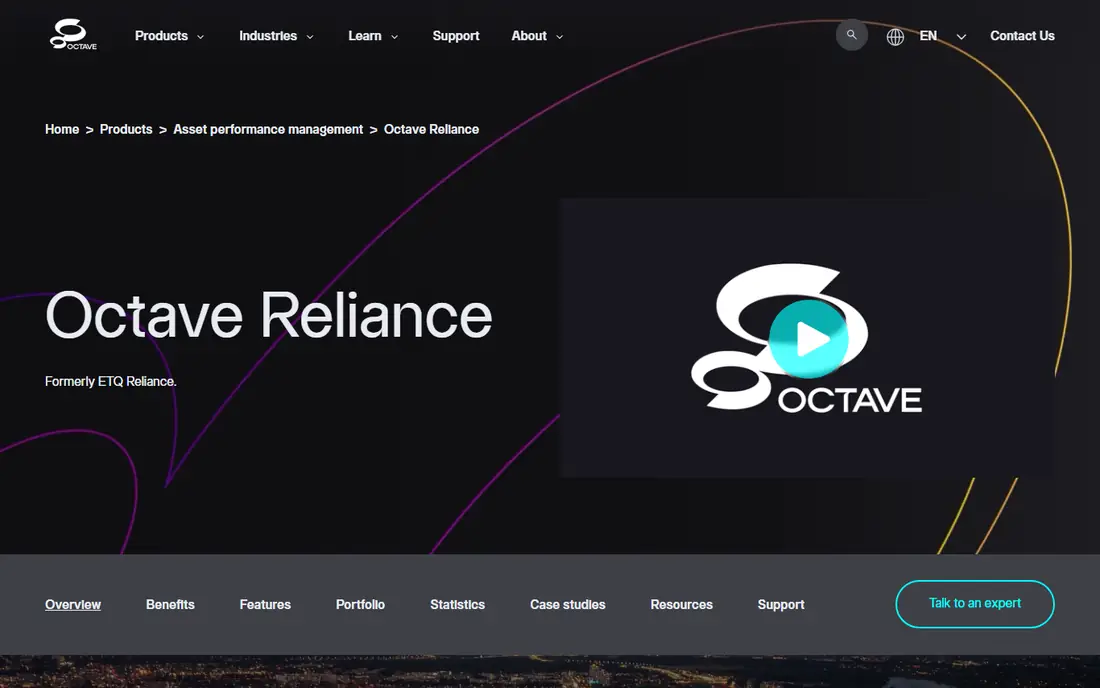
ETQ Reliance is an enterprise platform for quality, safety, and compliance, with root cause analysis sitting beside corrective and preventive action, audits, and document control. That breadth helps large firms that need one record for an incident, its investigation, its actions, and its audit trail. Workflows can be shaped to match company procedures and approval steps.
The trade-off is scale. Setup, configuration, and training take time, and the price reflects an enterprise system rather than a single-purpose tool. Smaller teams may find it heavy. For regulated firms that already need ETQ for quality or safety, adding root cause work inside the same system keeps records consistent and easier to audit.
- Broad quality and EHS modules
- Configurable workflows
- Audit and CAPA tracking
- Implementation can be long
- Overkill for a team that only runs a few investigations a year
Intelex covers incident management, audits, training, permits, and compliance, with root cause tools inside that wider EHS system. Large firms use it to standardize how sites report incidents, run investigations, and close corrective actions. Configurable workflows let each site follow the same core steps while keeping local details.
That flexibility comes with implementation work, and published guides often put large Intelex programs in a high annual range. Teams under a few hundred staff may find a lighter tool faster to adopt. For a multi-site firm that needs consistent EHS records across locations, Intelex gives a single system for the full cycle, from report to closed action.
- Wide EHS suite from incidents to permits
- Configurable investigation workflows
- Strong reporting
- Long implementation for large rollouts
- Cost and complexity suit larger firms best
Apollo Root Cause Analysis is built around the Apollo method, which asks investigators to define the problem, build a cause and effect chart, and link evidence to each cause before choosing solutions. The chart format is easy to explain to managers and frontline staff, which helps when a team must agree on what really caused an event.
Like TapRooT and Causelink, Apollo works best with some training and a facilitator who keeps the chart grounded in evidence. Without that discipline, any chart tool can drift into opinion. For teams that like a visual, teachable method and want software that matches the method step by step, Apollo is a focused and practical choice.
- Clear Apollo method with cause and effect charts
- Training and facilitation support
- Evidence focused
- Method training helps a lot, so casual users may underuse it
- Pricing is quote based
EasyRCA aims at teams that need structure without enterprise weight. It guides an investigation through problem definition, causes, and actions, with templates that keep a small team on track. Setup is faster than with a large EHS suite, and the price fits a small safety or quality team.
Complex incidents with many sites, regulators, and long action lists may outgrow it, and integration options are narrower than in enterprise platforms. For a small firm, a single site, or a team running its first formal investigations, EasyRCA gives enough method to be credible without asking the team to learn a large system first.
- Simple, guided investigation flow
- Lower cost than enterprise suites
- Quick to start
- Less depth for complex, multi-site incidents
- Fewer enterprise integrations
Cority is an EHS and quality platform used by larger firms to manage incidents, audits, inspections, and corrective actions in one place. Root cause work sits inside that record, so an investigation links to the original incident, the actions that follow, and later audits that check whether the fix held. Analytics across sites help leaders spot repeat patterns.
Cority is an enterprise purchase, with setup and admin time to match. A small team will find it heavy and costly. For a firm with many sites and a need for consistent EHSQ reporting, Cority keeps investigation data in the same system as the rest of safety and quality work, which cuts duplicate entry and lost follow-ups.
- Broad EHSQ platform
- Incident, audit, and action modules
- Analytics across sites
- Enterprise pricing and setup
- Needs admin time to configure well
Benchmark Gensuite covers EHS, risk, and operational compliance, with incident reporting, investigation, and corrective action tools inside the suite. Frontline staff can report from mobile devices, which helps firms that need fast, consistent reporting from the field. Managers can then track investigations and actions to closure.
The breadth that helps large firms also means onboarding takes time, and smaller teams may use only a fraction of the modules. Pricing is quote based, so budget planning needs a sales conversation. For firms that already need a broad EHS platform, Benchmark Gensuite gives root cause work a proper home inside that system, rather than in a separate spreadsheet or form.
- Wide EHS and risk modules
- Mobile reporting for frontline staff
- Action tracking
- Broad scope means longer onboarding
- Pricing is quote based
SafetyCulture is best known for inspections, checklists, and audits, and it also handles basic incident reporting and simple investigations. Teams that already use it for daily safety checks can log an incident, add a simple 5 Whys view, and assign actions without a second system. The mobile experience is a real strength for field teams.
For a serious, multi-cause incident, SafetyCulture is thinner than TapRooT, Causelink, or Apollo, since it lacks their structured method depth. Use it when most events are simple and the priority is fast reporting and follow-up. For high-consequence incidents, pair it with a dedicated RCA method, or move that case to a dedicated tool.
- Easy inspections and checklists
- Mobile friendly
- Free tier for small teams
- Investigation tools are simpler than dedicated RCA software
- Per-user cost grows at scale
Cause Mapping, from ThinkReliability, turns an investigation into a visual map that shows how causes connect to the problem. Teams build the map together, test each link against evidence, and then choose solutions that break the chain. The visual format works well in workshops and in reports for people who were not in the room.
The tool follows its own method closely, so teams that want a different method may prefer a more general platform. It also lacks the broad EHS modules of Intelex or Cority. For a team that wants a clear, teachable way to map causes and agree on fixes, Cause Mapping is a focused choice that keeps the investigation visible and easy to challenge.
- Clear visual cause maps
- Method training from ThinkReliability
- Good for team workshops
- Software is tied to the Cause Mapping method
- Larger enterprise features are limited
How we picked these
We compared official product pages, method guides, and pricing pages, and we favored tools that are still offered in October 2026 and that truly support root cause work, not just incident forms. We kept a mix of method-led tools, enterprise EHS suites, and lighter options, so small firms and large firms can both find a fit. We did not claim hands-on testing that did not happen. Instead we weighed method depth, evidence handling, action tracking, reporting, and price transparency, and we marked quote-based pricing as See website where no public rate could be verified.
How to choose the right root cause tool
Start with the incidents you actually investigate. A near miss on one site needs a different tool than a serious injury across several sites with regulator interest. Match the method to the risk: simple 5 Whys work for simple events, while a visual cause map or a taught method fits events with several contributing causes. Check that the tool forces evidence for each cause, since an investigation without evidence is just a story.
Actions, owners, and follow-up
A good tool tracks actions to closure, with an owner and a due date for each fix. Ask how it handles overdue actions, repeat incidents, and checks that a fix actually worked. If actions live in email or a separate spreadsheet, they get lost. The tools on this list differ here: enterprise suites track actions across sites, while lighter tools suit a single team that meets weekly to review open items.
Reporting and audit needs
If managers, auditors, or regulators will read the report, pick a tool that exports a clear, dated report with the timeline, evidence, causes, and actions in one place. Check access controls too, since incident records often hold sensitive personal or safety details. A tool that looks simple in a demo may still need careful permission settings before it holds real incident data.
Frequently asked questions
What is the best tool for root cause analysis?
There is no single best tool for every team. TapRooT and Causelink suit teams that want a taught, evidence-based method, while ETQ Reliance and Intelex suit large firms that need RCA inside a wider EHS system. Small teams often do well with EasyRCA, SafetyCulture, or Cause Mapping. Pick by incident complexity, team size, and audit needs, not by feature count alone.
What are the best root cause analysis tools for manufacturing?
Manufacturing teams often pick TapRooT, Causelink, or Apollo for shop-floor incidents, since their visual methods work well in team reviews. Larger plants may add ETQ Reliance, Intelex, Cority, or Benchmark Gensuite to link investigations with audits and corrective actions. Start with one method, train the team, and keep the software consistent across sites.
Is 5 Whys enough for root cause analysis?
5 Whys helps for simple, single-chain problems, but it can miss parallel causes and system factors in complex incidents. Visual cause maps and structured methods handle those cases better, since they show several causes feeding one event. Use 5 Whys as a first pass, then move to a fuller method when the event is serious or the causes are unclear.
How much does root cause analysis software cost?
Costs range widely. Lighter tools may charge per user per year at a modest rate, while enterprise EHS suites are quote based and can run far higher once implementation and training are included. Several vendors on this list do not publish a simple monthly rate, so we list those as See website. Ask for a quote that includes users, training, support, and any implementation fees.
Do these tools replace investigator training?
No. Software records and structures an investigation, but it cannot judge evidence or challenge a weak cause on its own. Method training, a facilitator for serious cases, and a review step before actions close all matter more than the tool itself. The strongest results come from a trained team using a consistent method in software the whole team can read.
Can small businesses use root cause analysis software?
Yes. EasyRCA, SafetyCulture, and Cause Mapping are built for smaller teams, and SafetyCulture offers a free tier for basic use. Start with one template and one owner for follow-up actions, and keep investigations short and evidence based. A small team gains the most from consistency: the same steps, the same report format, and actions that are actually closed.
Sources
See where you really rank - block by block
ProMapRanker scans Google Maps across a grid of your service area. Simple monthly plans from $19, white-label on every plan.
Start freeKeep reading
 zoro.to alternatives
Best Zoro.to Alternatives in 2026
We compare the best zoro.to alternatives in 2026, listing only legal licensed anime streaming services, from Crunchyroll to free options for fans today.
Read → zip alternatives
Best Zip Alternatives in 2026
We compare the best zip alternatives for buy now, pay later in 2026, covering pay-in-4 plans, fees, spending limits, and credit reporting options today.
Read → yesware alternatives
Best Yesware Alternatives in 2026
Compare the best yesware alternatives for sales email tracking, templates, and sequences, with current pricing and honest tradeoffs for small sales teams.
Read →