 ProMapRanker
Best-Reviewed Medical Device Testing Companies in 2026


Global device testing and certification · Pricing starts at: See website
Key takeaways
- Intertek, SGS, TUV SUD, BSI and UL Solutions offer the broadest global testing and certification coverage for medical devices.
- Specialist labs such as NAMSA and Nelson Labs focus deeply on biocompatibility, microbiology and sterility testing.
- Testing and certification support market access, but no testing company can guarantee a regulatory approval outcome.
- Lab accreditation, device scope and turnaround time matter more than brand size alone, so match the lab to your device type.
Quick comparison
| Pick | Great for | Pricing starts at | Free tier | |
|---|---|---|---|---|
| Intertek | Global device testing and certification | See website | No | Visit |
 SGS | ISO 13485 and global market access | See website | No | Visit |
 TUV SUD | EU MDR and device certification | See website | No | Visit |
 BSI | Notified body and standards expertise | See website | No | Visit |
 UL Solutions | Safety, EMC and biocompatibility testing | See website | No | Visit |
 Eurofins | Analytical and microbiology testing | See website | No | Visit |
 Element | Materials and product testing | See website | No | Visit |
 NAMSA | Biocompatibility and preclinical testing | See website | No | Visit |
 Nelson Labs | Microbiology and sterility testing | See website | No | Visit |
The best-reviewed medical device testing companies
We compared testing firms on lab scope, accreditation, regulatory services, global reach and device specialisms, using official service pages and industry coverage. This guide gives general information only, and testing results do not guarantee approval by any regulator.
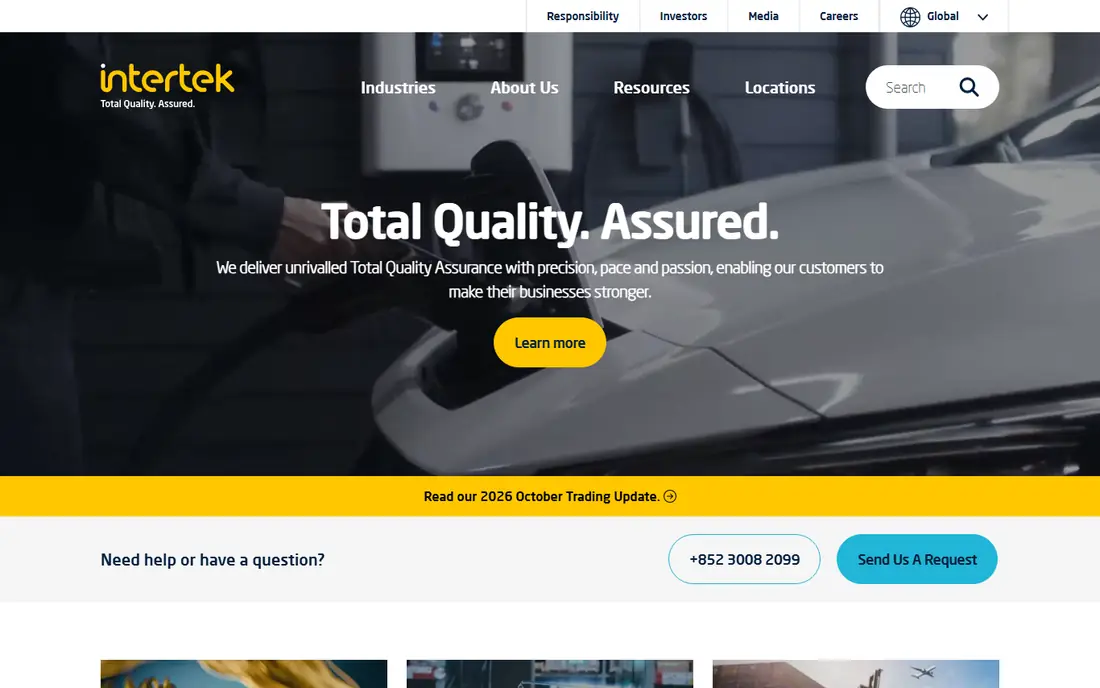
Intertek offers medical device testing across safety, electromagnetic compatibility, performance and biocompatibility, alongside management system certification and notified body services. Its global lab network suits manufacturers selling into several markets at once, since testing and certification needs can be coordinated across regions. Intertek also supports manufacturing investigations and recall-related analysis.
A structural point matters for planning. Intertek states that the legal entities providing certification and notified body services do not provide consulting, and clients of its consulting entities are not eligible for those certification services. That separation protects impartiality, but it means you should decide early whether you need testing, consulting or certification from Intertek.
- Wide device testing scope
- ISO 13485 and notified body services through separate legal entities
- Global lab network
- Certification and consulting are kept separate by design, so scope your project carefully
- Quoted pricing only
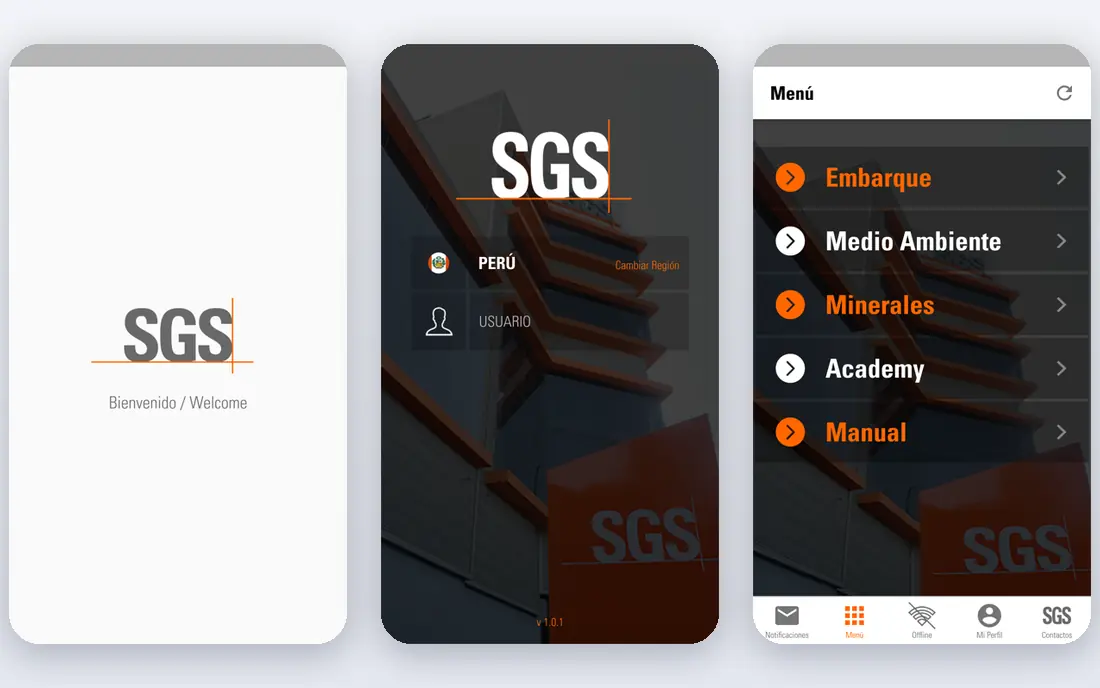
SGS describes itself as the world's leading testing, inspection and certification company, with thousands of offices and laboratories worldwide. For medical devices, it offers ISO 13485 certification, MDSAP audits, EU MDR and IVDR conformity assessment, UKCA services, device testing and training. That breadth helps a manufacturer that needs one partner across quality, testing and market access.
The trade-off is local variation. SGS operates through country entities with different accredited scopes, so confirm that the entity you engage covers your device type and target markets. Start with a proposal request that lists device class, markets and standards, since pricing and timelines follow from that scope.
- Very large global lab and office network
- ISO 13485 certification
- MDSAP, EU MDR and IVDR support
- Service scope varies by country entity
- Quoted pricing and proposal process take time
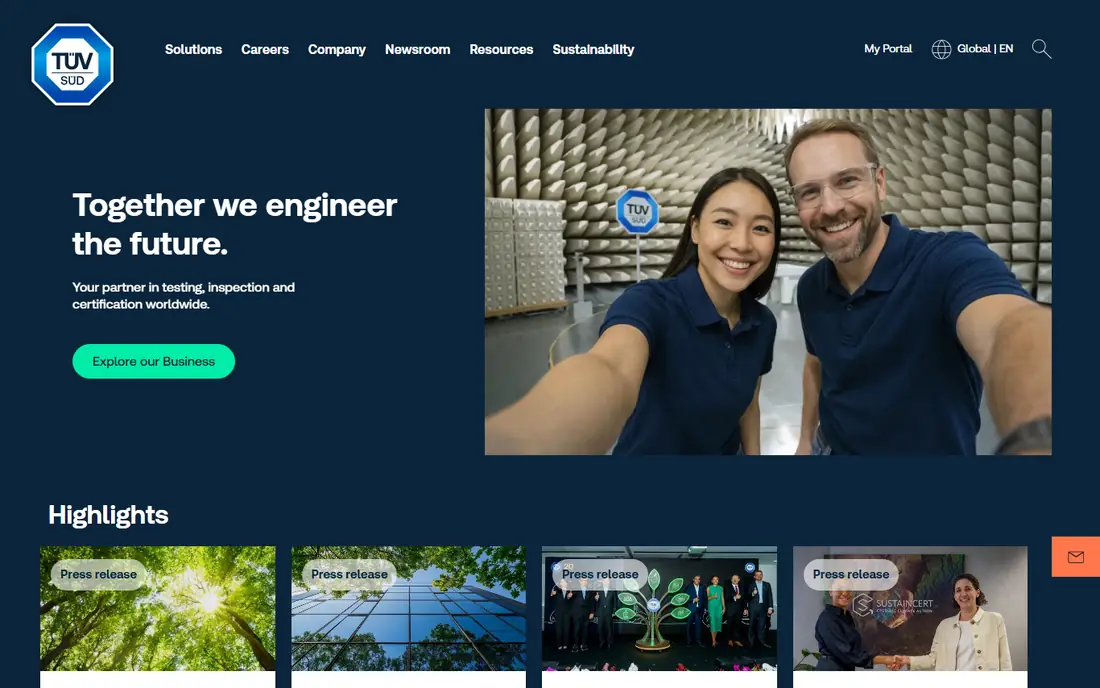
TUV SUD is a leading choice for manufacturers targeting Europe. It provides medical device quality management auditing to ISO 13485, MDSAP audits, and conformity assessment under EU MDR and IVDR, alongside testing for electrical safety, biological safety and cybersecurity. That combination suits a device maker that needs certification and testing aligned to European rules.
For markets outside Europe, check coverage early. TUV SUD has global operations, but some local registrations still need regional partners or additional testing. Ask for a market-by-market plan that names the standards and reports each regulator will expect.
- Strong EU MDR and IVDR expertise
- ISO 13485 and MDSAP auditing
- Testing for safety, biology and cybersecurity
- EU-focused strength may need partners for some non-EU markets
- Quoted pricing only
BSI, the British Standards Institution, combines standards expertise with notified body services for medical devices and in vitro diagnostics. Manufacturers value its regulatory depth and its role in shaping standards, which helps when a device sits near a boundary between classifications or rules. BSI also supports UKCA marking and other market access routes.
Notified body timelines are a real planning factor across the industry, and BSI is no exception. Engage early, confirm the scope and classification for your device, and allow time for technical documentation review. A clear regulatory strategy before testing saves rework later.
- Notified body services for EU MDR and IVDR
- Deep standards background
- UKCA and global market support
- Notified body capacity and timelines vary
- Quoted pricing with scope-based proposals
UL Solutions offers performance, safety, electromagnetic compatibility and biocompatibility testing for medical devices, alongside certification to global standards. Its safety and EMC labs are well known, and its certification marks carry recognition in many markets. For a device with electrical or software components, that depth is valuable.
UL Solutions is a testing and certification partner, not a guarantee of market approval. Regulators still review submissions on their own terms, and a test pass in one area does not settle clinical or quality questions elsewhere. Use UL testing as part of a wider regulatory plan, not as a shortcut.
- Safety and EMC testing depth
- Biocompatibility and performance testing
- Global certification recognition
- Medical device regulatory consulting is separate from testing scope
- Pricing is quoted per project
Eurofins provides medical device testing across analytical chemistry, microbiology, biocompatibility, packaging and electrical and mechanical testing through its global facilities. Its labs operate under GMP, GLP and ISO standards, which suits manufacturers that need defensible data for regulatory submissions. The network size helps when a project needs several test types at once.
With a network that large, lab selection matters. Confirm that the lab assigned to your project holds the right accreditation for your test methods and device type, and ask for turnaround times in writing. A single point of contact helps when tests span chemistry, microbiology and packaging.
- Extensive analytical chemistry and microbiology labs
- Biocompatibility and packaging testing
- GMP and GLP compliant facilities
- Network breadth means you must confirm the right lab for your device
- Quoted pricing only
Element Materials Technology specialises in materials and product testing, with medical device work covering mechanical, corrosion, microbiological and EMC and safety evaluations. That materials focus suits device makers working with metals, polymers or coatings where failure analysis and durability data matter. Its global labs support manufacturers across regions.
Element is a testing partner first, rather than a full notified body for every market. If you need EU conformity assessment or FDA submission support, pair Element testing with a notified body or regulatory adviser. That pairing is common and often gives you the best lab for each test type.
- Materials, mechanical and corrosion testing depth
- Microbiology and EMC and safety testing
- Global lab network
- Medical device regulatory services are narrower than the largest certification bodies
- Quoted pricing
NAMSA is a specialist medical device testing organisation with a long history in the field. It offers biocompatibility, microbiological, sterility and analytical chemistry testing in its own labs, with GLP-compliant work accepted by global regulators. For a device maker facing biocompatibility questions, that depth is a strong reason to shortlist NAMSA.
Its specialist scope is also its limit. NAMSA does not replace a notified body or a full regulatory consultancy for every market, so plan for partners where certification or submission strategy is needed. Early consultation on test plans can prevent repeat testing when standards or endpoints change.
- Long history in medical device testing since 1967
- Biocompatibility, microbiology, sterility and chemistry labs
- GLP-compliant testing
- Specialist focus means broader certification needs may require other partners
- Quoted pricing
Nelson Labs focuses on microbiology, sterility assurance, biocompatibility and related laboratory services for medical devices and combination products. Its validation work covers sterilisation, packaging and microbial limits, which are central to many device submissions. Manufacturers often use Nelson Labs alongside a broader testing partner for electrical or software work.
As with other specialist labs, scope your project by test type. Confirm methods, sample needs and turnaround times before shipping products, since microbiology timelines can affect launch plans. A clear test plan agreed upfront avoids delays and repeat runs.
- Microbiology, sterility and biocompatibility testing depth
- Validation and laboratory services
- Global lab locations
- Focused lab scope
- Regulatory submission support needs separate advisers
How we picked these
We compared official service pages, accreditation and scope descriptions, and industry coverage of medical device testing firms. We favoured firms live in October 2026 with real medical device labs and regulatory services, and we kept both broad certification bodies and specialist labs because device projects usually need both. We did not claim that any firm guarantees approval, and we did not invent turnaround times or prices.
How to choose a testing partner
Start with your device and markets. List the device class, materials, electrical or software elements, sterilisation method and target markets, then ask each lab which tests and certifications it covers for that exact profile. A lab that excels at biocompatibility may not be the right lab for EMC, and a notified body for Europe is not the same as a US testing lab.
Next, check accreditation and sample needs. Ask for the lab's ISO 17025 scope for your test methods, sample quantities, handling rules and turnaround times. Confirm how reports are formatted for regulators, and whether the lab supports retesting or failure investigation if a result is unexpected. These practical details affect both cost and timeline.
Finally, plan the regulatory path alongside testing. Testing supports a submission, but regulators decide approval on the full file, including clinical, quality and labelling evidence. Engage a regulatory adviser early, keep test plans aligned to the submission strategy, and never promise customers or investors an approval date based on a testing booking alone.
Frequently asked questions
What does a medical device testing company do?
It tests devices for safety, performance, biocompatibility, microbiology, sterility and electromagnetic compatibility, and some firms also provide certification and audit services. Results support regulatory submissions, but regulators make the final market decision.
Does passing testing guarantee FDA or EU approval?
No. Testing is one part of a submission that also covers quality systems, clinical evidence, labelling and risk management. No testing company can guarantee an approval outcome, and any such promise should be treated with care.
How much does medical device testing cost?
Pricing is quoted per project based on device type, test methods, sample numbers and markets. Request a written proposal that lists each test, standard, sample need and turnaround time before committing.
What is ISO 13485 certification?
ISO 13485 is the quality management standard for medical devices, covering design, production, installation and servicing. Certification shows an independent assessment of the quality system, but it is not itself a product approval.
How long does device testing take?
Timelines vary by test type, sample availability and lab capacity, from weeks for standard tests to months for longer biocompatibility or sterilisation studies. Ask for a dated plan with milestones, and allow time for repeat testing if results require it.
Should I use one lab or several?
Many manufacturers use a broad certification body plus specialist labs for biocompatibility or microbiology. Choose the best lab for each test type, and keep one partner or adviser coordinating the overall regulatory plan.
Sources
See where you really rank - block by block
ProMapRanker scans Google Maps across a grid of your service area. Simple monthly plans from $19, white-label on every plan.
Start freeKeep reading
 worlds best local seo company
8 Worlds Best Local SEO Companies for Map Pack Growth in 2026
Compare the worlds best local seo company options for Google Business Profile work, citations, reviews, and multi-location rankings and reporting in 2026.
Read → world's best web hosting company
World's Best Web Hosting Company in 2026
Searching for the world's best web hosting company? We compared 10 hosts on price, renewal rates, speed, and support to help you choose well today in 2026.
Read → who's got the best nanny tax services
Who's Got the Best Nanny Tax Services in 2026
We answer who's got the best nanny tax services, comparing full filing, back taxes, software, and pricing so families can handle nanny taxes correctly.
Read →