 ProMapRanker
Best Remote Customer Service Jobs in 2026

Key takeaways
- Amazon and Apple run the largest structured remote support programs, with set shifts, paid training and company equipment in many roles.
- American Express and Concentrix suit people who want full-time employee roles with benefits, rather than gig-style flexibility.
- Liveops and Working Solutions suit people who need self-scheduled blocks, but they work as independent contractor programs, not employee jobs.
- TTEC, Alorica and Foundever hire at scale for client programs, so the day-to-day work depends heavily on the client you are assigned to.
- No listing here promises pay or hiring. Check the live posting for your state, schedule and pay before you apply, and never pay to apply.
Quick comparison
| Pick | Great for | Pricing starts at | Free tier | |
|---|---|---|---|---|
 Amazon | Structured employee roles at scale | See website | No | Visit |
 Apple At Home | Tech support with paid training | See website | No | Visit |
 American Express | Full-time service careers with benefits | See website | No | Visit |
 Concentrix | Large employer with varied client work | See website | No | Visit |
 TTEC | Flexible employee roles across industries | See website | No | Visit |
 Liveops | Self-scheduled contractor work | See website | No | Visit |
 Working Solutions | Short-block contractor work | See website | No | Visit |
 Alorica | Entry-level remote support roles | See website | No | Visit |
 Foundever | Global client service programs | See website | No | Visit |
The best remote customer service jobs
These are employers and programs with real remote customer service work, not job boards or courses. We compared the work model, the kind of support involved and what applicants should confirm first.
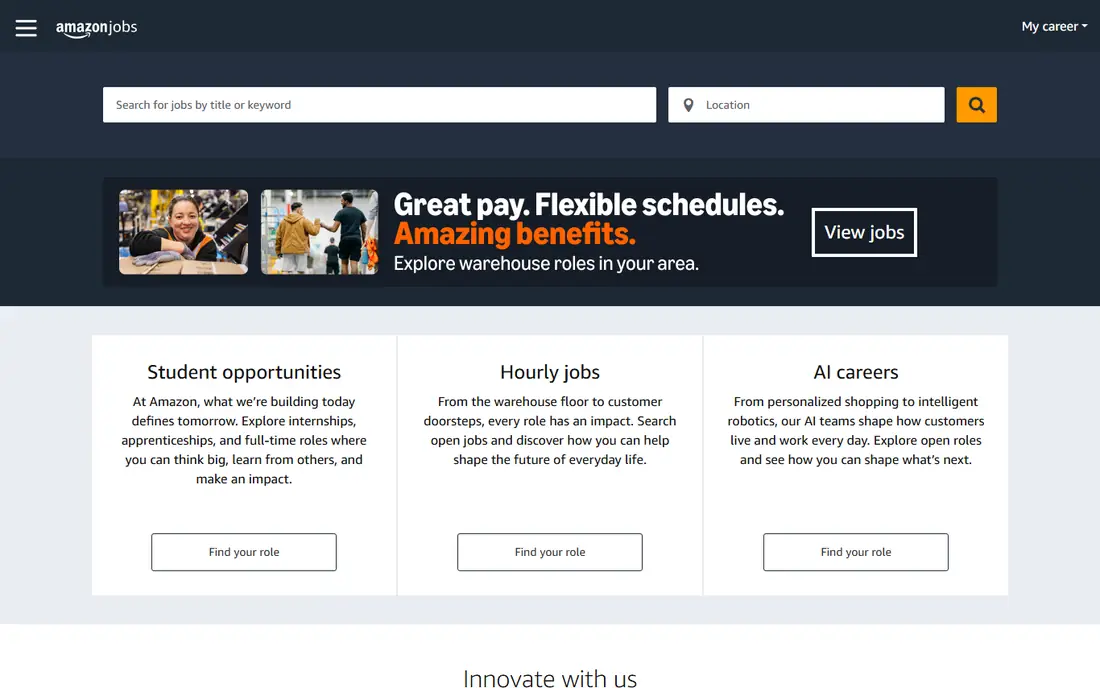
Amazon hires Virtual Customer Service Associates for phone, chat and email support, and the role is the clearest starting point for someone who wants an employee job rather than contract work. Openings are tied to specific states, and the posting states the schedule, location rules and internet requirements, so two Amazon listings can look quite different. Training is paid, and the work is metric-driven, which suits people who are comfortable with clear targets and repeatable processes.
The trade-off is flexibility. Shifts can include evenings, weekends and holidays, and a quiet dedicated workspace is usually required. We would start here if steady hours matter more than choosing your own schedule, and we would read the state eligibility list before spending time on an application.
- Large hiring volume
- Paid training
- Equipment and shift options vary by role
- Set schedules with limited flexibility
- State eligibility varies by posting
Apple At Home Advisors support Apple customers by phone, chat and email, with a focus on product questions and troubleshooting. The program is known for structured training and for supplying equipment such as a computer and headset in many roles, which removes one common home-office cost. It fits people who already like Apple products and enjoy walking a customer through a fix step by step.
The catch is that this is technical support, not general chat work. Callers may be frustrated, and advisors need to stay patient while following diagnostic steps. If you prefer simple order questions, a general retail program may be a better fit than Apple.
- Paid training
- Company equipment in many roles
- Strong product support focus
- Fixed schedules
- Technical troubleshooting is central to the work
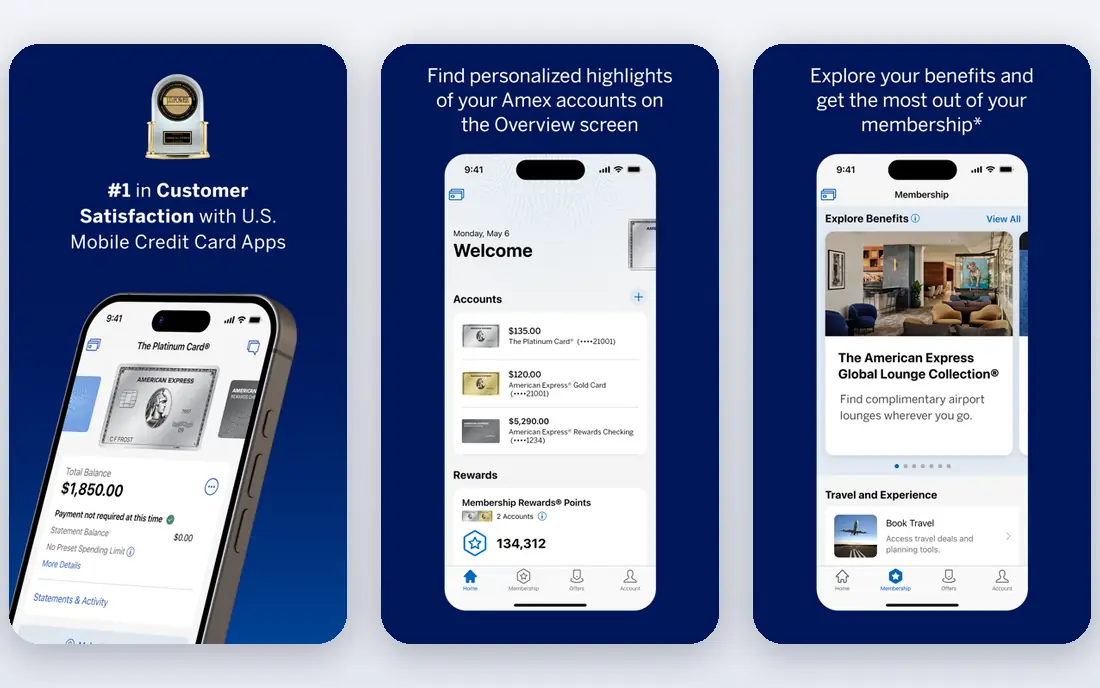
American Express hires remote customer care professionals to help card members with accounts, payments, disputes and travel bookings. This is a career-style option rather than a short-term gig, and the company is known for benefits and internal development paths. The work suits people who can handle financial conversations calmly and explain account details clearly.
Expect a fuller hiring process than a high-volume call center, and expect set shifts rather than self-scheduling. That structure is a plus for people who want predictable income and benefits, and a drawback for anyone who needs to pick up work in short, irregular blocks.
- Full-time employee roles
- Benefits package
- Travel and account support work
- Hiring is more selective
- Schedules are structured
Concentrix is one of the largest customer experience employers, and its remote roles cover retail, technology, health care and financial clients. That variety is useful if your first program ends or you want to move into a different industry without changing employers. Training is provided, and many roles are full-time employee positions with benefits that depend on the specific posting.
The honest weakness is consistency. Your manager, tools, schedule and difficulty level depend on the client program you join, so reviews of Concentrix as a whole tell you less than the details in one posting. Read the client type, shift pattern and pay terms for the exact role before you judge it.
- Many client programs
- Remote roles across industries
- Training provided
- Experience varies by client
- Pay and schedules vary by program
TTEC hires remote customer service associates for brands in technology, health care, retail and financial services, with work across phone, chat and email. The company offers both full-time and part-time employee roles in many programs, which makes it a practical middle ground between a single-brand job and contractor work. Coaching and training are part of the model, which helps new agents settle in.
Seasonal demand is the main risk. Some programs grow quickly for peak periods and then shrink, so a role that looks full-time in November may not stay that way. Confirm whether the posting is permanent, seasonal or temporary, and check the schedule pattern before you accept.
- Remote and hybrid roles
- Varied schedules
- Training and coaching support
- Client programs differ widely
- Some roles are seasonal
Liveops is a contractor platform, not an employer in the usual sense. Agents register as independent contractors, complete client certification, and then choose blocks of time to work on programs such as insurance, retail and health care support. That control is the whole appeal for parents, students and people with a second job, since you can work around other commitments.
The trade-off is real. Contractors handle their own taxes, do not receive employee benefits from Liveops, and may find that popular blocks fill fast. Pay is set per program and is shown before you commit to blocks, so check the rate and the certification time required before you count on a program.
- Choose your own blocks
- Work with multiple client programs
- No set employer schedule
- Independent contractor model
- No employee benefits
- Income depends on block availability
Working Solutions also uses an independent contractor model, with agents supporting clients in retail, travel, health care and other fields. Its scheduling in short blocks appeals to people who want to fit work around caregiving or study, and the client mix means you are not tied to one brand for years. Applications go through assessments and client-specific training.
Contractor status again shapes the experience. There are no employee benefits, and income depends on how many blocks you take and whether programs stay active. Treat this as flexible extra work or a bridge role, and keep a second income option open until you know how steady a program is.
- Short scheduling blocks
- Varied client work
- Contractor flexibility
- Contractor status
- Work availability varies
- Unpaid training time for some programs
Alorica hires remote customer service representatives for clients across telecom, retail, health care and financial services. Entry-level applicants get a realistic route in, and training covers the tools and scripts for the assigned program. For someone starting out, that combination of access and structure is useful, and remote roles remove commuting costs.
The work itself is high volume. Expect back-to-back contacts, strict handling times and evening or weekend shifts on many programs. People who want slow, deep problem solving may find it draining, while people who like a clear routine and a steady pace may settle in well.
- Entry-level openings
- Remote roles in many states
- Training provided
- High-volume work
- Schedules can include nights and weekends
Foundever, formerly Sitel, runs customer experience programs for brands around the world, including remote roles in the United States. Multilingual candidates have an extra edge here, since language programs are a large part of its work. The company offers employee roles with training, and the client range spans technology, retail, travel and financial services.
As with other large outsourcers, the posting matters more than the brand name. Language needs, hours, pay and equipment rules change by program, so compare two Foundever listings side by side rather than assuming they match. That extra check is worth it when the same employer can offer both a calm daytime program and a busy night-shift one.
- Large global employer
- Multilingual roles
- Varied client industries
- Program details vary widely
- Shift patterns depend on the client
How we picked these
We compared official careers pages, program descriptions and public hiring information for employers with ongoing remote customer service work in the United States. We favored employers over job boards, courses and lead-generation sites, and we left out any program that charges applicants a fee to apply. We did not claim hands-on testing, since these are jobs, not software we can trial, and we treated pay figures from third-party roundups as unverified, which is why most entries say See website.
What to check before you apply
Start with the work model, because it shapes everything else. Employee roles usually bring benefits, taxes handled by the employer and set schedules, while contractor programs bring flexibility and self-employment taxes with no benefits. Decide which trade-off fits your life before you fall for a brand name, and ask whether a role is permanent, seasonal or temporary.
Next, check eligibility and equipment in the live posting. Some programs hire only in listed states, require a wired internet connection and a quiet room, or supply equipment while others expect you to provide it. Confirm the schedule pattern, including nights, weekends and holidays, and confirm whether training is paid and how long it lasts.
Finally, protect yourself from scams. A real employer will not ask you to pay for equipment, training or a background check up front, and will not send you a check to buy gear and wire back the difference. Apply only through the official careers site linked here, and be wary of recruiters who contact you through messaging apps about a job you never applied for. This article is general information about job options, not a promise of hiring or pay.
Frequently asked questions
What are the best customer service remote jobs for beginners?
Amazon, Alorica, Concentrix and TTEC are practical starting points, since they hire at volume and provide training. Beginners should still check the exact posting, because client programs, schedules and state eligibility differ within the same company.
What are the best customer service jobs from home with flexible hours?
Liveops and Working Solutions offer the most schedule control, because contractors choose blocks rather than working a fixed employer shift. The trade-off is contractor status, variable availability and no employee benefits, so flexible hours do not mean guaranteed income.
Are remote customer service jobs real employee jobs or contract work?
Both exist. Amazon, Apple, American Express and most outsourcer roles are employee jobs, while Liveops and Working Solutions are contractor programs. The posting should state the model clearly, and you should confirm tax and benefits treatment before you start.
Do I need experience for the best remote customer service jobs?
Many entry-level programs accept applicants without prior support experience, as long as you pass assessments and training. Technical roles at Apple and financial roles at American Express favor applicants who can explain products and handle detailed questions calmly.
How do I avoid remote job scams?
Apply through the official careers site, never pay to apply, and refuse any request to buy equipment with a check you are told to cash. Check that the recruiter uses a company domain, and verify the posting on the employer site before sharing bank details or personal documents.
Sources
See where you really rank - block by block
ProMapRanker scans Google Maps across a grid of your service area. Simple monthly plans from $19, white-label on every plan.
Start freeKeep reading
 zscaler alternatives
Best Zscaler Alternatives in 2026
Looking for zscaler alternatives? We compare 9 SASE and zero trust platforms on architecture, data protection, pricing, and fit for your network and team.
Read → zapier alternatives free
Best Zapier Alternatives Free in 2026
Nine automation tools for zapier alternatives free in 2026, all with genuinely free tiers, plus free plan limits, starting prices and upgrade paths explained.
Read → which platform is best for online reputation
Which Platform Is Best for Online Reputation in 2026
Wondering which platform is best for online reputation? We compare 8 review, listing, and response tools for small and multi-location businesses and agencies.
Read →