 ProMapRanker
Best Remote Companies to Work in 2026

Key takeaways
- GitLab and Automattic stand out for written, async-first cultures that were built for remote work from the start, not added later.
- Buffer, Doist, and Basecamp suit people who prefer smaller teams, fewer meetings, and a slower, more deliberate pace.
- Zapier, Toptal, and Atlassian offer more scale and variety, but hiring is competitive and role availability changes often.
- A remote job still needs boundaries, good internet, and comfort with written communication, even when the company is fully distributed.
- Always check the current careers page before applying, since locations, benefits, and open roles vary by country and team.
Quick comparison
| Pick | Great for | Pricing starts at | Free tier | |
|---|---|---|---|---|
 GitLab | Transparent, async-first work | See website | No | Visit |
 Automattic | Open-source products and flexible schedules | See website | No | Visit |
 Buffer | Small-team, values-led work | See website | No | Visit |
 Doist | Calm, focused product teams | See website | No | Visit |
 Zapier | Automation and customer-focused roles | See website | No | Visit |
 Basecamp | Simple tools and fewer meetings | See website | No | Visit |
 Toptal | Freelance work with vetted clients | See website | No | Visit |
 Atlassian | Large-company remote careers | See website | No | Visit |
 Ghost | Small, independent publishing team | See website | No | Visit |
The best remote companies to work for in 2026
We looked for companies where remote work is the normal way of working, not a temporary perk. The nine below run distributed teams, publish clear guidance about how they work, and hire for roles that can genuinely be done from home.
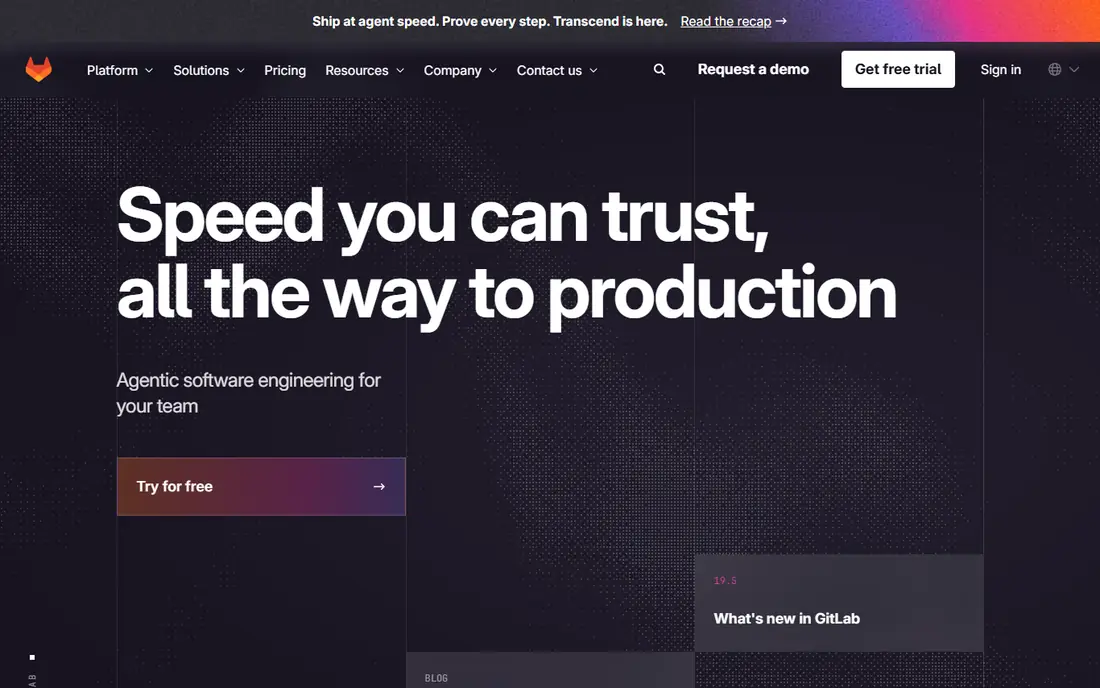
GitLab is often the first name people mention when they talk about the best remote companies to work for, and the reason is simple: it was built without offices. Work is documented in a public handbook, so candidates can read how meetings, reviews, and promotions work before they apply. That openness helps people decide whether the style fits them.
The trade-off is that written communication does most of the work here. If you prefer quick hallway chats or same-day answers on every question, the async rhythm can feel slow at first. For people who write clearly and manage their own time well, though, it can be a strong match.
- Fully remote from the start
- Public handbook explains how work gets done
- Roles across many countries
- Heavy reliance on written updates
- Time zone spread can slow quick decisions
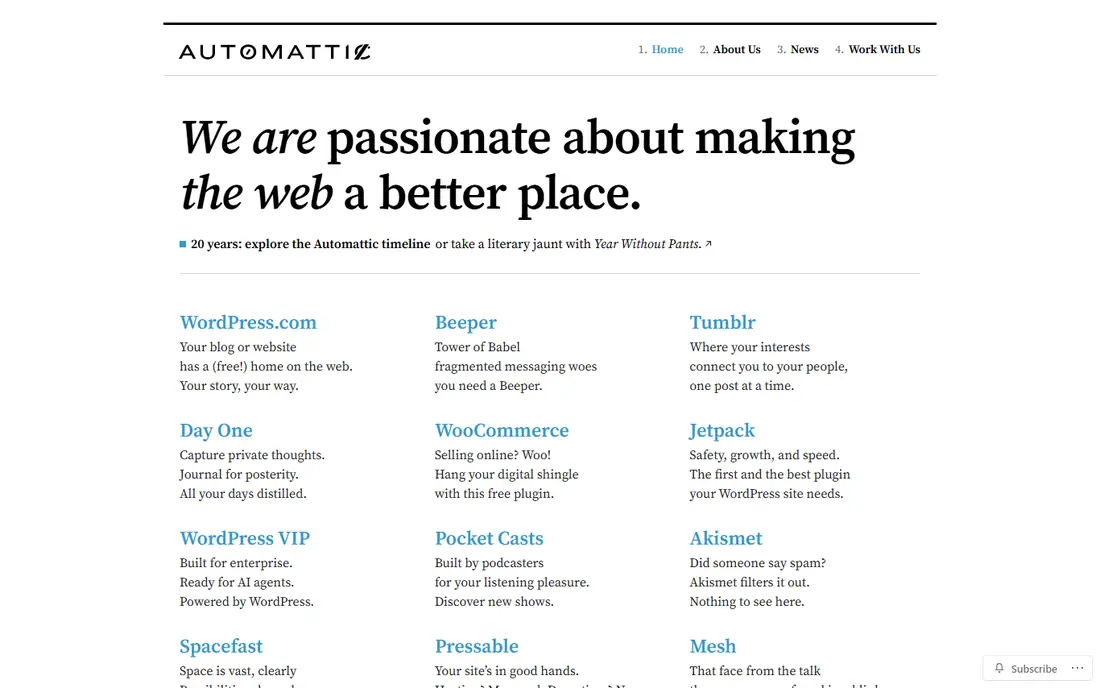
Automattic is the company behind WordPress.com, WooCommerce, and several other well-known products. It has employed distributed teams for many years, and its people work from many countries. Roles span engineering, design, support, marketing, and product work, so it is not only a fit for developers.
Candidates should expect a careful hiring process, often with a trial project. That pace can frustrate people who want a fast answer. On the other hand, it gives both sides a realistic view of the work before anyone commits.
- Maker of WordPress.com and related products
- Long history of distributed work
- Varied roles beyond engineering
- Hiring process can be long
- Async work needs strong self-direction
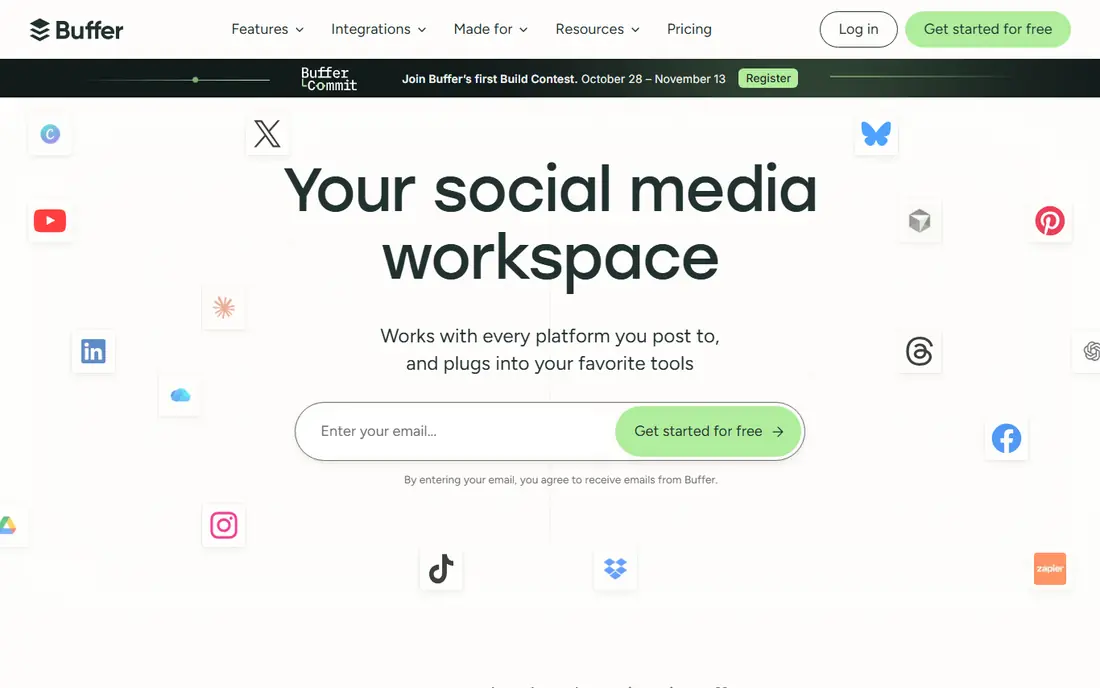
Buffer builds tools for planning and publishing social media posts, and it has been fully remote for years. The company is known for writing openly about its values, its pay approach, and how it works. For job seekers who want a smaller team where their work is visible, that openness is a real draw.
The smaller size cuts both ways. Open roles appear less often than at a large employer, and a role change may mean waiting for a new opening. Still, for people who value a calm, transparent workplace over rapid scale, Buffer deserves a close look.
- Fully remote team
- Open approach to pay and culture
- Social media products with a clear focus
- Smaller company, so fewer open roles
- Growth paths can be narrower than at large firms
Doist makes Todoist, a popular task manager, and Twist, a team communication tool built around threaded, async discussion. The company keeps its team small and its product list short, which shapes the workday: fewer projects competing for attention, and more time spent on depth rather than volume.
That focus will appeal to people who like craft and clarity. It will frustrate people who want frequent internal moves or a wide range of teams to join. If you apply, read about Twist and Todoist first, since the products explain a lot about how the company thinks.
- Maker of Todoist and Twist
- Deliberate, async-first culture
- Small, focused team
- Few products means fewer team types
- Hiring is selective and infrequent
Zapier connects apps so routine work can run on its own, and the company itself has been remote since it started. Its team spans many countries, and roles cover engineering, design, marketing, sales, and customer support. For job seekers, that range is useful: there are more entry points than at a single-product startup.
Scale brings its own friction. A large distributed team still needs handovers, documentation, and patience when colleagues are asleep. People who do well here tend to be comfortable writing status updates and picking work back up without a meeting to restart it.
- Fully remote since founding
- Wide range of roles
- Profit sharing has been part of its approach
- Large remote team still needs coordination across time zones
- Support roles can be demanding
Basecamp, the company behind the project tool of the same name and the HEY email service, has argued for years that work should be calmer, with fewer meetings and clearer priorities. Its team is small, and many people stay for a long time. That stability is part of the appeal for candidates who are tired of constant reorganisation.
The honest catch is scarcity. With a small team, openings are rare, and the company is open about its particular way of working. If you like that way, it can be an excellent fit. If you want fast growth or frequent role changes, a larger employer may suit you better.
- Maker of Basecamp and HEY
- Strong views on calm work
- Small team with long tenure
- Very few openings
- Strong opinions on work style may not suit everyone
Toptal is not a traditional employer. It is a network that connects vetted freelance talent with clients, mainly in software development, design, and finance. For experienced freelancers, that distinction matters: you get client access and project variety, but you do not get a standard employee package.
The screening process is known to be strict, and many applicants do not get through. Freelance income also rises and falls with project flow. Even so, for people who already work independently and want better clients, Toptal is one of the best-known routes into remote project work.
- Access to client projects in software, design, and finance
- Remote by design
- Flexible project choice
- Screening is strict
- Freelance work means income varies and benefits differ from employment
Atlassian makes Jira, Confluence, and Trello, and its Team Anywhere approach lets many employees work remotely from countries where it has a legal presence. That gives candidates a useful middle ground: the scale, pay structure, and career paths of a large company, with remote work as a normal option rather than an exception.
The limit is eligibility. Not every role or country qualifies, so a job title alone does not guarantee remote work. Check the location listed on each posting, and ask early in the process about where the role can be based. For people who want a large employer without relocating, it is still one of the strongest options here.
- Maker of Jira, Confluence, and Trello
- Team Anywhere approach
- Many roles and locations
- Large-company process can feel slow
- Remote eligibility depends on country and role
Ghost builds open-source software for independent publishing and newsletters. The team stays deliberately small, which keeps decisions short and product focus clear. Remote work is central to how it operates, and the company publishes openly about its hiring, including trial projects for many roles.
As with Basecamp and Doist, the main drawback is rarity. A small team hires slowly, and roles cover a narrow set of needs. Still, if you care about independent publishing and prefer a small team to a large one, Ghost is worth watching, even if you wait for the right opening.
- Independent publishing platform
- Deliberately small team
- Remote work is central to how it operates
- Very small team with rare openings
- Limited role variety
How we picked these
We compared official careers pages, company handbooks, and public descriptions of how each company works, along with pricing and product pages where relevant and public reviews of remote culture. We favoured companies where remote work is structural, meaning the company is organised around distributed teams, rather than companies that simply allow occasional work from home. We did not claim hands-on testing, and we did not treat a single job posting as proof that every role is remote.
Role availability, pay, and benefits vary by country, team, and seniority, so treat this list as a starting point for research, not a promise of an opening. Read the handbook or careers page for any company that interests you, and confirm location eligibility before you spend time on an application.
What to check before you apply for a remote role
Location and legal eligibility
Many remote companies hire only in countries where they have a legal entity or a contractor arrangement. A role may be listed as remote but still limited to certain regions. Confirm this on the posting before applying, and ask the recruiter if it is unclear.
How the team actually communicates
Ask how decisions are made, how often meetings happen, and what a normal week looks like. Companies that rely on written updates suit people who write clearly and work independently. Companies with heavy meeting loads suit people who prefer live discussion, but they can be harder across time zones.
Pay, benefits, and time off
Remote pay often varies by location, and benefits such as health cover, parental leave, and home-office support differ widely. Compare the full package, not just the headline salary. Also check time-off norms, since a company can offer generous leave that its culture quietly discourages.
Your own setup and boundaries
Remote work rewards a reliable connection, a quiet workspace, and a clear end to the workday. Before you apply, think honestly about whether async work, written feedback, and limited face-to-face contact suit you. The best remote companies to work for are the ones whose daily rhythm matches yours.
Frequently asked questions
What are the best remote companies to work for remotely in 2026?
GitLab, Automattic, Zapier, and Atlassian are strong starting points because remote work is built into how they operate. Smaller options such as Buffer, Doist, Basecamp, and Ghost suit people who prefer small teams. The best choice depends on your role, location, and preferred work style.
What are the best companies with remote jobs for non-technical roles?
Automattic, Zapier, Buffer, and Atlassian all hire beyond engineering, including support, marketing, design, and operations. Check each careers page and filter by team, since the mix changes as hiring needs change. Support and operations roles are often the most accessible entry points.
Are the best companies to work remote fully remote, or hybrid?
It varies. GitLab, Automattic, Buffer, Doist, Zapier, and Ghost are remote-first or fully distributed. Atlassian allows remote work for many roles but still has offices and location rules. Always read the individual posting, since company policy and role eligibility are not always the same thing.
Do the best remote work companies pay the same everywhere?
Usually not. Many companies adjust pay by location, cost of living, or local market rates, while others use a single global band. GitLab has published location-based pay guidance in the past, which shows how much this can vary. Ask about the pay range for your location early in the process.
How do I get hired by a company like GitLab or Automattic?
Read the public handbook or blog first, then tailor your application to the role and the way the company works. Show written communication skill in your application, since async teams judge that early. Expect trial projects or longer processes at several of these companies, and treat that as part of the assessment.
Is Toptal a good option if I want the best company to work for remotely as a freelancer?
Toptal can be a good option for experienced freelancers who want vetted clients and remote projects. It is not employment, though, so benefits, taxes, and income stability work differently. It suits people who already manage their own business and want stronger client flow.
Sources
See where you really rank - block by block
ProMapRanker scans Google Maps across a grid of your service area. Simple monthly plans from $19, white-label on every plan.
Start freeKeep reading
 youtube alternatives
Best YouTube Alternatives in 2026
Looking for youtube alternatives in 2026? We compare Vimeo, Dailymotion, Twitch, Rumble, and more on price, audience, monetization, control and privacy.
Read → what's the best ai tool for photo editing
What Is the Best AI Tool for Photo Editing in 2026
What is the best AI tool for photo editing? We compare ten tools for 2026, from Photoshop and Lightroom to Luminar, Topaz, Canva and mobile editors today.
Read → twitter alternatives
Best Twitter Alternatives in 2026
Compare the best twitter alternatives for 2026, from Bluesky, Threads, and Mastodon to Reddit, Tumblr, and Micro.blog, with free plans and audience notes.
Read →