 ProMapRanker
Best Referral Program Software Platforms in 2026


Shopify and ecommerce stores · Pricing starts at: $39 per month
Key takeaways
- ReferralCandy is the simplest starting point for Shopify stores, with a $39 per month entry plan plus a success fee on referred sales.
- FirstPromoter and Referral Factory suit software and service teams better, because they are built around subscriptions, leads and signups rather than store orders alone.
- Flat monthly pricing can beat a success fee once referral volume grows, so compare both models on your own expected order count before you commit.
- Fraud checks, clear reward rules and a working link or code for every customer matter more than a long feature list.
Quick comparison
| Pick | Great for | Pricing starts at | Free tier | |
|---|---|---|---|---|
| ReferralCandy | Shopify and ecommerce stores | $39 per month | Free trial | Visit |
 Referral Rock | Service firms and B2B teams | See website | Free trial | Visit |
 FirstPromoter | SaaS and subscription firms | $49 per month | Free trial | Visit |
 Referral Factory | Small teams launching fast | $95 per month | Free trial | Visit |
 GrowSurf | SaaS teams with developer help | See website | Free trial | Visit |
 Friendbuy | Larger retail and ecommerce brands | See website | No | Visit |
 Talkable | Enterprise ecommerce testing | See website | No | Visit |
 LoyaltyLion | Shopify loyalty plus referrals | $199 per month | No | Visit |
The best referral program software platforms
We looked at official pricing pages, feature pages and public program examples to compare how each platform tracks a referral, issues a reward and handles fraud. The list below covers store, software and service use cases.
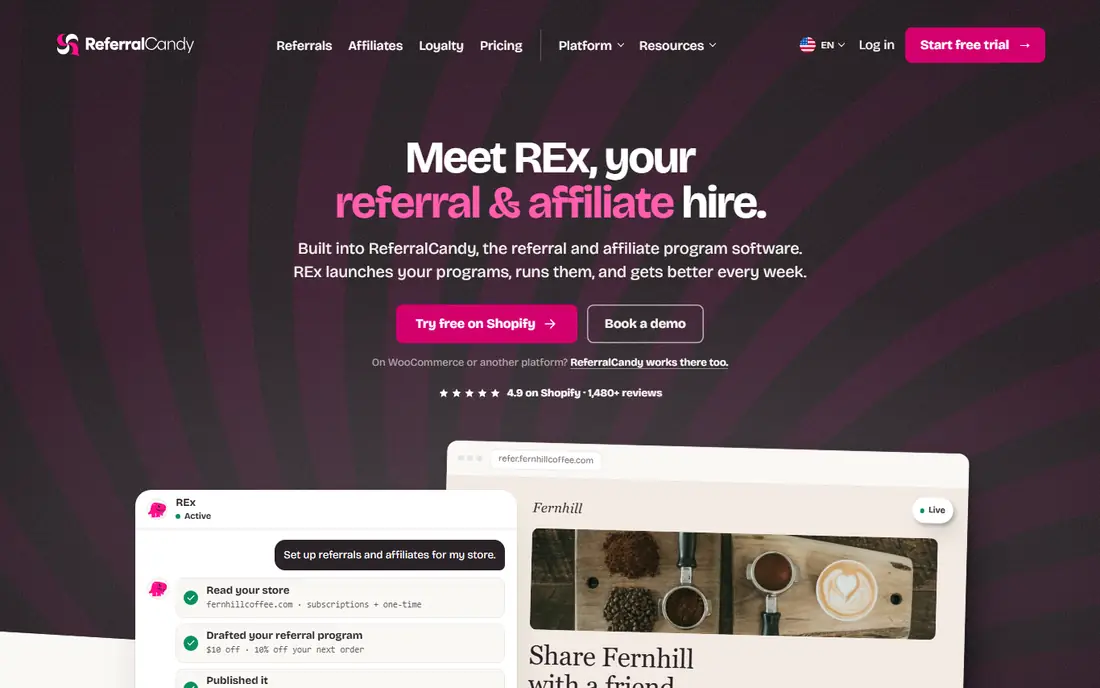
ReferralCandy gives a store a ready-made path from purchase to referral. A customer gets a personal link or code, shares it with a friend, and the friend gets a discount while the referrer earns store credit or a discount. The platform sits inside the store experience, including the thank-you page and customer account, so sharing does not depend on a separate portal that customers forget to visit.
The catch is the pricing model. The entry plan starts at $39 per month, plus a success fee on referred orders, and that fee is the part to model carefully. A store with a small number of referred orders may find the low entry price attractive, while a store with steady referral volume should compare the total cost with a flat-priced rival. We like ReferralCandy most for stores that want a quick launch and do not need complex business-to-business tracking.
- Built for Shopify stores
- Referral pages, codes and reward emails in one place
- Fraud checks before rewards are released
- Success fee adds up at high volume
- Best suited to stores rather than lead-based firms
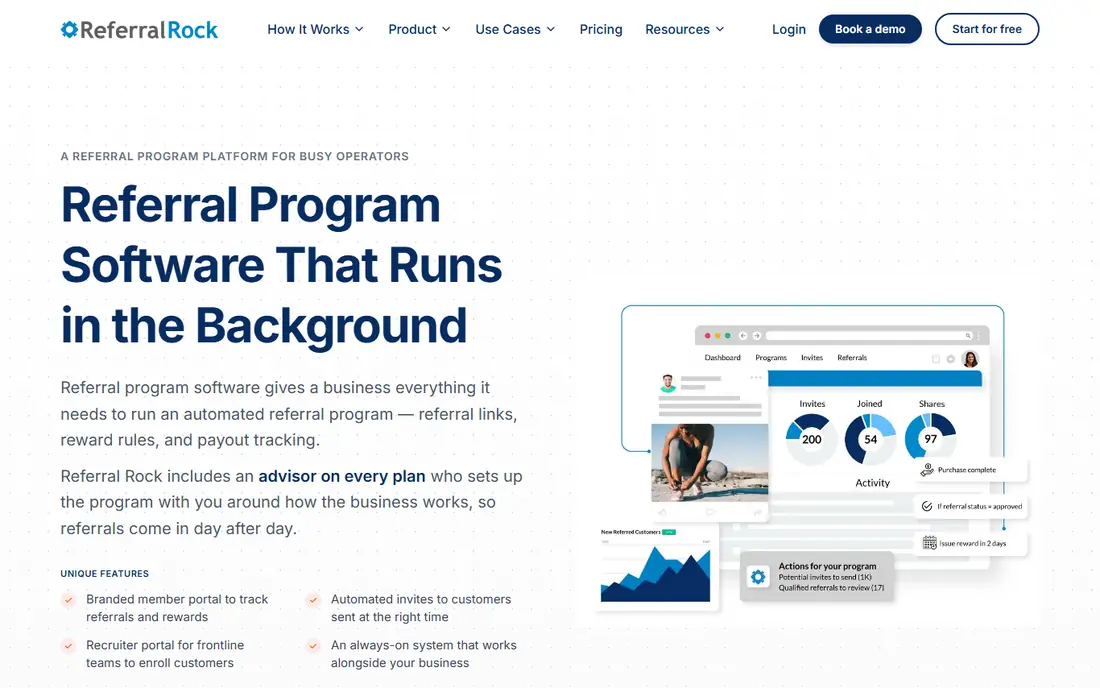
Referral Rock fits firms that sell services, memberships or business products, where a referral is often a lead first and a sale later. Referrers get a portal where they can see their links, their referrals and their reward status, which helps agencies, clinics, consultants and other service businesses keep a program visible. Rewards can be set for a lead, a completed sale or another milestone, rather than only for a completed store checkout.
That flexibility comes with a heavier setup. You need to decide what counts as a referral, when a reward is earned and how a disputed referral is handled. Teams that take that time get a program that matches how they actually sell. Teams that want a one-click store app may find Referral Rock more than they need.
- Works for leads and sales, not only store orders
- Hosted member portal for referrers
- Reward options include gift cards and PayPal
- Pricing has changed over time, so confirm the current plan before budgeting
- Setup takes more care than a plug-in store app
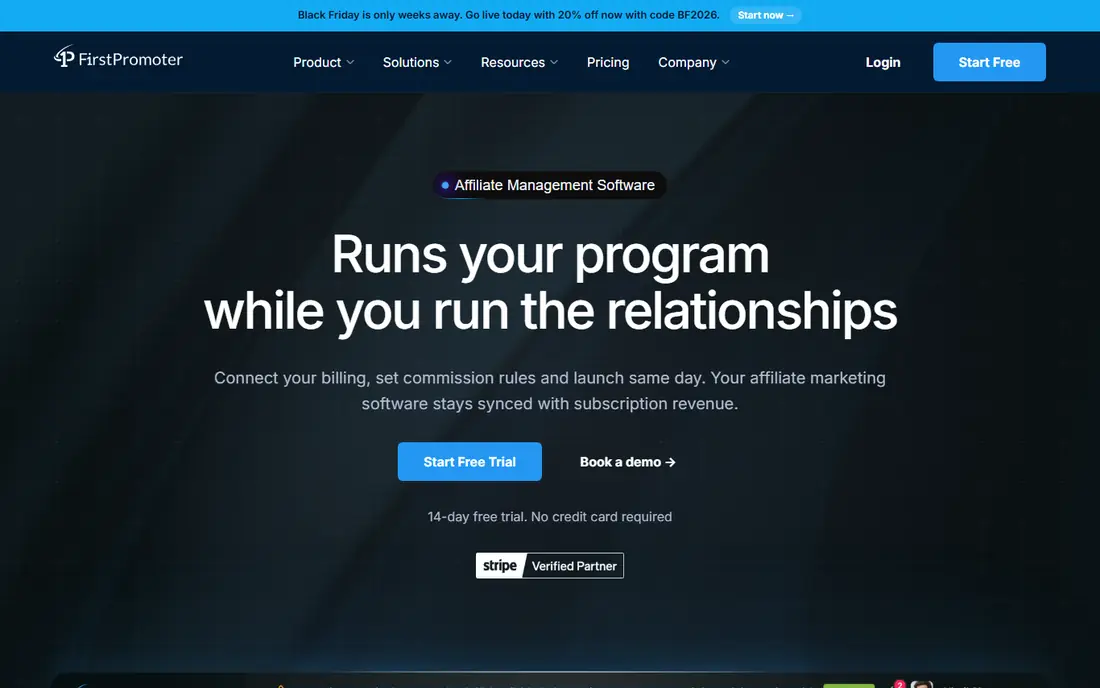
FirstPromoter is built around the way subscription software earns money. It connects to billing providers such as Stripe, Paddle and Chargebee, and it can wait until a referred customer actually pays before a reward is released. That detail matters, because a signup that never converts should not cost you a reward. Dual-sided rewards are also supported, so the new customer can get a discount while the referrer earns cash, credit or free months.
For a software team, the main work is choosing the trigger: first payment, a set number of payments or lifetime billing events. Pick too early a trigger and you pay for customers who leave fast. Pick too strict a trigger and referrers lose interest. FirstPromoter gives you the controls to test that balance, but it expects you to understand your billing flow first.
- Strong billing integrations for subscription firms
- Rewards tied to payment events
- Separate rewards for referrer and referred customer
- Less suited to one-off retail stores
- Reward rules need a clear billing setup to work well
Referral Factory is a good fit when you want a referral page live this week and you do not have a developer free to build one. Templates cover common program types, and you can brand the pages to match your site. The platform also supports referral campaigns for leads and signups, which makes it useful beyond retail, including for agencies and software firms that want a simple public referral page.
The trade-off is cost and depth. At $95 per month to start, it is not the cheapest option for a very small store, and some payout features require a higher tier. Still, for a small team that values speed and a clean public page over deep billing logic, Referral Factory is a practical middle ground between a store plug-in and an enterprise platform.
- Template-based setup with little code
- Webhooks and API on higher tiers
- Built-in rewards and payouts on higher tiers
- Entry price is higher than some store apps
- Advanced payout features sit on higher plans
GrowSurf suits product-led software teams that want referral elements inside their own product, rather than a separate store app. Referrers can get links and track progress without leaving the product experience, and the platform can handle campaigns built around signups, waitlists and referrals. Because pricing in published comparisons has varied by participant count and program count, we list the price as See website and advise confirming the tier for your expected participant total.
The honest catch is effort. GrowSurf rewards teams that can embed and test it properly, and it is less of a one-click install than a Shopify referral app. If your team can handle that setup, the participant model can be easier to forecast than a percentage fee on every referred sale.
- Participant-based pricing with no per-referral fee on published models
- Embeddable referral elements
- API for custom flows
- Pricing and plan limits need checking on the vendor site
- Setup benefits from technical help
Friendbuy is aimed at mid-market and enterprise retail brands that treat referrals as one part of a wider retention plan. It supports referral campaigns, loyalty features and testing of different offers, so a brand can learn which reward drives more sharing without rebuilding the program each time. Integrations with store and subscription tools help referred orders and renewals flow into the same reporting view.
The main drawback is transparency. With custom pricing, a small store cannot quickly tell if Friendbuy fits its budget, and a demo or sales conversation is part of the buying process. Larger brands that already run loyalty and referral together, and that want testing and support at scale, are the natural audience here.
- Referral plus loyalty options for larger brands
- A/B testing for program offers
- Integrations with ecommerce and subscription tools
- Quote-based pricing means no public entry price to compare
- Best value at higher volume, not for tiny stores
Talkable targets enterprise ecommerce and direct-to-consumer brands that want to test referral offers in a structured way. Its testing tools let a team compare reward amounts, messages and page designs, and its templates give larger teams a starting point that still allows custom rules. Reporting can be shaped around the metrics a larger brand actually reviews, such as referred revenue and share rate, rather than a single dashboard view.
For a small store, Talkable is likely too much platform and too much process. For a brand with enough referral volume to make testing worthwhile, that same depth is the point. Expect a sales-led purchase, and ask for a written quote that states order limits, testing limits and support terms before you sign.
- Strong A/B testing suite
- Prebuilt campaign templates
- Configurable reporting for larger teams
- Custom pricing
- More platform than a small store needs
LoyaltyLion makes sense when referrals are part of a loyalty plan, not a standalone campaign. A Shopify brand can run points for purchases, rewards for reviews or social actions, and referral rewards in the same account, so a customer sees one rewards story rather than three separate programs. That single view can help a repeat-purchase brand, where the same customers buy, refer and return.
If you only need referrals, the $199 per month starting price is hard to justify against a cheaper referral-only tool. LoyaltyLion earns its place here for brands that already plan to run loyalty, because adding referrals to that system is simpler than running two vendors, two data sets and two customer messages.
- Loyalty and referrals in one Shopify-native platform
- Points, rewards and referral tracking together
- Retention reporting in one place
- Entry price is high for a referral-only need
- Loyalty features add setup work if you only want referrals
How we picked these
We compared official feature and pricing pages, public program examples and third-party comparisons published in 2026, and we kept only platforms that still sell a referral product and clearly fit stores, software or service firms. We favoured platforms with clear reward rules, fraud checks and a way for referrers to track their own progress. Where published prices conflicted across sources, we wrote See website rather than picking a number we could not confirm on the vendor site.
What to check before you choose
Start with your sale type. A store needs order tracking and discount codes. A software firm needs billing events and signup tracking. A service firm needs lead tracking and a manual review step for referrals that arrive by phone or email. If a platform cannot track your actual sale type, its other features will not save the program.
Next, model the total cost, not just the monthly fee. Add any success fee, payout fees and plan limits for participants, referrals or orders. A $39 plan with a percentage fee can cost more than a flat $175 plan once referral sales pass a certain point, and the crossover point depends on your average order value. Run that maths with your own last three months of orders or signups, not with a vendor example.
Then check fraud and reward timing. Ask how the platform blocks self-referrals, what happens when an order is refunded, and when a reward becomes available. Clear rules protect your margin and keep honest referrers from feeling cheated. Finally, test the referrer experience yourself on a demo or trial: can a customer find the link, share it in one step and see the reward status without contacting support.
Frequently asked questions
What is the best referral program software for a small store?
For a small Shopify store, ReferralCandy is often the simplest start because it is built for store checkouts and referral pages. Check the success fee against your expected referred sales first, and compare it with a flat-priced option such as Referral Factory if your volume is already steady.
What is the best referral software for SaaS?
FirstPromoter and GrowSurf are the strongest fits here, because they tie rewards to billing and signup events rather than only to store orders. FirstPromoter is clearer for teams that already use Stripe or a similar billing provider, while GrowSurf suits teams that want referral elements embedded in their product.
Do referral platforms offer a free plan?
Most platforms on this list do not offer a lasting free plan, though several offer a free trial. Judge.me-style free tiers exist in reviews software, but referral platforms usually charge from the start, so budget for at least a trial period and a first paid month when you test one.
How do referral rewards usually work?
A referrer shares a link or code, the friend buys or signs up, and the platform records that event. The referrer then earns a discount, store credit, cash or points, depending on the program rules. Good platforms delay the reward until payment clears or a refund window passes, which reduces losses from cancelled orders.
Can one platform run referrals and loyalty together?
Yes. LoyaltyLion and Friendbuy both combine loyalty and referrals, which suits repeat-purchase brands. If you only need referrals, a referral-only tool is usually cheaper and simpler, so do not pay for loyalty features you will not use in the first year.
Sources
- https://www.referralcandy.com
- https://www.referralrock.com
- https://www.firstpromoter.com
- https://www.referralfactory.com
- https://www.growsurf.com
- https://www.friendbuy.com
- https://www.talkable.com
- https://www.loyaltylion.com
- https://firstpromoter.com/blog/best-referral-marketing-software
- https://albato.com/blog/publications/best-referral-program-software
- https://moosend.com/blog/referral-marketing-software/
See where you really rank - block by block
ProMapRanker scans Google Maps across a grid of your service area. Simple monthly plans from $19, white-label on every plan.
Start freeKeep reading
 outreach alternatives
Outreach Alternatives in 2026
Compare outreach alternatives for 2026, from Salesloft and Apollo to HubSpot and Lemlist, with pricing, channels, features, limits, and honest trade-offs.
Read → best web conference tools
Best Web Conference Tools in 2026
Compare the best web conference tools for meetings, webinars and team calls, with current pricing, free plans and honest limits for each option here today.
Read → best voice cloning tools
Best Voice Cloning Tools in 2026
Compare the best voice cloning tools in 2026, from ElevenLabs and Descript to Resemble and Cartesia, with consent rules, pricing, licenses, and limits.
Read →