 ProMapRanker
Best Real Estate Accounting Software in 2026


Mid-size and large management companies · Pricing starts at: See website
Key takeaways
- Property managers should start with AppFolio, Buildium, DoorLoop, or Yardi Breeze, because they combine rent, ledgers, owner statements, and trust accounting in one system.
- Individual landlords often do better with Stessa, REI Hub, or Landlord Studio, which focus on property-level income and expenses without per-unit management pricing.
- QuickBooks Online and Xero are general accounting tools, so they work best when a bookkeeper or CPA is involved and property tracking is set up with care.
- Prices vary by unit count, plan, and payment processing, so compare the total monthly cost for your portfolio, not only the headline starting price.
This article is general information only, not accounting advice. Tax rules, trust accounting rules, and reporting needs vary by state and portfolio type, so check important decisions with a qualified accountant.
Quick comparison
| Pick | Great for | Pricing starts at | Free tier | |
|---|---|---|---|---|
| AppFolio | Mid-size and large management companies | See website | No | Visit |
 Buildium | Growing management companies | $62 per month | Free trial | Visit |
 DoorLoop | Managers who want a modern all-in-one platform | See website | No | Visit |
 Yardi Breeze | Small portfolios wanting Yardi accounting | $1 per unit per month | No | Visit |
 QuickBooks Online | Firms with a bookkeeper or CPA | $38 per month | Free trial | Visit |
 Xero | Clean online accounting with many integrations | See website | Free trial | Visit |
 Stessa | Landlords tracking rental income and expenses | Free | Yes | Visit |
 REI Hub | Investors wanting double-entry rental accounting | Free | Yes | Visit |
 Landlord Studio | Self-managing landlords on mobile | Free | Yes | Visit |
The best real estate accounting software
Good real estate accounting separates money by property, owner, and tenant, and keeps security deposits and owner funds apart. The tools below do that job in different ways, from full management platforms to simple landlord trackers.
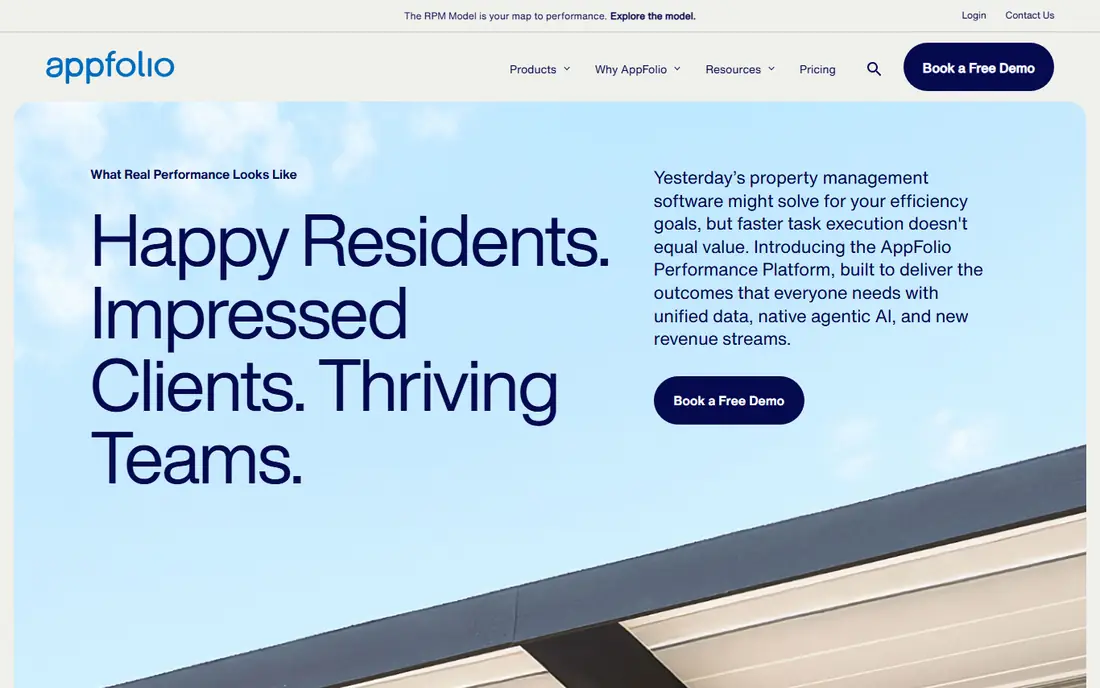
AppFolio is built for professional management companies that run many units and need accounting tied directly to leasing, maintenance, and payments. Rent, fees, owner distributions, and reporting sit in the same system, which reduces the need to reconcile separate tools at month end. That integration is the main reason larger firms choose it. The drawback is access and cost. Pricing is quoted, and the product is designed for companies, not for a landlord with two units. If you manage at scale and want one system for operations and accounting, request a quote based on your unit count and property mix, and confirm what is included for onboarding.
- Full property management with accounting built in
- Owner statements and online payments
- Automation for routine accounting tasks
- Priced by quote, aimed at professional managers
- More system than a small landlord needs
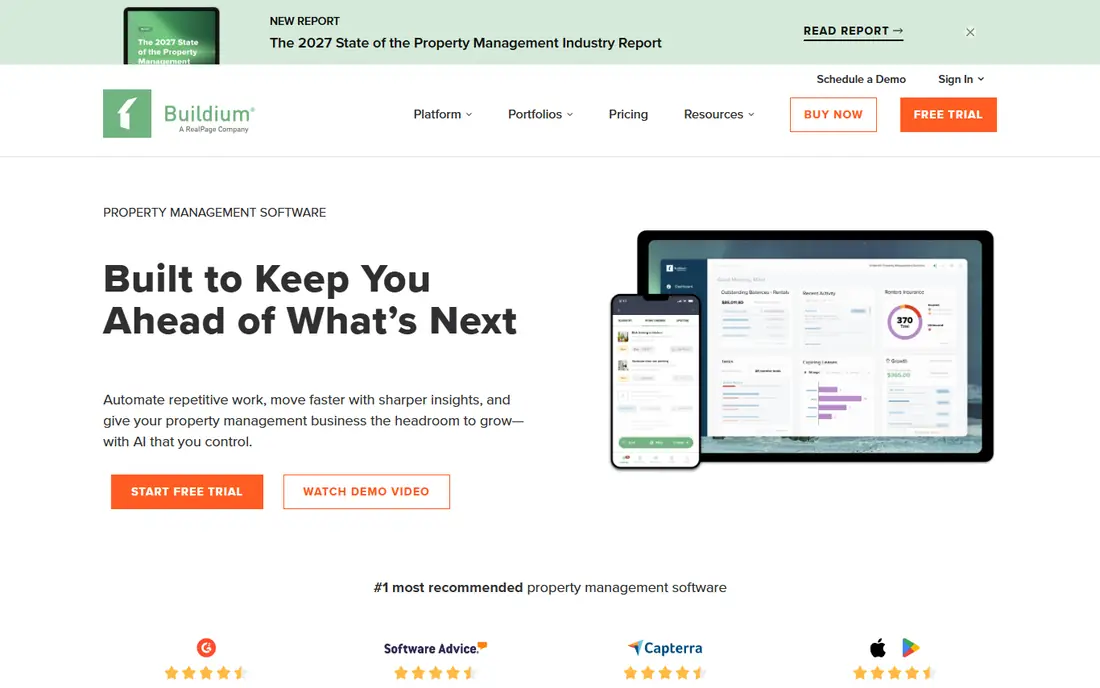
Buildium gives growing managers a clear middle path: real accounting inside a management platform, with a published starting price. You can track income and expenses by property, produce owner statements, manage trust accounting, and collect rent online. For a firm moving off spreadsheets, that combination covers most daily needs. The catch is that the starting plan is a floor, not a ceiling. Costs and features change as units and needs grow, so model the price at your current unit count and at the size you expect next year. Also confirm how Buildium handles your state trust rules before you migrate live owner money.
- Published starting price
- General ledger, owner statements, and trust accounting
- Tenant portal and online payments
- Price rises with portfolio size and features
- Setup still needs care for trust accounts
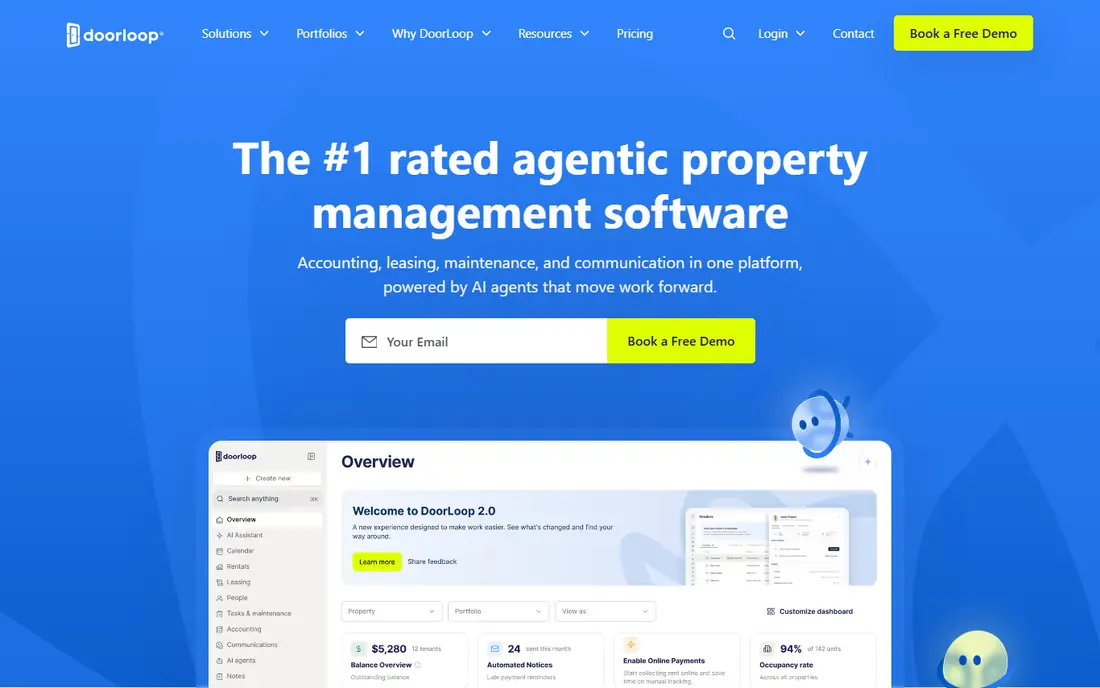
DoorLoop appeals to managers who want a current, easy-to-use platform rather than a legacy system. Accounting, leasing, tenant communication, payments, and maintenance are combined, so a manager can move from a lease to a payment to an owner report without switching tools. That matters when a small team handles many tasks. Pricing needs a direct check, because plans and minimums have varied. Ask for a quote tied to your unit count, and confirm which accounting features are included on the plan you are offered. DoorLoop is less useful for an investor who only wants bookkeeping and has no tenants to manage.
- Full accounting on its plans
- Leasing, payments, and maintenance in one place
- Modern interface
- Pricing is not a single published flat rate for every portfolio
- Best for active managers, not passive investors
Yardi Breeze brings Yardi accounting to smaller portfolios at $1 per unit per month for residential properties, with a $100 monthly minimum. That per-unit model can be fair for a growing portfolio, because you pay in line with size. The accounting side, including ledgers and reporting, is the strongest reason to choose it over a generic tracker. The minimum means very small landlords pay more per unit than the headline rate suggests. A landlord with 20 units, for example, would hit the minimum rather than paying $20. Check the minimum, the commercial rate if relevant, and payment processing fees before you compare it with a flat-rate tool.
- Yardi accounting heritage
- Per-unit pricing
- Residential and commercial versions
- Monthly minimum applies
- Interface and setup feel more traditional than newer rivals
QuickBooks Online is the safe choice when your CPA or bookkeeper already uses it. Bank feeds, invoicing, expense tracking, and reporting are mature, and most accountants can review your books without learning a new system. For agents and brokerages, that familiarity alone can justify it. For property management, QuickBooks needs work. It does not natively handle tenant ledgers, trust accounting, or owner statements in the way Buildium or AppFolio do. You can track properties with classes or locations, but that setup must be done carefully, and a manager who needs trust accounting should usually pair it with a management platform or choose a dedicated tool.
- Widely known by accountants
- Bank feeds and invoicing
- Large integration ecosystem
- Not built for rentals out of the box
- Property-level reporting needs careful setup
Xero suits a real estate business that wants clean, cloud-based accounting and is comfortable connecting other tools for property work. Bank feeds, invoicing, and reconciliation are straightforward, and the integration library makes it easy to add rent collection or reporting tools. International portfolios also benefit from multi-currency support on suitable plans. Like QuickBooks, Xero is general accounting software, not a property management system. You will need a clear chart of accounts by property and a process for owner statements if you manage for others. Check the current plan price in your region, because Xero pricing has varied, and confirm trial terms before you start.
- Clear online interface
- Bank reconciliation
- Many third-party integrations
- Pricing varies by plan and region
- Property-specific features need add-ons or setup
Stessa is a strong free starting point for landlords who mainly need to track what each property earns and spends. Bank and transaction syncing, property dashboards, and reports organised for tax time cover the core bookkeeping job for a small portfolio. The free tier makes it easy to try without committing to per-unit pricing. It is not a replacement for a management platform. If you need tenant portals, lease management, maintenance tracking, or trust accounting for other owners, you will need another tool or a paid upgrade. For a self-managing landlord with a handful of rentals, though, Stessa often covers enough.
- Free Essentials tier for income and expense tracking
- Property dashboards
- Tax-related reporting help
- Not a full management platform
- Advanced features sit on paid plans
REI Hub stands out because it offers proper double-entry accounting built for rental properties, rather than a simple income and expense list. That structure helps investors who want clean books their CPA can trust, with reporting by property and support for tax-related categories. A free tier lets small investors start without a monthly bill. The trade-off is scope. REI Hub is an accounting tool for investors, not a full tenant management system, so managers who need leasing, screening, and maintenance workflows should look elsewhere. Check the paid plan limits if your portfolio grows, and confirm how bank imports and short-term rental imports work for your properties.
- Double-entry accounting designed for rentals
- Property-based reporting
- Free tier available
- Less well known than major platforms
- Management features are limited compared with Buildium or AppFolio
Landlord Studio is made for landlords who manage their own properties from a phone. Income and expense tracking, bank feeds, document storage, and mileage tracking are organised by property, which helps at tax time and when checking whether a property is actually profitable. The free plan covering up to three units is a genuine way to test it. Once you pass three units, you will need a paid plan, so the long-term cost depends on portfolio size. It also lacks the owner statement and trust accounting depth of a management platform. For a small, self-managed portfolio, however, the mobile focus and simple structure are easy to recommend.
- Free plan for up to three units
- Mobile-first tracking
- Bank feeds and mileage tracking
- Free plan is limited by unit count
- Paid plans needed for larger portfolios
How we picked these
We compared official product and pricing pages, public documentation, and the accounting features that matter for real estate: property-level ledgers, owner reporting, trust accounting, bank feeds, and tax reporting. We included full management platforms, general accounting tools, and landlord trackers, because readers range from large managers to single-property owners. Where pricing was unclear or varied by portfolio, we wrote See website rather than guessing a figure.
What to check before you choose real estate accounting software
First, decide whether you manage for others or only for yourself. Managers need trust accounting, owner statements, and tenant ledgers, which points to AppFolio, Buildium, DoorLoop, or Yardi Breeze. Owners who only track their own rentals can usually use Stessa, REI Hub, or Landlord Studio and save money. Second, check how money moves. Rent collection, payment processing fees, security deposit handling, and owner payouts all affect the real cost and the risk. Ask how deposits are separated from operating funds and how owner statements are produced. Third, plan the migration. Moving mid-year without reconciling opening balances creates errors that follow you to tax time, so reconcile your old books first and run the new system alongside the old one for at least one month if you can.
Frequently asked questions
What is the best accounting software for real estate?
There is no single winner. AppFolio and Buildium lead for professional managers, Stessa and REI Hub lead for individual landlords, and QuickBooks Online leads when a CPA already uses it. Choose by portfolio size, whether you manage for others, and whether you need trust accounting.
Is QuickBooks good for real estate accounting?
QuickBooks Online works well for general bookkeeping, invoicing, and bank reconciliation, and accountants know it well. It is weaker for property management tasks such as tenant ledgers and trust accounting, which need careful setup or a companion management tool. If you manage properties for others, a dedicated platform is usually safer.
What is trust accounting in property management?
Trust accounting keeps client money, such as security deposits and owner funds, separate from the management company's operating money. It requires careful ledgers by owner and property, and rules vary by state. Dedicated management platforms include trust accounting features, while general accounting tools need a disciplined manual setup.
How much does real estate accounting software cost?
Costs range from free landlord trackers such as Stessa and REI Hub to $62 per month for Buildium and $38 per month for QuickBooks Online Simple Start. Yardi Breeze charges $1 per unit per month with a $100 minimum, while AppFolio and DoorLoop are quoted by portfolio. Payment processing fees are usually charged separately.
Do landlords need separate software if they only own a few rentals?
Not always, but a property-level tracker usually pays off quickly. Spreadsheets mix properties together and make tax reporting harder, while Stessa, REI Hub, or Landlord Studio keep income and expenses separate by property. If you have one rental and simple finances, a spreadsheet plus good records may still be enough.
Sources
See where you really rank - block by block
ProMapRanker scans Google Maps across a grid of your service area. Simple monthly plans from $19, white-label on every plan.
Start freeKeep reading
 zoho inventory alternatives
6 Alternatives to Zoho Inventory, Compared on Price and Fit
Zoho Inventory alternatives: 6 tools compared on price, free plans and fit. Katana leads the list for manufacturers. Fit and flaws are laid out for each entry.
Read → zoho crm alternatives
Best Zoho CRM Alternatives (2026)
Need Zoho CRM alternatives? We compare 7 tools on cost, free access and who each suits. Every pick gets a straight assessment. Built for quick decisions.
Read → zelle alternatives
Best Zelle Alternatives in 2026
Compare the best Zelle alternatives for sending money to friends, paying sellers and moving funds abroad, with honest notes on fees, speed and safety in 2026.
Read →