 ProMapRanker
Best Publisher Ad Server Software for Small Business in 2026

Local and B2B direct sales · Pricing starts at: $299 a month
Direct answer
If you need local and B2B direct sales, Broadstreet is the first tool to look at here. Listed starting prices: Broadstreet from $299 a month and AdButler from $179 a month. Alternatives: AdButler for media networks with self-service buying, and Kevel for full control of ad infrastructure. The full list of 6 tools follows, with prices and free plan facts.
If you are comparing publisher ad server software for small business, this page covers 6 tools in one place: what each is best for, what it costs to start, whether it has a free plan, and the main limit to know about.
Key takeaways
- The list opens with Broadstreet, aimed at local and B2B direct sales.
- Starting prices begin at $179 per month with AdButler.
- For multi-channel sell-side needs, Magnite is worth a look.
- A fair warning about AdButler: feature breadth can overwhelm beginners.
- A permanent free plan is missing from all 6 tools, Broadstreet and Magnite included; plan for a trial or a premium start.
Quick comparison
| Pick | Great for | Pricing starts at | Free tier | |
|---|---|---|---|---|
| Broadstreet | Local and B2B direct sales | $299 a month | Not stated | Visit |
 AdButler | Media networks with self-service buying | $179 a month | Not stated | Visit |
 Kevel | Full control of ad infrastructure | See website | Not stated | Visit |
 PubMatic | AI-driven programmatic performance | See website | Not stated | Visit |
 OpenX | Programmatic supply monetization | See website | Not stated | Visit |
 Magnite | Multi-channel sell-side needs | See website | Not stated | Visit |
Tool-by-tool breakdown
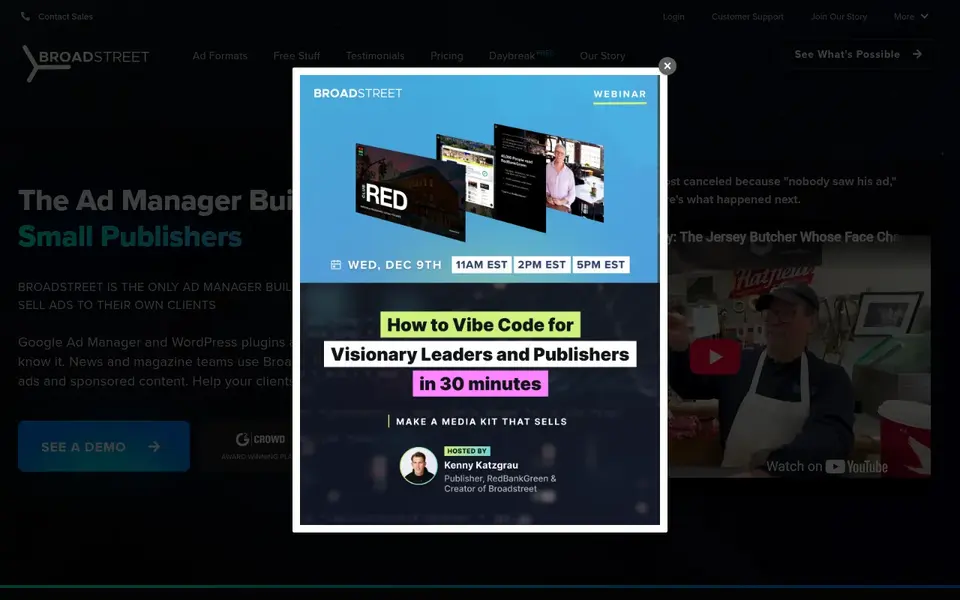
Where Broadstreet fits: local and B2B direct sales. Its strength in direct sales means it is not positioned as a wide programmatic monetization product.
Points against: Best value for direct-sales publishers.
On top of that, publishers whose main goal is automatic demand across plenty of channels should compare against supply-side systems before committing. On cost, Broadstreet starts like this: $299 per month. As for free access: Not stated.
- Suited to magazines and journals
- Focus on direct sales
- Narrower programmatic focus
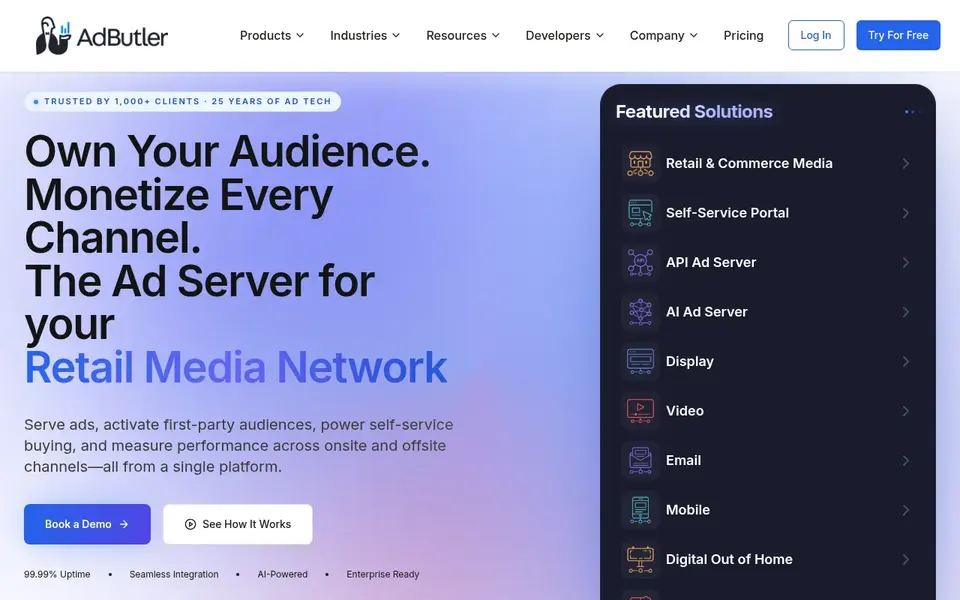
Where AdButler fits: media networks with self-service buying. It suits small firms that are expanding into a network model or want to let advertisers book and run campaigns themselves without building that tooling from scratch.
As for the details, if your goal is only to rotate a handful of direct-sold banners, a more straightforward local ad manager may be the simpler starting point. On cost, AdButler starts like this: $179 per month. Free options: Not stated.
Downsides: Feature breadth can overwhelm beginners.
- Self-service buying support
- Ad serving plus audience activation
- Network focus may exceed a single small site
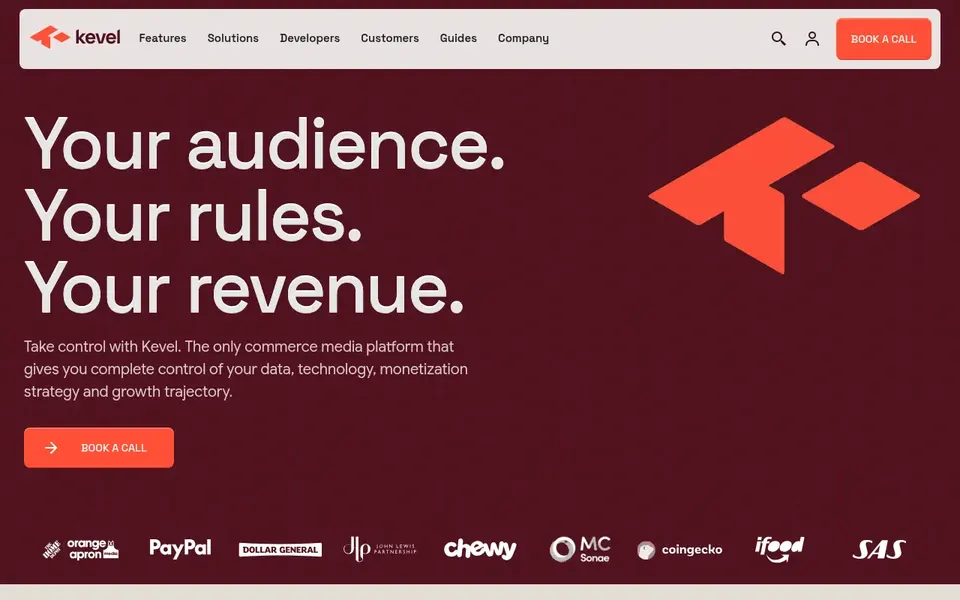
Kevel was built for full control of ad infrastructure. Since Kevel emphasizes control and customization, expect configuration work and a need for internal technical resources.
Where it is weaker: Needs technical setup.
As for the details, Kevel presents itself as a commerce media product that hands publishers complete control of their data, technology, monetization strategy and growth trajectory. From a buyer's view, a small publisher that chiefly wants a straightforward hosted ad manager for direct banner sales may find it heavier than necessary and could look at a purpose-built local ad manager instead. Kevel shows no starting price here, so confirm the cost on the vendor site. Free options: Not stated.
- Control over data and technology
- Configurable monetization strategy
- May be more than straightforward sites need
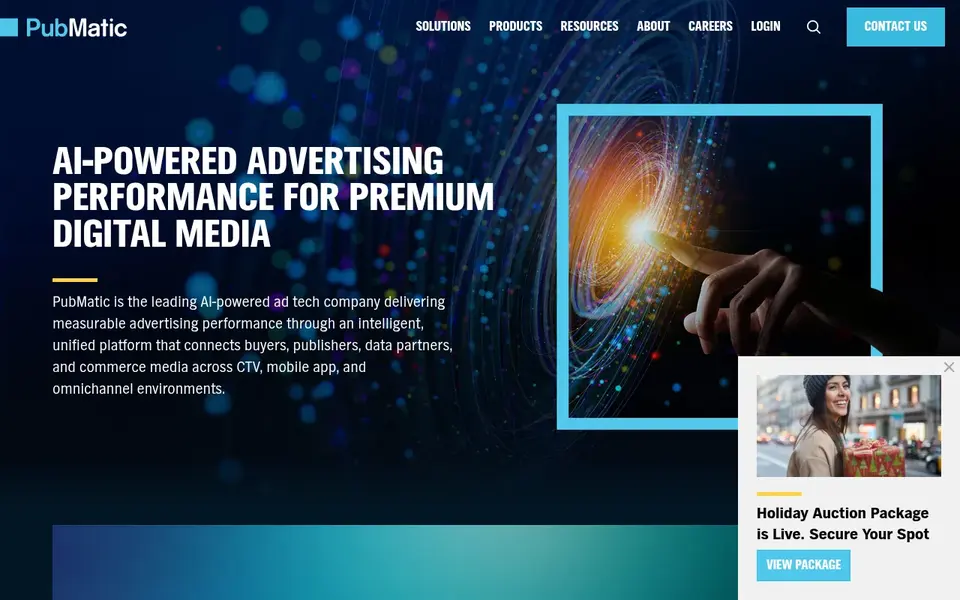
Choose PubMatic for AI-driven programmatic performance. The system is oriented toward programmatic operations, which can be complicated for a very small site with restricted inventory.
Worth adding: publishers whose revenue relies on local direct sales should weigh a dedicated ad manager first. Check the vendor site for PubMatic pricing; none is listed in this comparison. Trial and free access: Not stated.
Points against: Geared to programmatic workflows.
- AI-powered system positioning
- CTV and mobile coverage
- Complicated for very small sites
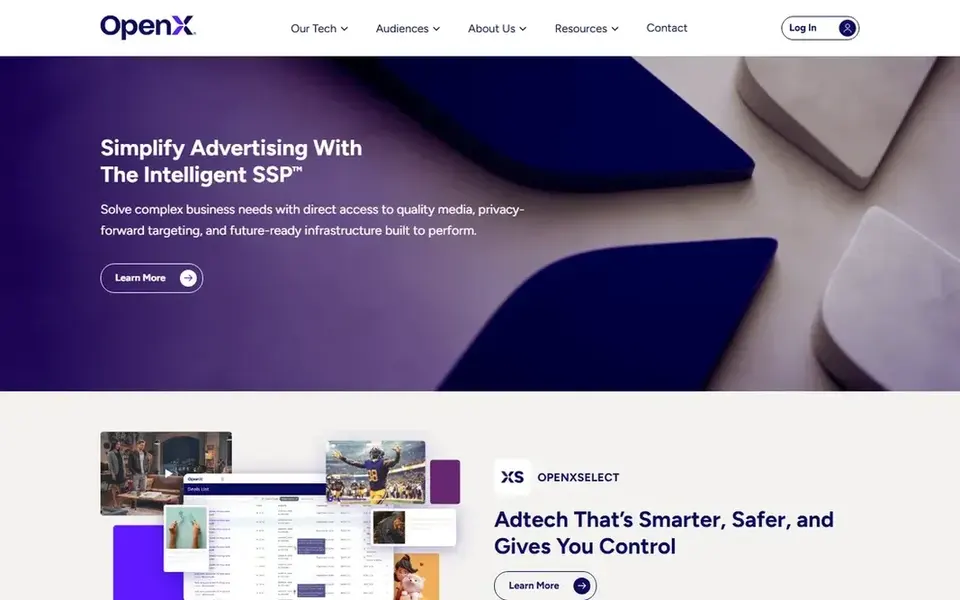
OpenX is built with programmatic supply monetization in mind. It suits small publishers who already have steady traffic and want to tap automatic demand instead of handle every direct deal by hand.
What to check first: Programmatic knowledge helps.
This comparison lists no price for OpenX; ask the vendor. Trial and free access: Not stated.
- Explains programmatic strategy
- Supply-side orientation
- Less about hosted direct sales
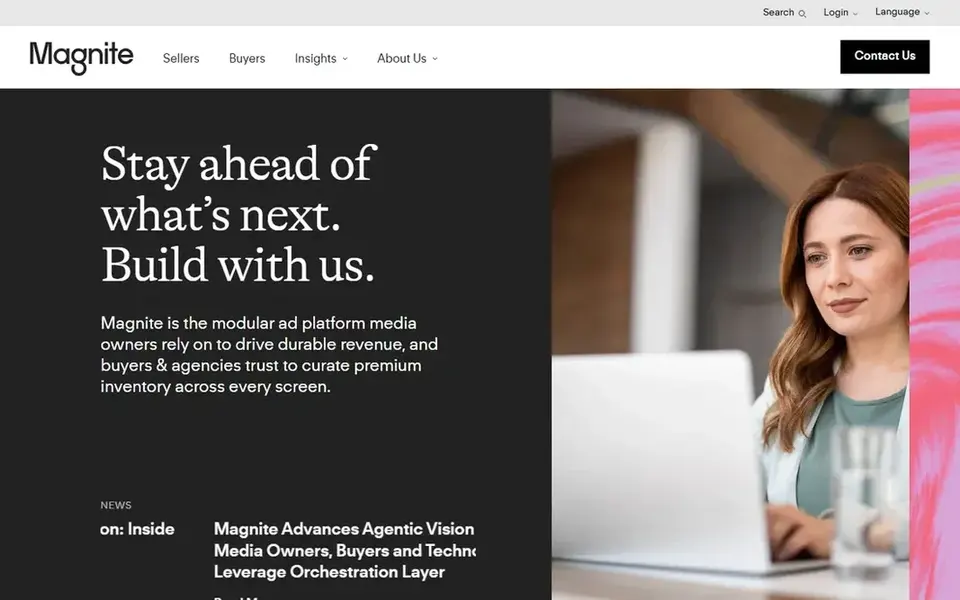
Magnite is aimed squarely at multi-channel sell-side needs. The system's framing targets top publishers and multi-channel scale, so a small local site may not be the core audience.
The main drawbacks: Assumes programmatic scale.
For straightforward direct-sold banner inventory, a small-business-oriented ad manager is likely a closer fit. Pricing for Magnite is not stated here, so ask the vendor for current figures. Free access: Not stated.
- Channels including CTV
- Geared toward bigger publishers
- Not tailored to small business
How we built this list
For each of the 6 tools we noted price, free plan or trial, fit for publisher ad server software for small business and the main limit, using vendor pages and documentation. Treat prices as a snapshot: vendors change plans often, so check the vendor site for the figure that applies today. The ranking is editorial: typical fit first, then clear pricing, then free access. If your needs are unusual, read the profiles rather than relying on position.
Things to verify first
- Ask Kevel, PubMatic, OpenX and Magnite for a written quote, since no starting price is shown.
- Read the limits listed for Broadstreet first: narrower programmatic focus.
- Ask Kevel whether prices are locked for the first term and what happens at renewal.
- Look at which plan of AdButler unlocks the features you need; entry tiers are often cut down.
- Work out what Broadstreet costs with your real seat count, add-ons and usage, not just the entry price.
Frequently asked questions
What is the difference between an ad server and a supply-side system?
An ad server handles how ads are booked, targeted and delivered on your own properties, commonly for direct sales. A supply-side system links your inventory to programmatic demand.
How should a small business evaluate these platforms before buying?
Map your current sales model first: direct, self-service or programmatic. Then check ad formats, reporting, audience data handling and the technical effort required.
How are the tools for publisher ad server software for small business ordered?
The order follows typical fit for publisher ad server software for small business, with Broadstreet first and Magnite last, then price clarity and free access. It is editorial judgement, not a score, so another team could rank the tools differently.
Is Broadstreet the right pick for everyone comparing publisher ad server software for small business?
No single tool suits every team. Broadstreet comes first because it fits local and B2B direct sales, while AdButler suits media networks with self-service buying and Kevel suits full control of ad infrastructure. Match the tool to your own size, budget and workflow before deciding.
Do these tools publish their prices?
Not all of them. Kevel, PubMatic, OpenX and Magnite publish no starting price, so expect a quote request for those. The rest, Broadstreet included, show a starting price, though seats and billing terms still change the final cost.
Does any tool for publisher ad server software for small business here have a free plan?
No tool in this list, Broadstreet and Magnite included, has a permanent free plan. Trials and quotes are the usual route, so plan a short evaluation period.
Sources
See where you really rank - block by block
ProMapRanker scans Google Maps across a grid of your service area. Simple monthly plans from $19, white-label on every plan.
Start freeBrowse all guides
← Platforms Local Radio Advertising in 2026: Top 5 Compared5 Best Software for Tracking PPC Performance in 2026 →
 best online ad companies for ecommerce
Online Ad Companies for Ecommerce in 2026: Top 5 Compared
Comparing the best online ad companies for ecommerce? 5 contenders, each with entry cost, free tier and best-fit buyer. Real limits included. No hype.
Read → best digital audio advertising software for startups
6 Best Digital Audio Advertising Software for Startups for 2026
Best digital audio advertising software for startups in 2026: 6 tools with starting prices, free plans and limits. Every pick gets a straight assessment.
Read → best digital advertising intelligence software
5 Best Digital Advertising Intelligence Software for 2026
Searching for the best digital advertising intelligence software? Here are 5 options with prices and free plans. Real limits included. Refreshed for 2026.
Read → soap 2 day alternatives
Best Soap 2 Day Alternatives in 2026
Looking for soap 2 day alternatives? Compare 8 legal streaming services, from free ad-supported options to paid plans, and pick the best fit for your home.
Read → google alternatives
Google Alternatives in 2026
Compare the best Google alternatives for privacy, ad-free search and AI answers, with free and paid search engines explained side by side in this 2026 guide.
Read → best spy tools for affiliate marketing
7 Best Spy Tools for Affiliate Marketing Options for 2026
Compare 7 picks for the best spy tools for affiliate marketing, with prices, free plans and who each fits. Concise write-ups of every option. Numbers first.
Read →More in Advertising & Affiliate · All guides A to Z by date · Latest guides