 ProMapRanker
Best Property Management Software for Small Landlords in 2026

Key takeaways
- TurboTenant, Innago, and Avail all offer free starting points, so a landlord with a few units does not need to pay on day one.
- Flat pricing, such as RentRedi, often beats per-unit pricing once you pass a handful of doors.
- Screening and payment fees can matter more than the subscription, so check who pays each fee before you choose.
- Accounting depth is the main reason to pay more, and landlords who only need listings, leases, and rent collection can stay on a free plan longer.
Quick comparison
| Pick | Great for | Pricing starts at | Free tier | |
|---|---|---|---|---|
 TurboTenant | Free all-round landlord toolkit | Free | Yes | Visit |
 Innago | Completely free management | Free | Yes | Visit |
 Avail | Guided leasing for beginners | Free | Yes | Visit |
 RentRedi | Flat pricing for growing portfolios | $12 per month | No | Visit |
 Stessa | Rental accounting and tax reports | Free | Yes | Visit |
 Landlord Studio | Mobile bookkeeping | Free | Yes | Visit |
 Hemlane | Help from a local agent network | See website | No | Visit |
 TenantCloud | Built-in accounting at a low price | $15 per month | No | Visit |
 Baselane | Banking plus bookkeeping | Free | Yes | Visit |
The best property management software for small landlords
We focused on tools that suit owners who manage their own rentals, not large management firms, and we weighed free plans, payment fees, and accounting depth.
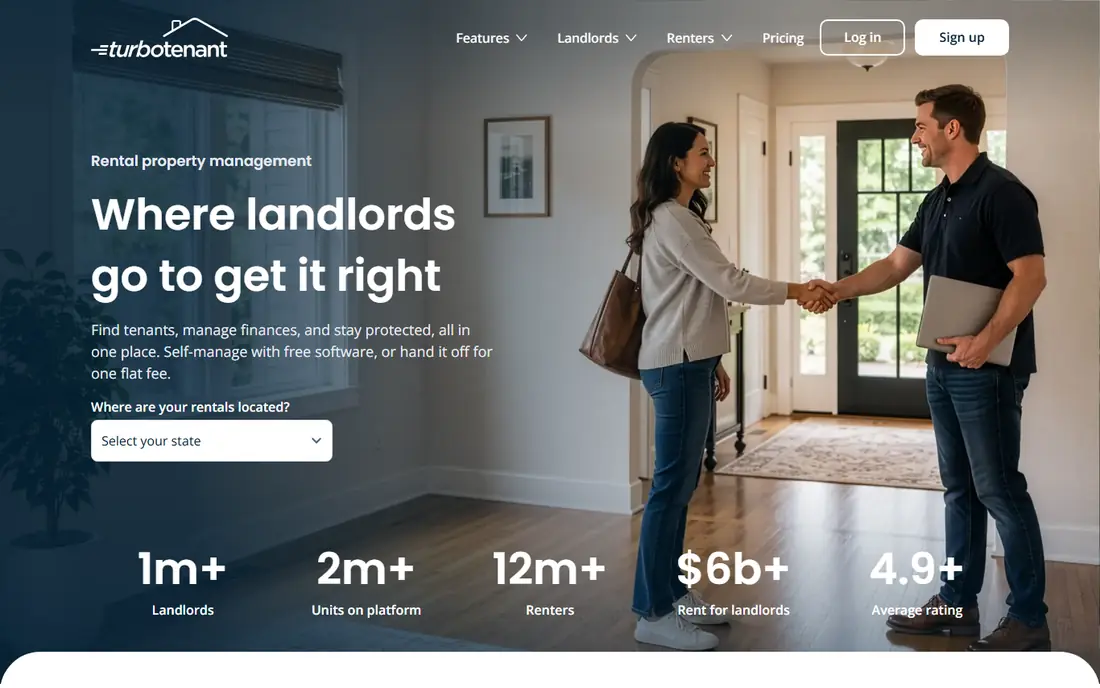
TurboTenant is our first pick for a new landlord because its free plan covers the core job: list a place, screen applicants, create a lease, and collect rent online. That breadth matters when you are learning the process, since you can keep tenant records in one place instead of juggling spreadsheets, email, and separate payment apps. Paid plans add features such as faster payouts and deeper reporting for owners who outgrow the free tier.
The trade-off is in the details of payment fees and paid features. Tenants may pay a fee for bank payments on free plans, and some lease and accounting extras require an upgrade. Still, starting free lets you test the workflow with a real vacancy before you spend anything, which is the right order for a small portfolio.
- Free listings, screening, leases, and rent collection
- Wide listing reach
- Clear upgrade path for paid features
- Some features sit on paid plans
- Tenant payment fees apply on free plans
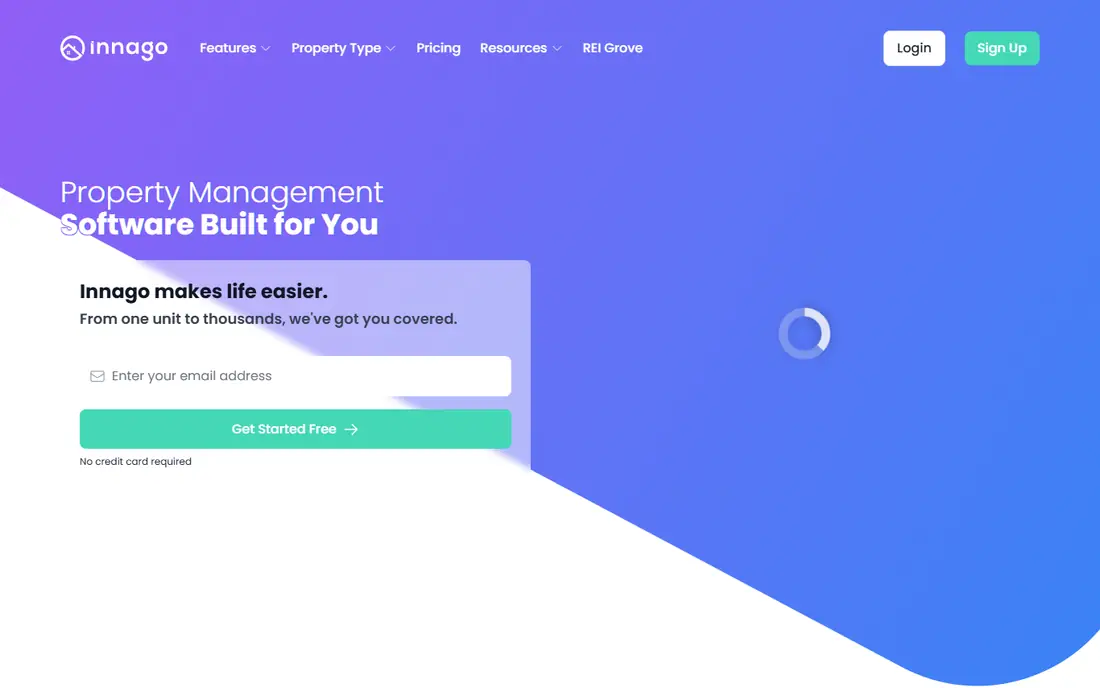
Innago stands out because it does not charge landlords a subscription for its core management tools, and it does not cap units on that free offering. For an owner with a growing set of rentals, that flat zero subscription removes the usual worry that each new door raises the monthly bill. It covers listings, applications, screening, leases, online payments, and maintenance requests in one dashboard.
Innago is less polished than some paid tools, and owners who want deep accounting reports may pair it with a separate bookkeeping tool. For landlords who mainly need to fill units, collect rent, and track requests, the simplicity is a benefit rather than a gap. Check current payment and screening fees, since those are where a free tool still has costs to review.
- Free with no unit cap on the core plan
- Listings, screening, leases, and rent collection included
- Simple setup
- Interface is plainer than some paid rivals
- Accounting depth is lighter than dedicated bookkeeping tools
Avail, now part of the Apartments.com family, suits landlords who want guidance through each step of placing a tenant. Its lease templates are written for specific states, which helps first-time owners avoid a generic form that misses local rules. Listings, applications, screening, and rent collection sit in one guided flow, so there are fewer places to lose a document.
The free Unlimited plan is strong for a small portfolio, but the Plus upgrade is priced per unit, so the math changes quickly past a few doors. If faster payouts and waived bank payment fees matter to your cash flow, price Plus for your exact unit count before you commit. For one or two units, Avail is a calm and clear starting point.
- State-specific lease templates
- Guided listing and application flow
- Syndication to major rental sites
- Paid Plus plan is charged per unit, so costs rise with each door
- Faster payouts sit on the paid plan
RentRedi is the pick for landlords who dislike per-unit math. One flat subscription covers unlimited properties and tenants, so the bill stays the same at five doors and at twenty. Its mobile app is a practical strength for owners who handle maintenance, messages, and rent checks away from a desk, and tenants can pay by bank, card, or cash at retail locations in some cases.
There is no free plan, so you pay from the start, though an annual plan brings the effective monthly price down. That makes RentRedi a better second step than a first test: try a free tool to learn the basics, then move here when you know you will manage rentals for the long term and want predictable costs.
- Flat price with unlimited units on paid plans
- Strong mobile app
- Cash rent payment option for tenants
- No free plan
- Monthly billing without an annual plan costs more
Stessa answers a different question from the tools above: how clean are your books at tax time. It pulls bank and property transactions, sorts income and expenses by property, and produces reports that map to rental tax forms. Owners who already use a leasing tool, or who collect rent elsewhere, often add Stessa just for this accounting layer.
Do not expect Stessa to replace a full leasing platform on its own. It is best as the finance side of a two-tool setup, paired with a free listing and rent tool. The free Essentials plan covers a lot of accounting, while the paid Manage plan adds more automation and reporting for owners with larger portfolios.
- Free accounting core with bank feeds
- Tax-ready reports by property
- Unlimited properties on the free tier
- Not a full leasing platform
- Rent collection and screening are not its main focus
Landlord Studio is built around the phone in your pocket. You can log an expense at a property, photograph a receipt, and see income and spending by unit without opening a laptop. That habit helps small landlords who otherwise leave bookkeeping until tax season, when receipts are hardest to find.
The free Go plan covers up to three units, which suits many first-time owners, while Pro adds more units and features for a monthly price that rises with unit count. Leasing tools exist, but they are not as deep as TurboTenant or Avail, so owners who need strong listing and screening may pair Landlord Studio with a leasing tool. For bookkeeping first, it is a neat fit.
- Free plan for up to three units
- Mobile-first expense tracking
- Tax reports by property
- Leasing and screening depth is thinner than dedicated leasing tools
- Paid price rises with extra units
Hemlane suits landlords who want to self-manage but do not want to do every showing or repair visit themselves. Its platform covers listings, screening, leases, and rent collection, and its network of local agents can help with tasks that are hard to do from another city. That hybrid model is useful for out-of-state owners and for landlords with a day job that limits daytime availability.
The price is higher than a free tool, and exact plans vary, so confirm current pricing for your market before you sign up. Hemlane makes most sense when the cost of a missed showing or a delayed repair is higher than the subscription. For a local owner who can visit properties easily, a free tool may be enough.
- DIY tools plus access to local agents for showings and repairs
- Tenant placement help
- Maintenance coordination
- Paid plans cost more than free tools
- Pricing varies by plan and market
TenantCloud is a solid middle ground for landlords who want accounting without paying for a large management platform. Its Starter plan covers listings, online payments, leases, maintenance, and basic accounting, with unlimited units, which keeps the bill predictable as you grow. Tenant and landlord portals keep messages and documents in one place.
The main drawback is the lack of a free plan, so you commit before you test the workflow in depth, though trials are offered on plans. Check lease limits and feature tiers carefully, since higher plans add more leases and accounting depth. For an owner who wants one paid tool rather than two free ones, TenantCloud is worth a close look.
- Listings, leases, payments, and accounting in one low-priced plan
- Unlimited units on paid plans
- Landlord and tenant portals
- No free plan in 2026
- Some advanced features sit on higher tiers
Baselane pairs a landlord banking account with bookkeeping, which removes a common source of mess: rent and expenses mixed into a personal account. Income is tagged by property, and reports are organized for tax time, so the books stay closer to current through the year. Rent collection and tenant payments sit alongside the banking tools, which suits owners who already handle listings elsewhere.
Baselane does not replace a listing platform, so pair it with TurboTenant or Avail if you need wide listing reach. The free Core plan covers banking and basic bookkeeping, while the paid Smart plan adds more automation. For landlords who want clean finances without a separate accounting subscription, Baselane is a practical addition.
- Free banking account built for landlords
- Automatic bookkeeping by property
- Rent collection included
- No listing syndication on its own
- Paid Smart plan adds features some owners may not need
How we picked these
We compared official pricing pages, feature lists, and public reviews, and we favored tools that serve owners with a small number of units rather than large firms. We checked free plans, per-unit versus flat pricing, and the split between leasing tools and accounting tools, since that split drives most buying mistakes. We did not claim hands-on testing, and we left prices as See website where plans varied by market or unit count.
How to choose for your portfolio size
Start by counting doors and naming the job you actually need done. With one to three units, a free plan from TurboTenant, Innago, or Avail usually covers listings, screening, leases, and rent collection, and you can add Stessa or Baselane for books. With five to twenty units, compare flat plans like RentRedi and TenantCloud against per-unit upgrades, and run the math at your exact unit count, not at the headline price.
Next, list the fees tenants and owners pay. Screening fees, bank payment fees, card fees, and late fees can add up to more than the subscription, and some tools pass those fees to applicants while others charge owners. Ask for the full fee list in writing before a vacancy, so a tenant is not surprised at application time.
Finally, test the workflow with one unit before you move a whole portfolio. List a vacancy, run a test application, and check how rent payments, receipts, and reports appear. A tool that looks good on a pricing page but feels slow during a real vacancy will cost you time when it matters most.
Frequently asked questions
What is the best leasing software for a first-time landlord?
TurboTenant and Avail are strong first picks because their free plans cover listings, screening, leases, and rent collection with guided steps. Innago is also strong if you want a free plan with no unit cap.
What is the best lease administration software for small landlords?
Avail suits owners who want state-specific lease templates and a guided signing flow, while TurboTenant and TenantCloud suit owners who want leases tied to payments and tenant records. Always check that a template matches your state and property type.
Is free property management software really free?
The core software can be free, but screening, payment, and upgrade fees still apply in many cases. Read the fee list for applicants and tenants, and price any paid upgrade at your unit count before you rely on the free plan long term.
Should I use one tool or two for leasing and accounting?
One tool is simpler, but many small landlords get a better result from two: a free leasing tool plus Stessa or Baselane for books. Choose one tool if you value simplicity, and two tools if clean tax reports matter more to you.
When should a small landlord move to Buildium or DoorLoop?
Move when you manage other owners' properties, need owner statements and deep accounting, or pass about twenty units and need staff controls. Below that size, the tools in this list usually cover the job at a lower cost.
Sources
- https://www.turbotenant.com
- https://www.innago.com
- https://www.avail.co
- https://www.rentredi.com
- https://www.stessa.com
- https://www.landlordstudio.com
- https://www.hemlane.com
- https://www.tenantcloud.com
- https://www.baselane.com
- https://rankite.com/blog/best-property-management-software-for-landlords
- https://smalllandlordsoftware.com/
See where you really rank - block by block
ProMapRanker scans Google Maps across a grid of your service area. Simple monthly plans from $19, white-label on every plan.
Start freeKeep reading
 outreach alternatives
Outreach Alternatives in 2026
Compare outreach alternatives for 2026, from Salesloft and Apollo to HubSpot and Lemlist, with pricing, channels, features, limits, and honest trade-offs.
Read → best web conference tools
Best Web Conference Tools in 2026
Compare the best web conference tools for meetings, webinars and team calls, with current pricing, free plans and honest limits for each option here today.
Read → best voice cloning tools
Best Voice Cloning Tools in 2026
Compare the best voice cloning tools in 2026, from ElevenLabs and Descript to Resemble and Cartesia, with consent rules, pricing, licenses, and limits.
Read →