 ProMapRanker
Best Programmatic Ad Services for Small Business in 2026

Key takeaways
- Choozle, AdRoll and AdCritter are the most accessible starting points for small budgets, while StackAdapt and Simpli.fi suit growing firms with larger campaigns.
- Most programmatic pricing is not a simple list price: expect media costs plus platform fees, and ask for the total cost before launching.
- Retargeting, local targeting and connected TV need different platforms, so pick by channel first, not by feature list alone.
- Self-serve platforms save money but need time and skill, while managed services cost more and suit owners who cannot run campaigns daily.
- Start with one clear goal, such as store visits or completed purchases, and a small test budget before scaling to new channels.
Quick comparison
| Pick | Great for | Pricing starts at | Free tier | |
|---|---|---|---|---|
 Choozle | Small agencies and low minimums | $99 per month | No | Visit |
 AdRoll | Retargeting for online stores | See website | No | Visit |
 StackAdapt | Self-serve multi-channel buying | See website | No | Visit |
 Simpli.fi | Local and geo-targeted campaigns | See website | No | Visit |
 Basis Technologies | Agencies wanting automation | See website | No | Visit |
 Criteo | Commerce retargeting and media | See website | No | Visit |
 Quantcast | Audience targeting and measurement | See website | No | Visit |
 AdCritter | Small business display and video | See website | No | Visit |
The best programmatic ad services for small business
Programmatic advertising buys ad space automatically across websites, apps, video and connected TV, using targeting data to reach likely customers. Small businesses do not need the largest enterprise platform. They need a platform with a realistic minimum, clear reporting and support for the channels that actually drive sales. The eight below cover self-serve, managed and retargeting options.
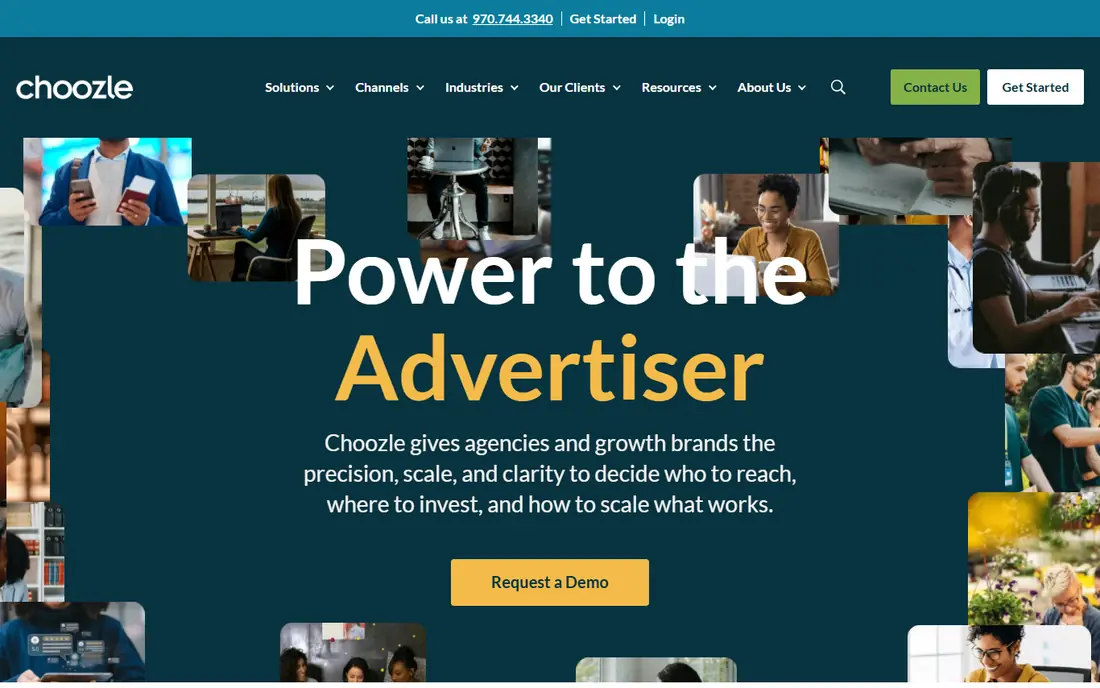
Choozle is often the first DSP recommended to small agencies and growing small businesses because the platform fee is published and the interface is built for non-specialists. Campaigns can run across display, video, mobile, native, audio and connected TV from one dashboard, with geo-targeting and third-party data segments available. Training resources help new buyers learn targeting and optimisation without hiring a specialist.
The platform fee is not the total cost. Media spend, data fees and any managed service fees sit on top, and self-serve plans have historically required a minimum media commitment over a set period. Check the current minimum and fee structure on the vendor page before budgeting. For a first programmatic test, Choozle is a practical entry point.
- Self-serve DSP with display, video, mobile and connected TV
- Training resources
- Managed service option
- Media spend minimums apply on top of the platform fee
- Reporting can feel limited for advanced users

AdRoll suits small online stores that want to bring back visitors who browsed but did not buy. Retargeting ads follow those visitors across display and social channels, and the platform connects campaigns to store revenue, which makes return on ad spend easier to judge. Cross-channel tools also help stores combine retargeting with prospecting.
AdRoll is less useful for a local service business that wants broad brand awareness without a clear online conversion. Some features, such as social add-ons and advanced attribution, cost extra. For e-commerce retargeting with a measurable purchase goal, AdRoll remains a strong small business choice.
- Strong retargeting for e-commerce
- Cross-channel campaigns
- Attribution and reporting tools
- Less suited to pure brand campaigns without a website goal
- Add-ons increase the total cost
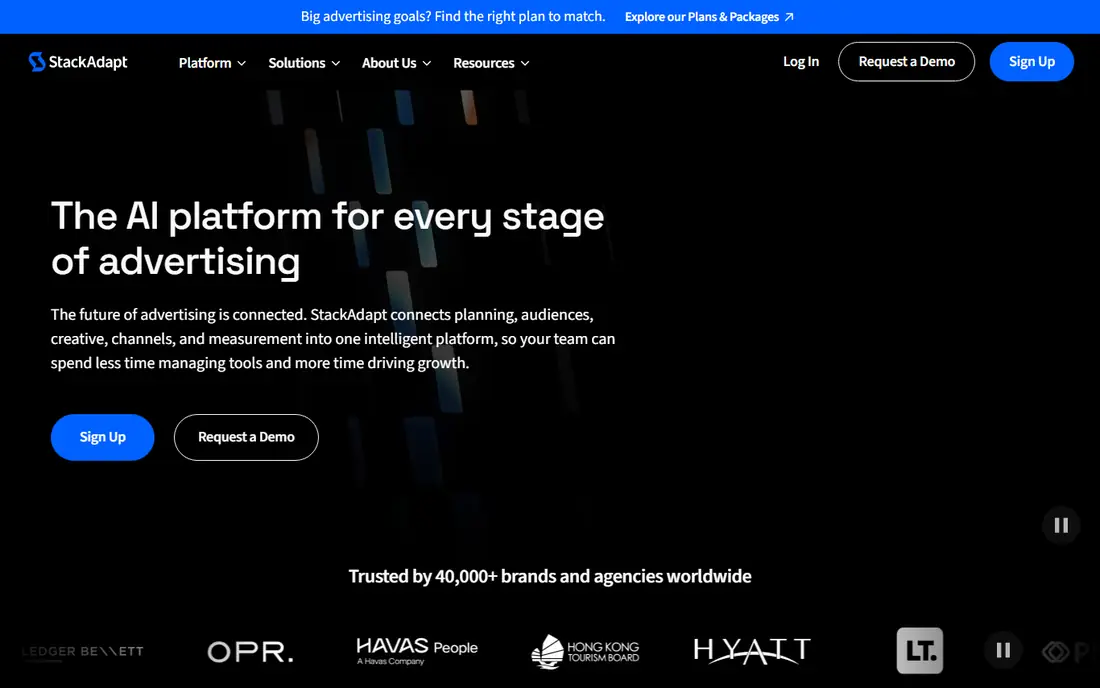
StackAdapt is a self-serve DSP that small and mid-size agencies use for multi-channel campaigns, including native, display, video, audio and connected TV. The interface is clear, reporting is detailed, and the company provides guides that help smaller teams plan campaigns without a large media team. That combination makes it a step up from entry-level tools once budgets grow.
Pricing is the main question. StackAdapt does not publish a simple list price, and cost is usually negotiated as a percentage of media spend. Small businesses should ask for the platform fee, any minimum spend and data costs in writing before launching. For growing firms ready to manage campaigns in-house, StackAdapt is a capable platform.
- Multi-channel buying including native, video and connected TV
- Clear self-serve interface
- Educational resources
- Pricing is negotiated as a share of media spend
- Minimums and fees need a sales conversation
Simpli.fi is the pick for businesses with physical locations, such as restaurants, clinics, dealerships and local service firms. Its geo-fencing and addressable targeting can reach people near a store, in a competitor area or at a specific address, and foot traffic attribution helps owners judge whether ads drove visits. That local focus sets it apart from general DSPs.
Managed services can carry higher minimums than self-serve tools, so small firms should confirm whether they qualify for self-serve or a lower managed tier. Pricing is quoted, so get a proposal tied to your target area and campaign length. For local campaigns, Simpli.fi is hard to beat.
- Strong geo-fencing and addressable targeting
- Local campaign focus
- Managed and self-serve options
- Managed services can require larger budgets
- Pricing is quoted
Basis Technologies, formerly Centro, offers a platform that automates media buying across programmatic, search and social, with workflow tools for planning, buying and reporting. Agencies like the ability to manage many clients and channels in one system, with automation handling routine optimisation. That breadth helps small agencies offer programmatic without juggling several tools.
Direct small businesses may find Basis more agency-oriented than a simple self-serve DSP, and pricing is quoted. Owners who work with an agency should ask whether the agency uses Basis and what reporting they will receive. For agencies serving small clients, Basis is a strong infrastructure choice.
- Automation across programmatic, search and social
- Workflow tools for agencies
- Detailed reporting
- Agency-focused, so direct small business use may need a partner
- Pricing is quoted
Criteo is known for commerce retargeting, using shopping and product data to show relevant ads to people who viewed products or added items to a cart. Retail media options also let brands advertise on retailer sites and apps. For e-commerce and retail advertisers, that commerce focus can improve relevance compared with generic display buying.
Small firms without an online store or product catalogue will get less value, and getting started may require a partner or a minimum spend. Pricing is based on media and service terms, so ask for a clear quote. For commerce advertisers, Criteo is a proven retargeting option.
- Commerce data and retargeting strength
- Retail media options
- Broad publisher reach
- Best for commerce advertisers
- Smaller firms may need a partner to get started
Quantcast combines audience measurement with programmatic buying, helping advertisers understand who visits their site, model similar audiences and measure campaign results. That measurement focus suits businesses that want to learn from each campaign, not just run ads and hope. The platform buys across the open web, beyond walled gardens.
Quantcast leans enterprise, so very small budgets may receive less direct support than on Choozle or AdRoll. Pricing is quoted, and firms should ask about minimums and what measurement reports are included. For data-led small businesses with growing budgets, Quantcast is worth a demo.
- Audience insights and modelling
- Measurement tools
- Programmatic buying across open web
- Enterprise-leaning
- Smaller budgets may get less hands-on support
AdCritter is built for small businesses that want programmatic display, video and connected TV without learning a complex DSP. Managed service options let owners hand over targeting, creative setup and optimisation, while reporting shows where ads ran and what they delivered. That hands-off model suits owners who cannot run campaigns daily.
The platform is smaller than StackAdapt or Basis, so advanced buyers may miss some features. Pricing and minimums are quoted, so confirm the total monthly cost, including media and management, before signing. For a managed, small business friendly start, AdCritter is a useful option.
- Small business focus
- Display, video and connected TV options
- Managed service for owners without time
- Smaller platform than major DSPs
- Pricing and minimums need a sales conversation
How we picked these
We compared official product pages, pricing pages and independent DSP comparisons for small and mid-size advertisers. We kept platforms that are live in October 2026, that accept small or mid-size advertisers either directly or through agencies, and that cover display, video, connected TV or retargeting. Where pricing was negotiated or unclear, we wrote See website. Advertising results vary by market, creative and budget, and no platform guarantees sales.
What to check before you buy
Start with a single goal and a single channel. A goal such as "more completed purchases from site visitors" points to retargeting, while "more store visits in our town" points to geo-targeted display or connected TV. Running every channel at once with a small budget spreads spend too thin to learn anything.
Budget, fees and minimums
Ask for the full cost: platform fee, media spend, data fees, creative costs and any managed service fee. Check whether there is a minimum monthly spend, a minimum campaign length or a setup fee. A platform with a low platform fee but a high media minimum can cost more than a managed service with a higher fee but no minimum.
Targeting, creative and measurement
Good targeting needs good creative. Prepare clear images or video, a simple offer and a landing page that matches the ad. Set up conversion tracking before launch, whether that means purchases, form submissions, calls or store visits, so you can judge results. Ask what reports you will receive and how often, and who owns the audience data if you leave.
Self-serve versus managed
Self-serve saves money but needs time for setup, monitoring and optimisation. Managed services cost more but suit owners who cannot check campaigns daily. A hybrid approach works well for many small firms: start managed for one campaign, learn what works, then move to self-serve for repeat campaigns.
Frequently asked questions
What is programmatic advertising?
Programmatic advertising buys ad space automatically through software, using data to target audiences across websites, apps, video and connected TV. Instead of negotiating with each publisher, advertisers set targeting, budget and creative in a platform, and the platform buys impressions that match those settings.
How much should a small business spend on programmatic ads?
It depends on the channel and goal, but many small businesses start with a test budget that can run for at least a few weeks, plus any platform or management fees. Ask each provider for its minimum spend, then add creative and tracking costs before deciding whether the total fits your monthly budget.
Is programmatic advertising better than social media ads?
Not always. Social ads work well for interest-based targeting inside one platform, while programmatic reaches audiences across many sites, apps and connected TV. Many small businesses use both: social for community and retargeting, programmatic for broader reach and local targeting.
Do I need a large budget to use a DSP?
No, but some DSPs have minimums that suit agencies better than single small firms. Choozle, AdRoll and AdCritter are more accessible for small budgets, while StackAdapt, Simpli.fi and Basis suit growing firms. Always confirm the minimum spend and platform fee before signing.
How do I measure whether programmatic ads work?
Set one primary conversion, such as purchases, form submissions, calls or store visits, and track it from ad click to outcome. Compare cost per conversion with other channels, and run campaigns long enough to gather meaningful data. Avoid judging a campaign on clicks alone.
Can I run programmatic ads myself without an agency?
Yes, on self-serve platforms such as Choozle and StackAdapt, if you have time to learn targeting, creative and optimisation. If you cannot monitor campaigns regularly, a managed service or an agency partner is safer, even though it costs more.
Sources
See where you really rank - block by block
ProMapRanker scans Google Maps across a grid of your service area. Simple monthly plans from $19, white-label on every plan.
Start freeKeep reading
 zoro.to alternatives
Best Zoro.to Alternatives in 2026
We compare the best zoro.to alternatives in 2026, listing only legal licensed anime streaming services, from Crunchyroll to free options for fans today.
Read → zip alternatives
Best Zip Alternatives in 2026
We compare the best zip alternatives for buy now, pay later in 2026, covering pay-in-4 plans, fees, spending limits, and credit reporting options today.
Read → yesware alternatives
Best Yesware Alternatives in 2026
Compare the best yesware alternatives for sales email tracking, templates, and sequences, with current pricing and honest tradeoffs for small sales teams.
Read →