 ProMapRanker
Best Product Review Apps in 2026

Key takeaways
- Judge.me gives small stores the lowest clear starting cost, with a free plan and a flat paid plan, while many rivals charge by order volume.
- Loox stands out for photo and video reviews, which help shoppers judge clothing, beauty, and home goods before they buy.
- Yotpo and Okendo suit larger stores that want reviews plus loyalty, quizzes, or wider marketing tools in one account.
- Stamped and Reviews.io suit stores that want review collection tied to surveys, loyalty, or distribution beyond one storefront.
- Check how price rises with orders before you commit, because a cheap entry plan can become costly during a busy sales period.
Quick comparison
| Pick | Great for | Pricing starts at | Free tier | |
|---|---|---|---|---|
 Judge.me | Low cost stores | Free | Yes | Visit |
 Loox | Photo and video reviews | Free | Yes | Visit |
 Yotpo | Larger brands and suites | Free | Yes | Visit |
 Stamped | Reviews plus loyalty | $23 per month | No | Visit |
 Okendo | Reviews plus loyalty and quizzes | Free | Yes | Visit |
 Reviews.io | Multi-channel review collection | See website | No | Visit |
 Trustpilot | Public trust profiles | Free | Yes | Visit |
 Feefo | Verified customer feedback | See website | No | Visit |
 Bazaarvoice | Large brands and retail syndication | See website | No | Visit |
The best product review apps
We looked for tools that collect real customer reviews, display them on product pages, and help search results show star ratings where supported. The list below mixes low cost Shopify tools with wider platforms for larger brands.
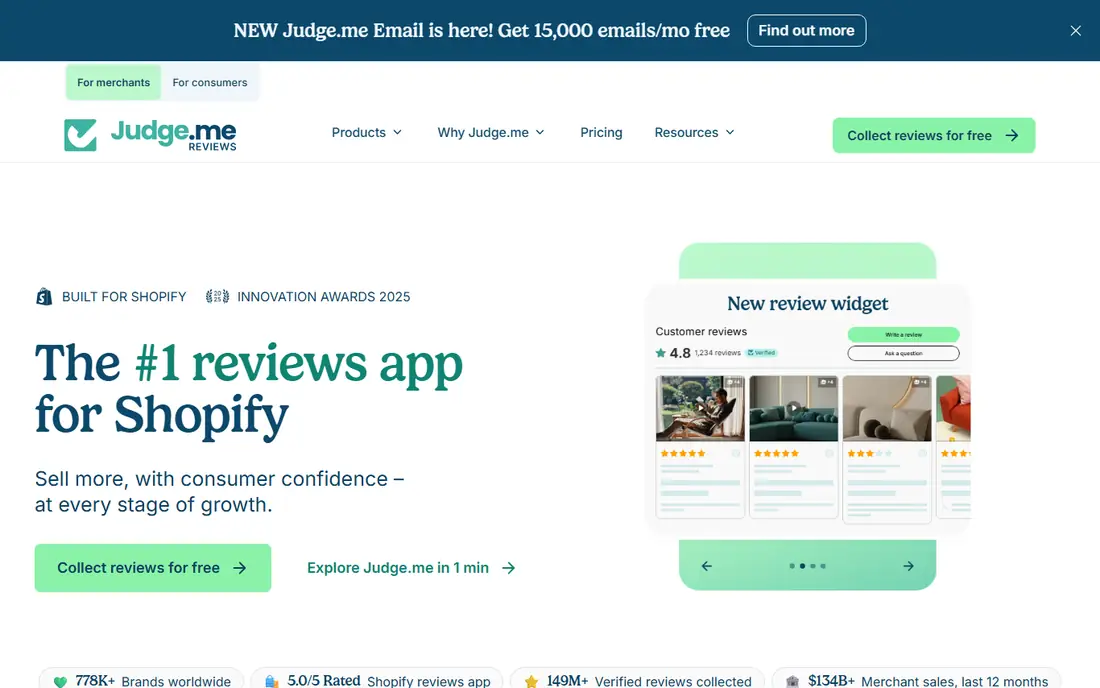
Judge.me is the first tool we suggest to a small store that wants reviews without a bill that grows with every order. The free plan covers the basics that matter on a product page: written reviews, photos, video, and question and answer sections. Paid users get a cleaner look without Judge.me branding, plus syndication to Google Shopping, which can help products show ratings in shopping results.
The trade-off is scope. Judge.me does not try to be a full loyalty and marketing suite, so a larger brand may need separate tools for points, referrals, or deep customer data. For a store that only needs honest product proof, that focus is a strength, because setup stays simple and the monthly cost stays easy to predict.
- Free plan covers text, photo, and video reviews
- Flat $15 paid plan removes branding and adds Google Shopping syndication
- Unlimited review requests on the free plan
- Fewer suite features than larger platforms
- Mainly built for Shopify stores
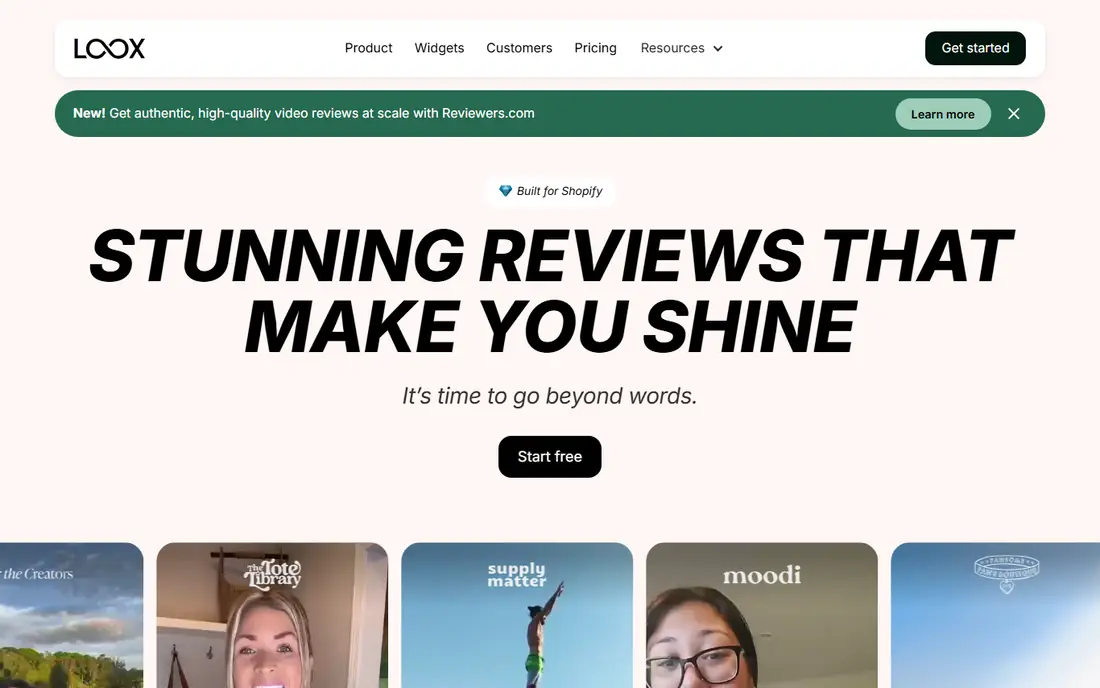
Loox is built around a simple idea: shoppers trust a photo from a real buyer more than a short written note. Its galleries put customer photos front and center, and discount incentives give buyers a reason to send a picture after delivery. That makes it a strong fit for fashion, beauty, skincare, jewelry, and home decor, where color, fit, and finish are hard to judge from studio photos alone.
The catch is cost at scale. Paid plans are tied to order volume, so a store that grows fast should model the price at its peak month, not its quiet month. Loox also works with Shopify, so stores on other platforms will need a different tool. If your products are visual and you sell on Shopify, the gallery quality can justify the higher tier.
- Strong photo galleries and discount incentives for reviewers
- Video reviews on paid plans
- Polished widgets for visual products
- Price rises with order volume
- Built for Shopify only
Yotpo suits a brand that has outgrown a single review widget and wants reviews to feed loyalty, referrals, and customer content in one place. Its free tier covers basic collection for low order volumes, while paid tiers add photo and video content, wider customization, and syndication options. For a mid-size or large store, having one vendor for several retention tools can cut down on separate logins and disconnected data.
That breadth comes with a price structure that needs careful reading. Reviews pricing scales with orders, and loyalty is a separate product, so the total can climb well above the entry reviews price. Before signing up, list the modules you will actually use in the first three months and get a quote for that exact bundle. If you only need reviews, a simpler tool will cost less.
- Reviews, loyalty, and referrals can sit in one system
- Google Seller Ratings support on suitable plans
- Wide set of widgets and moderation tools
- Costs rise with order volume and add-on modules
- Smaller stores may pay for features they do not use
Stamped is a good middle step between a basic review app and a full suite. Stores can collect reviews, run loyalty rewards, and gather survey feedback without stitching together three separate apps. Its forms and widgets are clean, and the link to email tools helps a store turn a good review into a repeat purchase through follow-up messages and offers.
The limits show up in the details. There is no free plan, so a brand-new store pays from day one, and video reviews require a higher tier than some rivals. Pricing also scales with orders, so check the tier that matches your real monthly volume. For an established store that already uses email marketing heavily, Stamped can still be good value because the combined tools replace separate subscriptions.
- Review collection plus loyalty and surveys in one tool
- Google Shopping syndication
- Useful integrations for email marketing
- No free plan
- Video reviews sit on higher tiers
- Price rises with order volume
Okendo is aimed at brands that want customer content to do more than sit on a product page. Reviews can be paired with quizzes that guide shoppers to the right product, surveys that explain why buyers chose a variant, and loyalty rewards that bring them back. That mix is useful for beauty and wellness brands, where shade, scent, skin type, or routine questions affect the purchase.
Moderation is another plus, because staff can review content before it goes live and keep the display focused on helpful detail. The downside is familiar in this category: the free plan covers low volume, and costs rise as orders grow. Higher tiers are needed for the full set of integrations and data tools, so small stores should start free and upgrade only when review volume makes the extra features pay for themselves.
- Reviews, loyalty, quizzes, and surveys in one platform
- Strong moderation controls
- Useful for beauty, wellness, and consumer goods brands
- Paid plans rise with order volume
- Advanced features sit on higher tiers
Reviews.io fits a business that sells through more than one channel and wants one place to gather feedback. It supports product reviews and company reviews, so a store, a service business, or a brand with retail partners can present proof in more than one spot. Review pages can be shared in ads, emails, and social posts, which helps a business reuse good feedback instead of letting it sit on one product page.
The main drawback is pricing clarity. There is no simple published entry price to compare at a glance, so you need a quote based on your volume and features. That also means a tiny store may find a Shopify-only app cheaper and faster to set up. For a business that needs review collection beyond a single storefront, the wider coverage can be worth the extra step of asking for pricing.
- Collects reviews across products, services, and third-party sites
- Company-level and product-level review pages
- Tools for sharing reviews in marketing
- Pricing is not published as a simple entry price
- May be more than a small Shopify store needs
Trustpilot answers a different question from most tools on this list. Instead of only adding stars to a product page, it builds a public profile for the whole company, which shoppers can find in search results and check before they trust a new brand. A free basic profile lets a business claim its page, respond to reviews, and send invitations, which is a useful start for a store that is still building a reputation.
The limit is focus. Trustpilot is strongest for company trust, not for detailed product-by-product galleries with photos for every variant. Advanced review management, analytics, and marketing tools sit on paid plans, and pricing for those plans is quote-based in many cases. Use Trustpilot alongside a product review app if you need both company trust and product detail, rather than expecting one tool to do both jobs perfectly.
- Well-known public review profiles that shoppers recognize
- Free basic profile to claim and manage
- Review invitations and widgets
- Company-level reviews, not product-level widgets for every store setup
- Paid plans needed for advanced tools and analytics
Feefo puts weight on verification. Reviews are linked to genuine transactions, which helps a business show shoppers that feedback came from real buyers, not anonymous comments. That matters for higher-priced goods, services, and brands where trust is the main barrier to a first purchase. Feefo also offers insight tools that group feedback into themes, so a team can spot repeat complaints about delivery, sizing, or product quality.
The trade-off is access. There is no free plan, and pricing is provided on request, which makes quick comparison harder. Smaller stores may prefer a tool with a published free tier and instant setup. For an established business that wants verified feedback as a core trust asset, Feefo is a solid option to shortlist and price against a product-level tool.
- Verified reviews tied to real transactions
- Service and product review options
- Tools for insights and sharing verified feedback
- No free plan and no simple published starting price
- Setup suits established businesses more than new stores
Bazaarvoice is the enterprise end of this list. Its strength is syndication: a brand can collect reviews once and share them across retail partners, so shoppers see the same trusted feedback wherever they shop. That is valuable for a brand sold through large retailers, where each retail listing would otherwise start with zero reviews. Moderation, sampling programs, and social content tools add to the package for big marketing teams.
For a small independent store, Bazaarvoice is usually too much. Pricing is quote-based, onboarding is heavier than a simple app install, and many features assume a team that manages multiple channels. If you sell mainly through your own site, a Shopify review app will be faster and cheaper. If retail distribution is central to your business, Bazaarvoice belongs on the shortlist.
- Wide retail syndication network for brands sold in many stores
- Strong moderation and content tools
- Sampling and social content options
- Built for larger brands, not small stores
- Pricing is quote-based and likely high for a new business
How we picked these
We compared official pricing pages, app store listings, feature pages, and public reviews for tools that collect and display product reviews. We kept tools that are live in October 2026, that truly collect product or company reviews, and that give a store a working widget or profile without custom development. We left out tools that only aggregate ratings from other sites without collecting reviews, and tools that had shut down or merged into another product with no separate offering.
What to check before you choose a review tool
Start with where you sell. A Shopify store can pick from most tools on this list and install in minutes, while a store on another platform, or a business with retail partners, needs to check platform support and syndication first. Next, check what counts toward your bill. Some tools charge by orders, some by review requests, and some by features, so compare the price at your busiest month, not your average month.
Then test the shopper view. Open a product page with several reviews and ask if a new visitor can tell what buyers liked, what size or variant they bought, and what problems came up. Photo and video options help for visual goods, while detailed written prompts help for technical goods. Finally, check moderation, spam controls, and how you respond to negative reviews. A tool that makes it easy to reply in public, request a correction, and track follow-up will protect trust better than a tool that only collects stars.
Watch for hidden costs
Look for charges tied to order volume, extra widgets, syndication, loyalty modules, and review request limits. Ask what happens when you pass a tier limit mid-month, and if overage is charged per order or per request. Also check if removing branding, adding video, or using advanced analytics needs a higher plan.
Match the tool to your stage
A new store should start free or low cost and prove that reviews lift sales before paying for a suite. A growing store should pick a tool that can add loyalty or surveys later without moving all past reviews. A large brand should prioritize syndication, moderation at scale, and reporting that ties reviews to revenue.
Frequently asked questions
What is the best product review app for a small Shopify store?
Judge.me is a strong starting point because its free plan covers text, photo, and video reviews, and its paid plan is a flat monthly price. Loox is the better pick if photo reviews matter most for your products. Start with the tool that matches your sales volume and your product type, not the tool with the longest feature list.
Do product review apps help with search results?
They can help, because many tools add structured data that lets search engines show star ratings for products, and some support Google Shopping syndication. Results depend on your platform, your review volume, and if the tool supports the right format for your store. Check the syndication details on the vendor page before you buy for this reason alone.
Are free product review apps good enough?
For many small stores, yes. A free plan that collects reviews, shows them on product pages, and sends requests after purchase covers the core job. Paid plans add branding removal, video on some tools, wider syndication, and deeper analytics. Upgrade when a missing feature is clearly holding back sales or trust, not just because a higher tier exists.
What are the best product reviews software options beyond Shopify?
Reviews.io, Trustpilot, Feefo, and Bazaarvoice work beyond a single Shopify store, with company profiles, multi-channel collection, or retail syndication. The right choice depends on if you need product-level detail, company-level trust, or distribution across retailers. Ask each vendor how reviews move between your site and other channels before you commit.
How do I get more customers to leave reviews?
Send a request shortly after delivery, keep the form short, and make photo upload easy on a phone. A small discount on a future order can help, but the request itself matters more than the incentive. Reply to reviews, including critical ones, so future buyers see that feedback is read and acted on.
Sources
See where you really rank - block by block
ProMapRanker scans Google Maps across a grid of your service area. Simple monthly plans from $19, white-label on every plan.
Start freeKeep reading
 zscaler alternatives
Best Zscaler Alternatives in 2026
Looking for zscaler alternatives? We compare 9 SASE and zero trust platforms on architecture, data protection, pricing, and fit for your network and team.
Read → zapier alternatives free
Best Zapier Alternatives Free in 2026
Nine automation tools for zapier alternatives free in 2026, all with genuinely free tiers, plus free plan limits, starting prices and upgrade paths explained.
Read → which platform is best for online reputation
Which Platform Is Best for Online Reputation in 2026
Wondering which platform is best for online reputation? We compare 8 review, listing, and response tools for small and multi-location businesses and agencies.
Read →