 ProMapRanker
Best Pregnancy Workout App in 2026

Structured home prenatal workouts · Pricing starts at: $19.99 per month
Key takeaways
- Expecting and Empowered and MamasteFit lead for structured at home prenatal programs, with clear trimester guidance.
- MUTU System is the strongest pick for pelvic floor and core recovery, while Baby2Body pairs workouts with wider pregnancy wellness tools.
- Prices range from free content to about 35 dollars per month, so trial the free content or short plan first.
- Get clearance from your own clinician before starting or changing exercise in pregnancy, and stop and seek advice if you feel pain, dizziness, or bleeding.
Quick comparison
| Pick | Great for | Pricing starts at | Free tier | |
|---|---|---|---|---|
| Expecting and Empowered | Structured home prenatal workouts | $19.99 per month | No | Visit |
 MamasteFit | Birth focused strength training | $35 per month | No | Visit |
 Mommastrong | Short daily prenatal workouts | See website | No | Visit |
 MUTU System | Pelvic floor and core recovery | $28 per month | Free trial | Visit |
 Baby2Body | Pregnancy wellness plus workouts | $19.99 per month | Yes | Visit |
 The Bloom Method | Prenatal video classes | $29 per month | No | Visit |
 PregActive | Guided pregnancy exercise videos | See website | No | Visit |
 Knocked-Up Fitness | Prenatal and postpartum training | See website | No | Visit |
 Sweat | General fitness with prenatal programs | See website | Free trial | Visit |
The best pregnancy workout apps
This article is general information only, not medical advice. Exercise in pregnancy suits many people, but needs vary by trimester, health history, and complications, so get clearance from your own clinician or midwife before you start. Stop exercising and seek medical advice if you notice pain, bleeding, fluid leakage, dizziness, chest pain, or reduced fetal movement. We compared official sites and app listings for programs designed for pregnancy, not general fitness apps with a few prenatal videos added on.
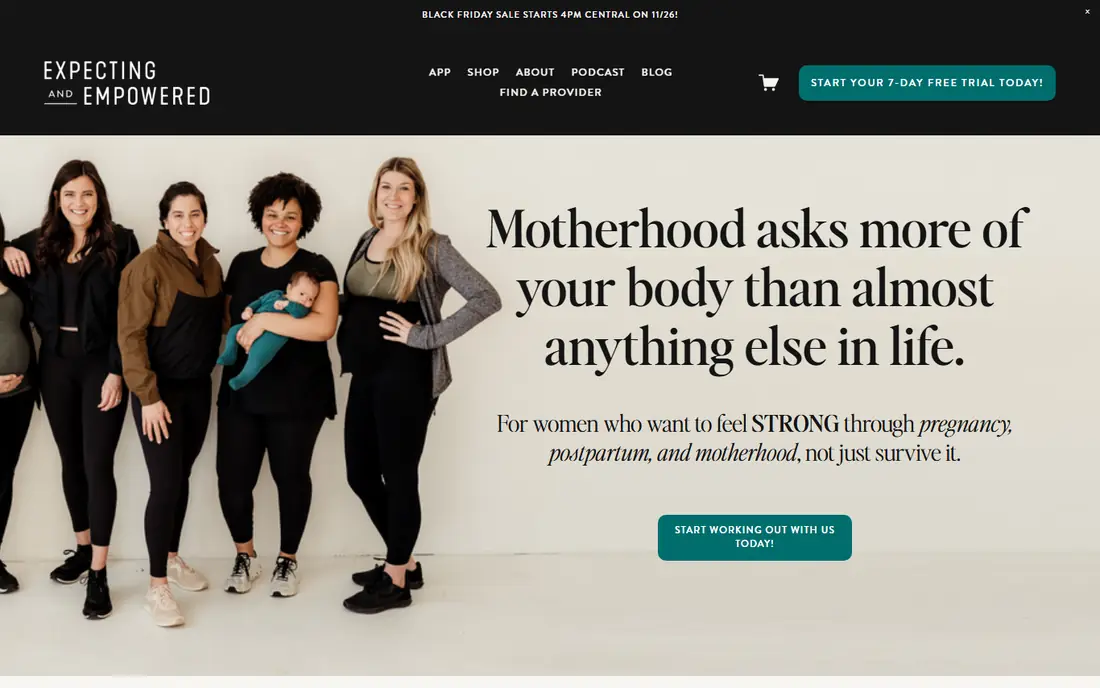
Expecting and Empowered is our pick for most pregnant users who want a clear plan without a gym. Programs follow each trimester, workouts run at home in about 30 minutes, and guidance covers safe movement as the body changes. The app also includes postpartum programs, so the same subscription can carry you into recovery.
Full access needs a subscription, and some workouts use light equipment, so check what you need before week one. The structure is the real value: you open the app, see the workout for your stage, and move, rather than piecing together random videos. That simplicity helps on days when energy is low.
- Trimester based programs
- Home friendly workouts around 30 minutes
- Postpartum programs included
- Subscription only for full access
- Equipment needs vary by program
MamasteFit pairs prenatal strength training with birth preparation education, which sets it apart from apps that only list workouts. Programs cover pregnancy, birth prep, cesarean support, and postpartum progression, with clear teaching on how movement supports labor and recovery. That depth suits users who want to understand the why behind each session, not just follow along.
The monthly price is higher than many rivals, and the strength emphasis may feel intense for users who prefer gentle classes. If you already lift or want a training plan that treats birth as an athletic event to prepare for, MamasteFit is a strong, focused choice.
- Birth prep and strength focus
- Education alongside workouts
- Pregnancy to postpartum progression
- Higher monthly price than simpler apps
- Strength focus may not suit everyone
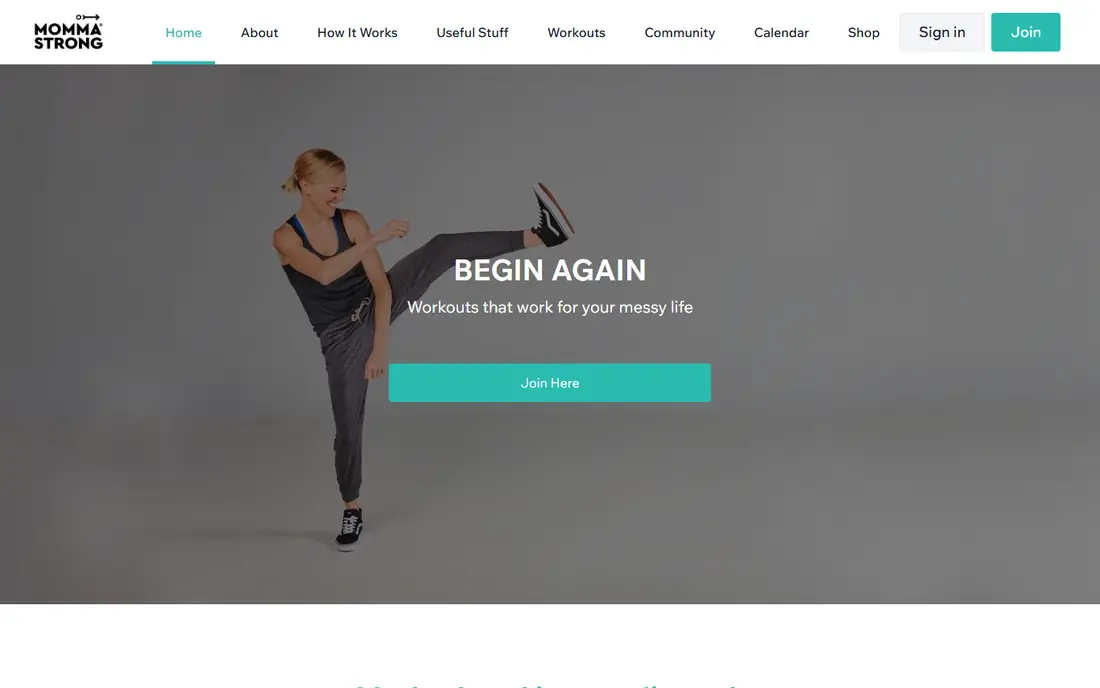
Mommastrong, now closely linked with the Every Mother platform, offers short daily workouts built for busy parents. Sessions are brief, equipment light, and designed to fit around naps and work, which matters when a long gym session is unrealistic. The tone is supportive rather than punishing, with an emphasis on feeling strong rather than chasing a pre pregnancy body.
Pricing and plan names have changed over time, so confirm the current offer on the official site. Trimester detail is also lighter than Expecting and Empowered or MamasteFit. For a daily habit you can actually keep, Mommastrong is an easy, low pressure pick.
- Short daily workouts
- Supportive community tone
- Pregnancy and postpartum tracks
- Pricing varies by plan, so check the site
- Less trimester detail than some rivals
MUTU System focuses on core and pelvic floor health from pregnancy through postpartum and beyond. Guided sessions run about 12 minutes, with clear instruction on breathing, core engagement, and safe progression. Modifications cover pregnancy, prolapse, and pelvic floor symptoms, and expert support is available in the member community.
It is not a general fitness app, so users who want cardio or strength variety will need another source. The program still earns its place, since pelvic floor and core issues are common in pregnancy and after birth, and few apps teach them this carefully. Start with the free trial to see if the pace suits you.
- Pelvic floor and core focus
- 12 minute guided sessions
- 10 day free trial
- Narrower than a full fitness app
- Annual price in dollars is higher than the monthly equivalent
Baby2Body pairs pregnancy workouts with nutrition, mindfulness, symptom tracking, and weekly guidance. That breadth suits users who want one app for the whole pregnancy, rather than separate tools for fitness, food, and wellbeing. Free content lets you try the style before paying for premium weekly plans, recipes, and guided sessions.
Specialist training apps go deeper on strength or birth prep, so Baby2Body is better as a balanced wellness companion than a pure training plan. If you want gentle workouts plus daily pregnancy support in one place, it is a friendly and practical choice.
- Workouts plus nutrition, mindfulness, and symptom tools
- Weekly plans
- Free content to start
- Fitness depth is lighter than specialist training apps
- Premium features need a subscription
The Bloom Method offers a large library of prenatal video classes in a studio style format, covering strength, Pilates inspired work, and postnatal classes. Users who enjoy choosing a class by mood or energy level will like the variety, and coaching support adds guidance beyond the videos. It feels closer to a boutique studio than a checklist app.
That freedom is also the drawback for users who want a fixed daily plan. Without a set program, it is easier to drift or repeat the same class. If you love class based training and want pregnancy safe options in that format, Bloom is a strong pick.
- Large prenatal class library
- Studio style video classes
- Pre and postnatal programs
- Class style may not suit users who want a set daily plan
- Subscription only
PregActive offers guided pregnancy exercise videos with trimester guidance and postpartum follow on programs. The focus stays on safe, pregnancy specific movement, rather than adapting general workouts. That clarity helps users who worry about which exercises are suitable at each stage.
Its profile is smaller than the leading apps, so community and support resources are thinner. Pricing also needs a check on the official site, since plans vary. For a straightforward video program built only for pregnancy, PregActive remains a useful option.
- Pregnancy specific guided videos
- Trimester guidance
- Postpartum programs
- Smaller profile than larger rivals
- Pricing needs a check on the official site
Knocked-Up Fitness focuses on prenatal and postpartum training, with an emphasis on core, pelvic floor, and safe strength progression. Coach led programs guide users through pregnancy and into recovery, which suits people who want training expertise rather than a large video library. The teaching on diastasis recti and core function is a useful extra.
Plan details and pricing need a check on the official site, and the app experience is less polished than the biggest rivals. If coaching and core focused training matter more to you than app design, Knocked-Up Fitness is worth a closer look.
- Prenatal and postpartum training focus
- Core and pelvic floor teaching
- Coach led programs
- Pricing and current plan details need a site check
- Less app polish than larger rivals
Sweat is a general fitness app with prenatal programs inside a much larger training library. That breadth suits users who already train with Sweat and want to stay on the same platform through pregnancy. Tracking, programs, and community features are more developed than in many pregnancy only apps.
Pregnancy is a track, not the whole product, so depth on birth prep or pelvic floor work is lighter than specialist rivals. A free trial lets you test whether the prenatal programs feel right. For active users who want continuity, Sweat is a practical choice.
- Large fitness platform
- Prenatal programs alongside other training
- Strong tracking and community
- Pregnancy is one track among many, not the whole focus
- Subscription covers a broad app
How we picked these
We compared official sites and app listings for programs built for pregnancy or with dedicated prenatal tracks, and we kept only services that are live and clearly describe trimester guidance or postpartum follow on. We favored specialist prenatal programs over general fitness apps with a token pregnancy section, and we flagged free trials and free content where the vendor offers them. Prices are taken from vendor or app listings where verified, and listed as See website where they vary by plan.
How to choose a safe prenatal workout plan
Start with clinician clearance, then match the app to your stage and experience. First time exercisers often do best with a structured home program such as Expecting and Empowered, while experienced lifters may prefer MamasteFit. Users with pelvic floor concerns should look closely at MUTU System, and users who want variety may prefer Bloom or Sweat.
Also check practical details: session length, equipment, and whether the app adjusts by trimester. A 12 minute core session fits a busy day better than a 60 minute class you skip. Listen to your body, avoid overheating and lying flat for long periods in later pregnancy unless your clinician advises otherwise, and treat any warning symptom as a reason to stop and seek advice.
Frequently asked questions
What is the best pregnancy workout app?
The best pregnancy workout app for most users is Expecting and Empowered, thanks to its trimester based home programs and postpartum follow on. MamasteFit suits strength focused users, MUTU System suits pelvic floor and core work, and Baby2Body suits wider pregnancy wellness. Get clinician clearance first, then pick by training style.
What is the best pregnancy exercise app for beginners?
Beginners often do best with Expecting and Empowered or Baby2Body, since both offer guided, home friendly sessions with clear stage guidance. Start with short sessions, build up slowly, and stop if you feel pain or dizziness. Your clinician can advise on limits for your own pregnancy.
What is the best prenatal workout app for pelvic floor health?
MUTU System is the strongest pick for pelvic floor and core work, with short guided sessions and modifications for pregnancy and postpartum symptoms. Knocked-Up Fitness also teaches core and pelvic floor function in its training programs. Either pairs well with a general prenatal workout app.
What is the best pregnancy fitness app for strength training?
MamasteFit leads for birth focused strength training, with programs that run from pregnancy through postpartum. Expecting and Empowered also includes strength work in its home programs. If you are new to lifting, start light, focus on form, and ask your clinician about safe loads.
Are pregnancy workout apps safe?
Pregnancy workout apps can be safe for many people when used with clinician clearance and sensible limits, but they are not a substitute for medical advice. Stop and seek care for pain, bleeding, fluid leakage, dizziness, chest pain, or reduced fetal movement. Tell your clinician which app and program you plan to follow.
Sources
See where you really rank - block by block
ProMapRanker scans Google Maps across a grid of your service area. Simple monthly plans from $19, white-label on every plan.
Start freeKeep reading
 zoro.to alternatives
Best Zoro.to Alternatives in 2026
We compare the best zoro.to alternatives in 2026, listing only legal licensed anime streaming services, from Crunchyroll to free options for fans today.
Read → zip alternatives
Best Zip Alternatives in 2026
We compare the best zip alternatives for buy now, pay later in 2026, covering pay-in-4 plans, fees, spending limits, and credit reporting options today.
Read → yesware alternatives
Best Yesware Alternatives in 2026
Compare the best yesware alternatives for sales email tracking, templates, and sequences, with current pricing and honest tradeoffs for small sales teams.
Read →