 ProMapRanker
Best Point of Sale Software for Retail in 2026

Key takeaways
- Square is the best starting point for most new shops, since its free plan lets you sell the same day with no monthly software fee.
- Shopify POS suits shops that already sell online with Shopify, since it keeps online and in store stock in one system.
- Lightspeed Retail suits inventory heavy shops with many variants, sizes, or locations, though it costs more and takes longer to learn.
- Card processing fees often matter more than the monthly fee once volume grows, so compare both before you sign.
- Clover, Epos Now, and KORONA suit shops that want specific hardware, a flat fee, or freedom to choose a payment processor.
Quick comparison
| Pick | Great for | Pricing starts at | Free tier | |
|---|---|---|---|---|
 Square | New and small shops | Free | Yes | Visit |
 Shopify POS | Shopify online plus in store retail | $39 per month | Free trial | Visit |
 Lightspeed Retail | Inventory heavy multi location retail | $89 per month | Free trial | Visit |
 Clover | Hardware focused counters | See website | No | Visit |
 Epos Now | Budget shops wanting a flat fee | $39 per month | Free trial | Visit |
 Heartland Retail | Multi store inventory and purchasing | $80 per month | No | Visit |
 KORONA POS | Shops wanting processor choice | $59 per month | Free trial | Visit |
 PayPal Zettle | Market sellers and micro merchants | Free | Yes | Visit |
The best point of sale software for retail
We compared retail POS systems on software price, card fees, inventory depth, hardware, and online selling, using official pricing pages and 2026 comparisons. Hardware costs are separate in most cases, so check those before you budget.
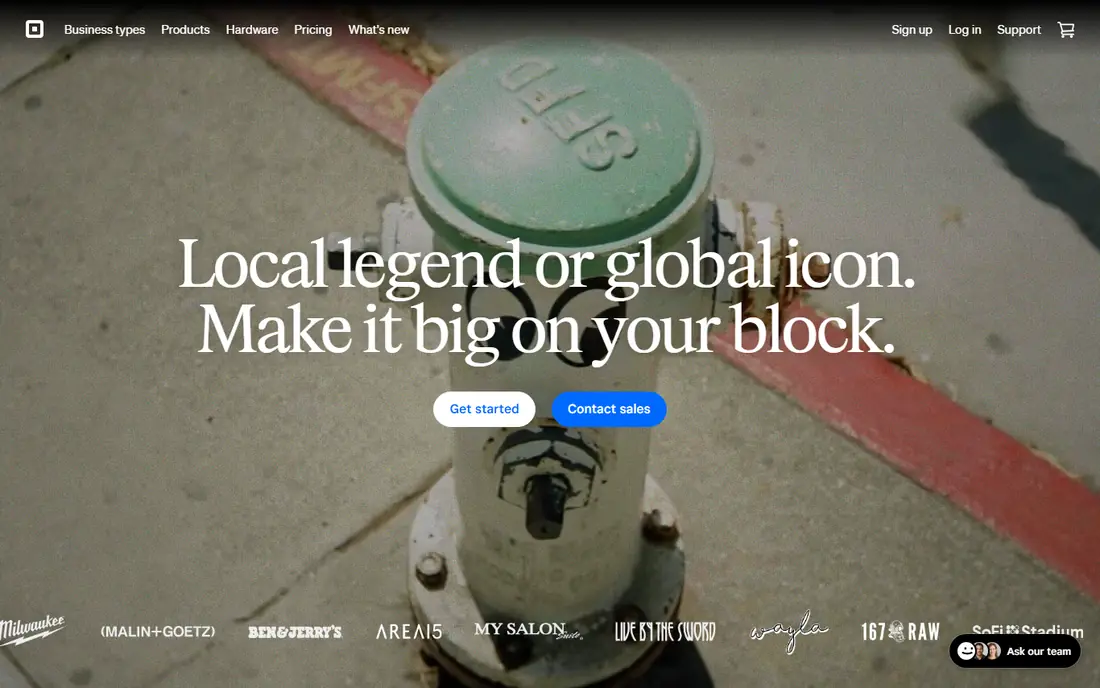
Square is our pick for most new retail shops. The free plan covers selling, basic inventory, customer profiles, digital receipts, and gift cards, with in person processing around 2.6 percent plus 15 cents. You can start with a phone and a low cost reader, then add a terminal or register as the shop grows. Paid plans add deeper inventory, reporting, and lower processing rates for higher volume shops.
Square is a generalist, not a specialist. A bike shop with size, frame, and color variants, or a multi location apparel chain with purchase orders, will find Lightspeed or Heartland stronger. For a single shop, a pop up, or a market stall that needs to sell this week, Square removes most of the friction that slows other systems down.
- Free plan with no monthly fee
- Fast setup
- Online store included
- Generalist inventory
- Advanced retail features need paid plans
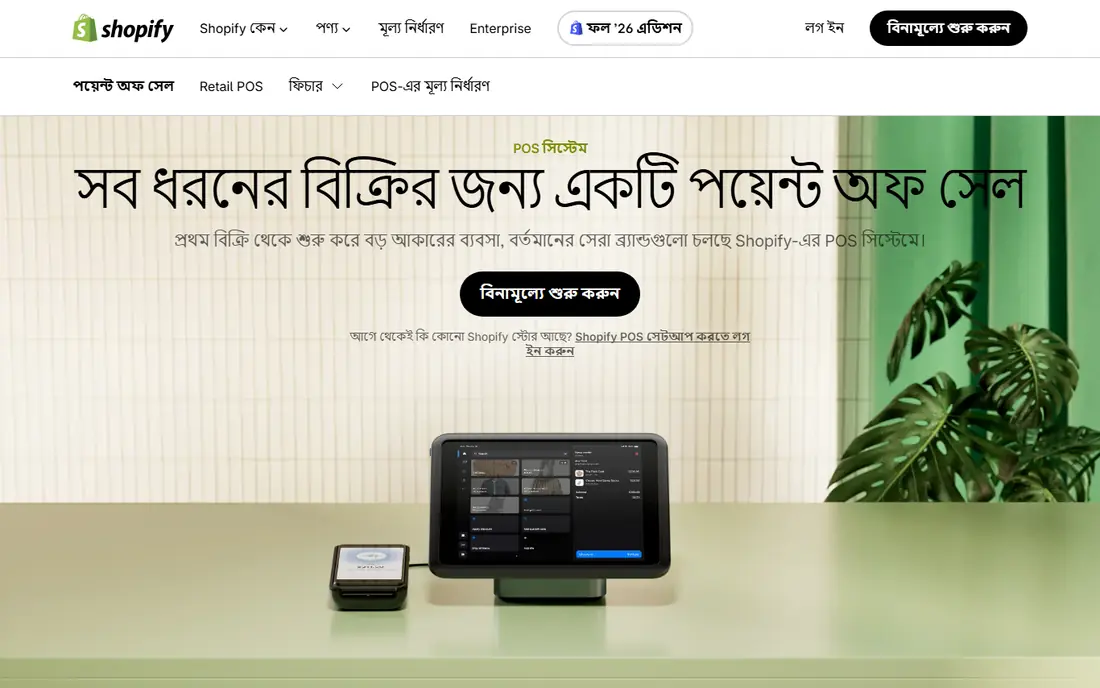
Shopify POS is the obvious pick if your shop already sells on Shopify. POS Lite is included with a Shopify plan, starting at $39 per month for Basic in many listings, and it keeps online orders, in store sales, and stock levels in one place. That single stock count prevents the common problem of selling online an item that sold in store an hour earlier.
POS Pro, listed at $89 per location per month in several 2026 comparisons, adds features such as advanced inventory, staff permissions, and omnichannel selling tools. The cost adds up for several locations, and Shopify POS is a poor fit if you do not want a Shopify online store. For online first retailers adding a shop, though, it is the cleanest choice.
- Online and in store stock stay in sync
- Strong online store tools
- POS Pro adds deeper retail features
- Needs a Shopify plan
- POS Pro costs $89 per location per month in many listings
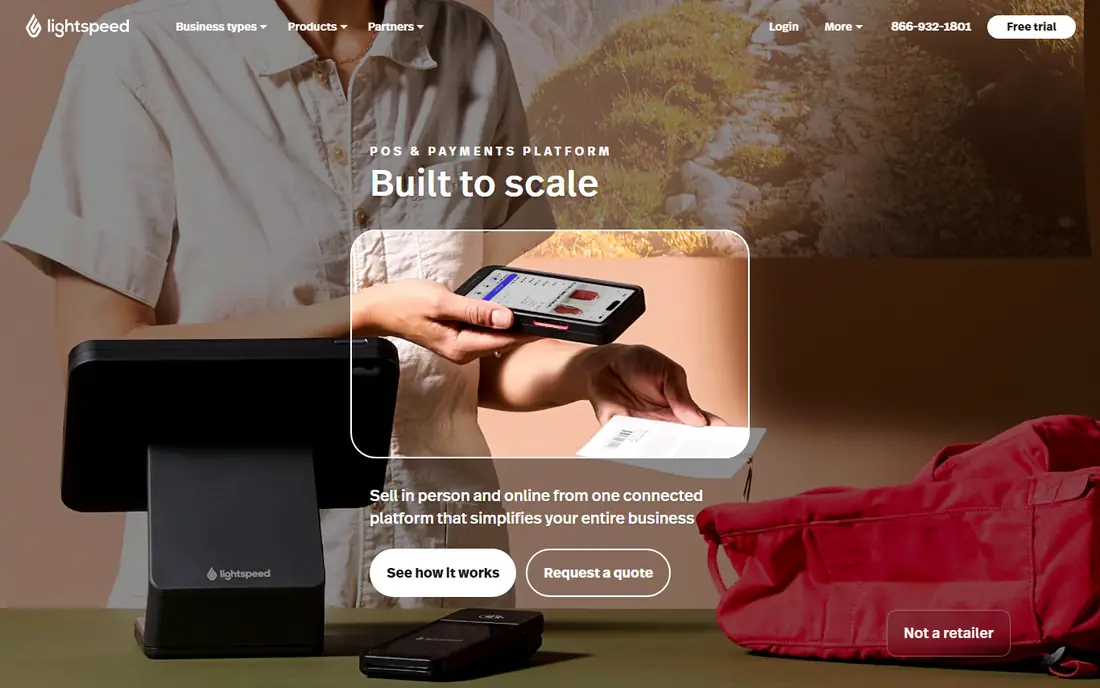
Lightspeed Retail suits shops where inventory is the business. Apparel, footwear, sporting goods, and specialty shops can manage variants by size and color, track stock across locations, and run purchase orders from the same system. That depth is why many growing retailers move to Lightspeed after outgrowing Square or Shopify POS Lite.
The price starts at $89 per month billed annually in several 2026 listings, with higher tiers for more features, and hardware is extra. Setup also takes longer, since catalogs, variants, and supplier data need care. If your catalog is small and simple, Lightspeed is more system than you need, but if stock errors cost you sales, its inventory tools pay for themselves.
- Strong matrix inventory
- Multi location stock control
- Purchase order workflows
- Higher price
- Steeper learning curve
- Hardware costs extra
Clover suits shops that want a polished countertop system with a choice of terminals, handhelds, and registers. The hardware looks good in a store, the software covers selling, inventory, and customer tools, and an app marketplace adds loyalty, ordering, and reporting options. Busy counters that need a fast, dedicated device often prefer Clover to a phone based setup.
Pricing is the warning. Clover prices vary by plan and by where you buy, with direct listings from around $14.95 per month for starter plans to much higher register plans, and reseller terms can add fees. Get the full contract, including processing rates, hardware costs, and cancellation terms, in writing before you sign. Buy direct where possible, and compare the total monthly cost, not just the device price.
- Wide hardware range
- Polished countertop setups
- App marketplace
- Pricing varies by seller and plan
- Reseller contracts can hide fees
Epos Now suits budget conscious shops that want one flat software fee rather than a tiered plan maze. Listings in 2026 put software from $39 per month, with in person processing around 2.6 percent plus 10 cents through Epos Now Payments. It covers selling, inventory, reporting, and customer tools for a single shop or a small chain.
The flat fee does not include hardware or processing, so the monthly total is higher than $39 once cards are counted. Add ons for loyalty, online ordering, or advanced reporting can also raise the cost. Still, for a shop that wants predictable software pricing and a 30 day trial to test the system, Epos Now is a solid mid priced option.
- Flat software fee in many listings
- 30 day trial in some listings
- Covers retail and hospitality
- Processing fees separate
- Add ons can raise the total
Heartland Retail, formerly Springboard Retail, is built for multi store retailers who live in inventory and purchasing data. It tracks stock across locations, manages vendors and purchase orders, and reports on sales by store, category, and product. That focus suits apparel, footwear, and specialty chains that need to move stock between shops without spreadsheet work.
Starting pricing is listed around $80 per month per selling station for a Plus plan in 2026 comparisons, with a higher Professional tier, so a single small shop may find Square or Epos Now cheaper. For a growing chain, the inventory control and purchasing workflows matter more than a low headline fee, and Heartland is worth a demo alongside Lightspeed.
- Strong inventory and purchasing for multi store retail
- Good reporting
- US support focus
- Higher starting price
- Less suited to a single micro shop
KORONA POS suits shops that do not want to be locked into one payment processor. You can pair the POS with a processor of your choice, which can lower processing costs for higher volume shops or keep an existing processor relationship. The system covers retail selling, inventory, customer management, and reporting, and it runs in the cloud across devices.
The trade off is choice. More processor and hardware decisions fall on the shop owner, and the app ecosystem is smaller than Square or Shopify. KORONA is best for owners who know their processing costs, want to negotiate them, and are happy to set up a system with guidance rather than a fully bundled package.
- Lets shops choose their own payment processor
- Cloud based
- Works for retail and hospitality
- Smaller ecosystem than Square or Shopify
- Setup needs more decisions
PayPal Zettle suits market sellers, pop ups, and brand new shops that sell in small volumes. There is no monthly software fee, and in person processing is listed around 2.29 percent plus 9 cents in 2026 comparisons. A low cost reader and a phone are enough to start, and PayPal integration helps shops that already use PayPal online.
Zettle is not a multi location inventory system. Shops with large catalogs, variants, or several stores will outgrow it quickly and should look at Square paid plans, Shopify POS, or Lightspeed. For a first stall, a side business, or a shop testing in person sales, Zettle keeps costs low until volume justifies a larger system.
- No monthly software fee
- Low cost readers
- Simple setup for small sellers
- Lighter inventory than Lightspeed or Heartland
- Limited multi location depth
How we picked these
We compared official pricing pages, 2026 POS comparisons, and feature guides for retail focused systems active in 2026. We gave weight to inventory depth, card fees, hardware options, and online selling, and we marked pricing as See website where it varies by seller or plan. We left out restaurant only systems, since this list is for retail shops.
What to check before you buy a retail POS
Start with how you sell. A single shop with a small catalog needs a different system from a three store apparel chain. List your catalog size, variant needs, locations, online sales, and average card volume before you demo anything. A system that fits today but cannot handle a second location will cost you a second migration later.
Compare software fees and card fees together
A free software plan with a higher card rate can cost more than a paid plan with a lower rate once volume grows. Work out your monthly card volume and average ticket, then compare software plus processing for each system. Check hardware costs separately, since a register, terminal, scanner, and printer can add hundreds or thousands per location.
Test inventory and returns in a trial
During a trial, add real products with variants, sell and refund an item, move stock between locations if you have them, and run an end of day report. Check how online stock updates after an in store sale, and whether staff permissions limit refunds and discounts. A system that looks good in a demo but frustrates staff at the till will cost sales and goodwill.
Frequently asked questions
What is the best pos software for a retail store?
Square is best for most new and small retail stores, Shopify POS is best for Shopify online sellers, and Lightspeed Retail is best for inventory heavy stores. Clover suits hardware focused counters, while Epos Now and Zettle suit budget shops. Pick by catalog size, locations, and online sales, not by brand alone.
What is the best pos software for retail with multiple locations?
Lightspeed Retail and Heartland Retail lead for multi location inventory, since both track stock across stores and manage purchasing. Shopify POS Pro also suits multi location Shopify retailers. Compare per location fees, stock transfer tools, and reporting by store before you choose.
What is the best retail point of sale software for a small shop?
Square free plan is the best starting point for a small shop, since it has no monthly software fee and a fast setup. PayPal Zettle is a good alternative for market sellers with very low volume. Upgrade to a paid plan only when inventory, reporting, or staff needs outgrow the free tier.
What is the top retail point of sale software for online and in store selling?
Shopify POS is the top choice for online and in store selling when you already use Shopify, since stock stays in sync across channels. Square also offers online selling through Square Online. If online sales are a small share of revenue, a strong in store system with basic online tools may be enough.
How much does retail POS software cost?
Software ranges from free for Square and Zettle to $39 per month for Shopify Basic and Epos Now, $59 for KORONA, $80 for Heartland, and $89 for Lightspeed and Shopify POS Pro in many listings. Add hardware and card processing, which is often 2.3 to 2.6 percent plus a small per transaction fee for in person sales. Always compare the total monthly cost.
Do I need to buy hardware with a POS system?
Not always. Square and Zettle can run on a phone with a low cost reader, which suits markets and pop ups. A fixed shop usually benefits from a terminal or register, a receipt printer, and a scanner. Budget hardware separately, and check whether a system locks you into its own devices or allows third party hardware.
Sources
See where you really rank - block by block
ProMapRanker scans Google Maps across a grid of your service area. Simple monthly plans from $19, white-label on every plan.
Start freeKeep reading
 zoho inventory alternatives
6 Alternatives to Zoho Inventory, Compared on Price and Fit
Zoho Inventory alternatives: 6 tools compared on price, free plans and fit. Katana leads the list for manufacturers. Fit and flaws are laid out for each entry.
Read → zoho crm alternatives
Best Zoho CRM Alternatives (2026)
Need Zoho CRM alternatives? We compare 7 tools on cost, free access and who each suits. Every pick gets a straight assessment. Built for quick decisions.
Read → zelle alternatives
Best Zelle Alternatives in 2026
Compare the best Zelle alternatives for sending money to friends, paying sellers and moving funds abroad, with honest notes on fees, speed and safety in 2026.
Read →