 ProMapRanker
Best Platforms for Job Posting in 2026

Key takeaways
- Indeed offers the widest reach for most roles, with free posts plus sponsored options for more visibility.
- LinkedIn is best for professional and salaried roles, and for reaching passive candidates who are not actively applying.
- ZipRecruiter suits small businesses that want fast distribution to many boards from one post.
- Handshake is the best pick for entry level and campus hiring, while Dice leads for tech roles.
- Sponsored and promoted pricing varies by role and location, so set a budget and track cost per qualified applicant.
Quick comparison
| Pick | Great for | Pricing starts at | Free tier | |
|---|---|---|---|---|
 Indeed | Widest reach | Free | Yes | Visit |
 LinkedIn | Professional roles | Free | Yes | Visit |
 ZipRecruiter | Fast small business hiring | See website | No | Visit |
 Handshake | Campus and entry level | Free | Yes | Visit |
 Glassdoor | Employer brand plus jobs | See website | No | Visit |
 Dice | Tech and IT roles | See website | No | Visit |
 Wellfound | Startup and tech hiring | Free | Yes | Visit |
 Snagajob | Hourly and retail roles | See website | No | Visit |
The best platforms for job posting
We compared the best platforms for job posting on reach, candidate quality, pricing, application tools and employer branding. The eight below cover general hiring, professional roles, campus hiring, tech and hourly work.
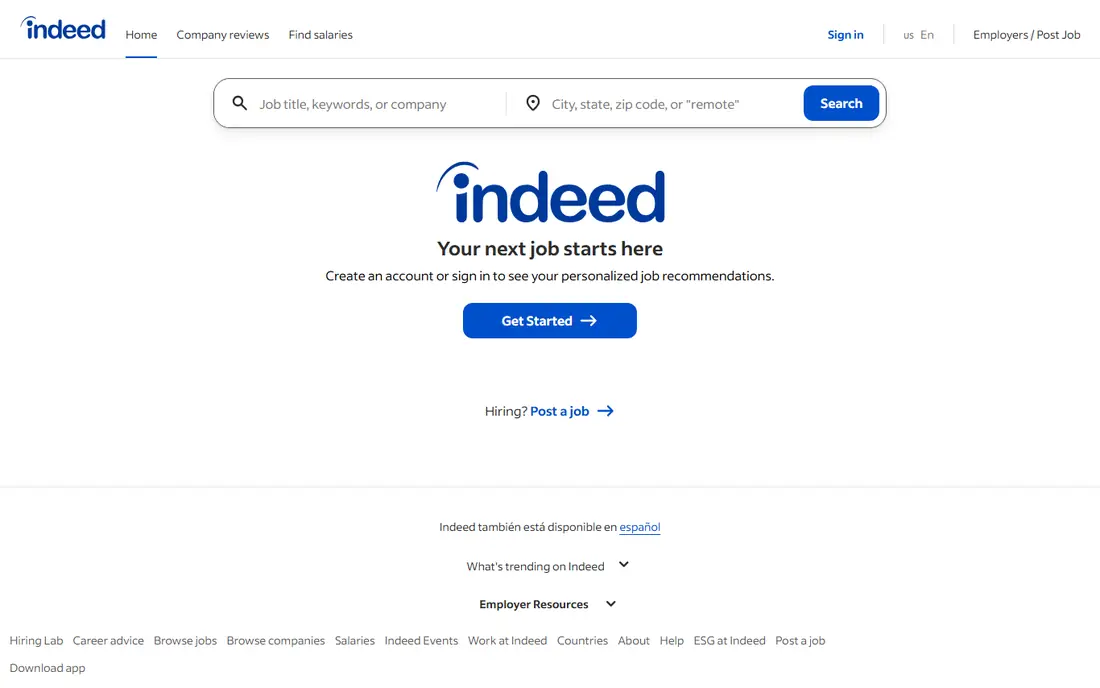
Indeed is the first place most employers should post, because it is where most job seekers start. Free posts are available, with a limited number per month for many employers, and sponsored jobs use a budget based model that charges per click or per started application. That combination lets a small business start free and pay only when it needs more visibility.
Volume is the drawback. A popular role can attract many applicants, including people who do not meet the basic requirements. Screening questions, clear must have criteria and a short application form help filter that volume. Indeed is best for general roles where reach matters most, and where you can handle screening.
- Largest job search audience in the US
- Free posts available
- Sponsored jobs boost visibility
- Free posts get limited visibility
- Sponsored cost varies by role and competition
- High volume can mean many unqualified applicants
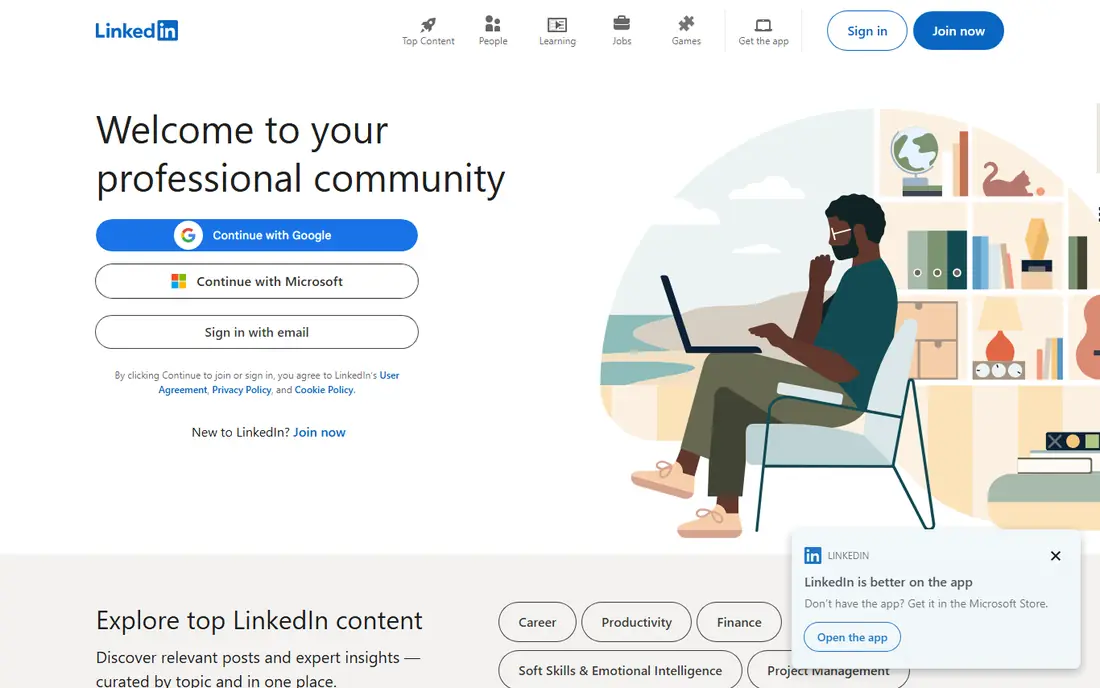
LinkedIn is the best platform for professional, salaried and specialist roles. A job post reaches people who follow your company, plus candidates in your network, and recruiter tools can reach passive candidates who are not actively applying elsewhere. Profile based applications also give a richer view of a candidate than a resume alone.
The free post is limited, usually to one job at a time, and promoted jobs charge per click with rates that vary by role and location. LinkedIn is less effective for hourly, retail or trades roles, where Indeed, Snagajob or Craigslist may bring more applicants. Use LinkedIn when experience, network and professional fit matter most.
- Professional network and passive candidates
- Profile based applications
- Strong employer branding
- Free post is limited to one at a time
- Promoted costs vary
- Less suited to hourly roles
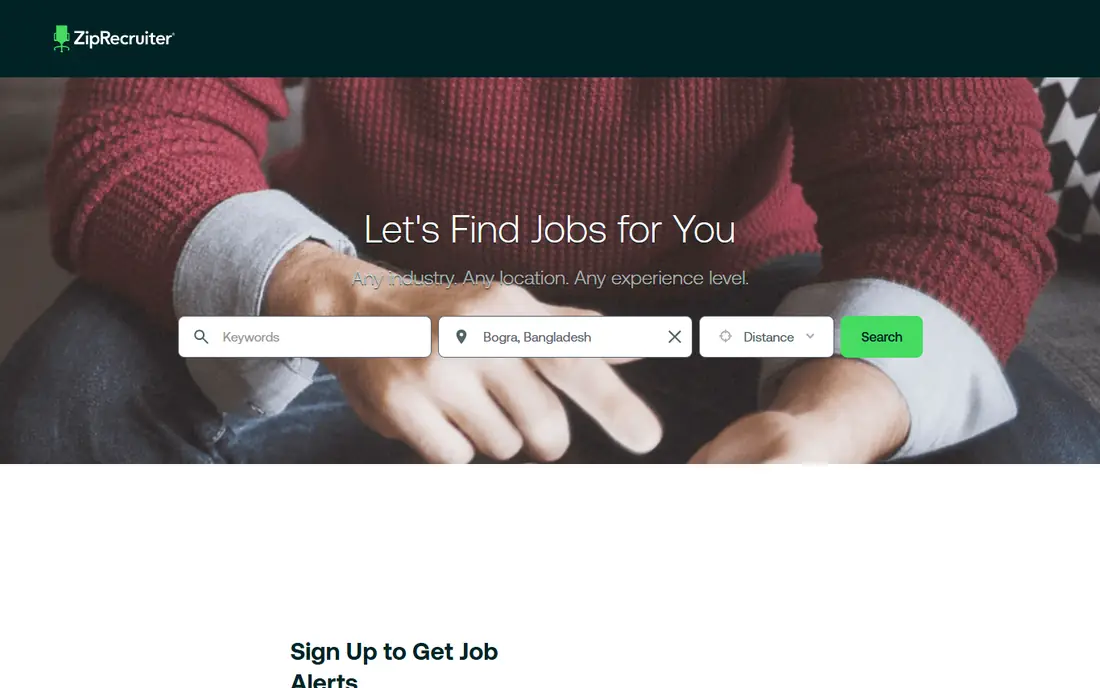
ZipRecruiter is built for speed. One post is distributed to more than 100 job boards, and matching technology invites candidates whose resumes fit the role. That outbound approach helps small businesses without a recruiter, because applications arrive without waiting for candidates to find the post.
Pricing is less transparent than Indeed or LinkedIn, with plans often quoted by sales and a trial that can auto convert. A job slot can also be costly if you hire slowly. ZipRecruiter suits a small business that wants fast distribution and matching, and that will watch trial dates and plan costs closely.
- Distributes one post to many boards
- AI matching and candidate invitations
- Resume database access
- Pricing is quote based for many plans
- Trial can auto convert if you do not cancel
- Cost per job slot can be high
Handshake connects employers with students and recent graduates from colleges and universities across the United States. Profiles are school verified, which helps for internships and entry level roles, and basic posting is free. That campus reach is hard to match on a general board, where early career candidates are mixed with experienced applicants.
Handshake is not a general hiring tool. Senior, specialist and hourly roles outside campus hiring will get little traction here. Paid upgrades and promoted jobs add reach, but the core value is early talent. Use Handshake for internships, graduate roles and entry level hiring, and pair it with Indeed for other roles.
- Access to students and recent graduates
- School verified profiles
- Free basic posting
- Limited to early career talent
- Paid upgrades needed for promoted reach
- Less suited to senior roles
Glassdoor matters because candidates research a company before they apply. Job posts appear alongside salary information, reviews and company insights, so a strong employer profile can improve application quality. Branding tools let you tell your story, highlight benefits and respond to reviews.
Posting on Glassdoor is often bundled with Indeed, so check you are paying twice for the same reach. Reviews also need attention, because an unanswered negative review can deter good candidates. Glassdoor is best as a branding plus jobs channel, not as your only posting site.
- Job posts alongside salary and review information
- Employer branding tools
- Candidates research before applying
- Posting is bundled with Indeed in many cases
- Standalone pricing is less clear
- Reviews need active management
Dice is the specialist pick for technology and IT hiring. Candidates are tech focused, filters cover languages, frameworks and certifications, and salary data helps set realistic pay for a role. That focus means fewer unqualified applicants than a general board for a developer, engineer or data role.
The audience is smaller than Indeed or LinkedIn, and pricing is often quoted rather than published. Dice is not useful for non tech roles, so a mixed hiring plan still needs a general board. Use Dice when a tech role needs a focused pool, and use Indeed or LinkedIn for the rest of your hiring.
- Tech focused candidate pool
- Tech specific filters and salary data
- Resume database for tech skills
- Pricing is quote based for many plans
- Narrow focus limits non tech hiring
- Smaller total audience than Indeed
Wellfound, formerly AngelList Talent, is built for startup hiring. Job posts are free, candidates are often startup and tech focused, and profiles show salary and equity expectations upfront, which reduces wasted conversations. Founders can also message candidates directly, which suits small teams without a recruiter.
Traditional employers and non tech roles will find a smaller, less relevant pool here. Advanced outreach and search features need the paid Recruit Pro plan. Wellfound is best for a startup hiring tech, product or early team roles, where equity and mission matter as much as salary.
- Free job posts
- Startup focused candidates
- Salary and equity transparency in profiles
- Best for startups and tech, less for traditional employers
- Paid Recruit Pro needed for advanced outreach
Snagajob focuses on hourly work in retail, food service, hospitality and warehouses. The application flow is fast and mobile friendly, which matters for hourly candidates who apply from a phone and expect a quick response. Some tools support same day hiring, which helps when a store needs staff urgently.
Pricing varies by market and plan, and is often quoted rather than published. Salaried and professional roles will not perform well here. Snagajob is best for hourly hiring where speed and volume matter, and where a short, mobile application beats a long resume based process.
- Hourly worker focused pool
- Fast application flow
- Same day hiring tools for some roles
- Pricing varies and is often quoted
- Less suited to salaried roles
- Applicant quality varies by market
How we picked these
We compared official pricing pages, posting options, candidate pools and application tools for job platforms used by US employers in October 2026, plus public employer guides on reach and cost. We kept only platforms with a real job board, a US audience and a clear posting route for employers. We did not claim hands on testing that did not happen, and we treated sponsored cost ranges as budgeting guides, because auction based pricing varies by role and location.
How to post a job that attracts good applicants
Start with a clear title and salary range. A title that matches what candidates search for, plus a realistic pay range, will bring more qualified applicants than a creative title with no pay information. Put the must have requirements first, keep the description short, and say what the job actually involves day to day.
Next, choose platforms by role, not by habit. Post general roles on Indeed, professional roles on LinkedIn, entry level roles on Handshake, tech roles on Dice or Wellfound, and hourly roles on Snagajob. One post on the right platform beats three posts on the wrong ones, and it saves screening time.
Finally, respond fast and track source quality. Reply to strong applicants within a day or two, because good candidates move quickly. Track which platform brought qualified applicants, not just total applicants, and shift budget to the platform with the best cost per hire. A simple spreadsheet of source, applicants, interviews and hires is enough to guide the next post.
Frequently asked questions
What is the best platform for job posting overall?
Indeed is the best overall platform for most employers, because it offers the widest reach and free posts plus sponsored options. LinkedIn is better for professional roles, and ZipRecruiter is better for fast small business distribution. The best platform depends on the role, not on a single ranking.
What are the best job search platforms for job seekers?
Indeed, LinkedIn and ZipRecruiter are the strongest general job search platforms for job seekers, because they cover the most roles and offer alerts and easy apply options. Handshake suits students, Dice suits tech candidates, and Snagajob suits hourly workers. Using two platforms in parallel usually works better than one.
What is the best hiring platform for small business?
ZipRecruiter and Indeed are the strongest picks for small business hiring. ZipRecruiter distributes one post widely and invites matching candidates, while Indeed offers free posts and budget based sponsored visibility. Start with Indeed for cost control, and add ZipRecruiter when you need faster distribution.
Is it free to post a job on Indeed?
Yes, Indeed offers free job posts, with limits on the number of free posts per month for many employers. Free posts get less visibility than sponsored posts, which use a budget based model. Sponsored jobs can be paused or closed when you have enough applicants, which helps control cost.
What is the best job posting site for tech roles?
Dice is the best specialist site for tech roles, because its pool and filters are tech focused. Wellfound is strong for startup tech roles, and LinkedIn is strong for senior and specialist tech hiring. For a single tech role, posting on Dice plus LinkedIn usually covers both specialist and professional audiences.
How much does it cost to post a job?
Free posting is available on Indeed, LinkedIn and Handshake with limits. Sponsored and promoted jobs use budget based pricing that varies by role, location and competition. ZipRecruiter, Dice, Glassdoor and Snagajob often use quoted plans, so request a quote and confirm trial and renewal terms before you commit.
Sources
See where you really rank - block by block
ProMapRanker scans Google Maps across a grid of your service area. Simple monthly plans from $19, white-label on every plan.
Start freeKeep reading
 zendesk alternatives
Best Zendesk Alternatives in 2026
Compare the best Zendesk alternatives in 2026, from budget help desks to AI-first support tools, with current pricing, free plans, and honest trade-offs.
Read → wordpress alternatives
Best WordPress Alternatives in 2026
Looking for the best WordPress alternatives? We compare 8 free and paid options for blogs, business sites, stores, and developer-led projects in 2026.
Read → which real estate company has the best training
Best Real Estate Company Training in 2026
Compare which real estate company has the best training, from Keller Williams and eXp to Compass and Coldwell Banker, by program, mentor, and fit in 2026.
Read →