 ProMapRanker
Platforms for Creating Generative Video: Best Picks of 2026


Iterative creative work with context · Pricing starts at: See website
Direct answer
Start with Luma Dream Machine if you need Iterative creative work with context. Listed starting prices: Pika from $10 per month, Synthesia from $19 a month and HeyGen from $29 a month. Alternatives: Pika for one system with plenty of video models, and Veo for high-fidelity generative video from prompts. The remaining 2 options are covered below with prices and limits.
This ProMapRanker guide covers 5 options for platforms for creating generative video. Each profile lists a starting price, free plan details, strengths and drawbacks, so you can drop poor fits quickly.
Key takeaways
- Luma Dream Machine sits first on this list: Iterative creative work with context.
- Pika is the lowest-priced starter here at $10 per month.
- HeyGen fits personal avatar videos without filming.
- Only 3 of the 5 tools have a free plan (Pika, Synthesia, HeyGen), so check the caps.
Quick comparison
| Pick | Great for | Pricing starts at | Free tier | |
|---|---|---|---|---|
| Luma Dream Machine | Iterative creative work with context | See website | Not stated | Visit |
 Pika | One system with plenty of video models | $10 per month | Yes | Visit |
 Veo | High-fidelity generative video from prompts | See website | Not stated | Visit |
 Synthesia | Business training and communication video | $19 a month | Yes | Visit |
 HeyGen | Personal avatar videos without filming | $29 a month | Yes | Visit |
Platforms for Creating Generative Video, one by one
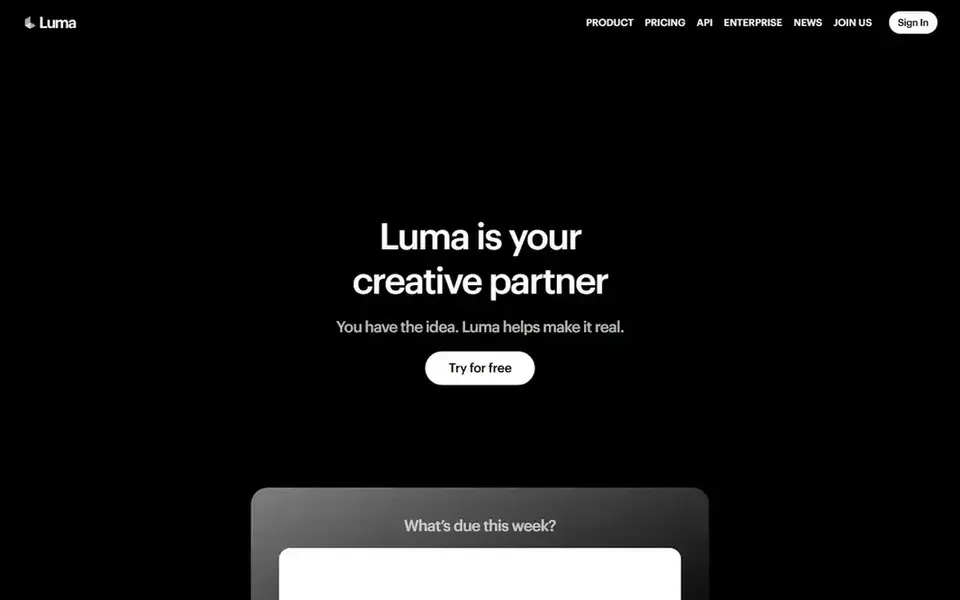
Luma Dream Machine is built with Iterative creative work with context in mind. Consider an avatar product when you need a consistent on-screen presenter. Luma Dream Machine is presented by Luma as creative agents for creative professionals, with a workflow of planning, generating, iterating, and refining whereas keeping context across stages.
The agent-style approach can feel less predictable than a tightly scripted tool, and output still needs human review before use. It is not the obvious choice for structured training or explainer video. Luma Dream Machine does not show a starting price in this comparison, so check the vendor site for current pricing. Free access: Not stated.
Watch-outs: Workflow can feel open-ended.
- Frames itself around creative agents
- Emphasizes planning and refinement
- Not made for avatar narration
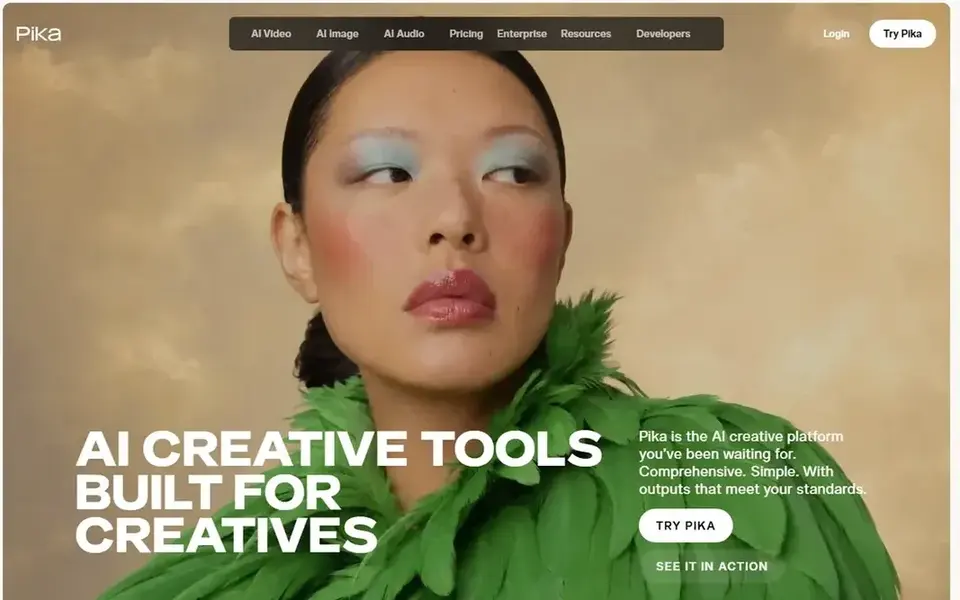
Choose Pika for one platform with plenty of video models. Pika describes itself as AI creative tools for video, image, and audio, letting you use multiple models like Seedance, Kling, Veo, and Wan within one creative product.
On top of that, having plenty of models means output quality and controls differ from one to the next, so results can be inconsistent across a project. As for the details, choose a dedicated avatar tool when consistent presenter-led video is the priority. Pika pricing: $10 per month. Pika offers a free plan.
Honest limits: Results vary by chosen model.
- Gathers multiple video models in one place
- Also spans image and audio creation
- Less concentrated on business narration

Veo makes the most sense for high-fidelity generative video from prompts. Veo is Google DeepMind's generative video model, presented on its own model page as a system for turning text prompts into video. Teams exploring prompt-driven footage commonly start here to judge overall quality.
Points against: Fine control can be restricted.
For everyday use, pick a broader creative product instead when you want plenty of models and editing in one place. Control over specific shots can be less predictable than traditional production. Veo shows no starting price here, so confirm the cost on the vendor site. As for free access: Not stated.
- Backed by Google DeepMind research
- Targeted at cinematic prompt-to-video output
- Access relies on supported surfaces
Where Synthesia fits: business training and communication video. Synthesia presents itself as an AI video system for business, concentrated on communicating, training, and upskilling teams across plenty of languages. In practice, the output centers on avatar presenters and scripted content.
So it is not the tool for stylized cinematic sequences or abstract visuals. Choose a generative model system when visual creativity matters more than narration. Synthesia pricing: $19 per month. Synthesia has a free plan.
Downsides: Less suited to cinematic footage.
Main advantages: Designed for business communication and training.
- Supports numerous languages
- Avatar-led video without filming
- Avatar style may feel formal

HeyGen makes the most sense for personal avatar videos without filming. It suits founders, marketers, and sales teams who send frequent personalized or update videos and want consistent delivery without setting up a camera for every message.
It is not built for abstract or cinematic generative footage. Price to start with HeyGen: $29 per month. Free access exists with HeyGen.
What to check first: Avatar realism has limits.
- Builds a personal avatar from your face and voice
- Handy for repeatable messaging
- Not concentrated on cinematic generation
How these tools were picked
ProMapRanker used vendor pricing pages and product documentation as the base, then compared plans, free access and documented limits for 5 tools. Where a vendor does not publish a price, the entry says quote. Where a price depends on seats or billing term, the entry says so. The order reflects how well each tool fits the most common buying scenario for platforms for creating generative video, then price clarity, then free plan access. It is a starting point, not a verdict.
Things to verify first
- Get a written quote from Luma Dream Machine and Veo; the list shows no starting price for them.
- Check what the free option really includes: Pika, Synthesia and HeyGen offer a free plan, and usage caps differ.
- Read the limits listed for Luma Dream Machine first: workflow can feel open-ended.
- Get the contract term, renewal terms and any onboarding fees from Luma Dream Machine in writing.
- The entry price of HeyGen is only the starting point; model the full cost with seats and extras.
Frequently asked questions
Which options for platforms for creating generative video have a free plan?
On this list, Pika, Synthesia and HeyGen include a free plan. Caps on seats, usage or features are common, so test the free plan against your real workload.
Can I use more than one generative video tool together?
Yes. Pika and Adobe Firefly already combine multiple capabilities, which can cut the number of tools you need. Check export formats so files move cleanly between products.
Can I try these tools before paying?
Often, yes. Pika, Synthesia and HeyGen have a free plan. Use your own data and a real task during the test, and check what the free tier or trial limits before you rely on it.
Is Luma Dream Machine the right pick for everyone comparing platforms for creating generative video?
No single tool suits every team. Luma Dream Machine comes first because it fits Iterative creative work with context, while Pika suits one platform with many video models and Veo suits high-fidelity generative video from prompts. Match the tool to your own size, budget and workflow before deciding.
What is the cheapest option for platforms for creating generative video in this list?
On published monthly entry prices, Pika is the lowest here at $10 per month. Entry price is only part of the cost, because seats, add-ons and billing terms can change the total. Each of the 5 options in this platforms for creating Generative video guide has its own card above with the price, free plan and limits.
Sources
See where you really rank - block by block
ProMapRanker scans Google Maps across a grid of your service area. Simple monthly plans from $19, white-label on every plan.
Start freeBrowse all guides
← Enterprise AI Voice Agent platform: Best Picks of 2026Text to Music AI: Best Picks of 2026 →
 best ai voice assistants software for enterprise
5 Best AI Voice Assistants Software for Enterprise in 2026
Best AI voice assistants software for enterprise in 2026: 5 contenders with entry costs and free tiers. We note where every tool falls short. Pick by budget.
Read → best ai video tool for multilingual voice cloning
6 Best AI Video Tool for Multilingual Voice Cloning in 2026
Weighing the best AI video tool for multilingual voice cloning? We lined up 6 products by cost, free access and fit. Short verdicts, no fluff. Prices included.
Read → best voice generator tools currently
2026 Guide to the Best Voice Generator Tools Currently
Weighing the best voice generator tools currently? We lined up 5 products by cost, free access and fit. Each entry gets a plain verdict. Skim the table first.
Read → best audio editing software
Best Audio Editing Software in 2026
Looking for the best audio editing software? We compare 9 free and paid editors for podcasts, music, and voice work, with current prices for 2026 for 2026.
Read → best video transfer service
Best Video Transfer Service in 2026
We compare the best video transfer service options for VHS, film, and tapes, so you can digitise family videos safely and keep the originals safe today.
Read → best ai video restoration software
AI Video Restoration Software in 2026
7 tools for the best AI video restoration software, compared on pricing, free plans and best-fit use. Weak spots flagged for every entry. Read the profiles.
Read →More in Video, Audio & Podcasts · All guides A to Z by date · Latest guides