 ProMapRanker
Best Platforms for B2B Marketing in 2026

Key takeaways
- HubSpot is the safest all-in-one starting point, while Marketo Engage and Salesforce Account Engagement suit larger, CRM-centred teams.
- ActiveCampaign gives mid-size teams strong automation at a lower entry price than the enterprise suites.
- Demandbase, 6sense, Terminus, and RollWorks are account-first tools, not general email tools, and ad spend is usually separate.
- Always price at your real contact or account count, because headline prices rise fast as lists grow.
Quick comparison
| Pick | Great for | Pricing starts at | Free tier | |
|---|---|---|---|---|
 HubSpot | All-in-one B2B marketing and CRM | Free | Yes | Visit |
 Adobe Marketo Engage | Enterprise B2B automation | See website | No | Visit |
 Salesforce Account Engagement | Salesforce-based B2B teams | $1,250 per month | No | Visit |
 ActiveCampaign | Mid-size B2B automation | $15 per month | Free trial | Visit |
 Demandbase | Enterprise account-based marketing | See website | No | Visit |
 6sense | Predictive ABM and intent | See website | Yes | Visit |
 Terminus | Multi-channel ABM campaigns | See website | No | Visit |
 RollWorks | Mid-market ABM advertising | See website | No | Visit |
The best platforms for B2B marketing
We compared eight platforms that cover the main B2B jobs: lead capture, nurturing, scoring, account-based marketing, and sales handover. Some are all-in-one suites, and some are focused ABM tools, so the right pick depends on team size, CRM, and budget.
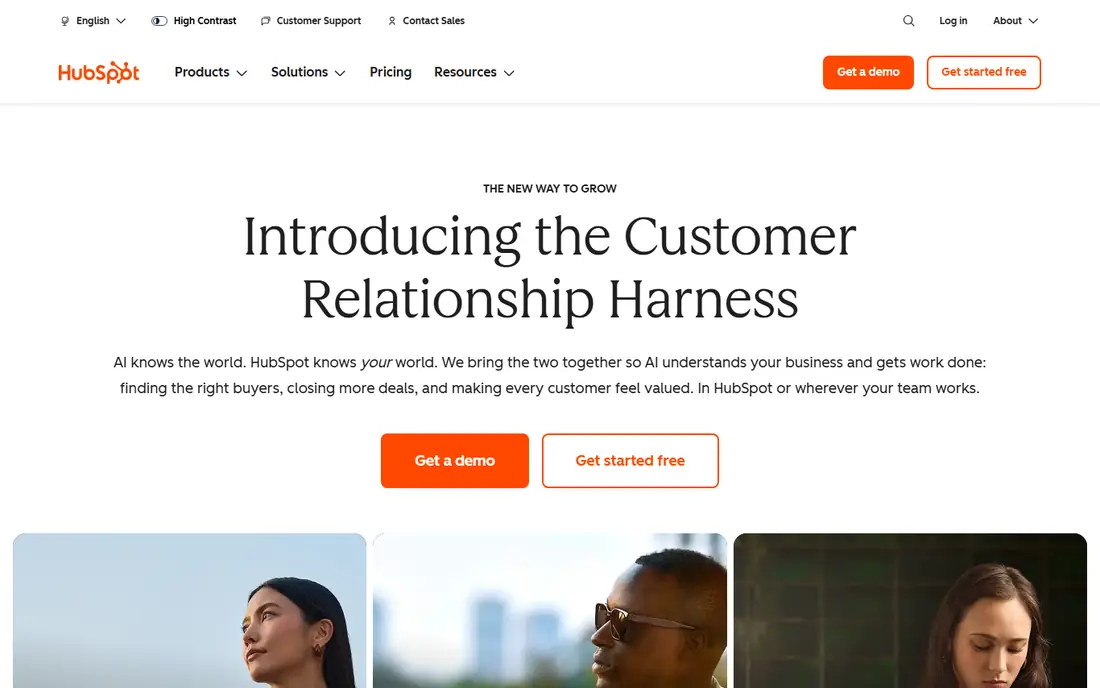
HubSpot suits a B2B team that wants marketing, sales, and service data in one record. Marketing Hub covers email, landing pages, forms, automation, and reporting, and it sits on the same CRM that sales uses each day. That shared record reduces duplicate work, because a lead, a deal, and a campaign result can be viewed together without stitching tools by hand.
The catch is price growth. The free tools are useful for a small start, but paid Marketing Hub plans rise with marketing contacts, and higher tiers carry onboarding fees. Teams should price the plan at their real contact count, not the headline tier, and check which automation and reporting features sit behind each tier before committing.
For a team weighing HubSpot, the practical test is simple. Run one real campaign or workflow end to end, check how clean the data looks in the reports, and confirm the total price at your actual contact, user, or volume level before signing a longer term. That short trial tells you more than any feature list, because it shows where work slows down and where the tool fits your daily routine.
- CRM and marketing in one place
- Wide integration range
- Free tools to start
- Costs rise fast with contacts and seats
- Professional onboarding adds cost
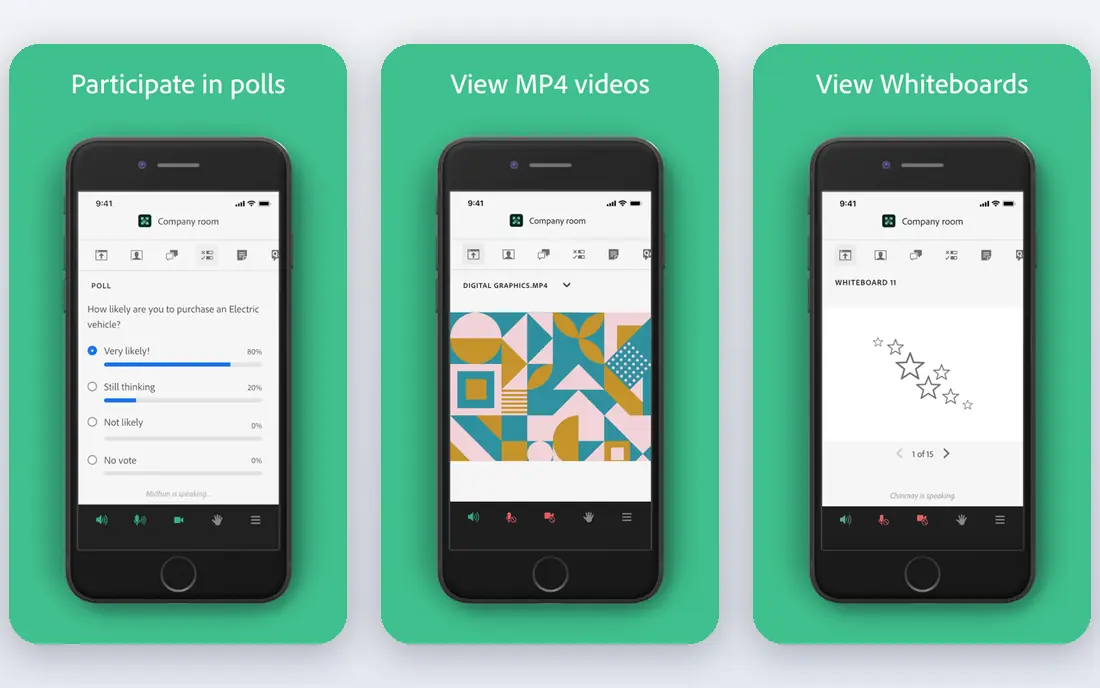
Marketo Engage is built for larger B2B teams with long sales cycles and many stakeholders. It handles lead scoring, nurturing, landing pages, and account-based programs in one automation system, and it connects well with enterprise CRM and data tools. For a team with a dedicated marketing operations person, that depth is a real advantage.
The trade-off is complexity and cost. Pricing is quote-based and based on database size, so small teams can find it hard to justify. Implementation also takes planning, clean data, and clear rules for scoring and routing, or the automation will simply move messy data faster.
For a team weighing Adobe Marketo Engage, the practical test is simple. Run one real campaign or workflow end to end, check how clean the data looks in the reports, and confirm the total price at your actual contact, user, or volume level before signing a longer term. That short trial tells you more than any feature list, because it shows where work slows down and where the tool fits your daily routine.
- Deep lead scoring and nurturing
- Strong enterprise integrations
- Detailed campaign reporting
- Quote-based pricing
- Setup takes specialist skill
- Heavy for small teams
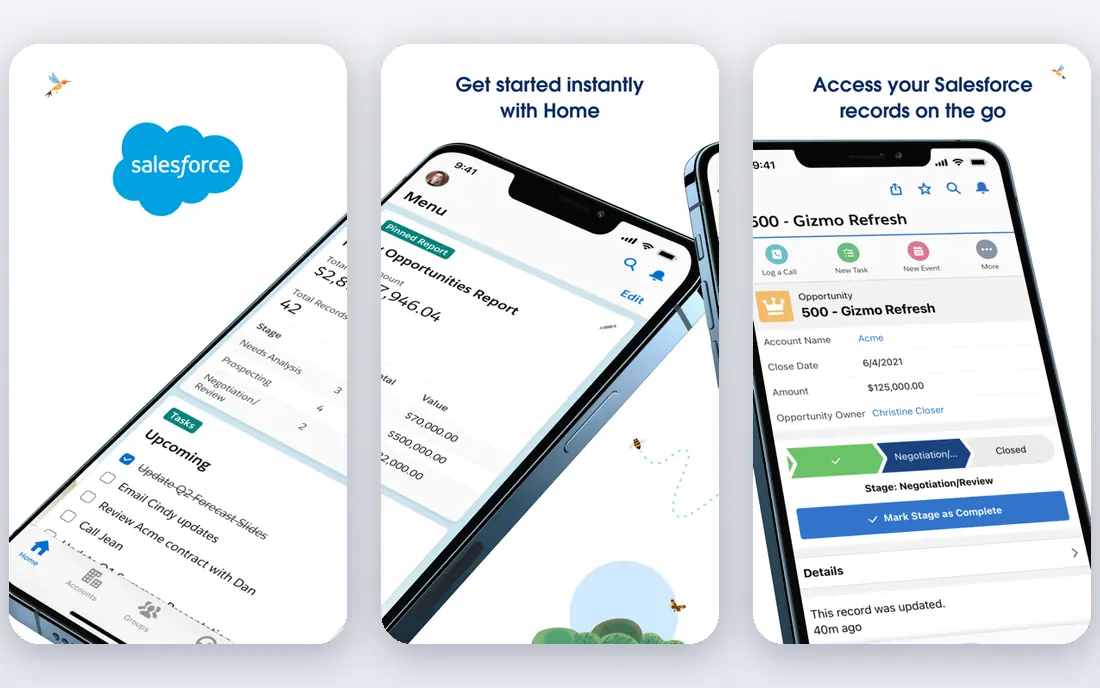
Salesforce Account Engagement, formerly Pardot, fits teams that already run Salesforce as their system of record. Marketing activity, lead scores, and campaign results flow into the same CRM records that sales reps use, which makes handover clearer and reporting less disputed. It is a natural fit for account-based work where several contacts at one company must be tracked together.
The entry price is high, starting at $1,250 per month for the Growth edition, and Salesforce CRM licences are also required. Smaller teams should compare that total with a lighter tool, because the value here comes from CRM depth, not from being the cheapest way to send email.
For a team weighing Salesforce Account Engagement, the practical test is simple. Run one real campaign or workflow end to end, check how clean the data looks in the reports, and confirm the total price at your actual contact, user, or volume level before signing a longer term. That short trial tells you more than any feature list, because it shows where work slows down and where the tool fits your daily routine.
- Tight Salesforce CRM alignment
- Account-based marketing tools
- Strong lead grading and scoring
- High entry price
- Needs Salesforce CRM licences
- Learning curve for new admins
ActiveCampaign is a strong middle ground for B2B teams that need real automation without enterprise pricing. The visual builder supports branching, site tracking, lead scoring, and email sequences, and higher plans add CRM pipelines. For a team sending targeted follow-ups after demo requests, downloads, or webinar attendance, that depth is easy to use.
Pricing is based on contacts, so a growing list raises the bill, and newer billing counts all contacts in some cases. Check the plan at your real list size, keep the list clean, and add SMS or CRM extras only when they have a clear job.
For a team weighing ActiveCampaign, the practical test is simple. Run one real campaign or workflow end to end, check how clean the data looks in the reports, and confirm the total price at your actual contact, user, or volume level before signing a longer term. That short trial tells you more than any feature list, because it shows where work slows down and where the tool fits your daily routine.
- Strong visual automation builder
- Built-in CRM on higher plans
- Good value at small list sizes
- No permanent free plan
- Price rises with contacts
- Add-ons can raise the bill
Demandbase is aimed at enterprise teams that sell to named accounts rather than to individual leads alone. It combines account data, intent signals, advertising, and web personalisation, so marketing and sales can focus on the same target list. That shared account view helps when a deal involves several buyers with different concerns.
It is not a small-team tool. Pricing is quote-based, implementation takes time, and advertising spend is separate from the platform fee. Buy it when you have a defined target account list and staff to run the program, not as a first experiment with account-based marketing.
For a team weighing Demandbase, the practical test is simple. Run one real campaign or workflow end to end, check how clean the data looks in the reports, and confirm the total price at your actual contact, user, or volume level before signing a longer term. That short trial tells you more than any feature list, because it shows where work slows down and where the tool fits your daily routine.
- Account intelligence and advertising in one platform
- Buying-group insight
- Web personalisation
- Quote-based enterprise pricing
- Ad spend sits on top
- Needs a mature ABM program
6sense helps B2B teams find accounts that show buying signals before they fill in a form. It scores accounts, predicts buying stage, and helps teams prioritise outreach and advertising. For a sales team with more accounts than it can work, that prioritisation can save a lot of wasted effort.
The platform is priced for mid-market and enterprise teams, and the free tier is limited to a small sales intelligence allowance. Teams should ask what is included in the quoted package, how credits work, and how long onboarding takes, because those details change the first-year cost a great deal.
For a team weighing 6sense, the practical test is simple. Run one real campaign or workflow end to end, check how clean the data looks in the reports, and confirm the total price at your actual contact, user, or volume level before signing a longer term. That short trial tells you more than any feature list, because it shows where work slows down and where the tool fits your daily routine.
- Predictive buying-stage insight
- Intent and account prioritisation
- Orchestration across channels
- Enterprise pricing
- Credits and modules add complexity
- Setup takes weeks
Terminus is built for coordinated account-based campaigns across advertising, email, web, and chat. Instead of running each channel on its own, a team can aim the same message at the same accounts and see engagement in one place. That coordination matters when a buying group needs several touches before it replies.
Pricing is quote-based and channel spend is separate, so the platform fee is only part of the budget. It works best for mid-market and larger teams with a settled target list. Without that list, the tool can spread spend across accounts that were never a good fit.
For a team weighing Terminus, the practical test is simple. Run one real campaign or workflow end to end, check how clean the data looks in the reports, and confirm the total price at your actual contact, user, or volume level before signing a longer term. That short trial tells you more than any feature list, because it shows where work slows down and where the tool fits your daily routine.
- Coordinated ads, email, and web campaigns
- Account engagement reporting
- Chat and direct mail options
- Quote-based pricing
- Channel costs add up
- Best with a clear target list
RollWorks is one of the more accessible routes into account-based advertising, especially for teams already using HubSpot or Salesforce. It lets a team target named accounts with display and social ads, track account engagement, and hand warm accounts to sales. For a first ABM program, that simpler starting point is a genuine benefit.
The platform fee does not include ad spend, so budget for both. Reporting and orchestration are not as deep as the largest enterprise suites, and teams that need complex multi-channel plays may outgrow it. Start here when the goal is focused account advertising, not a full enterprise ABM suite.
For a team weighing RollWorks, the practical test is simple. Run one real campaign or workflow end to end, check how clean the data looks in the reports, and confirm the total price at your actual contact, user, or volume level before signing a longer term. That short trial tells you more than any feature list, because it shows where work slows down and where the tool fits your daily routine.
- Accessible account-targeted advertising
- HubSpot and Salesforce integrations
- Account reporting
- Ad spend is separate
- Reporting can feel manual
- Enterprise depth is limited
How we picked these
We compared official feature pages, pricing pages, and public product documentation for each platform, and we checked which jobs each tool truly covers: email, landing pages, automation, scoring, account targeting, and CRM reporting. We left out tools that are mainly consumer email, social scheduling, or data-only products, because they do not cover the full B2B marketing job. Prices shown are starting prices or quote-based where the vendor does not publish a list price, and we marked those as See website rather than guessing.
How to choose without overbuying
Start with your CRM. If your team lives in Salesforce, Account Engagement will feel natural. If you need one system for marketing and sales and you are not tied to Salesforce, HubSpot is easier to run. If you already have a CRM and only need automation, ActiveCampaign or Marketo Engage may fit better. Next, decide if you are buying for leads or for accounts. Lead-based teams should weight forms, nurturing, and scoring. Account-based teams should weight target lists, intent, advertising, and account reporting. Finally, add up the full year: platform fee, seats, contacts, onboarding, and ad spend. A tool that looks cheap on a pricing page can cost far more once those lines are added.
Frequently asked questions
Which platform is best for B2B marketing?
There is no single winner. HubSpot suits teams that want one system for marketing and sales, Marketo Engage suits large teams with dedicated marketing operations staff, and Salesforce Account Engagement suits Salesforce shops. Pick by CRM, team size, and if you sell to leads or to named accounts.
What are the best B2B marketing tools for a small team?
ActiveCampaign and HubSpot free or Starter tools are the most practical small-team options in this list. They cover email, forms, and basic automation without an enterprise contract. Add an ABM tool only after you have a clear target account list.
What is the best B2B marketing software for account-based marketing?
Demandbase and 6sense lead on account intelligence and intent, Terminus leads on multi-channel coordination, and RollWorks is the more accessible advertising option. The best choice depends on account volume, ad budget, and how much orchestration your team can run.
Do B2B marketing platforms include a CRM?
Some do and some do not. HubSpot and ActiveCampaign include CRM features, while Marketo Engage and Demandbase are usually paired with a separate CRM such as Salesforce. Check this before buying, because a missing CRM link can create duplicate data work.
How much do B2B marketing platforms cost?
Costs range from free tools and $15 per month for ActiveCampaign Starter to $1,250 per month for Salesforce Account Engagement Growth and quote-based enterprise contracts for Marketo Engage, Demandbase, and 6sense. Always confirm the price at your contact or account volume.
Sources
See where you really rank - block by block
ProMapRanker scans Google Maps across a grid of your service area. Simple monthly plans from $19, white-label on every plan.
Start freeKeep reading
 zoho inventory alternatives
6 Alternatives to Zoho Inventory, Compared on Price and Fit
Zoho Inventory alternatives: 6 tools compared on price, free plans and fit. Katana leads the list for manufacturers. Fit and flaws are laid out for each entry.
Read → zoho crm alternatives
Best Zoho CRM Alternatives (2026)
Need Zoho CRM alternatives? We compare 7 tools on cost, free access and who each suits. Every pick gets a straight assessment. Built for quick decisions.
Read → zelle alternatives
Best Zelle Alternatives in 2026
Compare the best Zelle alternatives for sending money to friends, paying sellers and moving funds abroad, with honest notes on fees, speed and safety in 2026.
Read →