 ProMapRanker
Best Platform to Trade Gold in 2026

Key takeaways
- IG offers the widest range of gold products in this comparison, including CFDs, futures, options, and gold backed ETFs.
- eToro suits beginners who want a simple app, a practice portfolio, and gold ETFs alongside CFDs.
- OANDA and Interactive Brokers suit traders who want a regulated platform with low or no minimum deposit hurdles.
- BullionVault is the only pick here for owning allocated physical gold in a vault, rather than trading a price contract.
- Gold trading carries risk, especially with margin CFDs, so position size and stop losses matter more than platform choice.
Quick comparison
| Pick | Great for | Pricing starts at | Free tier | |
|---|---|---|---|---|
 IG | Widest gold product range | See website | Free trial | Visit |
 eToro | Beginners and gold ETFs | See website | Free trial | Visit |
 OANDA | Small account traders | See website | Free trial | Visit |
 Interactive Brokers | Active and professional traders | See website | Free trial | Visit |
 FOREX.com | US forex and gold CFD traders | See website | Free trial | Visit |
 Plus500 | Simple CFD trading | See website | Free trial | Visit |
 CMC Markets | Platform depth for CFD traders | See website | Free trial | Visit |
 Pepperstone | Low cost MetaTrader trading | See website | Free trial | Visit |
 BullionVault | Allocated physical gold | See website | No | Visit |
The best platform to trade gold
This is general information only, not financial advice. Trading gold carries risk, and margin products can lose more than your initial deposit in some cases. We compared official product pages, platform features, and publicly reported gold instruments for each provider, and focused on regulation, gold product range, platform quality, and costs. Here are nine platforms that cover different ways to get gold exposure.
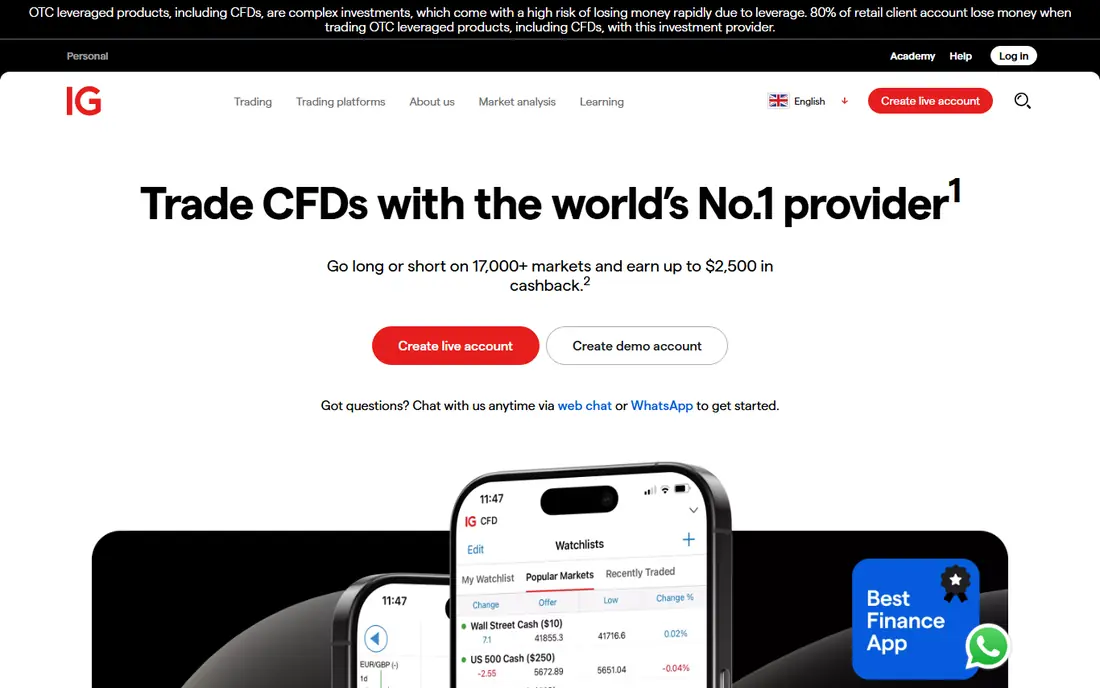
IG stands out for breadth. Traders can access spot gold CFDs, gold futures, options, and gold backed ETFs from one account, alongside thousands of other markets. That range matters if you want to compare a short term CFD trade with a longer term ETF holding without opening a second account. The IG Trading platform, plus MetaTrader and TradingView access in many regions, gives charting and order tools that suit active traders.
Breadth brings complexity, and new traders may find the platform busy at first. Spreads, overnight funding, and margin rules vary by product and region, so read the product details before trading. IG is regulated in multiple jurisdictions, which is a plus for trust, but regulation does not remove market risk. For traders who want choice in how they trade gold, IG is our broadest pick.
- Broad gold range including CFDs, futures, options, and ETFs
- Strong multi jurisdiction regulation
- Full featured mobile app
- Platform depth can overwhelm beginners
- CFD costs and spreads need careful checking
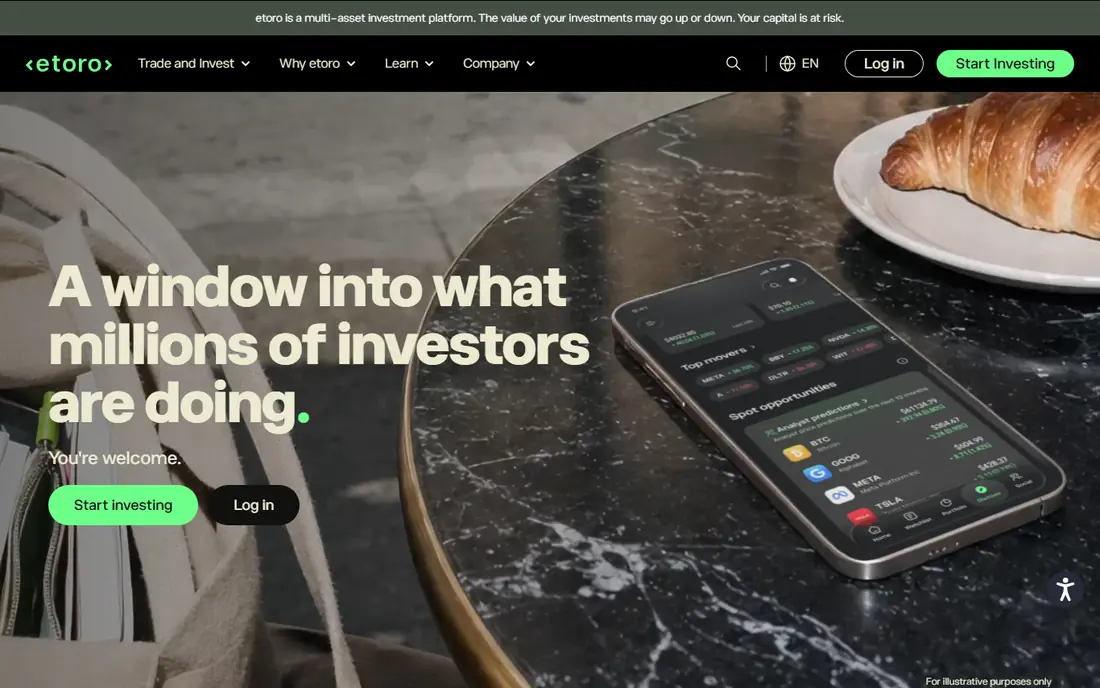
eToro keeps gold trading approachable. The app is clean, a virtual portfolio lets newcomers practise without real money, and gold exposure includes ETFs as well as CFD products. CopyTrader lets users mirror positions opened by selected traders, which some beginners use as a learning aid. The platform also covers stocks, other commodities, and crypto in many regions, so gold can sit inside a wider portfolio.
Copy trading deserves a plain warning: past results from another trader do not predict future results, and copied positions can lose money just as direct trades can. Product access and fees also depend on your region and the eToro entity that serves you. For a beginner who wants a simple start, a practice account, and gold ETFs in the same app as CFDs, eToro is a strong first platform to test.
- Simple app and practice portfolio
- Gold ETFs alongside CFDs
- Copy trading features
- Copying other traders does not remove risk
- Product access varies by region and entity
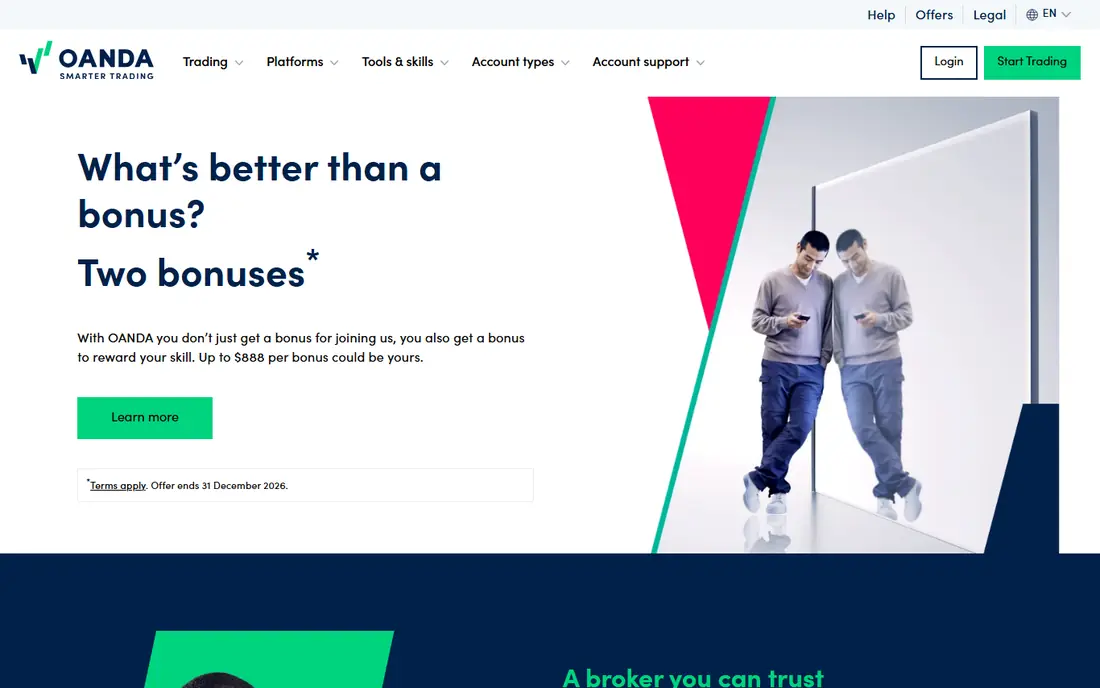
OANDA is a good fit for traders starting small. In many regions there is no minimum deposit requirement, which lowers the barrier to opening an account and testing the platform with a modest amount. The OANDA platform and MetaTrader access cover charting and order management, and the company is regulated in several major jurisdictions. Gold CFDs, including the widely traded XAU USD pair, are the core gold product.
The gold range is narrower than IG, with fewer gold futures and options routes. That is fine if your plan is spot gold CFD trading and you do not need the wider product set. As with any margin CFD provider, check spreads, overnight costs, and margin rules on the OANDA website before trading, and use a demo account first if you are new to gold.
- No minimum deposit in many regions
- Well regarded regulation
- Clear trading platform and tools
- Gold product range is narrower than IG
- CFD trading still carries margin risk
Interactive Brokers suits traders who already know their way around markets. Gold exposure can come through futures, options, ETFs, and mining shares, all from one account with professional grade order tools. The Trader Workstation platform is powerful, with deep charting, screening, and risk tools, and paper trading lets users practise before committing real funds.
Beginners may find the platform and fee schedule harder to navigate than eToro or Plus500. That complexity is the price of breadth and professional tools. Interactive Brokers fits active traders, portfolio investors who want gold futures or ETFs alongside stocks, and anyone who values a heavily regulated, large broker over a simple mobile app.
- Very broad market access including gold futures, options, and ETFs
- Professional grade tools
- No account minimum in many regions
- Platform learning curve is steep
- Pricing structure takes time to understand
FOREX.com, part of StoneX Group, is a well known choice for US traders who want gold alongside forex. The platform offers spot gold CFDs, MetaTrader access, and its own web and mobile trading apps. A demo account lets new users learn order types and gold price behaviour without risking real money. US regulation through the relevant authorities is a clear trust point for US based traders.
Gold product choice is narrower than IG, with fewer gold futures and options routes on the retail platform. Account types also change spreads and commissions, so compare the current terms on the FOREX.com website for your region. For a US trader who wants a regulated forex broker with gold CFDs, FOREX.com is a solid, straightforward pick.
- Regulated US forex broker
- MetaTrader and proprietary platform
- Demo account available
- Gold CFD range is smaller than IG
- Spreads and costs vary by account type
Plus500 keeps gold CFD trading simple. The proprietary platform is uncluttered, orders are easy to place, and the demo account has no time limit, which helps beginners practise gold trades at their own pace. Guaranteed stop loss orders are available on gold positions in many regions, letting traders cap downside at a known price level for a fee. That risk tool is genuinely useful for volatile gold moves.
Plus500 is a CFD provider only, so you trade price movements rather than owning physical gold or shares in a gold ETF directly. Advanced traders may miss MetaTrader or TradingView depth. For a beginner who wants a clean CFD platform and a long demo period before trading real money, Plus500 is one of the easiest gold platforms to learn.
- Very simple platform for beginners
- Unlimited time demo account
- Guaranteed stop loss orders on gold in many regions
- CFD only, so no physical gold or direct ETF ownership
- Limited advanced platform options
CMC Markets offers a powerful proprietary platform with advanced charting, pattern tools, and a wide range of markets. Gold traders can access multiple gold CFD products, including spot gold and related instruments, with tools for managing orders and risk. The company is regulated in several major jurisdictions, which supports trust for traders who keep larger balances on a platform.
The depth that active traders value can overwhelm a first time gold trader. Take time with the demo account and the platform guides before trading live. Costs, including spreads and overnight holding charges, should be checked on the CMC Markets website for the exact gold product you plan to trade, since they vary by instrument and account type.
- Deep proprietary platform with advanced charting
- Multiple gold CFD products
- Strong regulation
- Platform depth can feel complex for beginners
- CFD margin risk remains high
Pepperstone is popular with traders who want MetaTrader 4, MetaTrader 5, or TradingView for gold trading. Those platforms offer expert advisers, custom indicators, and a familiar layout for traders who already use them for forex. Comparison sites report competitive XAU USD spreads on Pepperstone's razor style accounts, though live spreads move with market conditions and should be checked on the day you trade.
Pepperstone is a CFD broker, so gold trading here means price contracts, not vaulted metal. Beginners who have never used MetaTrader may prefer a simpler proprietary platform such as eToro or Plus500. For a trader who already uses MetaTrader and wants gold alongside forex pairs, Pepperstone is a strong low cost option.
- MetaTrader and TradingView access
- Competitive gold spreads reported by comparison sites
- Demo accounts
- CFD focus means no physical gold ownership
- Platform choice can confuse beginners
BullionVault is different from every other platform here, because you buy allocated physical gold stored in professional vaults, rather than a CFD that tracks the gold price. Your metal is held in your name, vault locations include major centres, and you can sell on the BullionVault order board when you want to exit. Daily bar lists and audits support transparency about holdings.
This is not a trading platform for margin based short term bets. There is no margin, no CFDs, and price moves are the gold price itself, minus commission and storage costs. Minimum order sizes and fees are shown on the BullionVault website. For an investor who wants to own gold itself, rather than trade its price, BullionVault is the clearest pick on this list.
- Own allocated physical bullion in professional vaults
- Buy and sell on a live order board
- Daily audit and vault reporting
- Not for short term margin trading
- Storage and commission costs apply
How we picked these
We compared official product pages, platform features, and publicly reported gold instruments, and we favoured regulated providers with a clear gold offering in October 2026. We included CFD platforms, a broad broker, and a physical gold provider, because trading gold can mean very different things to different people. We did not include unregulated or obscure brokers, and we did not promise returns or quote spreads as fixed figures, since spreads and costs move with markets and account type. Check the current terms on each provider website for your region before opening an account.
How to choose a gold trading platform
First, decide what kind of gold exposure you want. If you want to own metal, BullionVault is the route. If you want gold ETFs inside a wider portfolio, eToro or Interactive Brokers fit better. If you want short term price trading with borrowed funds, a CFD platform such as IG, OANDA, or Plus500 fits, but only with a clear risk plan. Second, check regulation for your region and confirm that the provider is authorised to serve traders where you live, since product access varies by country.
Third, practise before you trade live. Use a demo or paper account to learn order types, stop losses, and margin rules, and to see how gold moves during news events. Fourth, compare total costs, not only spreads: overnight funding, commissions, guaranteed stop fees, and storage charges all affect results over time. Finally, keep position sizes small while you learn. Gold can move sharply, and a platform with great tools does not protect you from a trade that is too large for your account.
Frequently asked questions
What is the best app to trade gold for beginners?
eToro and Plus500 are the easiest starting points for beginners, thanks to simple apps and practice accounts. eToro adds gold ETFs and a wider portfolio view, while Plus500 offers a simple CFD platform with an unlimited time demo. Start with a demo account on either one before trading real money.
What are the best platforms to trade gold with low minimum deposits?
OANDA and Interactive Brokers have no minimum deposit in many regions, which suits traders starting small. eToro and other CFD brokers also accept modest opening deposits, but minimums vary by region and payment method. Check the current deposit terms on the provider website for your country before you apply.
Is trading gold CFDs risky?
Yes. Gold CFDs often use borrowed funds, which magnifies both gains and losses, and a large share of retail CFD accounts lose money. Use stop losses, keep position sizes small, and never trade with money you need for essential bills. This article is general information only and is not financial advice.
Can I buy physical gold through a trading platform?
Most trading platforms on this list offer CFDs or ETFs, not physical metal. BullionVault is the exception here, since it lets you buy allocated physical gold held in professional vaults. If you want coins or bars delivered to your home, a bullion dealer is a separate route from a trading platform.
Do I need a large account to trade gold?
No, but account size affects risk management. Small accounts can trade small CFD positions or buy fractional gold ETF shares where offered, while physical gold providers have minimum order sizes. A small account still needs the same discipline as a large one: a risk plan, a stop loss, and no overuse of borrowed funds.
Sources
See where you really rank - block by block
ProMapRanker scans Google Maps across a grid of your service area. Simple monthly plans from $19, white-label on every plan.
Start freeKeep reading
 zscaler alternatives
Best Zscaler Alternatives in 2026
Looking for zscaler alternatives? We compare 9 SASE and zero trust platforms on architecture, data protection, pricing, and fit for your network and team.
Read → zapier alternatives free
Best Zapier Alternatives Free in 2026
Nine automation tools for zapier alternatives free in 2026, all with genuinely free tiers, plus free plan limits, starting prices and upgrade paths explained.
Read → which platform is best for online reputation
Which Platform Is Best for Online Reputation in 2026
Wondering which platform is best for online reputation? We compare 8 review, listing, and response tools for small and multi-location businesses and agencies.
Read →