 ProMapRanker
Best Platforms for Selling Teaching Resources in 2026


Largest teacher marketplace · Pricing starts at: $29 one-time fee
Key takeaways
- Teachers Pay Teachers offers the largest teacher buyer audience, but Basic sellers keep 55 percent of sales plus a per-resource fee.
- Tes and Classful give teacher-focused alternatives with different commission structures, so compare the payout on your typical price point.
- Etsy, Gumroad, and Payhip suit sellers who want a general audience or a simple storefront without a teacher marketplace.
- Sellfy and Shopify suit sellers building a brand and email list, but you must bring your own traffic to those stores.
- Only sell resources you created yourself or have rights to sell, and check your school district policy on materials made for your job.
Quick comparison
| Pick | Great for | Pricing starts at | Free tier | |
|---|---|---|---|---|
| Teachers Pay Teachers | Largest teacher marketplace | $29 one-time fee | No | Visit |
 Tes | UK and global teacher marketplace | See website | Yes | Visit |
 Classful | Low-commission teacher marketplace | Free | Yes | Visit |
 Etsy | Printables and classroom products | Free | Yes | Visit |
 Gumroad | Simple creator storefront | Free | Yes | Visit |
 Payhip | Low-cost digital storefront | Free | Yes | Visit |
 Sellfy | Branded store with email tools | $29 per month | Free trial | Visit |
 Shopify | Full ecommerce brand store | $39 per month | Free trial | Visit |
 Amped Up Learning | Teacher marketplace for classroom resources | See website | No | Visit |
The best platforms for selling teaching resources
Selling teaching resources means choosing between a marketplace that brings buyers and a storefront that gives you control. Marketplaces take a larger cut but put your worksheets, units, and slide decks in front of teachers who are already shopping. Storefronts keep more of each sale but require you to drive traffic yourself. The platforms below cover both paths.
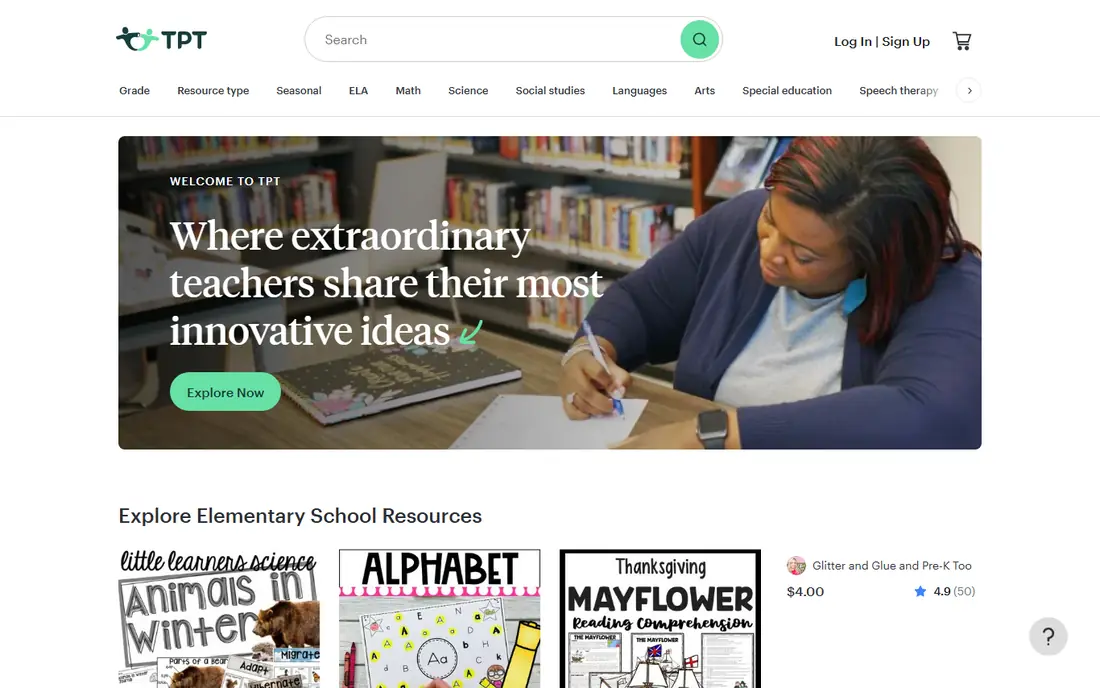
Teachers Pay Teachers, known as TPT, is the default marketplace for many teacher sellers. Buyers search by grade level, subject, and skill, and sellers upload PDFs, slide decks, and digital activities with previews, descriptions, and standards tags. That built-in search is the main reason to accept its fees.
The fee structure needs a careful read. Basic sellers pay a $29 one-time fee, keep 55 percent of sales, and pay $0.30 per resource in transaction fees. Exclusive sellers pay $59.95 per year, keep a higher payout, and must sell digital resources only on TPT. For most new sellers, Basic is the low-risk start, even though the payout is lower.
- Largest audience of teacher buyers
- Search built for grade, subject, and standard
- Seller tools for previews and bundles
- Basic payout is 55 percent plus $0.30 per resource
- Marketplace is crowded
- Exclusive tier restricts selling elsewhere
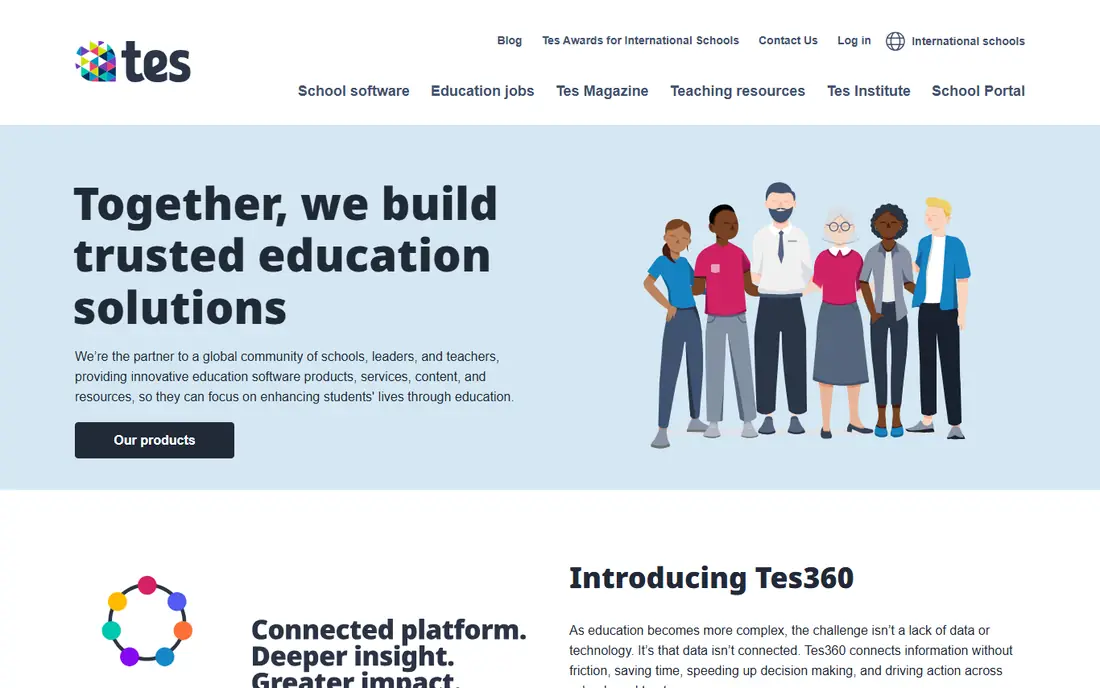
Tes is a long-running teacher marketplace with a strong UK presence and buyers in other countries. Sellers upload classroom resources and set prices, and Tes takes a commission that varies by tier, with published comparisons showing rates around 40, 30, or 20 percent depending on seller level. Small orders can carry an extra fee at some tiers.
Tes works best as a second channel for sellers who already list on TPT, or as a main channel for UK-focused resources. Check the current seller terms for your tier before pricing, because the payout on a low-priced worksheet differs sharply by commission level.
- Teacher audience in the UK and beyond
- Tiered commission that improves with sales
- Resources across subjects and ages
- Commission tiers can be confusing
- Smaller US audience than TPT
- Fees on small orders apply at some tiers
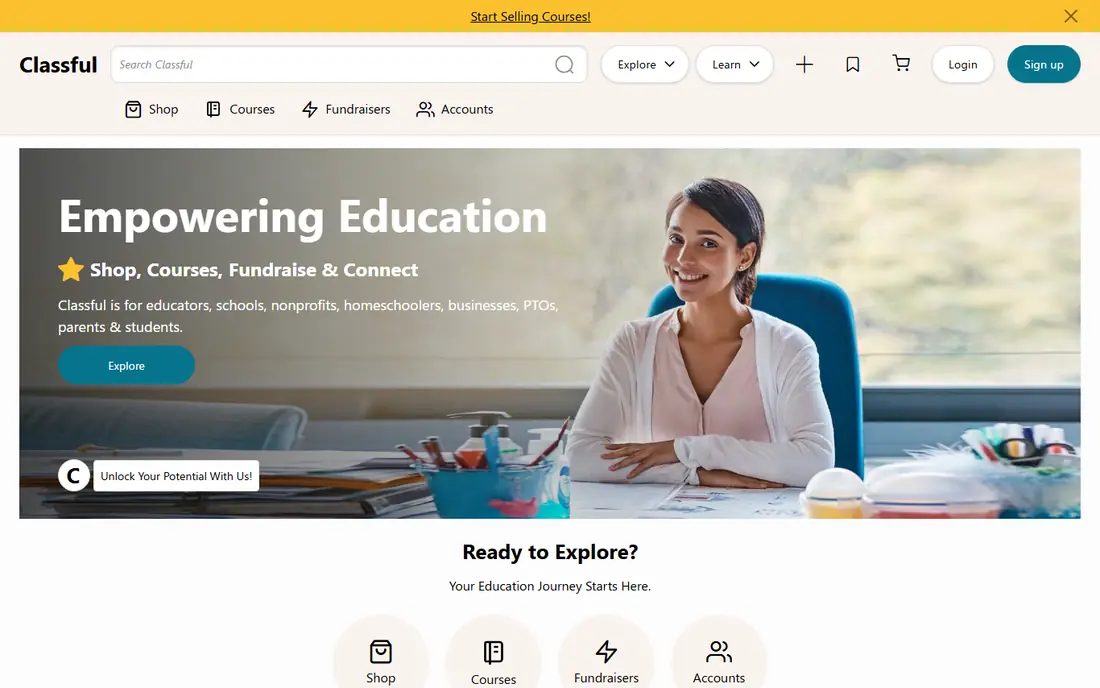
Classful is a teacher marketplace with a much lower platform fee than the larger marketplaces. Published comparisons put its fee at 5 percent plus card processing of 2.9 percent plus $0.30, which leaves a seller with far more of a typical $5 sale than a Basic TPT sale. Listings cover worksheets, units, and classroom materials.
The trade-off is traffic. Classful does not yet bring the same volume of teacher buyers as TPT, so sellers should expect to promote their own listings through social media, email, or a blog. For a seller with an existing audience, the lower fee can make a real difference over a year of sales.
- Low 5 percent platform fee plus card processing
- Teacher-focused listings
- Free to open a store
- Smaller buyer traffic than TPT
- Fewer seller tools
- Sellers must drive some of their own traffic
Etsy suits sellers whose resources work as printables, planners, posters, and classroom decor, rather than curriculum-specific units. Shoppers already search Etsy for printable products, and a well-titled listing with clear photos can sell without a teacher following. Opening a shop is free, with a $0.20 listing fee per item.
Fees add up: 6.5 percent transaction fee plus payment processing of 3 percent plus $0.25, with extra offsite ad fees when Etsy ads drive a sale. Etsy also owns the buyer relationship, so building an email list is harder than on your own store. Use Etsy for printable products and a marketplace like TPT for curriculum resources.
- Huge general shopper audience
- Strong search for printables and planners
- Simple shop setup
- Listing fee of $0.20 plus 6.5 percent transaction fee and processing
- Offsite ads can add fees
- Not teacher-specific
Gumroad is the simplest way to sell a digital resource from a link. A seller uploads a file, sets a price, and shares the link on social media, in an email, or on a blog. Gumroad handles checkout and delivery, which removes the need to build a store. There is no monthly fee for direct sales.
The fee is 10 percent plus $0.50 per direct sale, plus card processing, and Discover sales cost 30 percent including processing. That makes Gumroad best for testing a product or selling to an existing audience, not for building a large catalog where a flat monthly store would cost less per sale.
- Free to start with no monthly fee
- Simple product pages and checkout
- Handles payments and delivery
- 10 percent plus $0.50 fee on direct sales
- Discover sales cost far more
- Limited store branding
Payhip offers a hosted storefront for digital products with a free plan that charges 5 percent per sale, plus Stripe or PayPal processing. Paid plans start at $29 per month with a 2 percent fee, and a $99 per month plan removes the Payhip fee. That ladder lets a seller start free and upgrade only when volume justifies it.
Payhip suits teachers who already have traffic from social media, a blog, or a marketplace audience they want to move to their own store. It does not bring teacher buyers on its own, so a seller with no audience should start on a marketplace first and use Payhip as a second channel.
- Free plan with 5 percent fee
- Paid plans cut the fee to 2 percent or zero
- Handles EU VAT and delivery
- No built-in teacher audience
- Card processing is extra
- Store design is simple
Sellfy gives a seller a branded store with zero percent commission on sales, plus email tools for follow-up and promotions. Plans start at $29 per month for Starter, with annual billing lower, and higher plans raise the yearly sales cap. Card processing through Stripe or PayPal is extra, as on most storefronts.
Sellfy fits a seller who has proven products and wants to own the customer list. A new seller with no traffic may pay a monthly fee for few sales, so validate products on a marketplace first. Once a product sells steadily, moving it to Sellfy can raise the margin on every sale.
- Zero percent platform commission
- Built-in email marketing
- Store, products, and discounts in one place
- No built-in audience
- Monthly fee plus sales caps by plan
- Processing fees are extra
Shopify is the full ecommerce option for a teacher seller building a brand. A store can sell digital downloads, printed bundles, and physical classroom products, with discount codes, email capture, and a wide app marketplace. Basic plans start at $39 per month, or $29 per month billed annually, with payment processing extra unless Shopify Payments terms apply.
Shopify is overkill for a first product, but it suits a seller with a catalog, a blog, and repeat buyers. If you choose Shopify, plan how buyers will find you, because the platform brings no teacher traffic on its own. A marketplace listing that links to your store can help, within each marketplace rules.
- Full store builder with apps and themes
- Handles digital and physical products
- Strong checkout and discount tools
- Monthly fee from $39, or $29 billed annually
- No built-in teacher audience
- Setup takes more time than Gumroad or Payhip
Amped Up Learning is a teacher marketplace focused on classroom resources, with published comparisons showing commissions around 10 to 20 percent, plus card fees. That sits between Classful and the larger marketplaces on payout, while keeping listings in front of teacher buyers rather than general shoppers.
Traffic is smaller than TPT, so treat Amped Up Learning as an added channel rather than a sole store. List your strongest resources there, link from your own channels where allowed, and compare the payout on your typical price before moving a full catalog.
- Teacher-focused marketplace
- Commission lower than large marketplaces in published comparisons
- Classroom resource categories
- Smaller traffic than TPT
- Pricing and terms should be confirmed on the seller page
- Less tooling than larger platforms
How we picked these
We compared official seller fee pages, marketplace terms, and current seller comparisons for platforms live in October 2026. We favored legitimate educator marketplaces and general storefronts that allow original teaching materials, and we avoided any platform tied to pirated or copied materials. Where a vendor does not publish a simple starting price, we wrote See website rather than estimating a fee. Fees change, so confirm the current seller page before pricing a product.
How to price and protect your resources
Price from the payout, not the list price. A $5 resource on a high-commission marketplace may pay less than a $4 resource on a low-fee storefront. Work out what you keep after platform fees, transaction fees, and processing, then set prices that make the work worthwhile.
Own your work and your list
Only sell materials you created yourself or have clear rights to sell, including fonts, clip art, and photos with proper licenses. Check your district policy before selling anything made on school time or with school resources, because some districts claim ownership of job-related materials. Build an email list from your own store or blog, so a marketplace policy change does not cut off your buyers.
Make listings easy to trust
Use clear previews, grade and subject tags, page counts, and a note on what is editable. Teachers buy faster when they can see exactly what they get and how it fits a lesson. Answer buyer questions promptly, fix errors quickly, and update listings when standards or formats change.
Frequently asked questions
What is the best platform for selling teaching resources for a new seller?
Teachers Pay Teachers is the best new-seller start, because teacher buyers already search there. Accept the lower Basic payout at first, learn which resources sell, and then add a lower-fee channel such as Classful or Payhip for proven products. Starting on a storefront alone usually means slow sales with no audience.
How much do teacher marketplaces take from each sale?
It varies widely. TPT Basic sellers keep 55 percent plus a $0.30 per-resource fee, Tes commissions vary by tier, and Classful charges 5 percent plus processing. General storefronts such as Gumroad charge 10 percent plus $0.50 on direct sales, while Sellfy and Shopify charge monthly fees with no platform commission. Compare the payout on your typical price, not just the headline rate.
Can I sell the same resource on several platforms?
Yes, unless you choose an exclusive tier. TPT Exclusive sellers must sell digital resources only on TPT, while Basic sellers can list elsewhere. Check each marketplace terms before cross-listing, and keep prices and files consistent so buyers do not get different versions.
Do I need a business license to sell teaching resources?
Rules vary by location and income, so check your local and state requirements and tax rules before selling at scale. Many sellers start as sole proprietors and handle income as self-employment income. A tax professional can advise on licenses, sales tax for digital goods, and record keeping for your situation.
Should I sell on Etsy or a teacher marketplace?
Use both for different products. Etsy suits printables, planners, and decor that general shoppers buy, while TPT, Tes, and Classful suit curriculum resources that teachers search for by grade and subject. A printable that also works as a classroom resource can list on both, with titles tuned to each audience.
How do I protect my resources from being shared for free?
Use PDF security settings, clear license terms on each listing, and watermarks on previews, while accepting that no digital file is fully copy-proof. Most buyers respect a clear classroom-use license. If you find your work shared without permission, use the platform reporting tools and keep records of your original files and dates.
Sources
See where you really rank - block by block
ProMapRanker scans Google Maps across a grid of your service area. Simple monthly plans from $19, white-label on every plan.
Start freeKeep reading
 worlds best local seo company
8 Worlds Best Local SEO Companies for Map Pack Growth in 2026
Compare the worlds best local seo company options for Google Business Profile work, citations, reviews, and multi-location rankings and reporting in 2026.
Read → world's best web hosting company
World's Best Web Hosting Company in 2026
Searching for the world's best web hosting company? We compared 10 hosts on price, renewal rates, speed, and support to help you choose well today in 2026.
Read → who's got the best nanny tax services
Who's Got the Best Nanny Tax Services in 2026
We answer who's got the best nanny tax services, comparing full filing, back taxes, software, and pricing so families can handle nanny taxes correctly.
Read →