 ProMapRanker
Best Platforms for Managing Business Credit Cards in 2026


Growing teams who want cards plus expenses free to start · Pricing starts at: Free
Key takeaways
- Free card led platforms now cover most small team needs, so paid tiers should be judged on procurement and travel depth, not on cards alone.
- Budget first controls are the feature that saves the most time, since limits and approvals stop out of policy spend before it happens.
- Accounting sync quality matters as much as card design: a clean sync to QuickBooks or NetSuite saves hours at month end.
- Eligibility and card type vary, so check whether a platform issues charge cards, credit cards or both before you apply.
Quick comparison
| Pick | Great for | Pricing starts at | Free tier | |
|---|---|---|---|---|
| Ramp | Growing teams who want cards plus expenses free to start | Free | Yes | Visit |
 Brex | Startups who want cards, travel and global spend in one place | Free | Yes | Visit |
 BILL Spend and Expense | Small teams who want budget control tied to bill pay | Free | Yes | Visit |
 Airbase | Mid-market teams who need procurement controls | See website | No | Visit |
 Navan | Travel heavy teams who want travel and expenses together | Free | Yes | Visit |
 Expensify | Teams who want to keep their existing cards | $5 per month | Yes | Visit |
 PEX Card | Teams who need tight card controls for field staff | See website | No | Visit |
 Rho | Funded startups who want banking, cards and payables together | Free | Yes | Visit |
The best platforms for managing business credit cards
We compared official feature pages, pricing pages and public documentation for each option below. Our pick for most readers is the option that balances cost, control and ease of use, but the right choice still depends on your size, your assets and how much work you want to manage yourself.
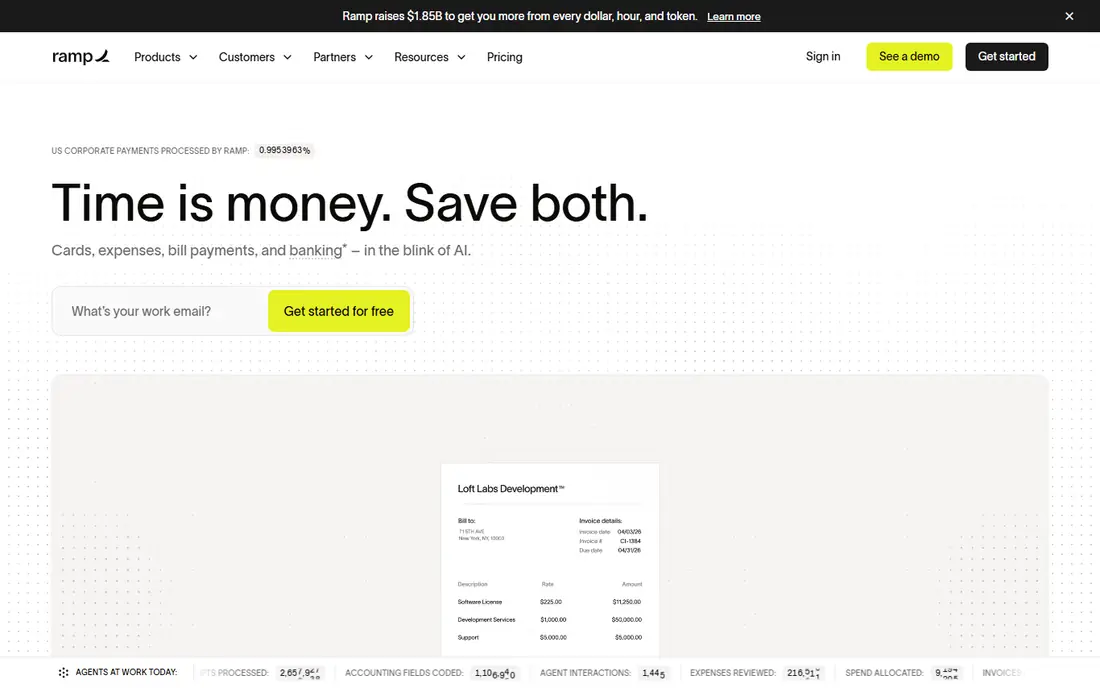
Our first look at this option starts with who it suits best. Ramp is our pick for most growing teams because its free tier already covers cards, expense capture and accounting sync without a monthly platform fee. Its strength is breadth at the entry level: bill pay, travel and procurement sit beside cards, so a team can avoid buying several separate tools.
Cash back is a bonus, not the reason to choose Ramp; choose it for the controls and the month end workflow. The catch is the Plus tier: once you need deeper controls and automation, the per user charge plus platform fee changes the cost picture, so price it for your full team. Read the fee page and the exit rules before you commit any funds or sign a contract.
- Free starting tier with cards and expense tools
- 1.5 percent cash back on purchases
- Bill pay, travel and procurement in one place
- Plus tier adds a per user fee plus a platform fee
- Eligibility and limits depend on business profile
- Support is mainly digital
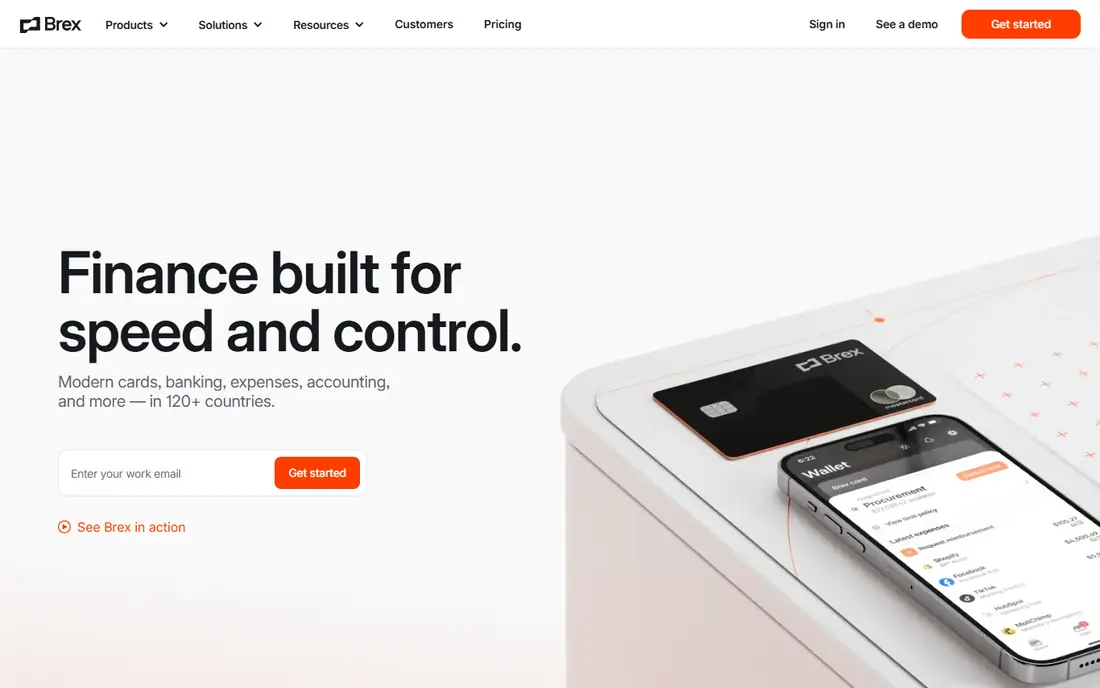
This is the option to shortlist first if your main concern is control. Brex suits startups that travel often and spend across categories, since its rewards lean toward travel, rideshare, restaurants and software. Its strength is the startup fit: applications can use business factors rather than a personal guarantee in many cases, and global teams are supported.
If your team rarely travels, compare Brex on controls and integrations alone, since the headline rewards will matter less. The catch is the charge card rhythm: balances may need paying more often than a traditional credit card, which needs cash flow discipline. Check the current terms on the vendor site before you decide, since terms change often.
- Free Essentials tier
- Category rewards on travel, rideshare and software
- Multi entity and global card support
- Premium tier costs 12 dollars per user per month
- Charge card model may require frequent payment
- Credit decisions depend on business factors
BILL Spend and Expense
Great for: Small teams who want budget control tied to bill pay
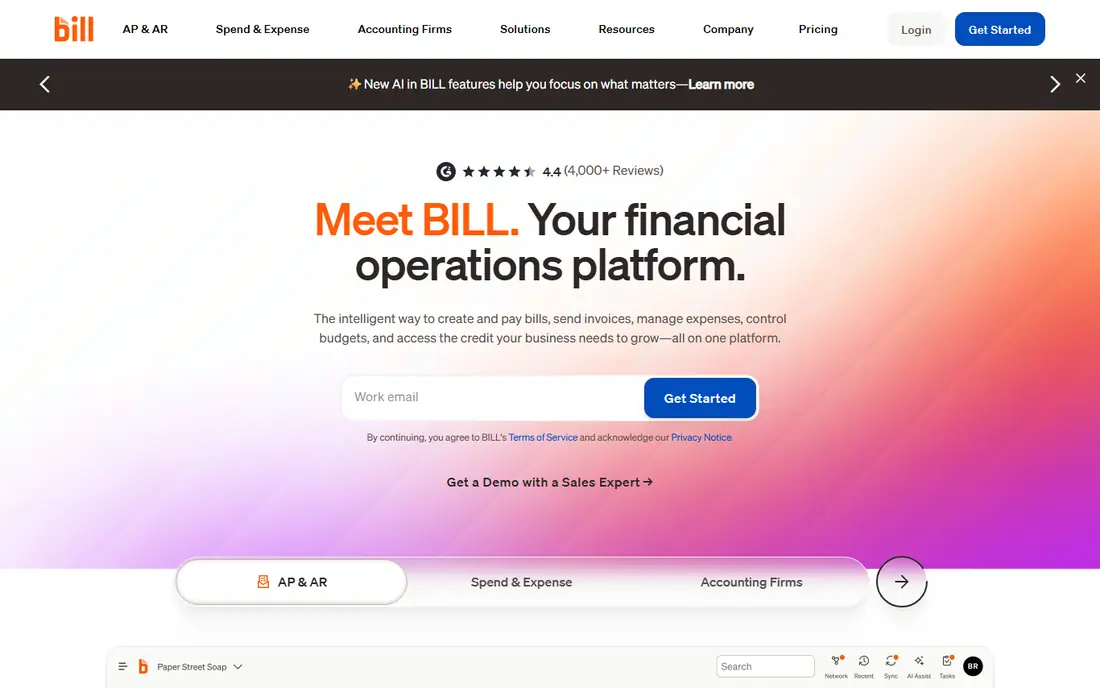
For readers who want a clear starting point, this option gives one. BILL Spend and Expense, formerly Divvy, is built around budgets first: you set a budget, issue cards against it, and spend stays inside the limit. Its strength is discipline for small teams: finance can see spend by budget in real time instead of chasing receipts after the fact.
Teams already using BILL for payables will get the most value, since cards and bills share one workflow. The catch is the wider BILL system: if you want full bill pay and receivables automation, those paid plans add cost beyond the free card product. Ask for a demo or a written quote so the final cost is clear before you commit.
- Free card product with budget controls
- Ties into BILL accounts payable
- Clear spend limits by team or vendor
- Full accounts payable and receivable features sit on separate paid plans
- Card eligibility depends on business profile
- Setup takes care
We put this option on the list because it solves a specific problem well. Airbase, now part of Paylocity, is the procurement led choice: purchase requests, approvals and vendor onboarding come before the card is used. Its strength is control for mid-market finance teams, where a card alone cannot govern a purchase that needs several approvals.
Shortlist Airbase when procurement volume, not just card volume, is the problem you are trying to fix. The catch is price clarity: with quote based pricing, you cannot budget from the website alone, and smaller teams may find the setup heavy. Compare it side by side with one other option on this list before you choose.
- Procurement, bill pay, cards and expenses in one system
- Approval chains for purchase requests
- Accounting integrations
- Quote based pricing, so costs are unclear until a sales call
- Implementation can take longer than card only tools
- Best fit is larger teams
If you value simplicity over a long feature list, start here. Navan, formerly TripActions, is the natural pick when travel drives most card spend, since booking, policy and expense capture live in one flow. Its strength is the travel link: a booked trip, its policy check and its expense record stay connected instead of living in three tools.
Teams with little travel should compare Navan on expense features alone, where card led rivals may be simpler. The catch is the paid tier: after the first free expensing users, the per user cost adds up for larger teams, so count your expensing users first. Test the core workflow with a small amount first, then scale up if it works for you.
- Travel booking plus expense capture in one platform
- First 5 expensing users free for smaller companies
- Card and reimbursement support
- Paid expense tier costs 15 dollars per user per month after the free users
- Travel led design may suit non travellers less
- Policy setup needs care
This option earns its place through a focused job it does well. Expensify suits teams that do not want to switch cards: it tracks spend on cards you already hold and automates receipts and reports. Its strength is flexibility: you keep your bank relationship and still get expense automation, approvals and accounting sync.
Choose Expensify when receipt chasing and reimbursement speed are the pain, not card issuance itself. The catch is depth: if you want card issuance, limits and budgets as the core control, card led platforms do that job more directly. Confirm the limits, fees and support hours on the official site before you sign up.
- Works with existing corporate cards
- Receipt scanning and reimbursements
- Collect plan from 5 dollars per member per month
- Card programme is less central than card led rivals
- Paid tiers add cost as features grow
- Some automation needs the paid plan
For teams that want depth rather than breadth, this one stands out. PEX is built for teams where staff spend away from the office, such as field, delivery and event teams, and managers need live control. Its strength is control at the card level: limits, alerts and receipt prompts help managers spot out of policy spend the same day.
Shortlist PEX when live control for distributed spenders matters more than a free starting tier. The catch is pricing clarity: without a published starting price for every plan, you need a quote to compare it fairly with free card led options. Keep a note of the cancellation terms so you are not caught out later.
- Real time alerts and receipt capture
- Card limits by merchant or category
- Policy aware approvals
- Pricing is quote based in many cases
- Smaller accounting ecosystem than the largest rivals
- Setup needs admin time
We included this option for readers with a narrower, well defined need. Rho combines business banking with corporate cards, treasury, bill pay and expenses, so a startup can run finance from one account. Its strength is the combined stack: money in, cards out and bills paid share one balance view, which cuts reconciliation work.
If you are starting fresh and want banking plus cards together, Rho is one of the strongest free starting points. The catch is fit: Rho is aimed at startups and funded companies, so a mature company with a bank it wants to keep may prefer a card only tool. Run a short trial with real work before you move a full workload onto it.
- Free core platform with banking, cards, treasury and bill pay
- Vendor cards for payables
- Accounting integrations
- Banking led model may suit non startups less
- Advanced features sit on paid tiers
- Eligibility depends on business type
How we picked these
We started from the topic itself and kept only options that exist and work in October 2026 and that truly fit the need in the title. We read official pricing and feature pages, app store listings where relevant, and public reviews, and we left out options whose pricing or core claims we could not check. Where a price was not published, we wrote See website rather than guessing a number.
We also weighed who each option suits, what it does well, and where it falls short. A well known name did not earn a place on its own, and a smaller option earned one when its fit was clear. We did not claim hands-on testing we did not do, and we note limits plainly so you can judge the trade-off for yourself.
How to choose a business credit card platform
Start with your card problem, not the card brand. If staff overspend or receipts go missing, you need limits, approvals and receipt prompts first. If month end close is slow, you need accounting sync and clean categorisation first. If travel dominates spend, you need booking plus policy in one place. Write that problem down, then shortlist only platforms that solve it directly.
Next, price the whole team, not the headline tier. Free tiers often cover cards and basic expenses, but paid tiers, platform fees and per user charges change the total once every expensing employee is counted. Check card type too: charge cards, credit cards and prepaid style controls behave differently for cash flow. Finally, test onboarding with a small group before you issue cards company wide, and confirm who issues the cards and what happens if a card is lost or a limit needs changing urgently.
Frequently asked questions
Do business credit card platforms replace a business bank account?
Not always. Card led platforms such as Ramp and Brex issue cards and manage spend, but they are not always a full bank replacement. Banking led options such as Rho combine an account with cards, while other teams keep their existing bank and use a card platform only for spend control. Check what account, if any, sits behind the cards before you switch.
Are corporate cards from these platforms credit cards?
It varies. Some platforms issue charge cards that must be paid in full on a short cycle, while others issue credit cards with a credit limit and interest terms. The difference affects cash flow and credit reporting, so read the card agreement for the exact product you are offered, not just the platform marketing page.
Can I set limits per employee or per vendor?
Yes, on most platforms in this list. You can usually set limits by employee, team, vendor or merchant category, and require approval above a threshold. The depth of those controls differs, so test the exact limit and approval flow you need during a trial rather than assuming every platform matches.
What accounting tools do these platforms connect to?
Most connect to QuickBooks, Xero, NetSuite and similar systems, but the depth of the sync varies. Some push coded transactions automatically, while others need manual review. Ask for the exact sync behaviour for your accounting system, including how receipts, categories and multi entity data are handled.
Is there really a free option?
Yes, several platforms offer a free starting tier funded in part by card interchange, including Ramp, Brex, BILL Spend and Expense and Rho. Free does not always mean every feature is included, so check which controls, integrations and support levels sit behind a paid tier before you rely on the free plan.
Sources
See where you really rank - block by block
ProMapRanker scans Google Maps across a grid of your service area. Simple monthly plans from $19, white-label on every plan.
Start freeKeep reading
 zscaler alternatives
Best Zscaler Alternatives in 2026
Looking for zscaler alternatives? We compare 9 SASE and zero trust platforms on architecture, data protection, pricing, and fit for your network and team.
Read → zapier alternatives free
Best Zapier Alternatives Free in 2026
Nine automation tools for zapier alternatives free in 2026, all with genuinely free tiers, plus free plan limits, starting prices and upgrade paths explained.
Read → which platform is best for online reputation
Which Platform Is Best for Online Reputation in 2026
Wondering which platform is best for online reputation? We compare 8 review, listing, and response tools for small and multi-location businesses and agencies.
Read →