 ProMapRanker
Best Payment Processor for Subscription Services in 2026


Subscription software and SaaS · Pricing starts at: 2.9% + $0.30 per transaction
Key takeaways
- Stripe is the most flexible default for subscription software, with native recurring billing, trials and a wide integration ecosystem.
- PayPal and Braintree help when buyer trust and wallet checkout matter, while Square suits firms that also sell in person.
- Helcim and Stax can lower costs at higher volume through interchange-plus and subscription pricing, but the fee model needs volume to pay off.
- Rates and fees vary by card mix, country and risk profile, and no provider in this list guarantees approval for every business.
Quick comparison
| Pick | Great for | Pricing starts at | Free tier | |
|---|---|---|---|---|
| Stripe | Subscription software and SaaS | 2.9% + $0.30 per transaction | No | Visit |
 PayPal | Buyer trust and wallet checkout | 2.99% + $0.49 per transaction | No | Visit |
 Square | Online plus in-person subscriptions | 2.9% + $0.30 per transaction | No | Visit |
 Braintree | Subscriptions and marketplaces | 2.59% + $0.49 per transaction | No | Visit |
 Authorize.net | Gateway with a separate processor | $25 per month | No | Visit |
 Adyen | Enterprise and global subscriptions | See website | No | Visit |
 Checkout.com | Global enterprise payments | See website | No | Visit |
 Helcim | Transparent interchange-plus pricing | See website | No | Visit |
 Stax | High-volume subscription pricing | $99 per month | No | Visit |
The best payment processor for subscription services
This is general information only. Rates, fees and approval decisions vary by business type, volume, card mix and risk review, and no processor guarantees approval. We compared official pricing pages and dated October 2026 rate checks for processors that support recurring billing for US subscription businesses.
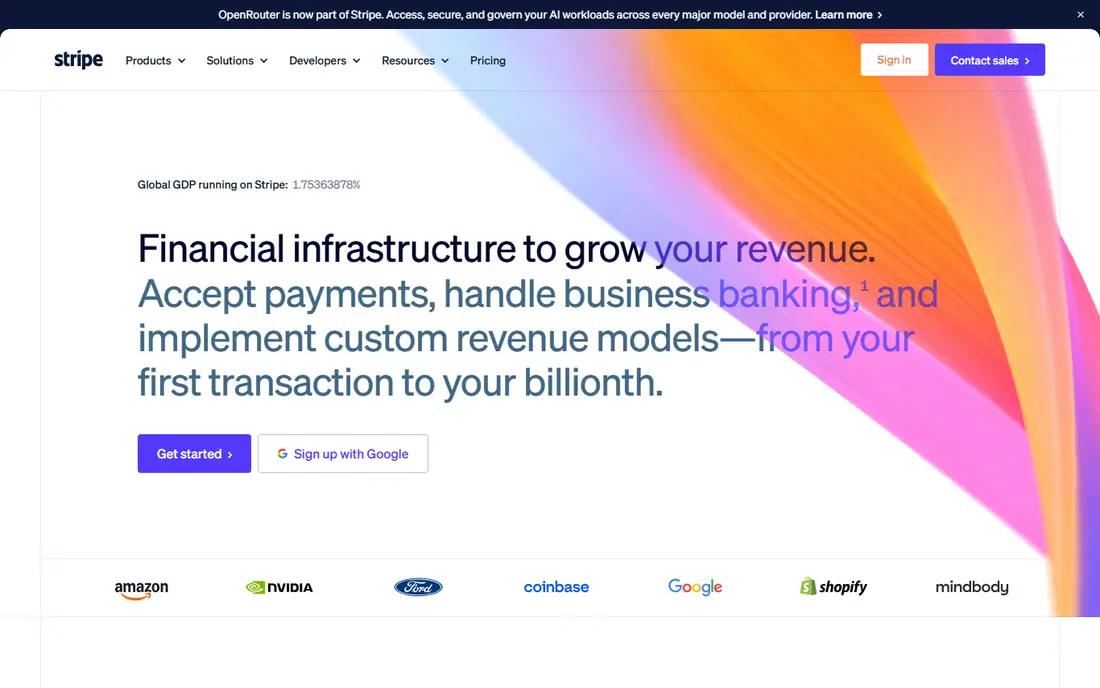
Stripe is the default choice for many subscription firms because recurring billing is built into the product. Firms can set trials, coupons, proration, upgrades and failed payment retries without building a billing engine from scratch. Integrations with billing, accounting and tax tools are also wide, which helps as a subscription business grows.
The cost trade is the flat rate. A firm processing millions per month pays roughly the same percentage as a small firm unless it negotiates a custom rate. Dispute fees and strict category review are also real risks for some business types. For most new subscription firms, Stripe offers the fastest path to reliable recurring billing.
- Native subscriptions, trials and proration
- Wide billing and tax integrations
- Strong developer tools
- Flat rate can be costly at very high volume
- Dispute fees apply and high-risk categories face strict review
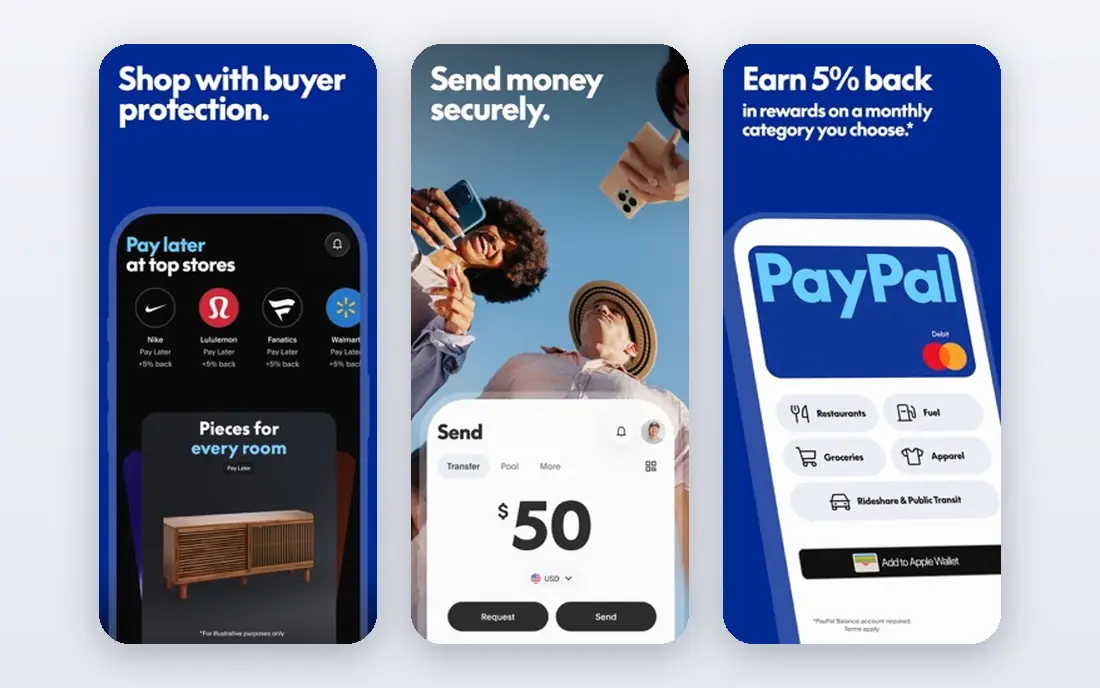
PayPal helps subscription firms when customers trust the wallet more than a card form. Buyers can subscribe with a PayPal balance, bank account or card, and recurring payments can be managed through the PayPal account. That familiarity can improve conversion for consumer subscriptions, especially for first-time buyers.
Fees are the drawback. The published online rate is higher than Stripe for many US transactions, and international fees add further cost. Checkout customisation is also more limited, so firms that need a fully branded flow may prefer a developer-led processor. For consumer subscriptions, PayPal is still worth offering alongside cards.
- Widely recognised checkout and wallet
- Recurring payments and subscriptions
- Broad buyer reach
- Higher online transaction fee than some rivals
- Checkout customisation is more limited than Stripe

Square suits subscription firms that also sell in person, such as studios, clubs and local services. Online subscriptions, invoices and recurring payments sit alongside point-of-sale tools, so one account can cover both sides of the business. Setup is simple, with no monthly fee at entry level.
The limit is depth. Square subscription logic is simpler than Stripe for complex SaaS billing, such as usage-based tiers and multi-seat proration. International coverage is also narrower. For straightforward memberships and service subscriptions, Square offers a clean and predictable option.
- Simple online rate with no monthly fee at entry
- Subscriptions and invoices
- In-person tools when needed
- International coverage is more limited
- Advanced subscription logic is simpler than Stripe
Braintree, owned by PayPal, combines card processing with PayPal and Venmo options in one integration. Subscription billing, vaulted payment methods and retry logic help firms keep renewals running without manual work. Marketplace and mobile support also suit firms that split payments or sell mainly through apps.
Small-ticket subscriptions should check the fixed fee carefully. At $0.49 per transaction, low-priced monthly plans carry a higher effective rate than the percentage alone suggests. For mid-priced subscriptions and marketplaces that value wallet checkout, Braintree is a strong alternative to Stripe.
- PayPal-owned processor with wallet options
- Subscription billing and vaulted cards
- Mobile and marketplace support
- Published rate can be higher per transaction than Stripe on small tickets
- Support and onboarding vary by account
Authorize.net is a payment gateway rather than a single all-in-one processor. It connects a merchant account to a website or cart, stores customer payment profiles and runs recurring billing schedules. That model suits firms that already have a merchant account or want to keep gateway and processor separate.
Cost and setup are the trade-offs. The gateway charges a monthly fee plus a per-transaction fee, on top of processor rates, so the total must be compared as a package. Setup also takes more configuration than Stripe or Square. For firms with an existing merchant relationship, Authorize.net remains a dependable recurring billing gateway.
- Long-standing recurring billing gateway
- Fraud tools and customer profiles
- Wide shopping cart integrations
- Monthly gateway fee plus processor fees
- Setup is less simple than an all-in-one processor
Adyen serves larger subscription firms that sell across countries and currencies. It offers local payment methods, global acquiring and detailed reporting, with interchange-plus pricing that can beat flat rates at scale. Fraud tools and recurring payment optimisation also help firms with high international renewal volume.
Small firms will find Adyen harder to access. Pricing is custom, a minimum invoice may apply depending on industry and model, and setup requires more engineering and compliance work. For enterprise subscriptions with global reach, Adyen is a serious option once volume justifies the effort.
- Global acquiring and local payment methods
- Interchange-plus pricing for larger firms
- Strong fraud and reporting tools
- Minimum invoice and volume expectations can exclude small firms
- Setup is heavier than flat-rate processors
Checkout.com is another enterprise-grade processor for global subscription businesses. It supports card acquiring, local payment methods and recurring billing, with fraud screening and payment optimisation tools. Firms with customers in many countries can route payments locally, which can improve approval rates.
The drawback for small firms is access and pricing clarity. Rates are custom, setup fees and account maintenance terms vary, and the sales process is aimed at larger merchants. For a growing global subscription firm that has outgrown flat-rate pricing, Checkout.com deserves a quote alongside Adyen.
- Global card acquiring and local methods
- Flexible pricing models
- Strong fraud and optimisation tools
- Pricing is custom and not published as a simple rate
- Enterprise focus means small firms may face minimums
Helcim uses interchange-plus pricing, which passes card network costs through and adds a published margin. That model can be cheaper than flat rates as volume grows, and volume discounts apply automatically in many cases. Recurring billing, invoicing and customer management tools support subscription firms without a separate billing system.
The rate a firm actually pays still depends on the cards customers use, so premium rewards cards cost more than standard cards. International support is also narrower than Adyen or Checkout.com. For US-focused subscription firms that want transparent pricing and no monthly fee, Helcim is a strong value comparison.
- No monthly fee at entry
- Interchange-plus pricing with volume discounts
- Recurring billing and invoicing tools
- Effective rate depends on card mix
- International currency support is more limited than global processors
Stax charges a monthly subscription fee and then passes interchange through with a low per-transaction markup. That model can save money for firms processing enough volume each month to offset the fee. Recurring billing, invoicing and reporting tools support subscription operations, and next-day funding is available for approved accounts.
The monthly fee is the risk for small firms. At low volume, $99 per month plus interchange can cost more than a flat-rate processor with no monthly fee. Pricing tiers also rise with annual volume, so firms should model costs at their real monthly total. For higher-volume subscriptions, Stax is worth a cost comparison.
- Subscription pricing with low per-transaction markup
- Interchange passed through
- Recurring billing support
- Monthly fee only pays off at higher volume
- Pricing tiers rise with annual processing volume
How we picked these
We compared official pricing pages and dated October 2026 rate checks, and we kept only processors that support recurring billing for US businesses. Pure billing software without payment processing was left out, as were processors that do not serve US subscription firms. We mixed flat-rate, interchange-plus and subscription-priced models, because the cheapest model depends on volume and card mix.
What to check before you choose a processor
Start with your real transaction profile. Average ticket size, monthly volume, refund rate and the share of international cards all change the effective rate. Run the same month of transactions through each pricing model, including monthly fees, fixed per-transaction fees and dispute fees, rather than comparing percentages alone.
Next, test the subscription features you need. Trials, coupons, upgrades, downgrades, proration, failed payment retries and dunning emails all affect churn. Ask how each processor handles expired cards, failed renewals and customer updates, and whether those tools are included or sold as add-ons.
Finally, check approval and payout terms before you migrate. Ask about reserve requirements, payout timing, dispute handling and what happens if your category is reviewed. Keep a backup processor in mind for high-risk categories, and confirm how saved cards can be moved if you switch later, because card migration rules can lock a firm in.
Frequently asked questions
What is the cheapest payment processor for subscriptions?
There is no single cheapest option, because cost depends on volume and card mix. Flat-rate processors suit low volume, while interchange-plus and subscription-priced processors can win at higher volume. Model a real month of transactions, including monthly and dispute fees, before choosing.
Do I need a separate billing tool with a payment processor?
It depends on billing complexity. Stripe, Braintree and Helcim include useful recurring billing, while complex SaaS firms may still add a billing platform for usage tiers, revenue recognition and tax. Start with the processor billing tools, and add a platform only when the logic outgrows them.
Can a payment processor reject my subscription business?
Yes. Processors review business type, risk, chargeback history and compliance, and some categories face stricter review or refusal. No provider in this list guarantees approval. Apply early, provide clear business details and keep a backup option if your category is sensitive.
How do failed subscription payments work?
Most processors retry failed cards, notify the customer and update the payment method when banks provide new card details. Retry timing, dunning emails and grace periods differ, so test them before launch. Good retry logic can recover a meaningful share of renewals without manual work.
Should I offer PayPal as well as cards for subscriptions?
For consumer subscriptions, offering PayPal alongside cards can improve conversion, because some buyers prefer a wallet. For B2B software, cards and bank debit often matter more. Test checkout conversion with both options, and weigh the higher PayPal fee against the extra completed subscriptions.
Sources
See where you really rank - block by block
ProMapRanker scans Google Maps across a grid of your service area. Simple monthly plans from $19, white-label on every plan.
Start freeKeep reading
 worlds best local seo company
8 Worlds Best Local SEO Companies for Map Pack Growth in 2026
Compare the worlds best local seo company options for Google Business Profile work, citations, reviews, and multi-location rankings and reporting in 2026.
Read → world's best web hosting company
World's Best Web Hosting Company in 2026
Searching for the world's best web hosting company? We compared 10 hosts on price, renewal rates, speed, and support to help you choose well today in 2026.
Read → who's got the best nanny tax services
Who's Got the Best Nanny Tax Services in 2026
We answer who's got the best nanny tax services, comparing full filing, back taxes, software, and pricing so families can handle nanny taxes correctly.
Read →