 ProMapRanker
Best Patient Medication Adherence Platforms in 2026


Medication reminders with caregiver alerts · Pricing starts at: $4.99 per month
Key takeaways
- Medisafe now requires a paid subscription after a trial, so free seekers should look at MyTherapy or CareClinic first.
- CareClinic goes beyond pill reminders, with symptom, mood, and measurement tracking in one app.
- Apple Health Medications suits iPhone owners who want reminders without another account.
- Caregiver alerts and refill reminders are the features that help most when a regimen is complex.
- Privacy settings deserve a close read, since medication data is sensitive and some apps store it on their servers.
Quick comparison
| Pick | Great for | Pricing starts at | Free tier | |
|---|---|---|---|---|
| Medisafe | Medication reminders with caregiver alerts | $4.99 per month | Free trial | Visit |
 MyTherapy | Free medication and health tracking | Free | Yes | Visit |
 CareClinic | Full health and medication tracking | $5.99 per month | Yes | Visit |
 EveryDose | Simple pill reminders | $9.99 per month | Yes | Visit |
 Cadence | Private on-device medication tracking | $9.99 one-time | Yes | Visit |
 Dosecast | Flexible dose scheduling | See website | Yes | Visit |
 Apple Health Medications | iPhone owners who want built-in reminders | Free | Yes | Visit |
 Hero | Automatic pill dispensing at home | See website | No | Visit |
The best patient medication adherence platforms
We compared reminder apps and adherence platforms that patients can use today, on reminders, caregiver support, refill help, and privacy. We left out retired apps and tools that only track general wellness with no medication schedule. This article is for general information only and is not medical advice. Talk to a clinician or pharmacist about doses, missed doses, and side effects. Check privacy settings before you share medication data, and agree on caregiver alerts with the person who will receive them.
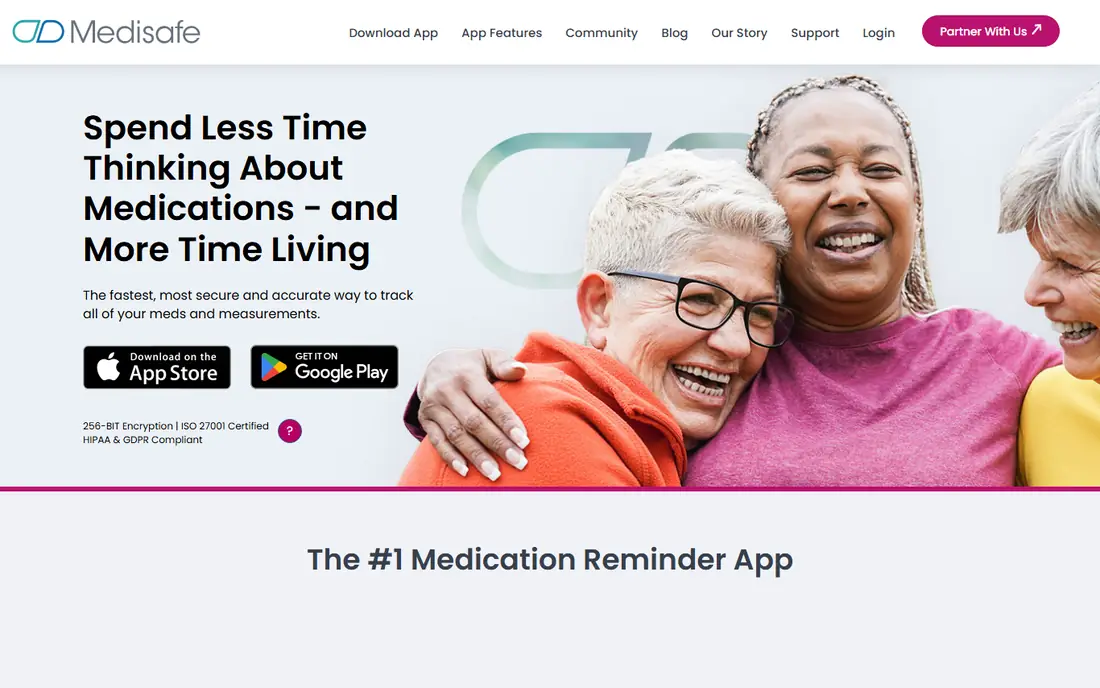
Medisafe is built around medication reminders, with caregiver alerts that notify a chosen supporter when a dose is missed. It works best when one person owns the shortlist and checks it against real needs before buying. Its move to paid-only access after a trial is a real drawback for long-time free users. That balance matters more than any single feature, because a tool that is hard to run tends to sit unused. Before you commit, confirm the exact plan limits and what happens when you pass them.
- Clear reminders
- Medfriend caregiver alerts
- Refill reminders
- Free tier ended in stages, with a paid subscription now required after a trial

MyTherapy gives patients a free way to track medicines and health measures, with reports that can help at a clinical visit. The value shows up in repeat use, when the same checks run across several cases in a week. The free version carries ads, and the optional subscription is the way to remove them. We would weigh that strength against the cost in time, since setup and upkeep are part of the real price. Before you commit, run a small trial on a real task and keep notes on where it helped and where it fell short.
- Free core app
- Health reports
- Optional ad-free subscription
- Ads in the free version
- No Apple Watch app listed
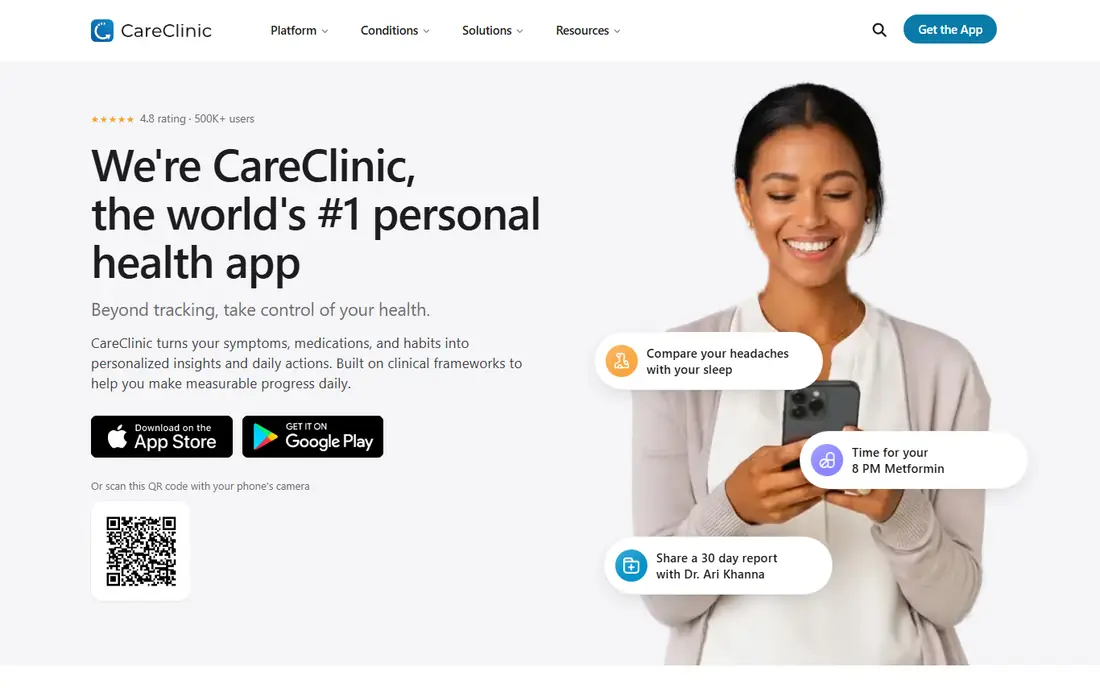
CareClinic suits patients who want medication reminders beside symptom and measurement logs in one place. That scope fits a team that needs clear next steps, not a long list of unrelated options. The free tier is limited, so patients who need long history will need a paid plan. The trade-off is worth naming early, since the strongest feature often sits beside a limit that affects daily use. Before you commit, check the current pricing page, the plan limits, and the cancellation terms in writing.
- Medication, symptom, and measurement tracking
- Caregiver sharing
- Drug library
- Free tier keeps only 7 days of timeline history
- Premium costs vary
EveryDose keeps the job simple: reminders, a medication list, and a report you can share. It works best when one person owns the shortlist and checks it against real needs before buying. Its price is higher than Medisafe or CareClinic, so compare it on simplicity rather than features. That balance matters more than any single feature, because a tool that is hard to run tends to sit unused. Before you commit, confirm the exact plan limits and what happens when you pass them.
- Simple reminders
- PDF medication list
- No ads listed
- Higher monthly price than some rivals
- IPhone only in some listings
Cadence appeals to patients who want reminders without an account, since core tracking stays on the device. The value shows up in repeat use, when the same checks run across several cases in a week. It is iPhone only, so Android patients need another option. We would weigh that strength against the cost in time, since setup and upkeep are part of the real price. Before you commit, run a small trial on a real task and keep notes on where it helped and where it fell short.
- Free core app
- Data kept on your iPhone
- Apple Watch app
- IPhone only
- Pro is a one-time purchase with a narrower feature set
Dosecast has served patients for years with flexible schedules for doses that do not fit a simple daily pattern. That scope fits a team that needs clear next steps, not a long list of unrelated options. Its public pricing is less clear, so check the app store listing before you commit. The trade-off is worth naming early, since the strongest feature often sits beside a limit that affects daily use. Before you commit, check the current pricing page, the plan limits, and the cancellation terms in writing.
- Flexible schedules
- Refill and dose tracking
- Long history in the field
- Pricing and platform details are less clear than larger rivals
Apple Health Medications
Great for: iPhone owners who want built-in reminders
Apple Health Medications is the simplest pick for iPhone owners, since reminders live in the phone you already carry. It works best when one person owns the shortlist and checks it against real needs before buying. It lacks the caregiver alerts and refill tools of dedicated apps, so complex regimens may need more. That balance matters more than any single feature, because a tool that is hard to run tends to sit unused. Before you commit, confirm the exact plan limits and what happens when you pass them.
- Built into iPhone
- No separate account needed
- Encrypted iCloud sync option
- IPhone only
- No caregiver alerts like Medisafe
Hero pairs a home dispenser with an app, so doses are sorted and dispensed at the right time rather than only reminded. The value shows up in repeat use, when the same checks run across several cases in a week. It is a device purchase as well as an app, so the total cost is higher than a reminder app alone. We would weigh that strength against the cost in time, since setup and upkeep are part of the real price. Before you commit, run a small trial on a real task and keep notes on where it helped and where it fell short.
- Automatic dispensing
- App reminders
- Caregiver notifications
- Requires a dispenser device
- Cost and plan details need a quote
How we picked these
We compared official feature pages, pricing pages, and app store listings, and we checked each product against the topic itself. We kept only products that exist and work in October 2026 and that fit the stated use, and we left out products that did not fit even when they were well known. Where a price could not be verified on the vendor site, we wrote See website rather than guessing.
How to pick a medication reminder that you will actually use
Start with the regimen itself: how many medicines, how often, and if doses change by day or week. A simple once-a-day list needs only a plain reminder, while a complex schedule benefits from refill alerts, caregiver notices, and a clear log you can show a clinician. Test the reminder sound and timing on a normal day, not just at setup, since a reminder you miss or mute will not help. Check where your data is stored, who can see it, and how to export or delete it. If a caregiver will help, agree on what alerts they receive and when, so help does not become surveillance. A clear log also helps at a clinical visit, since it shows patterns over weeks rather than a single day. Keep the app as a reminder and record, not as a source of medical advice, and talk to a clinician or pharmacist when a dose, timing, or side effect is unclear.
Frequently asked questions
Do medication apps replace a pharmacist or clinician?
No. They remind and record, but they do not give medical advice. Ask a clinician or pharmacist about doses, interactions, and missed doses.
What if I miss a dose?
Follow the advice on your medicine label or from your clinician, and do not double up unless that advice says to. A reminder app should not tell you what to take.
Can a caregiver see if I missed a dose?
Some apps offer caregiver alerts with your consent. Check the privacy settings and agree on alerts before you turn them on.
Are these apps private?
It varies. Some store data on their servers, while Apple Health keeps much of it on your device. Read the privacy policy before you enter sensitive details.
What is the best free medication reminder?
MyTherapy and Apple Health Medications are strong free options, while CareClinic offers a free tier with limited history. Check current limits before you rely on one.
Sources
See where you really rank - block by block
ProMapRanker scans Google Maps across a grid of your service area. Simple monthly plans from $19, white-label on every plan.
Start freeKeep reading
 zscaler alternatives
Best Zscaler Alternatives in 2026
Looking for zscaler alternatives? We compare 9 SASE and zero trust platforms on architecture, data protection, pricing, and fit for your network and team.
Read → zapier alternatives free
Best Zapier Alternatives Free in 2026
Nine automation tools for zapier alternatives free in 2026, all with genuinely free tiers, plus free plan limits, starting prices and upgrade paths explained.
Read → which platform is best for online reputation
Which Platform Is Best for Online Reputation in 2026
Wondering which platform is best for online reputation? We compare 8 review, listing, and response tools for small and multi-location businesses and agencies.
Read →