 ProMapRanker
Best Patient Engagement Platform in 2026


Health systems using AI messaging at scale · Pricing starts at: See website
Key takeaways
- Most patient engagement platforms in this group price by quote, so the sales conversation matters as much as the feature list.
- Artera, Luma Health, and Phreesia suit larger organizations, while Solutionreach, NexHealth, and Emitrr fit smaller practices better.
- Intake, scheduling, reminders, and two-way messaging are the core jobs, and the best pick depends on which job causes the most daily friction.
- Always confirm a HIPAA business associate agreement, EHR compatibility, and what patients actually see before signing a contract.
- This article is general information only and is not medical advice, so clinical decisions should stay with qualified care teams.
Quick comparison
| Pick | Great for | Pricing starts at | Free tier | |
|---|---|---|---|---|
| Artera | Health systems using AI messaging at scale | See website | No | Visit |
 Luma Health | Access, scheduling, and waitlist automation | See website | No | Visit |
 Relatient | Appointment reminders and self-scheduling | See website | No | Visit |
 Phreesia | Digital intake and payment collection | See website | No | Visit |
 Solutionreach | Small practices automating recalls and reminders | See website | No | Visit |
 NexHealth | Medical and dental practices syncing bookings | See website | No | Visit |
 Klara | Practices wanting a single patient inbox | See website | No | Visit |
 Emitrr | Small practices needing simple texting and calls | See website | No | Visit |
The best patient engagement platforms
These eight platforms help practices and health systems reach patients between visits, fill schedules, and cut phone tag. We compared their published features, EHR links, and pricing transparency.
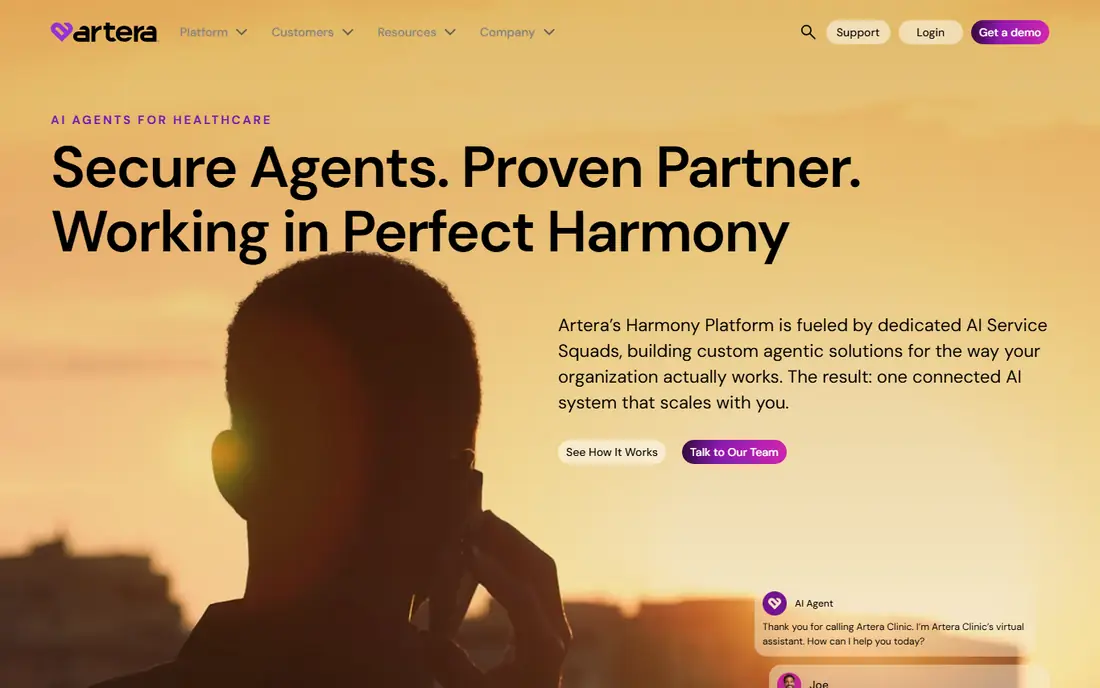
Artera focuses on the full patient journey, from scheduling and intake to referrals, payments, and closing care gaps. Its AI agents handle voice, text, and email conversations, which can take routine work off front-desk staff during busy periods. The breadth matters for health systems that run many specialties and locations under one communication approach.
The trade-off is scale. Artera does not publish a simple starting price, and implementation will likely involve planning around EHR workflows, message templates, and staff roles. Practices with one location and simple reminder needs may not need this depth. Larger organizations that want consistent messaging across sites will get more from it.
- AI voice and text agents across the patient journey
- Messaging in many languages
- Works with major EHR systems
- Pricing is quote-based
- Smaller practices may find the setup heavy
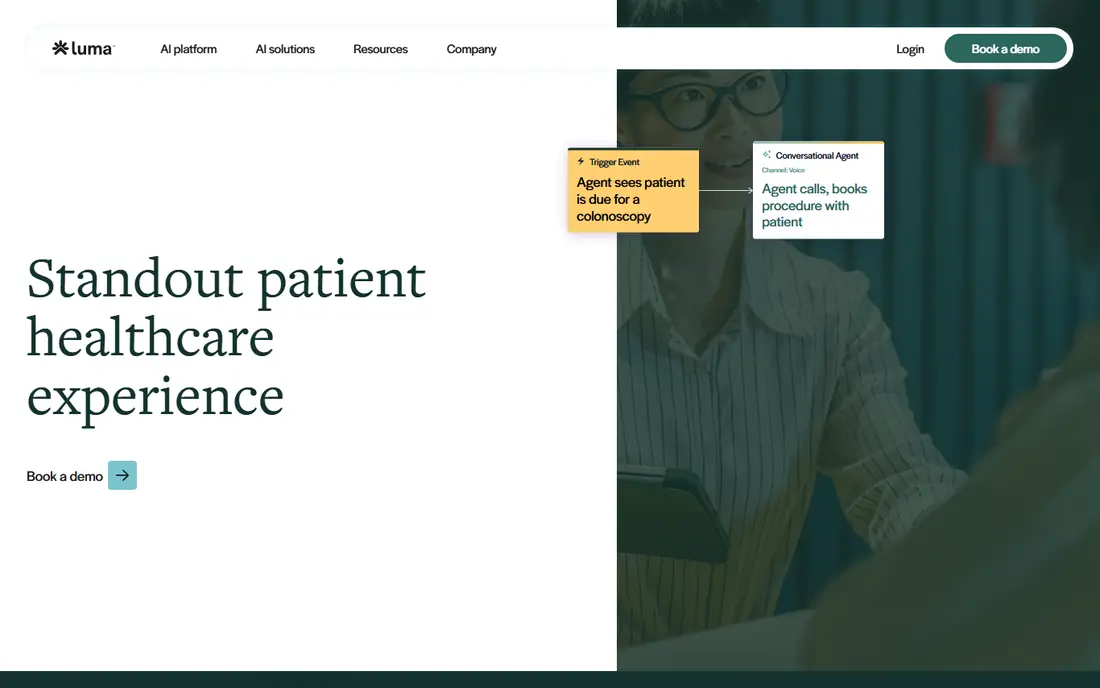
Luma Health aims to fix access problems, such as empty slots after cancellations and referrals that stall between offices. Its waitlist tools can offer open times to patients who asked to come sooner, which helps keep schedules full without extra phone calls. Referral and outreach workflows add structure to follow-up that often falls through cracks.
The honest catch is cost clarity. Without published pricing, a practice must go through a sales process to learn what it will pay at its size. The platform also works best when staff commit to its workflows rather than treating it as a simple reminder tool. For groups that lose real revenue to no-shows, that effort can pay off.
- Patient journey tools for scheduling, referrals, and outreach
- Smart waitlist to fill cancellations
- Two-way messaging
- Quote-based pricing
- Customization can take time to set up well
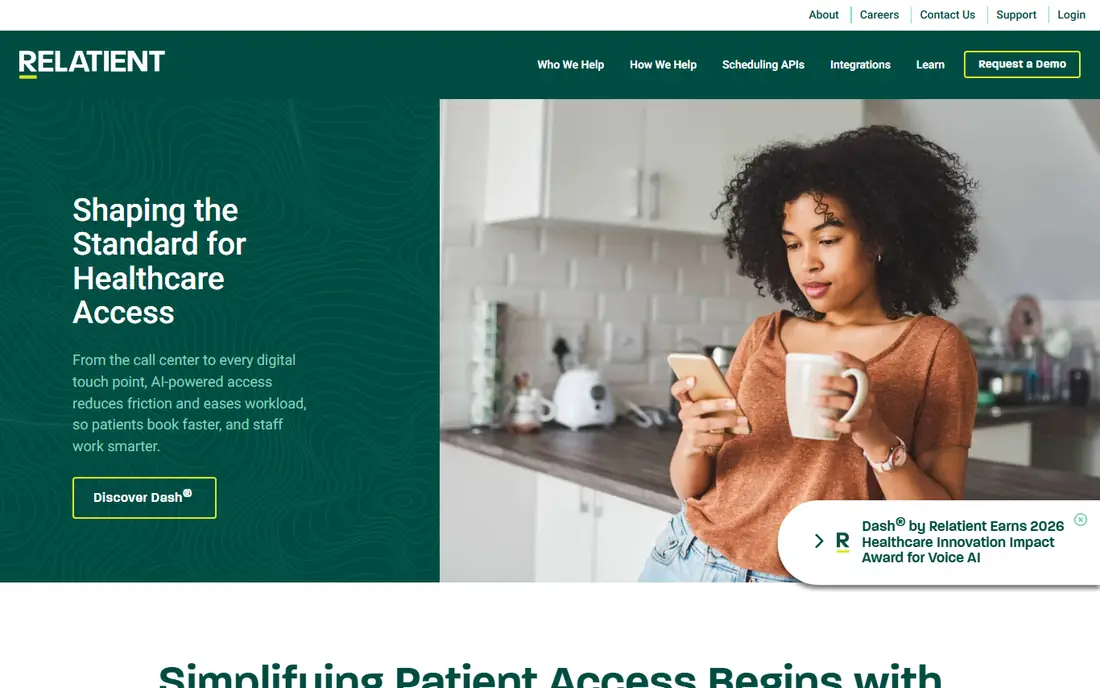
Relatient covers the daily communication loop that keeps a clinic running: reminders, rescheduling, intake, and post-visit follow-up. Patients can reply to messages and handle simple changes without calling, which lowers front-desk volume. The added survey and reputation tools help practices hear from patients after the visit, not just before it.
Relatient is less of a full digital front door than some rivals, and its reporting may feel thin for managers who want detailed engagement trends. Pricing also requires a quote, so small practices should ask about minimums and contract length early. For practices whose main pain is missed appointments, it is a focused and practical choice.
- Automated reminders by text, email, and phone
- Two-way messaging
- Reputation and survey tools
- Quote-based pricing
- Reporting depth is limited compared with larger suites
Phreesia is strongest at the front end of the visit. Patients complete registration, insurance details, and clinical forms on a tablet or phone before they arrive, which cuts paperwork at the desk. Collecting copays and balances during check-in also helps practices avoid chasing payments later. Its newer voice AI tools extend that work to phone calls for scheduling and payments.
The weakness is patient adoption. Forms and digital check-in only help if patients complete them, and some will still need staff guidance. Pricing is quote-based, so the total cost depends on practice size and modules. High-volume practices that process many check-ins each day will see the clearest return.
- Digital registration and check-in
- Insurance verification
- Payment collection at check-in
- Quote-based pricing
- Older or less tech-comfortable patients may need staff help
Solutionreach has long served independent practices that need steady, automated patient communication without a health system budget. Reminders and recall campaigns bring patients back for routine care, while two-way texting handles quick questions and rescheduling. Its wide set of practice management links helps it fit into existing office software.
The platform is not the flashiest option here, and practices that want advanced AI agents or deep analytics may outgrow it. Still, for a small practice that mainly needs reliable reminders and recalls, that simplicity is a plus rather than a flaw. Ask for a clear quote and check which integrations are included at the quoted tier.
- Reminders, recalls, and two-way texting
- Many practice management integrations
- Simple campaign tools
- Quote-based pricing
- Interface feels less modern than newer rivals
NexHealth builds its case on real-time booking. When a patient books online, the slot should match the practice schedule rather than creating a double booking that staff must fix. That sync, plus intake forms, reminders, and review requests, covers the main touchpoints for medical and dental offices. The result is fewer phone calls and fewer schedule surprises.
The catch is fit. NexHealth works best when it connects cleanly with the practice system a clinic already runs, so compatibility checks matter before purchase. Pricing is custom, which makes direct comparison harder. Practices that take many online bookings each week will benefit most from its scheduling strength.
- Real-time scheduling that syncs with practice systems
- Digital intake and reminders
- Review tools
- Quote-based pricing
- Best value depends on a compatible practice system
Klara takes a different angle by putting patient messages, forms, and documents into one shared inbox for the whole care team. Staff can see the thread, assign tasks, and reply without digging through separate email accounts or phone notes. That shared view helps small teams avoid dropped messages, which is a common source of patient frustration.
Klara is not the strongest pick for organizations whose main need is automated scheduling or waitlist filling at scale. It shines when messy communication is the problem. Practices should confirm pricing, message volume limits, and EHR links during a demo, and test the inbox with real staff roles before committing.
- One shared inbox for messages, forms, and documents
- Team collaboration tools
- Patient-friendly messaging
- Quote-based pricing
- Less focused on large-scale scheduling automation
Emitrr suits small practices that want to stop missing calls and messages without buying a large platform. Its missed-call text-back replies to patients who could not reach the office, which can recover bookings that would otherwise go elsewhere. Two-way texting and basic call tools cover most day-to-day contact for a small front desk.
The limit is depth. Emitrr does not match the intake, referral, or analytics breadth of Artera, Luma Health, or Phreesia. That is fine for a clinic that needs better texting first and can add other tools later. Small teams should still ask about pricing tiers, message limits, and support hours before signing.
- Two-way texting and call handling in one place
- Missed-call text-back
- Simple setup for small teams
- Quote-based pricing
- Fewer enterprise features than larger platforms
How we picked these
We compared official feature pages, pricing pages, and public product descriptions for patient engagement tools that serve US practices and health systems in October 2026. We favored products with clear EHR or practice management links, two-way patient messaging, and a track record in medical or dental settings. We left out tools that only handle one narrow job, such as standalone review collection, unless they also covered core engagement work. Where a vendor did not publish pricing, we wrote See website rather than repeating a third-party estimate as fact.
What to check before you buy
Start with the job that costs your team the most time. If no-shows are the problem, test reminder, waitlist, and self-scheduling flows with real appointment types. If intake is the bottleneck, run a full registration from a patient phone and watch where people stall or ask for help.
Privacy and compliance checks
Confirm a HIPAA business associate agreement, data retention rules, and how patient consent for texting is recorded. Ask which staff roles can see messages and whether the vendor supports audit logs. Patient engagement software handles sensitive contact and health details, so privacy settings deserve the same attention as features. This article is general information only and is not medical advice, and it does not replace advice from your compliance or legal advisors.
Implementation questions worth asking
Ask how long setup takes, who builds message templates, and what happens to scheduled messages during an EHR outage. Check whether reminders write back to the schedule or only send one-way notices. A short pilot with one location or one provider group will reveal adoption problems faster than a system-wide rollout. Measure no-show rates, call volume, and staff time before and after the pilot so the renewal decision rests on numbers from your own clinic.
Frequently asked questions
What is the best patient engagement software for a small practice?
Small practices often do best with a focused tool such as Solutionreach, NexHealth, or Emitrr, because setup is simpler and the core jobs are reminders, booking, and texting. Larger groups with many sites may need Artera or Luma Health instead. Match the tool to your biggest bottleneck first, then compare price and EHR fit within that smaller group.
What are the best patient engagement tools for reducing no-shows?
Reminder tools with two-way replies, self-scheduling, and waitlist filling tend to help most, since patients can confirm or move a visit without calling. Luma Health and Relatient both emphasize those flows. No tool removes no-shows entirely, so track your rate before and after a pilot to judge the real effect.
How much does the best patient engagement platform cost?
Most vendors in this group price by quote, based on locations, providers, message volume, and integrations. That makes published comparisons hard, and it means two similar practices can receive different quotes. Ask for the full contract cost, including setup, messaging limits, and any per-location fees, before comparing options.
Do patient engagement platforms replace a patient portal?
No, they usually work alongside a portal. A portal stores records and results for patients to view, while engagement tools send reminders, collect intake forms, and follow up between visits. Many practices run both, with the engagement tool handling active outreach and the portal handling record access.
What should we ask about top patient engagement software reviews?
Read reviews for notes on EHR integration quality, support response times, and patient adoption, not just star scores. Look for reviewers in a similar specialty and practice size, since a tool that fits a large health system may frustrate a solo clinic. Use reviews to build demo questions, then verify the answers in your own trial.
Sources
See where you really rank - block by block
ProMapRanker scans Google Maps across a grid of your service area. Simple monthly plans from $19, white-label on every plan.
Start freeKeep reading
 zoho inventory alternatives
6 Alternatives to Zoho Inventory, Compared on Price and Fit
Zoho Inventory alternatives: 6 tools compared on price, free plans and fit. Katana leads the list for manufacturers. Fit and flaws are laid out for each entry.
Read → zoho crm alternatives
Best Zoho CRM Alternatives (2026)
Need Zoho CRM alternatives? We compare 7 tools on cost, free access and who each suits. Every pick gets a straight assessment. Built for quick decisions.
Read → zelle alternatives
Best Zelle Alternatives in 2026
Compare the best Zelle alternatives for sending money to friends, paying sellers and moving funds abroad, with honest notes on fees, speed and safety in 2026.
Read →