 ProMapRanker
Best Owner Operator Companies Jobs in 2026


Experienced drivers who want load choice · Pricing starts at: See website
Key takeaways
- Landstar suits experienced owner-operators who want load choice and a large freight network, while Schneider suits drivers who want steady freight and facility support.
- J.B. Hunt, Prime Inc, and Werner offer different mixes of dedicated, regional, and long-haul work, so lane choice matters as much as pay.
- Crete Carrier, Mercer, and Bennett suit drivers with a clear niche, from dry van and reefer to flatbed and heavy haul.
- CRST suits drivers who want team options and a large carrier system behind them.
- Always compare the full settlement, not just a headline rate, because fuel, insurance, trailer rental, and fees change the real result.
Quick comparison
| Pick | Great for | Pricing starts at | Free tier | |
|---|---|---|---|---|
| Landstar | Experienced drivers who want load choice | See website | No | Visit |
 Schneider | Steady freight and facility support | See website | No | Visit |
 J.B. Hunt | Dedicated and regional owner-operator work | See website | No | Visit |
 Prime Inc | Reefer and flatbed owner-operator programs | See website | No | Visit |
 Werner Enterprises | Large carrier support and varied lanes | See website | No | Visit |
 Crete Carrier | Dry van and reefer owner-operators | See website | No | Visit |
 Mercer Transportation | Flatbed owner-operators | See website | No | Visit |
 Bennett Motor Express | Heavy haul and specialized freight | See website | No | Visit |
 CRST | Team owner-operator options | See website | No | Visit |
The best owner operator companies jobs
Owner-operator jobs are business partnerships, not just driving jobs. You bring the truck, you pay many of the running costs, and you choose loads within the rules of the carrier you lease to. That is why we compare freight, load choice, support, and settlement clarity, not just a single pay figure. Pay and incentives change by lane, by week, and by contract, so check the current offer with a recruiter before you sign.
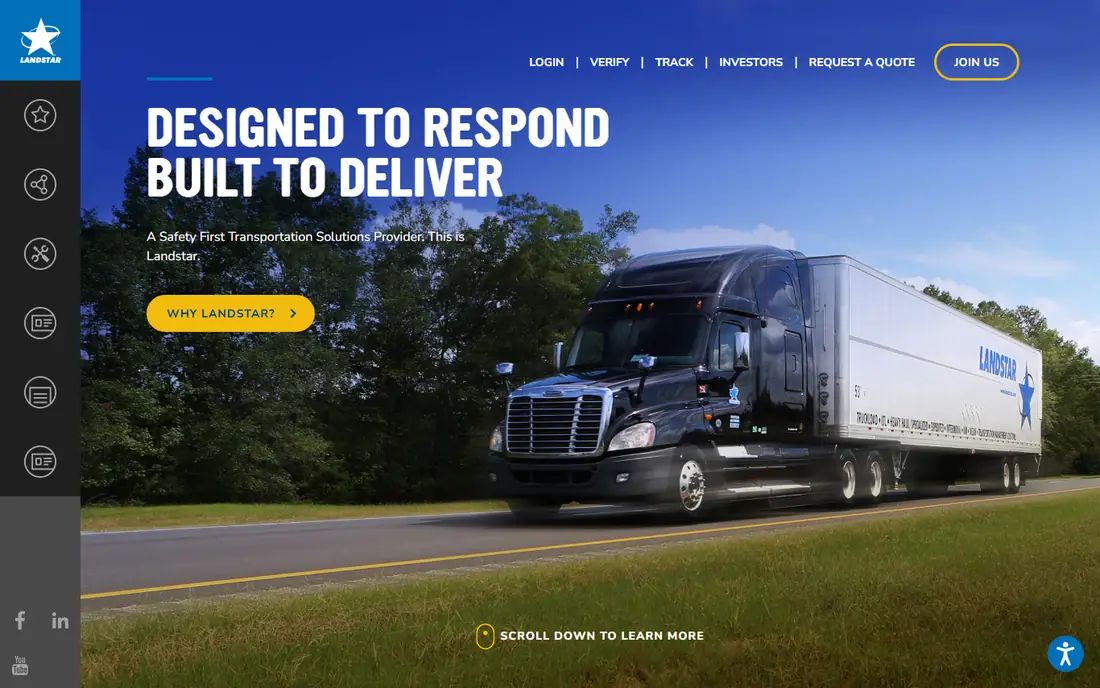
Landstar is the classic choice for an experienced owner-operator who wants to run a business, not just take the next load. Its agents post freight across the country, and business capacity owners choose loads that fit their lanes, home time, and revenue goals. That freedom is the main draw, and it suits a driver who can plan, price a week, and say no to a weak load.
The bar is high. Landstar asks for a Class A licence, verifiable over-the-road experience, a clean safety record, and proper insurance, and the application process takes time. If you are new to the industry, you will likely need experience elsewhere first. For a seasoned driver with a truck in good shape, though, the load choice is hard to beat.
- Large agent-based freight network
- Business capacity owner-operator model
- No forced dispatch in the usual model
- Entry requirements are strict, including experience and safety record
- You need your own truck and insurance arrangements
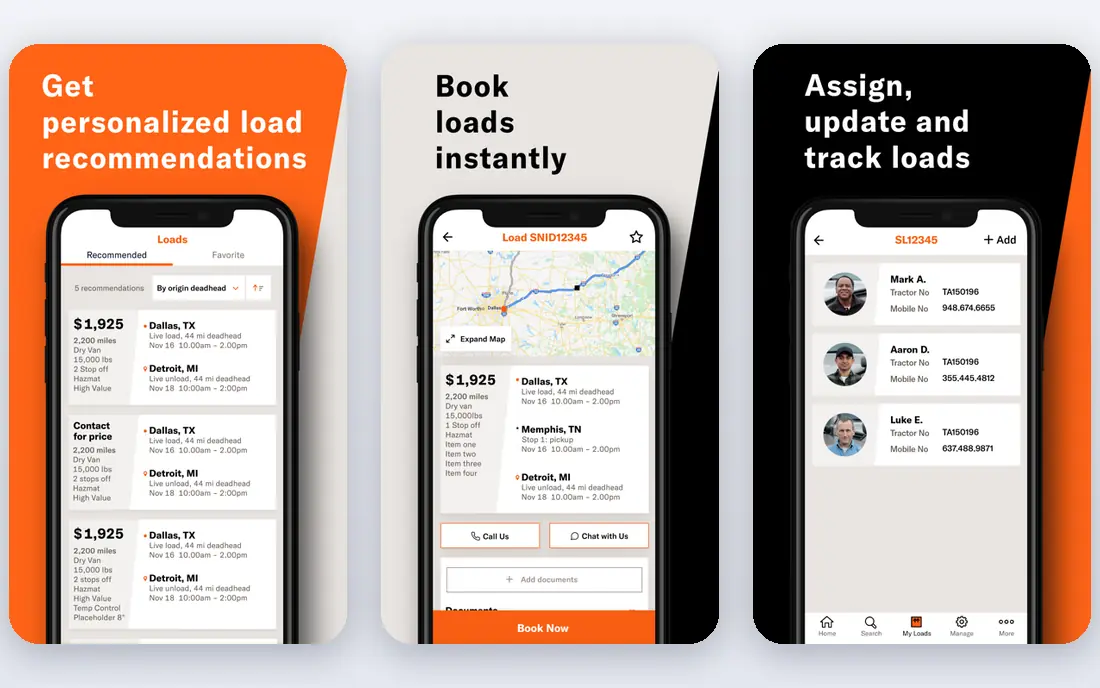
Schneider suits an owner-operator who wants steady freight and a large support system. The company hauls for major shippers, so freight is less feast-or-famine than at a small carrier. Owner-operators also get discounts through the Purchase Power Program on fuel, tires, maintenance, and insurance, plus access to Schneider facilities for parking, showers, and laundry.
The trade-off is structure. Schneider sets tractor requirements, including age and safety equipment, and dedicated programs tie you to a customer and a lane pattern. That structure is a plus if you want predictable home time, and a minus if you want to chase the open market every week. Check the program that matches your lane, because van, tanker, and dedicated offers differ.
- Large Fortune 500 freight base
- Purchase Power discounts on fuel and tires
- Free trailer use on many programs
- Tractor age and equipment rules apply
- Dedicated programs limit lane choice compared with a fully open board
J.B. Hunt is a strong pick for an owner-operator who wants dedicated or regional work rather than pure long-haul. Dedicated programs give you a regular customer, a known lane pattern, and more predictable home time. That pattern helps with planning, family time, and truck maintenance, and it suits drivers who do not want to live on the spot market.
The limit is choice. A dedicated program is a commitment to a customer and a schedule, so you trade some freedom for stability. Pay models also vary by program, so compare the full settlement for the exact job you are offered, not a general company figure. If you want variety, ask about other programs before you commit to one.
- Large dedicated customer base
- Regional and dedicated options
- Strong technology for load and settlement tracking
- Dedicated work can limit load choice
- Pay models vary a lot by program and customer
Prime Inc is well known for reefer freight, and it also runs a flatbed division for owner-operators. Reefer work is steady, because food and grocery freight moves year round, and Prime has the scale to keep trucks loaded. The company also offers support systems for leased operators, including dispatch help and maintenance access at its terminals.
Reefer work is not for everyone. Temperature control, appointment times, and washouts add work that dry van drivers do not face, and a missed appointment can cost time. Flatbed work adds tarping and securement. If you like that discipline and you want steady freight, Prime is a serious option. Read the lease and settlement terms in full before you sign.
- Large reefer network
- Flatbed division
- Training and support systems for leased operators
- Reefer work involves strict temperature and appointment discipline
- Lease terms need a careful read
Werner Enterprises suits an owner-operator who wants the backing of a large national carrier and a choice of divisions. You can look at dedicated, regional, and long-haul work, and the company has terminals, maintenance support, and technology across the country. That scale helps when you need a repair, a parking spot, or a quick answer on a load.
Scale also brings rules. A large carrier has equipment, safety, and compliance standards that leave less room for improvisation than a small carrier might. Program details vary by division, so the offer for one lane may not match another. Talk to a recruiter about the exact division, lane, and settlement model you would join.
- Large national carrier with varied freight
- Dedicated, regional, and long-haul options
- Established safety and support systems
- Large carrier rules can feel rigid
- Owner-operator programs vary by division, so details matter
Crete Carrier is a solid pick for a dry van or reefer owner-operator who wants steady miles and a straightforward program. The company has a large truckload network, and its owner-operator offer is built around consistent freight rather than spot market chasing. That steadiness helps with budgeting, because you can plan fuel, maintenance, and home time around a known pattern.
The niche limit is real. If you want flatbed, heavy haul, or specialized work, Crete is not the natural first call. Home time also depends on the lane, so a long-haul pattern will feel different from a regional one. For a van or reefer driver who values consistency, Crete deserves a place on the shortlist.
- Strong dry van and reefer freight
- Known for steady miles
- Owner-operator program with clear settlement focus
- Less flatbed or specialized freight than niche carriers
- Home time patterns depend on the lane you choose
Mercer Transportation is a flatbed specialist, and it suits an owner-operator who already knows flatbed work. The company uses an agent model, so contractors can choose loads from its board, and its published requirements focus on experience, safety, and equipment condition rather than a truck age cap. That model appeals to a driver with a well-kept older truck and strong securement skills.
Flatbed work is physical and skill-heavy. You will tarp, strap, chain, and check loads in all weather, and you need the right gear before you start. Mercer lists specific equipment, including tarps and straps, so budget for that gear if you do not already own it. For a flatbed driver, though, the load choice and niche focus are a strong draw.
- Flatbed focus with open load choice
- No age limit on trucks in its published requirements
- Agent-based freight model
- Flatbed work needs tarps, straps, and securement skill
- Experience and equipment requirements are strict
Bennett Motor Express suits an experienced owner-operator who wants heavy haul or specialized freight. The company runs general freight, flatbed, and heavy haul divisions, with a rating system that lets general contractors work toward heavier loads over time. Its driver care team offers revenue reviews and regular check-ins, which helps a new contractor settle into the system.
Specialized work is not entry-level. Oversize loads need permits, route planning, and often escort rules, and the equipment bar is higher than for dry van work. Bennett also charges a rental fee if you use a company trailer rather than your own. For a driver with the skill and gear, the freight is more interesting and often better paid than general van work, but the learning curve is real.
- Heavy haul and specialized divisions
- Driver care team and revenue reviews
- No forced dispatch in its owner-operator model
- Specialized work needs experience and permits
- Trailer rental fees apply if you use a company trailer
CRST is a useful pick for a team owner-operator, or for a driver who wants to run as part of a team. Team trucks keep moving while one driver rests, which can mean more miles and faster delivery on long lanes. CRST also offers dedicated and long-haul programs, so a team can look for a pattern that fits its home time needs.
Team driving is a lifestyle choice, not just a pay choice. You share a small cab for days at a time, and you need a partner you trust with safety, sleep, and money. Solo drivers may find CRST less distinctive than Landstar or Schneider. For a proven team with a truck, though, CRST is a credible large-carrier option.
- Large carrier with team programs
- Varied freight including dedicated and long-haul
- Support systems for leased operators
- Team driving suits only some drivers
- Large carrier processes can feel impersonal
How we picked these
We compared carrier owner-operator pages, program descriptions, and job listings, and we kept only carriers with a live owner-operator program in the United States. We focused on freight type, load choice, support, and settlement clarity, because those factors shape a real week on the road more than a single headline rate. Pay figures change by lane and contract, so we used See website rather than quoting a rate that may not apply to your lane.
What to compare before you sign a lease
Start with the settlement. Ask for a sample settlement, and check how fuel surcharge, accessorial pay, trailer rental, insurance, escrow, and fees are handled. A high linehaul rate can look good until you subtract costs that another carrier covers. Ask how often settlements are paid, and what happens if a load is cancelled or a customer pays late.
Equipment and costs
Check tractor age rules, inspection standards, and maintenance support. Some carriers require a newer truck or specific safety equipment, while others judge condition alone. Budget for tires, maintenance, insurance, and downtime, because a week in the shop is a week with no revenue. If you lease a truck through a carrier program, read the lease separate from the freight agreement, and get independent advice before you sign.
Home time and load choice
Ask whether dispatch is forced, and how home time requests work in practice. A carrier that promises home time but cannot deliver it on your lane will wear you down fast. Ask for the load board, the lane pattern, and the average miles for drivers in your division over the last few months. Those answers tell you more than a recruiter brochure.
Frequently asked questions
What is the best owner operator company for a new owner-operator?
Schneider and J.B. Hunt are often easier starting points, because they offer structured programs, steady freight, and facility support. Landstar and Mercer suit experienced drivers who already know how to run a business and choose loads. Your experience, truck, and lane choice matter more than a single ranking.
Do I need my own truck to become an owner-operator?
Most programs on this list require your own truck, or a truck you lease from a separate provider. Some carriers can connect you with equipment sales and leasing providers, but the truck and the freight agreement are usually separate deals. Check tractor requirements before you buy, because age and safety rules vary.
How does owner-operator pay work?
Pay usually comes as a share of linehaul revenue plus fuel surcharge and accessorial pay, or as an all-in rate per load, minus your costs. Costs include fuel, insurance, maintenance, trailer rental where it applies, and fees set out in your agreement. Always compare a sample settlement, not just a rate per mile.
What is forced dispatch, and why does it matter?
Forced dispatch means you must take the load offered, while a no-forced-dispatch model lets you choose from available loads. Load choice gives you control over lanes, home time, and revenue, but it also puts the planning work on you. Ask each carrier how dispatch works in the program you would join.
Which owner-operator company is best for flatbed work?
Mercer Transportation is a strong flatbed specialist, and Bennett Motor Express suits flatbed drivers who want to move toward heavy haul. Prime Inc also runs a flatbed division. Compare load choice, securement support, and equipment rules, because flatbed pay and work vary a lot by carrier.
Sources
See where you really rank - block by block
ProMapRanker scans Google Maps across a grid of your service area. Simple monthly plans from $19, white-label on every plan.
Start freeKeep reading
 zoho inventory alternatives
6 Alternatives to Zoho Inventory, Compared on Price and Fit
Zoho Inventory alternatives: 6 tools compared on price, free plans and fit. Katana leads the list for manufacturers. Fit and flaws are laid out for each entry.
Read → zoho crm alternatives
Best Zoho CRM Alternatives (2026)
Need Zoho CRM alternatives? We compare 7 tools on cost, free access and who each suits. Every pick gets a straight assessment. Built for quick decisions.
Read → zelle alternatives
Best Zelle Alternatives in 2026
Compare the best Zelle alternatives for sending money to friends, paying sellers and moving funds abroad, with honest notes on fees, speed and safety in 2026.
Read →