 ProMapRanker
Best Oil Trading Platform in 2026


Active traders who want tight pricing · Pricing starts at: See website
Key takeaways
- Pepperstone, IG, and Plus500 rank highly for crude oil in 2026 guides, for different reasons: pricing, range of oil contracts, and ease of use.
- Most retail oil trading here is through CFDs or futures-style contracts, not physical oil delivery, so check the contract type before you trade.
- Spreads, overnight financing, and rollover costs matter more than a headline commission rate for oil.
- Regulation, fund segregation, and platform reliability matter most when oil moves fast on news.
- This is not financial advice. Trading oil carries risk, and margin borrowing trading can lose more than a small price move suggests.
Quick comparison
| Pick | Great for | Pricing starts at | Free tier | |
|---|---|---|---|---|
| Pepperstone | Active traders who want tight pricing | See website | No | Visit |
 IG | Range of oil contracts and research | See website | No | Visit |
 Plus500 | Simple CFD trading for beginners | See website | No | Visit |
 Capital.com | Commission-free CFD trading | See website | No | Visit |
 CMC Markets | Charting and commodity research | See website | No | Visit |
 Interactive Brokers | Futures and broad market access | See website | No | Visit |
 XTB | Continuous oil CFDs without expiry | See website | No | Visit |
 OANDA | Straightforward forex and CFD trading | See website | No | Visit |
 AvaTrade | Regulated CFD trading with education | See website | No | Visit |
The best oil trading platform
Oil traders usually trade West Texas Intermediate (WTI) or Brent crude through CFDs, futures, or futures-style contracts. The platforms below differ in contract types, trading software, costs, and regulation, so the best pick depends on how you trade and where you live. Availability, margin borrowing, and protections vary by country and regulator, so confirm the terms for your account type before funding.
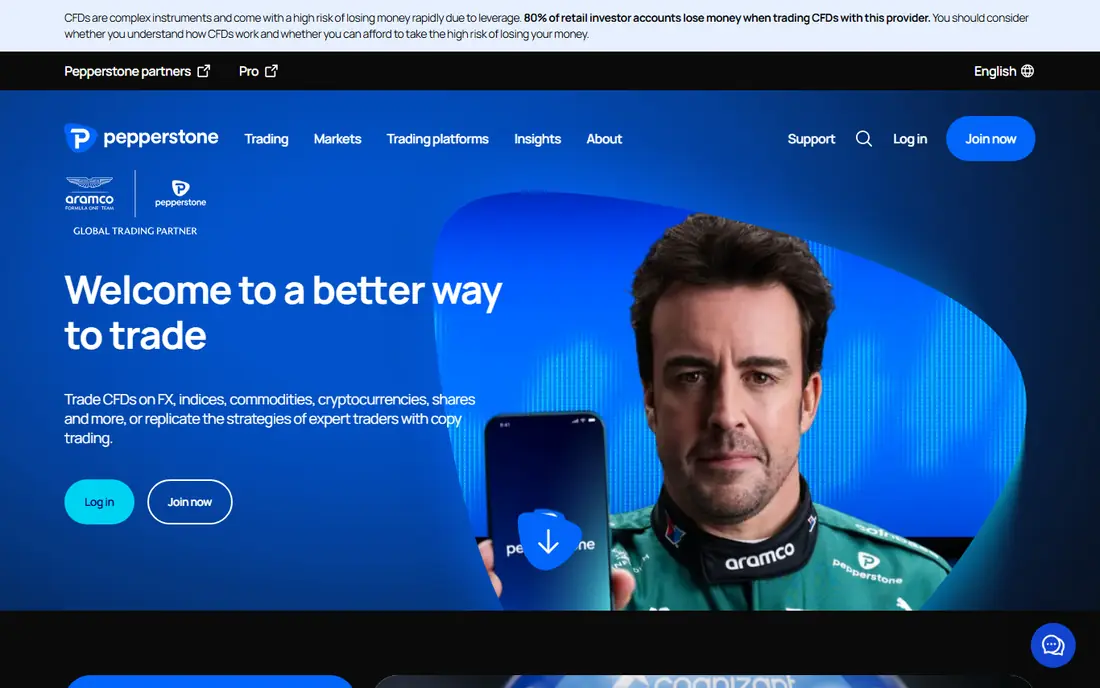
Pepperstone is a frequent top pick for active oil traders because it pairs well-known trading platforms with competitive oil pricing. You can trade oil CFDs on MT4, MT5, cTrader, or TradingView, which suits traders who already use one of those systems for charts and order management. Execution speed and low spreads matter most when oil reacts to inventory data or geopolitical news, and Pepperstone is built for that active style.
The main caution is margin borrowing. A small oil move can become a large account move when margin borrowing is high, and overnight financing adds cost to longer holds. Pepperstone fits traders who already understand CFD risk, set position sizes carefully, and check spreads during volatile sessions before placing an order.
- MT4, MT5, cTrader, and TradingView support
- Tight oil pricing reported in 2026 guides
- Regulated in several major jurisdictions
- CFD trading carries margin risk
- Pricing and margin borrowing vary by account and region
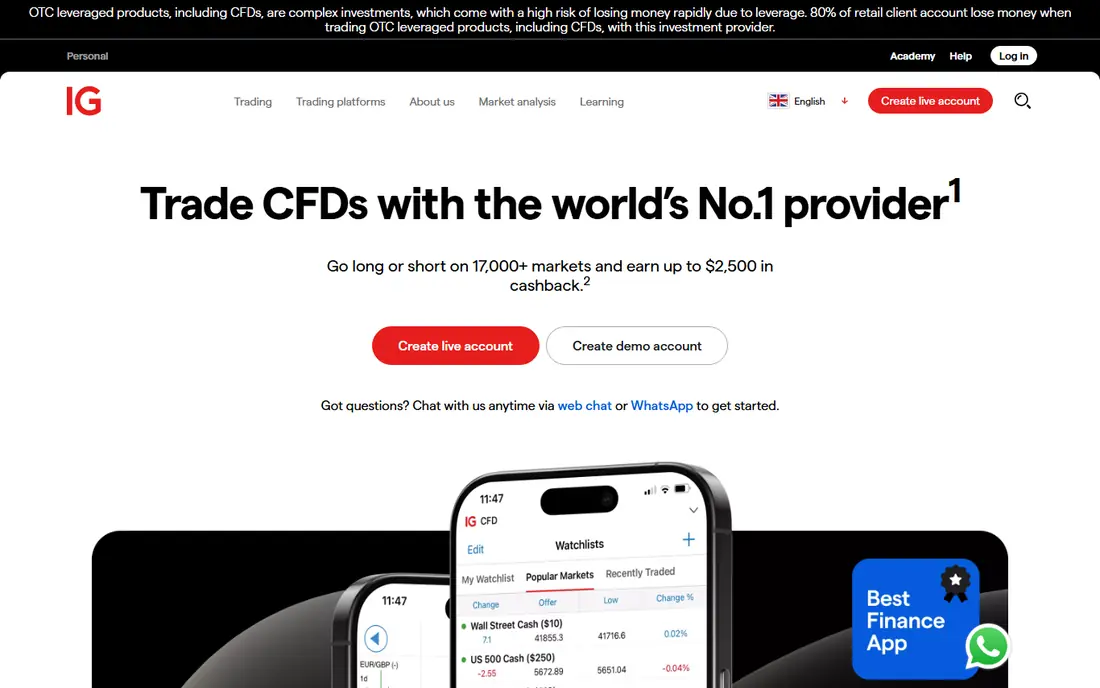
IG offers several ways to trade oil, including spot or continuous CFDs and futures-style contracts, depending on your location. That range helps traders who want to choose between a rolling contract and a dated futures contract, rather than accepting a single CFD format. Research, news, and charting tools are also strong, which matters for a market driven by supply data, OPEC decisions, and shipping news.
IG is a large, long-regulated broker, but that scale does not remove trading risk. Check which oil products are offered in your country, what margin is required, and how overnight costs apply. IG fits traders who want choice and research in one account, and who are comfortable with a full-featured platform.
- Spot and futures-style oil contracts
- Strong research and news tools
- Long-regulated broker with a broad platform
- Costs and product range vary by country
- Platform depth can feel heavy for a first-time trader

Plus500 keeps oil CFD trading simple. The web and mobile platforms show the oil price, spread, and order size in a clean ticket, without the extra panels that full trading terminals carry. For a trader who wants to take a view on Brent or WTI without learning a complex platform first, that simplicity is a real advantage.
Simplicity does not mean low risk. Plus500 CFDs are margin-funded, and the provider publishes the share of retail accounts that lose money, as CFD brokers are required to do in many regions. Plus500 fits beginners who want a straightforward CFD account and who will start small, use risk controls, and learn the cost of holding a position overnight.
- Simple web and mobile CFD platform
- Clear order tickets for oil CFDs
- Regulated operations in several regions
- Limited platform choice compared with MT4 or MT5 brokers
- CFD risk warnings apply to most retail accounts
Capital.com markets commission-free CFD trading, which appeals to traders who dislike per-trade commission math. Oil CFDs are traded with the cost built into the spread and, for held positions, overnight financing. The platform is clean and approachable, with charting and educational material that helps newer traders understand how oil prices move.
Check the full cost before you compare it with a commission broker. A zero-commission label does not mean a zero-cost trade, especially for oil held over several days. Capital.com fits traders who prefer a simple platform and a spread-based cost model, and who will confirm the spread for WTI and Brent during the hours they trade.
- Commission-free oil CFD trading model
- Clean platform for newer traders
- Educational content for commodity markets
- Costs still appear in spreads and overnight financing
- Margin rules and product access vary by region
CMC Markets is known for its Next Generation platform, which offers detailed charting, pattern tools, and a wide range of markets. For oil traders who rely on technical levels, news, and commodity research, that toolset is a strong draw. The platform also covers many other commodities, indices, and currency pairs, so an oil view can sit inside a broader trading plan.
The depth that attracts active traders can overwhelm a newcomer. Spend time on the platform layout, order types, and risk tools before trading live size. CMC Markets fits traders who want advanced charting and research in a proprietary platform, and who will confirm costs and margin for their region.
- Proprietary Next Generation platform with advanced charting
- Broad commodity coverage
- Strong research for commodity traders
- Platform depth takes time to learn
- Costs and margin borrowing vary by region and account
Interactive Brokers is the pick for traders who want oil futures rather than only CFDs. Futures contracts have expiry dates, contract sizes, and margin rules that differ from rolling CFDs, and Interactive Brokers gives access to those contracts alongside stocks, options, and other futures. That breadth suits experienced traders who manage oil as one part of a larger portfolio.
Futures are not a beginner shortcut. Contract rollover, margin calls, and expiry need active management, and the platform assumes a level of market knowledge. Interactive Brokers fits traders who already understand futures, want broad market access, and value a professional trading workstation over a simple mobile app.
- Access to oil futures and many global markets
- Professional-grade tools and low-cost structure for active traders
- Broad asset coverage
- Platform complexity for beginners
- Futures trading requires margin and contract knowledge
XTB offers continuous oil CFDs, which means you do not have to roll a contract on an expiry date in the same way as a dated futures contract. That format suits traders who want a longer view on oil without managing expiry calendars. The xStation platform provides charting, news, and order management in a clean layout, with educational material for newer traders.
As with all CFD brokers, margin borrowing magnifies both gains and losses, and overnight costs apply to held positions. XTB fits traders who like the continuous CFD format and a single proprietary platform, and who will check the spread and financing terms for the hours and holding periods they use.
- Continuous Brent and WTI CFDs with no expiry handling
- XStation platform with good charting
- Educational resources
- Product and margin borrowing rules vary by country
- CFD losses are common for retail traders
OANDA is a well-known broker for currency and CFD trading, with a straightforward platform and a long regulatory history. Traders who already follow currencies and want to add an oil view can do so in the same account, without learning a new system. Pricing is transparent in the sense that spreads and financing are shown on the platform, but they still vary by instrument and session.
OANDA may not match IG or Pepperstone for the sheer range of oil contract formats in every region. Check the exact oil instruments offered in your country before you open an account. OANDA fits traders who value a steady, regulated broker and a simple platform for oil alongside currency trading.
- Long-standing regulated broker
- Clean trading platforms
- Useful for traders who also trade currencies
- Oil product range is narrower than specialist commodity brokers in some regions
- Costs vary by account
AvaTrade offers oil CFDs through MT4, MT5, and its own web platform, with regulation in several major jurisdictions. Educational content and a familiar MetaTrader setup help newer traders learn order types and risk tools without a proprietary platform learning curve. That combination makes AvaTrade a reasonable first CFD broker for oil, provided the trader respects margin risk.
Costs deserve a direct check. Spread-based pricing can be wider than the tightest ECN-style quotes during volatile oil sessions, so compare the live spread for WTI and Brent before you trade size. AvaTrade fits traders who want regulated CFD access, MetaTrader support, and learning resources in one account.
- Regulated in several jurisdictions
- MT4, MT5, and web platforms
- Educational tools for newer traders
- Spreads can be wider than ECN-style brokers at times
- Margin rules and products vary by region
How we picked these
We compared 2026 oil broker guides, vendor product pages, and platform documentation, and we favored brokers that are live in October 2026 and offer WTI or Brent oil trading to retail or professional clients. We included CFD brokers and a futures broker, because oil traders use both formats. We did not rank on advertised returns, and we did not treat a low headline spread as the full cost. Regulation, platform choice, contract type, and overnight costs all shaped the list.
What to check before you trade oil
Oil moves on supply, demand, inventories, currency moves, and geopolitical news, often in sharp steps. A checklist helps more than a prediction.
Know the contract you are trading
A rolling CFD, a continuous CFD, and a dated futures contract behave differently on expiry, financing, and margin. Read the contract terms for your broker, including rollover dates and overnight charges. If you cannot explain when a charge applies, do not trade size until you can.
Compare the full cost, not just the spread
Add the spread, any commission, overnight financing, and rollover cost for your holding period. A tight spread can still be costly if you hold for weeks, and a wider spread can be fine for a short intraday trade. Check costs during volatile hours, because spreads often widen when news breaks.
Control size and risk first
Decide the maximum loss for a trade before you open it, and use stop orders where your platform supports them. Margin borrowing means a small adverse move can trigger a margin call or close a position. Never trade with money you need for essential bills, and treat any promise of guaranteed oil returns as a warning sign.
Frequently asked questions
What is the best trading platform for crude oil?
Pepperstone suits active traders who want tight pricing and MetaTrader support, IG suits traders who want several oil contract types and research, and Plus500 suits beginners who want a simple CFD platform. The best platform depends on if you want CFDs or futures, and on the regulation and products available in your country.
What are the best oil trading platforms for beginners?
Plus500 and Capital.com are simpler starting points for CFD trading, while AvaTrade adds MetaTrader and education. Beginners should start small, learn order types and overnight costs, and use a demo or small live size before trading larger amounts. No beginner platform removes the risk of margin-funded oil trading.
Is oil trading risky?
Yes. Oil prices can move sharply on supply news, inventory reports, and geopolitical events, and margin borrowing magnifies those moves. Many retail CFD accounts lose money, according to broker risk disclosures. This article is general information only, not financial advice, and it does not promise returns.
Should I trade oil CFDs or oil futures?
CFDs suit traders who want a rolling position without handling a futures expiry, while futures suit experienced traders who want exchange-traded contracts with defined expiry and margin rules. Futures need more contract knowledge and active rollover management. Choose the format you understand, and confirm which format your broker offers in your region.
How much money do I need to start trading oil?
Minimum deposits vary by broker and region, and margin requirements vary by contract and margin borrowing. Some brokers allow small starting deposits, but a small deposit with high margin borrowing can be wiped out by a normal oil move. Fund only an amount you can afford to lose, and check margin and overnight costs before your first trade.
Sources
See where you really rank - block by block
ProMapRanker scans Google Maps across a grid of your service area. Simple monthly plans from $19, white-label on every plan.
Start freeKeep reading
 zscaler alternatives
Best Zscaler Alternatives in 2026
Looking for zscaler alternatives? We compare 9 SASE and zero trust platforms on architecture, data protection, pricing, and fit for your network and team.
Read → zapier alternatives free
Best Zapier Alternatives Free in 2026
Nine automation tools for zapier alternatives free in 2026, all with genuinely free tiers, plus free plan limits, starting prices and upgrade paths explained.
Read → which platform is best for online reputation
Which Platform Is Best for Online Reputation in 2026
Wondering which platform is best for online reputation? We compare 8 review, listing, and response tools for small and multi-location businesses and agencies.
Read →