 ProMapRanker
Best Nutrition Tracking Apps in 2026

Key takeaways
- MyFitnessPal still leads on food database size, while Cronometer leads on micronutrient detail and verified entries.
- The best free nutrition tracking app depends on your goal: MyNetDiary and FatSecret give strong free tracking, while MacroFactor has no free tier at all.
- Premium prices in this list range from about $39.99 per year to about $79.99 per year, so check the annual price, not just the monthly headline.
- A tracker is a logging tool, not medical advice, and anyone with a medical condition or a history of disordered eating should talk to a clinician first.
Quick comparison
| Pick | Great for | Pricing starts at | Free tier | |
|---|---|---|---|---|
 MyFitnessPal | Largest food database | Free | Yes | Visit |
 Cronometer | Micronutrient detail | Free | Yes | Visit |
 Lose It | Beginner friendly tracking | Free | Yes | Visit |
 MacroFactor | Adaptive macro coaching | $11.99 per month | No | Visit |
 MyNetDiary | Fast, accurate logging | Free | Yes | Visit |
 Carb Manager | Low carb and keto tracking | Free | Yes | Visit |
 Lifesum | Simple wellness tracking | Free | Yes | Visit |
 FatSecret | Free tracking with community | Free | Yes | Visit |
 Yazio | Simple calorie counting | Free | Yes | Visit |
 Eat This Much | Automatic meal planning | $5 per month | Yes | Visit |
The best nutrition tracking apps
We compared these apps on food database depth, macro and micronutrient detail, logging speed, free tier limits, and premium price. All ten are live in 2026 and cover the main ways people track food, from quick calorie counts to detailed nutrient analysis.
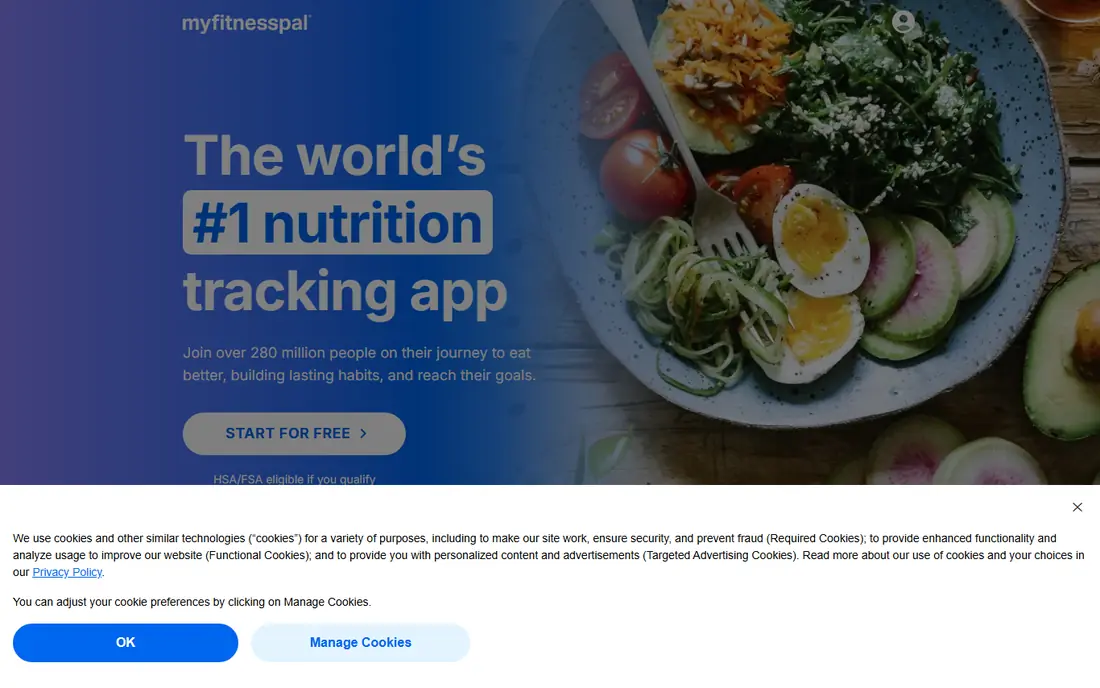
MyFitnessPal is our pick for most people who want to find almost any food quickly. Its database is the main reason: branded items, restaurant dishes, and common recipes turn up with little searching, which keeps daily logging from becoming a chore. Barcode scanning and connections to fitness apps add to that ease, and the free tier covers basic calorie and macro tracking.
The limits show up when you want finer control. Setting macro targets by grams and setting targets per meal are Premium features, and Premium costs $19.99 per month or $79.99 per year, with a Premium+ tier at $24.99 per month or $99.99 per year. If you only need calories and rough macros, the free tier is enough. If you train with precise targets, compare the annual price against Cronometer and MacroFactor before you pay.
- Very large food database
- Barcode scanning
- Fitness app connections
- Full macro control sits behind Premium
- Free version includes ads
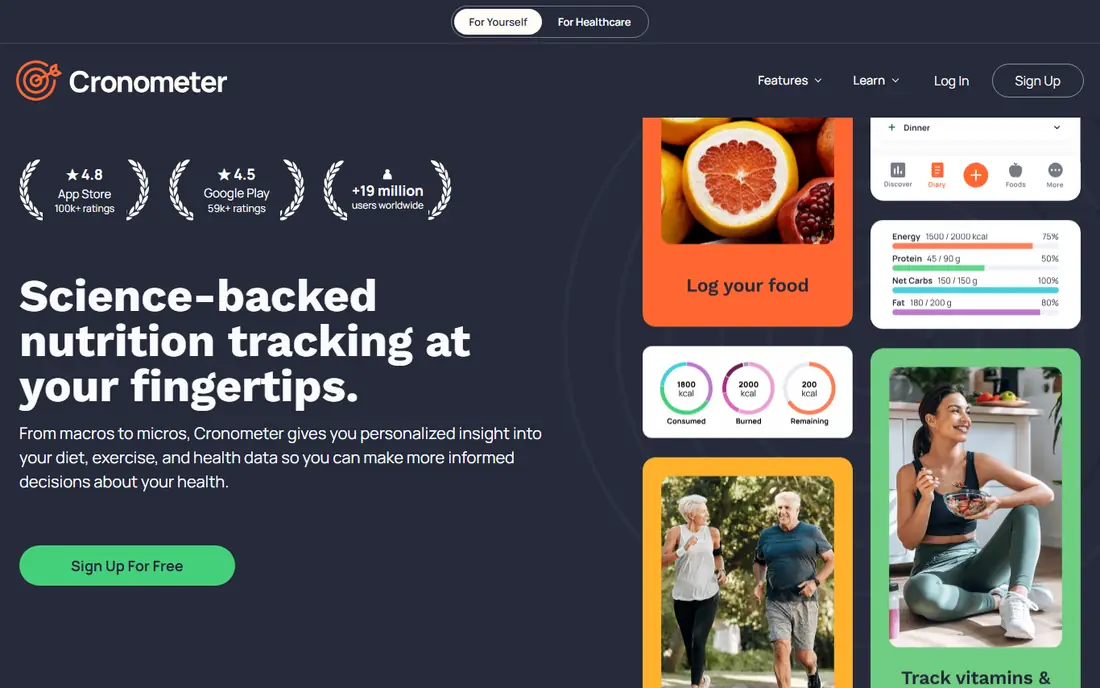
Cronometer is the app we point to when someone asks what is actually in their food, not just how many calories it holds. It tracks a wide set of micronutrients, from iron and magnesium to individual amino acids where data exists, and it leans on verified entries rather than crowd sourced guesses. Charts make it easy to spot a pattern, such as low fiber across a whole week.
The trade off is database size. You may need to add a branded item yourself now and then, and that takes a minute longer than a quick search in MyFitnessPal. Gold, at $10.99 per month or $59.99 per year, adds features such as a macro scheduler and removes ads. For nutrition focused users, that detail is worth the smaller database.
- Detailed vitamins and minerals
- Verified food entries
- Clear charts and reports
- Database is smaller than MyFitnessPal
- Gold costs $59.99 per year

Lose It suits people who want tracking to feel simple rather than clinical. The logging flow is short, the interface is clean, and goals are set in plain language. Photo and voice logging in Premium speed things up further, which matters on days when typing out every ingredient feels like too much.
The free tier covers food logging and basic exercise and weight tracking, which is enough to start. Premium, listed at $39.99 per year in some comparisons and up to $79.99 per year for other plans, adds custom macro targets and more features. Check the plan shown at checkout, because the price you see can depend on the offer. Lose It is a good first tracker for beginners who want a gentle start.
- Simple logging flow
- Photo and voice logging in Premium
- Motivational features
- Custom macro targets need Premium
- Premium price varies by plan
MacroFactor is built for people who train with structure and want targets that change as their weight and intake change. Instead of a fixed plan, it adjusts macro targets based on logged food and weight trends, which is useful during a cut or a bulk. The interface stays focused on macros, expenditure, and adherence, without a lot of extra wellness content.
There is no free tier, only a trial, and pricing is $11.99 per month, $47.99 for six months, or $71.99 per year. That makes it a poor pick for someone who just wants to log lunch now and then. For lifters and athletes who already track consistently, the adaptive coaching is the reason to pay, and the annual plan is the best value of the three.
- Adaptive targets that adjust with your progress
- Strong macro focus
- Clear expenditure estimates
- No free tier
- Less suited to casual calorie counters
MyNetDiary stands out because its free tier is genuinely useful. It offers free macro tracking with no ads, and custom macro targets by grams or percentages are free, where some rivals charge for gram targets. In a timed logging test cited by the vendor, MyNetDiary needed fewer actions than other apps to log the same entries, which matches its reputation for a quick flow.
Premium costs $59.99 per year, with a Premium Plus tier at $99.99 per year and a lifetime option at $179.99. The community is smaller than MyFitnessPal, so social features and user recipes are thinner. For a solo tracker who wants speed and a strong free tier, MyNetDiary is one of the best free nutrition tracking apps in this list.
- Free macro tracking with no ads
- Fast logging
- Custom targets by grams free
- Smaller community than MyFitnessPal
- Premium features are less widely known
Carb Manager is designed around low carb and keto eating, and that focus shows in every screen. Net carbs are tracked directly, keto recipes are built in, and daily targets can be set free, with per meal and day of week targets in Premium. For someone counting carbs closely, that saves the manual math that general trackers require.
If you eat a balanced diet with no carb limit, much of that design is extra noise. The free tier has no third party ads, which is a plus, and Premium is $39.99 per year. Carb Manager is the clear pick for keto and low carb users, and a reasonable general tracker for anyone else who happens to like its layout.
- Net carb tracking built in
- Keto recipes and meal plans
- Free custom targets
- Less useful if you do not follow a low carb plan
- Premium is $39.99 per year
Lifesum takes a wellness first approach, pairing food tracking with meal plans, water tracking, and habit goals. The design is calm and simple, which helps people who find detailed nutrient tables off putting. Setting a calorie goal and following a suggested plan takes only a few steps, and the app stays focused on daily habits rather than data depth.
That simplicity has a cost. Micronutrient detail is thinner than Cronometer, and serious macro coaches will miss adaptive targets. Premium typically costs around $40 to $60 per year depending on the plan shown. Lifesum fits people who want a tidy daily routine and a plan to follow, rather than a research grade nutrient record.
- Clean design
- Meal plans and habit tracking
- Simple calorie goals
- Less micronutrient depth than Cronometer
- Premium price varies by plan
FatSecret is the best free nutrition tracking app for people who do not want to pay at all. Its free tier covers food logging, weight tracking, and community features, with groups and challenges that some users find motivating. The food database is large, and barcode scanning is included, so daily logging works without a subscription.
The interface looks older than MyFitnessPal or Lifesum, and the Premium tier, priced under $84 per year in comparisons, does not transform the app for casual users. If you value a polished design above all else, look elsewhere. If you value free, complete tracking and a community to share progress with, FatSecret is hard to beat.
- Full free tracking
- Large food database
- Community groups and challenges
- Design feels dated next to newer apps
- Premium adds little for casual users
Yazio keeps calorie counting simple, with a clear daily overview, a fasting tracker, and straightforward food search. It does not try to be a coaching platform or a research tool, and that restraint is its strength for beginners. The annual plan costs about $47.90 per year, or about $3.99 per month on that plan, which sits in the middle of this list.
The database is smaller than MyFitnessPal, so branded items from smaller stores may need manual entry. Premium adds meal plans and more detailed analysis, but it does not match Cronometer for micronutrients or MacroFactor for coaching. Yazio fits people who want a simple, tidy counter and nothing more.
- Simple structure
- Fasting tracker included
- Clear daily overview
- Smaller database than the leaders
- Premium features are modest
Eat This Much flips the usual tracker model: instead of logging what you ate, it plans what to eat. You set calories, diet preferences, and a budget, and it builds meal plans with grocery lists. That is a real time saver for people who know they should eat better but stall on deciding each meal. Pricing sits between $5 and $15 per month depending on the plan.
Logging exists, but it is not the star, and a generated plan will still need tweaks for taste, family meals, and eating out. If you already have a diet you like and just need to log it, choose Cronometer or MyNetDiary. If meal decisions are your bottleneck, Eat This Much solves the harder problem first.
- Automatic meal plans
- Grocery lists
- Diet and calorie targets built in
- Tracking is secondary to planning
- Plans need adjusting for real life tastes
How we picked these
We compared official pricing pages, app store listings, and vendor feature pages, focusing on free tier limits, premium prices, nutrient depth, and logging speed. We kept only apps that are live in the United States in 2026 and that cover nutrition tracking directly, rather than general fitness or weight loss coaching alone. Prices change with offers and store region, so check the price shown at checkout before you subscribe. This article is general information, not medical advice.
How to choose a nutrition tracker
Start with your goal, not the app with the most features. If you want to lose weight with simple logging, Lose It or Yazio will do. If you want to know your vitamin and mineral intake, Cronometer is the obvious pick. If you train with macro targets, MacroFactor or MyNetDiary will serve you better than a general wellness app. Write down the one outcome you care about, then pick the app that serves that outcome in its free tier if possible.
Free or paid
Try the free tier for two full weeks before you pay, including weekends and eating out, because weekday logging is always easier than real life. Check what is locked behind Premium: gram based macro targets, photo logging, fasting tools, and meal plans are common paywalls. If the free tier already covers your goal, keep your money. If you pay, prefer the annual plan only after a month of consistent use, since an unused subscription is the most expensive tracker of all.
Accuracy and habits
No database is perfect, and crowd sourced entries can be wrong. Favour verified entries where an app offers them, check the label on packaged foods, and weigh portions for a week if your targets are tight. A tracker works best as a habit tool: log most days, review the weekly pattern, and adjust one thing at a time. If tracking starts to feel obsessive or distressing, pause and talk to a clinician or registered dietitian.
Frequently asked questions
What is the best nutrition tracking app?
MyFitnessPal is the best all round pick for database size, Cronometer is best for micronutrient detail, and MyNetDiary is best for a strong free tier. Your goal decides the winner, so match the app to the outcome you want rather than to the longest feature list.
What is the best free nutrition tracking app?
MyNetDiary and FatSecret offer the strongest free tracking in this list, with free macro tracking and no paywall for basic logging. Cronometer and Lose It also have useful free tiers, but some features sit behind Gold or Premium. Try two free tiers side by side for a week before you decide.
What are the best apps for nutrition tracking if I follow keto?
Carb Manager is built for keto, with net carb tracking and keto recipes. Cronometer also works well for keto, because its micronutrient detail helps when food choices narrow. Either app beats a general tracker that forces you to calculate net carbs by hand.
What is the best free app for nutrition tracking on a budget?
FatSecret is free for full basic tracking, and MyNetDiary gives free macro targets by grams with no ads. Both let you track for months without paying. Pay only if you need a specific Premium feature, such as photo logging or a meal plan, and use it weekly.
Do nutrition apps replace a dietitian?
No. Apps log food and estimate nutrients, but they cannot diagnose, treat, or adapt a plan to a medical condition, medication, or pregnancy. Use an app for awareness and habit building, and talk to a registered dietitian or clinician for personal advice, especially if you have diabetes, kidney disease, or an eating disorder history.
Sources
See where you really rank - block by block
ProMapRanker scans Google Maps across a grid of your service area. Simple monthly plans from $19, white-label on every plan.
Start freeKeep reading
 zscaler alternatives
Best Zscaler Alternatives in 2026
Looking for zscaler alternatives? We compare 9 SASE and zero trust platforms on architecture, data protection, pricing, and fit for your network and team.
Read → zapier alternatives free
Best Zapier Alternatives Free in 2026
Nine automation tools for zapier alternatives free in 2026, all with genuinely free tiers, plus free plan limits, starting prices and upgrade paths explained.
Read → which platform is best for online reputation
Which Platform Is Best for Online Reputation in 2026
Wondering which platform is best for online reputation? We compare 8 review, listing, and response tools for small and multi-location businesses and agencies.
Read →