 ProMapRanker
Best Mobile Push Notification Service in 2026

Key takeaways
- Firebase Cloud Messaging is free at any volume, but you build targeting, automation and reporting yourself.
- OneSignal is the easiest entry point for most teams, with unlimited mobile push on its free tier and Growth from $19 a month in recent comparisons.
- Braze, Airship, CleverTap and MoEngage are enterprise platforms with quote based pricing, best bought when mobile is central to revenue.
- PushEngage, Pusher Beams and Pushwoosh suit smaller teams that want a clear monthly price tied to subscribers or users.
- Courier and Knock are infrastructure tools for teams that need to orchestrate push alongside email, SMS and in-app messages from one system.
Quick comparison
| Pick | Great for | Pricing starts at | Free tier | |
|---|---|---|---|---|
 OneSignal | Easy entry and scale | $19 per month | Yes | Visit |
 Firebase Cloud Messaging | Free delivery layer | Free | Yes | Visit |
 Braze | Enterprise cross-channel engagement | See website | No | Visit |
 Airship | Enterprise mobile lifecycle | See website | No | Visit |
 PushEngage | Ecommerce retention and web plus app push | $8 per month | Yes | Visit |
 CleverTap | Retention analytics for mobile apps | See website | No | Visit |
 Pusher Beams | Developer friendly managed push | $29 per month | Yes | Visit |
 Courier | Orchestration across channels | Free | Yes | Visit |
 Knock | Product notification workflows | Free | Yes | Visit |
 MoEngage | Insights led mobile engagement | See website | No | Visit |
The best mobile push notification service
Mobile push services send messages to iOS and Android devices, and they differ in three ways: how they bill, how much marketing tooling they include, and how much you must build yourself. A free delivery layer, a simple engagement platform and an enterprise suite are not the same product, even though all of them send a push. We compared official pricing pages and recent October 2026 comparisons, and we did not claim hands-on testing. Prices change often, so confirm the current pricing page before you integrate.
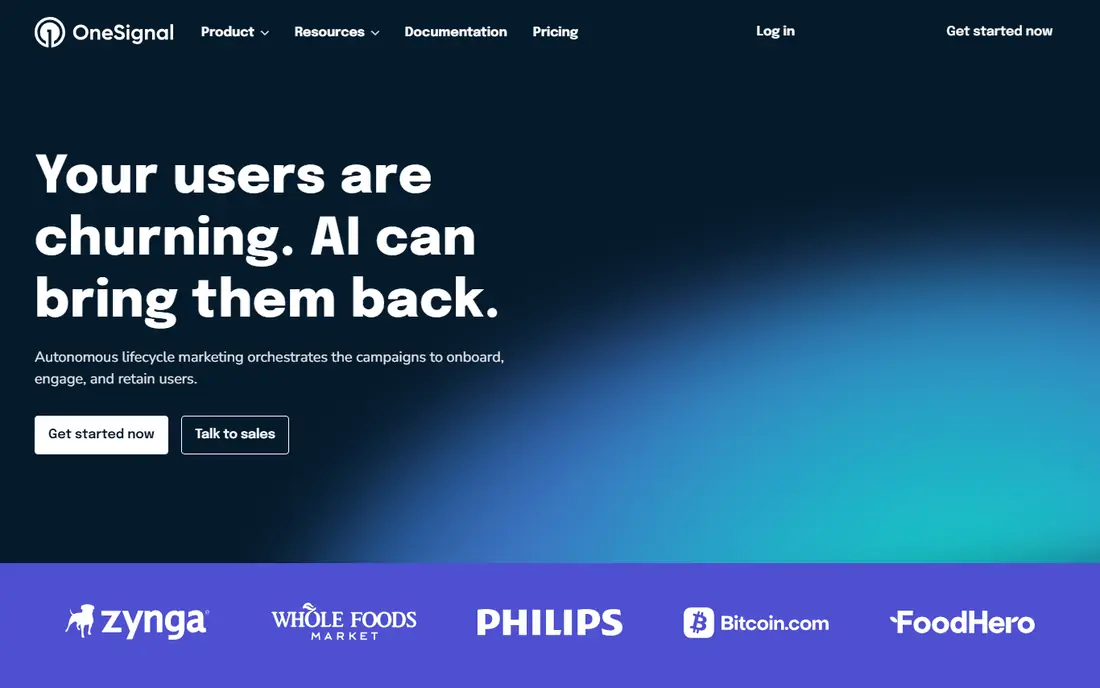
OneSignal is the default answer for most teams for a simple reason: the free tier includes unlimited mobile push sends, with a cap on web push subscribers, which lets a small app start without a bill. On top of push you get in-app messages, email and SMS from the same dashboard, with SDKs for major platforms including iOS, Android, Flutter and React Native. That breadth means a small team can run retention campaigns without wiring together several tools.
The trade is scale pricing. Growth plans in recent comparisons start at $19 a month and scale with users, and advanced features such as journeys, confirmed delivery and intelligent send times sit on paid tiers. Debugging individual delivery is also thinner than on infrastructure focused platforms..
- Unlimited mobile push sends on the free tier
- In-app, email and SMS alongside push
- Strong segmentation and A/B testing on paid plans
- Pricing scales with subscribers or monthly active users
- Journeys and advanced delivery need paid tiers
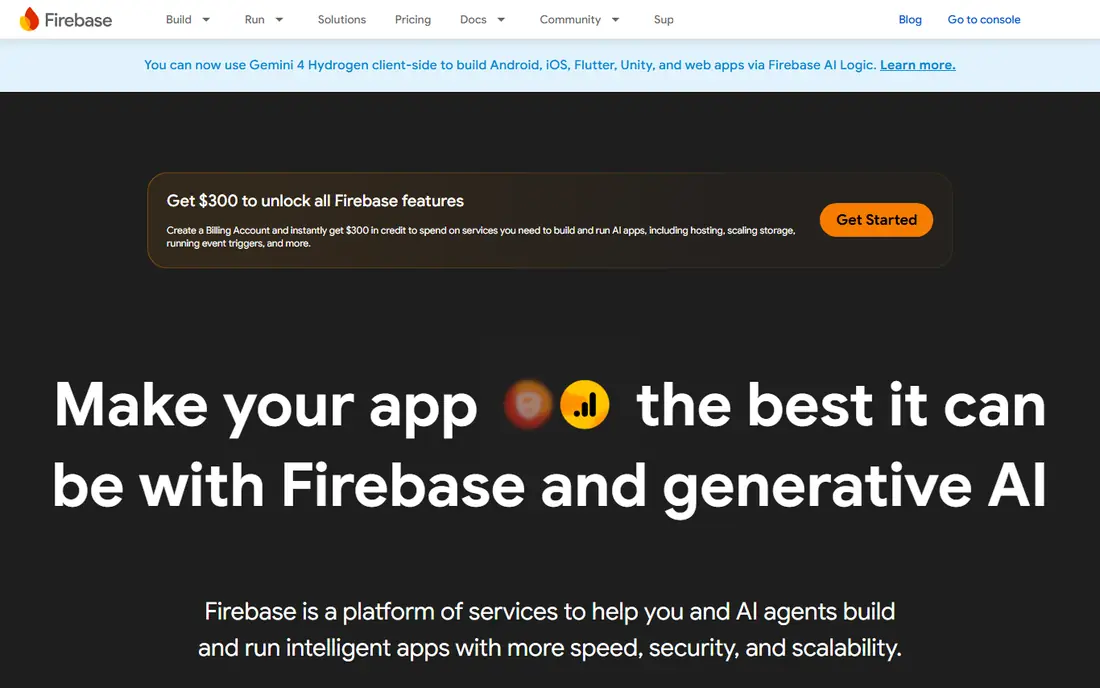
Firebase Cloud Messaging, known as FCM, is the free transport layer that many other tools in this list use underneath. It costs nothing per message at any volume, and it delivers to Android, iOS and web apps through a reliable Google backed system. For developers who already have a backend, user database and analytics, FCM is the cheapest way to send push, and it never charges for growth in message volume alone.
The limit is that FCM is not a marketing platform. You must build segmentation, scheduling, automation, A/B testing and delivery reporting yourself, or add another tool on top. That work is fine for a developer-led team with time to build, but a marketing team that wants a dashboard and journeys will be faster with OneSignal or Braze..
- Free push delivery at any volume for Android, iOS and web
- Backed by Google Cloud
- Industry standard transport layer
- No built-in marketing automation, segmentation or reporting
- You build targeting, queues and analytics yourself
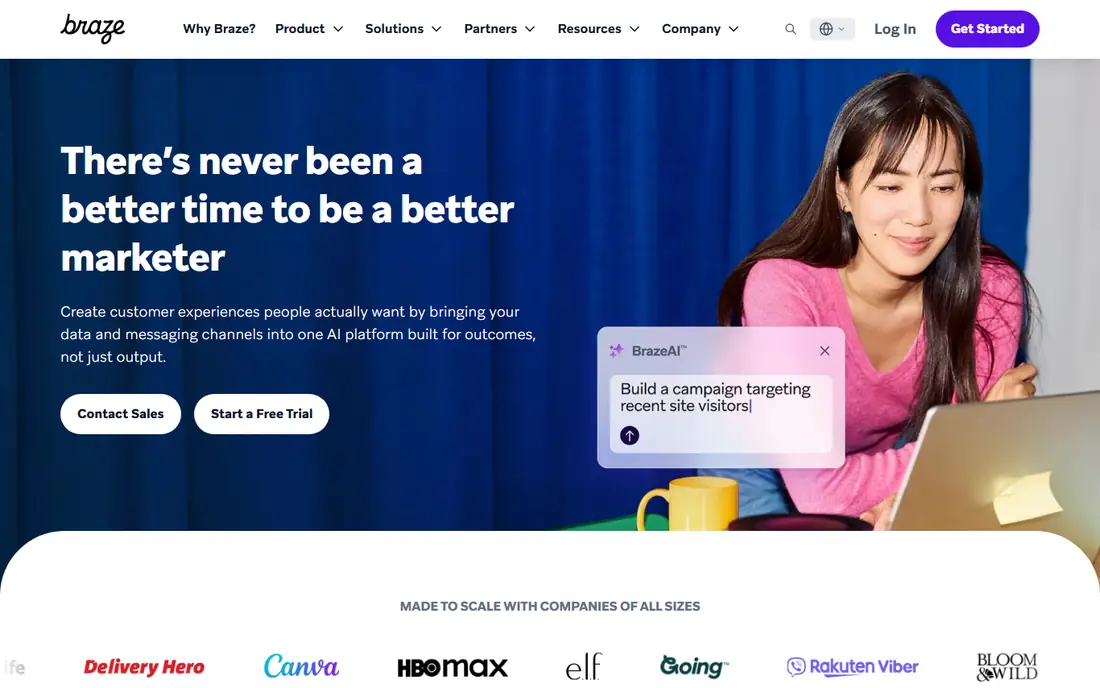
Braze is the enterprise engagement platform in this list, built for teams that run push as part of a larger customer journey across email, SMS, in-app messages and WhatsApp. Its segmentation, personalization and journey tools are deeper than simple push platforms, and it handles large audiences with detailed analytics and experimentation. For a company where mobile engagement drives revenue, that depth justifies the enterprise contract.
The drawback is price and complexity. Braze pricing is quote based, with no usable starter price for a small team, and implementation takes more engineering and marketing time than OneSignal. Small apps should not buy Braze for their first 10,000 users..
- Deep cross-channel journeys across push, email, SMS and in-app
- Strong segmentation and personalization
- Enterprise scale and support
- Quote based enterprise pricing
- Overkill and costly for a first app or small team
Airship is a mobile-first enterprise specialist, with a long history in app push, in-app messaging, SMS, email and wallet passes. Its lifecycle tools, including predictive send time, audience segmentation and journey orchestration, suit large apps that need to coordinate messages across the whole customer journey. For enterprises with complex mobile programs, Airship offers depth that simple push tools do not match.
The price and process are the limits. Airship pricing is quote based, with no free tier for a small team to test at scale, and onboarding is heavier than a self-serve signup..
- Mature mobile lifecycle tooling
- Predictive send time and journey features
- Wallet, SMS and email alongside push
- Quote based enterprise pricing
- Setup and contract process is heavier than self-serve rivals
PushEngage suits ecommerce and content teams that want app push and web push in one dashboard without enterprise pricing. Its paid plans start at $8 a month on annual billing in recent comparisons, with a free tier for a small subscriber count, and its tools include opt-in prompts, segmentation, triggered campaigns and cart recovery flows. That mix is useful for stores and publishers that need retention, not just raw delivery.
The bill grows with active subscribers, so a fast growing audience will see the price rise even if message volume stays flat. PushEngage also lacks the deep cross-channel journey depth of Braze or Airship..
- Low entry price on annual billing
- App push, web push and WhatsApp in one dashboard
- Ecommerce retention tools such as cart recovery
- Pricing is tied to active subscribers, so the bill grows with audience
- Enterprise features are limited compared with Braze
CleverTap is built for mobile teams that want analytics and engagement in one place. Its push tools sit alongside retention analytics, cohort analysis and behavioral segmentation, so a team can see which messages actually bring users back, not only which messages were delivered. Email, SMS and in-app messages are included, which makes it a broader lifecycle platform than a push-only tool.
The drawback is pricing and setup. CleverTap pricing is quote based, with only a trial for new teams, and getting full value from its analytics requires clean event data and integration work. Small teams may find OneSignal faster to start, while larger mobile teams with analytics needs will appreciate CleverTap depth..
- Strong retention analytics alongside push
- Segmentation based on user behavior
- Email, SMS and in-app alongside push
- Quote based pricing with only a trial for new teams
- Analytics depth needs setup and data integration work
Pusher Beams is the developer friendly managed layer on top of FCM and Apple Push Notification service. It handles token management, delivery and basic targeting, so developers do not need to build that infrastructure themselves, and it integrates well with teams already using Pusher realtime products. Its free tier covers development and small apps, with paid tiers starting at $29 a month in recent comparisons.
The limit is marketing tooling. Pusher Beams is not a full engagement suite, so teams that want journeys, A/B testing and lifecycle campaigns will need another tool or custom work..
- Developer friendly API and SDKs
- Managed delivery on top of FCM and APNs
- Free tier for development and small apps
- Marketing automation is thinner than OneSignal or Braze
- Pricing scales with subscribers
Courier suits product and engineering teams that need to orchestrate notifications across channels from one system. Instead of wiring each provider separately, teams define templates and routing in code, and Courier sends through the right provider for each channel, whether push, email, SMS or in-app. Its free tier covers 10,000 sends a month in recent comparisons, with per-send pricing after that, which is predictable for transactional notifications.
The trade is marketing depth. Courier is an infrastructure tool, not a marketer dashboard, so teams that want visual journeys and audience segmentation will find OneSignal or Braze easier..
- One API for push, email, SMS and in-app
- Templates and provider routing in code
- Free tier with 10,000 sends a month in recent comparisons
- Marketing dashboard is thinner than engagement platforms
- Per-send pricing grows with volume
Knock is built for product teams that need to manage notification logic, not just send messages. Its workflow engine handles preferences, batching, deduplication and prioritization, so users do not get spammed with duplicate alerts across channels, and product teams can define notification rules in code. That logic is valuable for apps with many notification types, such as collaboration tools, marketplaces and SaaS products.
The price is the main barrier. While a free developer tier exists, the paid Starter plan is $250 a month in recent comparisons, which is high for a small app that only needs simple push..
- Workflow engine for product notifications
- User preferences, batching and deduplication
- Cross-channel delivery from one system
- Starter paid plan is $250 a month in recent comparisons
- Overkill for a simple push-only app
MoEngage is an insights led engagement platform for mobile businesses, combining push with email, SMS, in-app messages and analytics. Its segmentation uses user behavior and insights to target messages more precisely than a simple subscriber list, and its journeys coordinate messages across channels. For app businesses that want analytics driven retention, MoEngage offers a broad and mature platform.
The drawback is the same as with other enterprise platforms: quote based pricing, a trial rather than a free tier, and a heavier implementation than OneSignal or PushEngage. Small teams should test a self-serve tool first, while larger app businesses with dedicated growth teams will find MoEngage a strong alternative to Braze and CleverTap.
- Insights led segmentation and journeys
- Push, email, SMS and in-app in one platform
- Strong mobile analytics
- Quote based pricing with only a trial for new teams
- Implementation is heavier than self-serve push tools
How we picked these
We compared services that send native push to iOS and Android apps, using official pricing pages and recent October 2026 comparisons, and we left out tools that only offer web push or that no longer offer native app push. We favored services with official SDKs for iOS and Android plus cross-platform frameworks, clear segmentation or automation, and a published or quote based pricing model we could describe honestly. We did not claim hands-on testing, and we noted where pricing is per subscriber, per monthly active user, per send or quote based, because that choice shapes the bill as you grow.
How to choose the right push service
Start with your team, not the feature list. If you are a developer building your own stack and you want zero per-message cost, start with Firebase Cloud Messaging and add targeting yourself. If you are a small marketing team that wants a dashboard, segmentation and journeys without engineering work, start with OneSignal free tier and move to Growth when you need advanced features. If you run ecommerce retention, compare PushEngage and OneSignal on subscriber pricing, and test cart recovery and triggered flows before committing.
Next, model the bill at three audience sizes: today, double today and ten times today. A per-subscriber price that looks cheap at 1,000 users can become expensive at 100,000, while a per-send price that looks cheap for alerts can become expensive for daily marketing pushes. Check SDK support for your exact stack, confirm iOS and Android delivery, and test opt-in prompts, deep links and analytics before you migrate an existing audience. A push service is hard to change once users are subscribed, so a short trial with real messages is worth more than a feature table alone.
Frequently asked questions
What is the cheapest mobile push notification service?
Firebase Cloud Messaging is free at any volume, because it is a delivery layer rather than a marketing platform, but you must build targeting and reporting yourself. OneSignal free tier is the cheapest full platform option, with unlimited mobile push sends, while PushEngage starts at $8 a month on annual billing for small audiences. The cheapest choice depends on whether you count engineering time as a cost.
Do I need a paid plan to send push notifications?
No, several services offer a free tier, including OneSignal, Firebase Cloud Messaging, PushEngage, Pusher Beams, Courier and Knock developer tiers. Free tiers usually cap web subscribers, monthly sends or advanced features, so they suit small apps and testing. Paid plans add segmentation, journeys, A/B testing and higher limits as your audience grows.
How does push pricing usually work?
Pricing is usually per subscriber, per monthly active user, per send or quote based, and the model matters more than the headline price. Per-subscriber pricing grows with audience size even if you send few messages, per-send pricing grows with message volume, and quote based enterprise pricing depends on contract terms. Model your bill at several audience sizes before choosing.
Can one service send push, email and SMS together?
Yes, OneSignal, Braze, Airship, CleverTap, MoEngage, Courier and Knock all support multiple channels, though the depth varies. Engagement platforms such as Braze offer visual journeys across channels, while infrastructure tools such as Courier and Knock offer API based orchestration. Choose a platform if marketers will build campaigns, and choose an infrastructure tool if engineers will define notification logic in code.
Will push notifications work on both iOS and Android?
Yes, all services in this list support native push to iOS and Android, usually through FCM for Android and Apple Push Notification service for iOS, with SDKs for native and cross-platform frameworks. Check that your exact framework, whether native, Flutter or React Native, has an official SDK, and test delivery on real devices before launch, since opt-in rules differ between iOS and Android.
Sources
See where you really rank - block by block
ProMapRanker scans Google Maps across a grid of your service area. Simple monthly plans from $19, white-label on every plan.
Start freeKeep reading
 zoro.to alternatives
Best Zoro.to Alternatives in 2026
We compare the best zoro.to alternatives in 2026, listing only legal licensed anime streaming services, from Crunchyroll to free options for fans today.
Read → zip alternatives
Best Zip Alternatives in 2026
We compare the best zip alternatives for buy now, pay later in 2026, covering pay-in-4 plans, fees, spending limits, and credit reporting options today.
Read → yesware alternatives
Best Yesware Alternatives in 2026
Compare the best yesware alternatives for sales email tracking, templates, and sequences, with current pricing and honest tradeoffs for small sales teams.
Read →