 ProMapRanker
Best Mobile App Development Companies in 2026

Key takeaways
- WillowTree, now part of TELUS Digital, and Fueled suit large brands that need enterprise scale and design-led consumer products.
- Intellectsoft, Appinventiv and Simform suit complex, cross-platform builds where engineering depth and global delivery matter.
- Blue Label Labs, Dogtown Media and Chop Dawg suit funded startups and mid-size teams that need strategy, health expertise or a full product team.
- Most firms price by project scope, not by a public rate card, so a detailed brief and a paid discovery phase give the most reliable quote.
- The best mobile app development company for you depends on budget, timeline, platform choice, industry rules and whether you need ongoing product support.
Quick comparison
| Pick | Great for | Pricing starts at | Free tier | |
|---|---|---|---|---|
 WillowTree | Enterprise consumer apps | See website | No | Visit |
 Fueled | Design-led consumer brands | See website | No | Visit |
 Intellectsoft | Enterprise modernization | See website | No | Visit |
 Appinventiv | Large cross-platform builds | See website | No | Visit |
 Blue Label Labs | Strategy-led startup builds | See website | No | Visit |
 Dogtown Media | Health, fintech and connected devices | See website | No | Visit |
 Zco Corporation | Long-track custom builds | See website | No | Visit |
 Simform | Scaling SaaS and enterprise products | See website | No | Visit |
 Chop Dawg | Full-service builds without an in-house team | See website | No | Visit |
The best mobile app development companies
We compared firms with a US presence, a track record of shipped mobile products, and services covering strategy, design, development and launch support. Prices are project-based, so we list See website where a firm does not publish a starting price, rather than repeating unverified project figures as a rate.
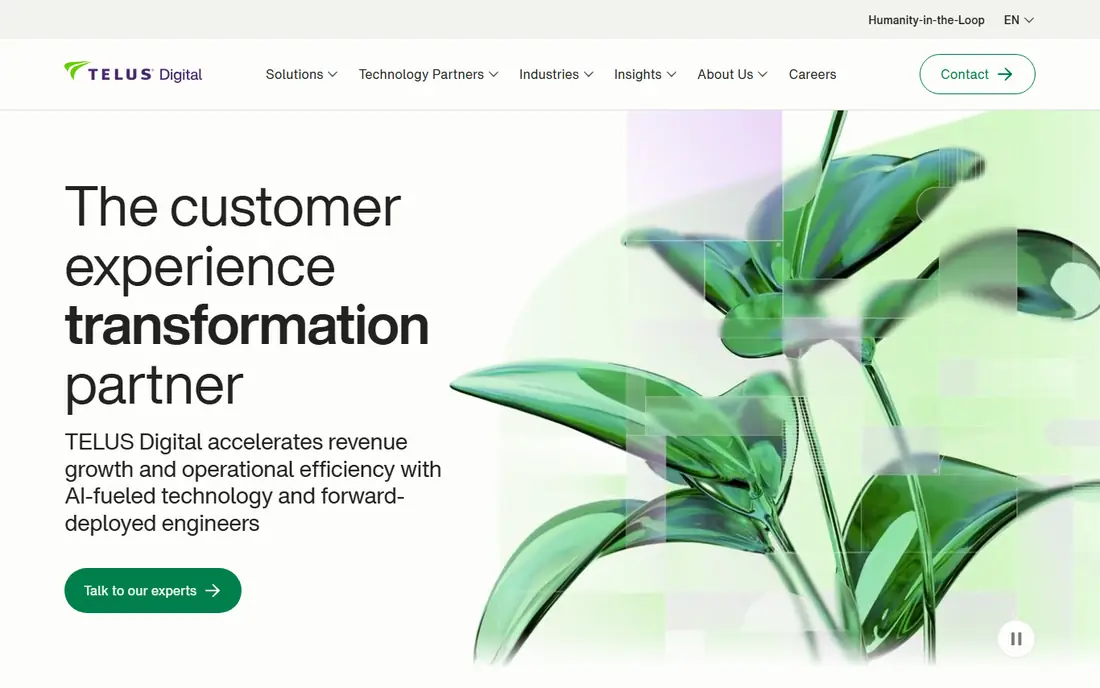
WillowTree, now part of TELUS Digital, is a strong pick for large companies that need a mobile product to work at scale. Its teams cover strategy, design, engineering and AI-enabled product work, which matters when an app must connect to legacy systems, handle high traffic and pass enterprise security review. For a Fortune 500 brand, that breadth reduces the need to hire several vendors.
The trade-off is fit and cost. Enterprise firms tend to price for larger engagements, and their process includes more discovery, governance and testing than a startup MVP needs. If your budget is small or your scope is a single simple app, a boutique firm may move faster. If your app is a core business channel, WillowTree scale is a real advantage.
- Enterprise scale and product strategy
- Experience with large consumer brands
- Part of TELUS Digital
- Enterprise pricing and process
- Less suited to very small budgets
- Discovery phase can be lengthy
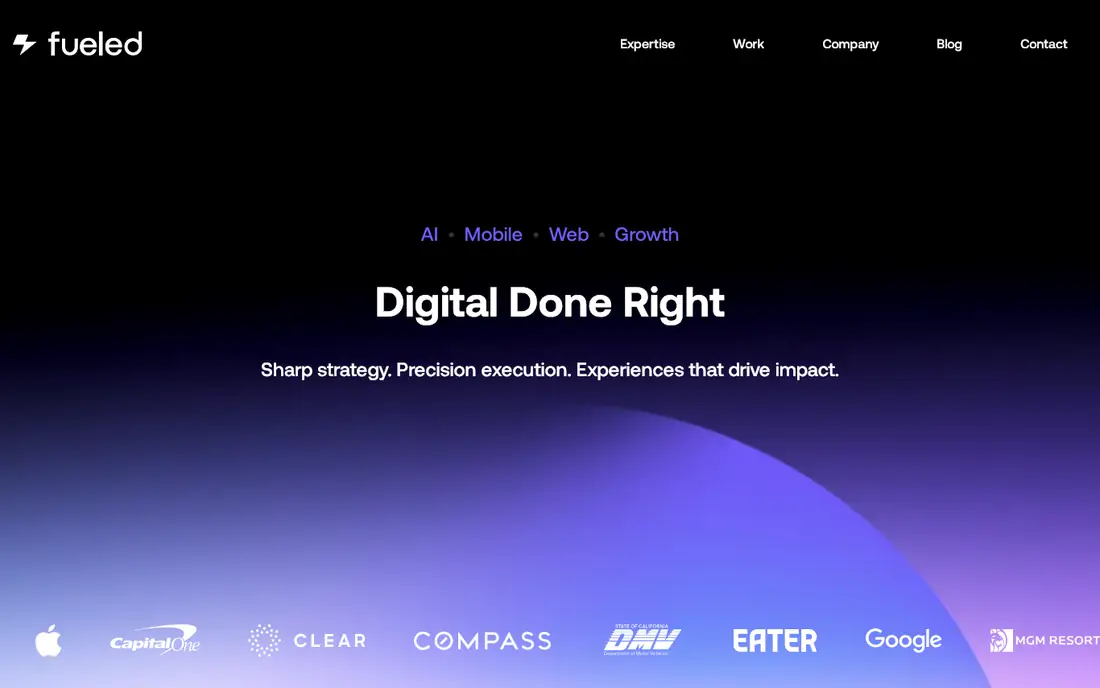
Fueled is known for design-first mobile products, with a New York base and work for consumer brands that compete on experience. Its approach suits companies where the app itself is the brand, such as retail, media, fitness or lifestyle products. Design, motion and onboarding get serious attention, not just functional screens.
That focus comes at a premium. Fueled is not the cheapest route to a working app, and teams that only need a simple internal tool may not need its design depth. For a consumer launch where downloads, retention and store ratings depend on first impressions, the extra design investment can pay back in user response.
- Strong consumer design focus
- Experience with major brands
- Agile sprint delivery
- Premium positioning
- Best for brands that value design highly
- Project pricing requires a detailed brief
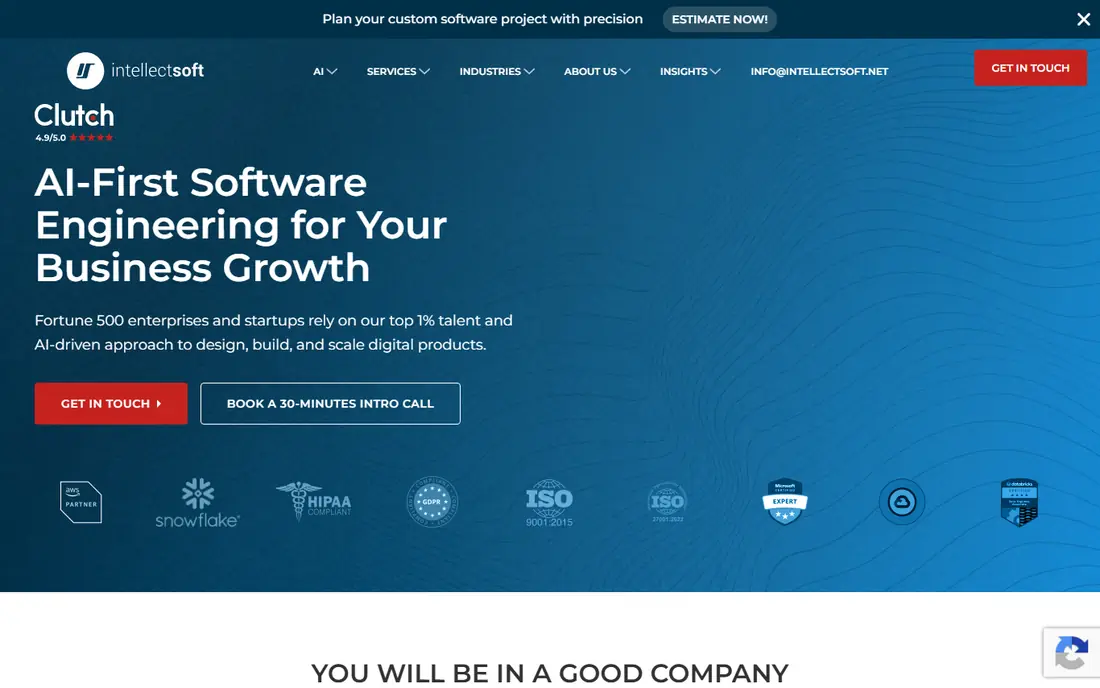
Intellectsoft suits enterprises that need mobile as part of a wider change, such as replacing a legacy system, adding AI features or moving to cloud services. Its teams cover mobile alongside web, cloud and enterprise software, which helps when an app must talk to older back-end systems. Compliance-aware work, including health and finance contexts, is part of its pitch.
For a small, standalone app, that breadth can feel heavy. Discovery, architecture and governance take time, and mobile alone may not be the whole engagement. For a company modernizing several systems at once, however, having one partner for mobile and back-end work can reduce handoff risk.
- Enterprise engineering depth
- AI, cloud and modernization work
- Global delivery model
- Large-firm process
- Mobile may be one workstream in a wider program
- Pricing is custom
Appinventiv is a large mobile app development company with teams that handle startups, mid-size firms and enterprises. Its scale suits large cross-platform builds, where iOS, Android, web and back-end work must ship together. Industries covered include health, finance, retail and logistics, which helps when a project needs domain examples, not just code.
Scale is also the caution. Very small projects can feel like a small account inside a large firm, so ask who will actually lead your project, how senior the team is, and how often you will speak to them. For a substantial product with a roadmap beyond launch, Appinventiv capacity is a plus.
- Large delivery capacity
- Native and cross-platform expertise
- Experience across many industries
- Large-firm engagement size
- Smaller projects may get less senior attention
- Custom pricing only
Blue Label Labs takes a strategy-led approach, which suits founders and innovation teams that need help shaping a product before they build it. Its work covers product strategy, design and development, with a focus on apps that must prove a market, raise funding or win internal approval. That early thinking can prevent costly rebuilds later.
The trade-off is that strategy work adds time before coding starts. If you already have a validated design and a tight deadline, a build-only team may be faster. If you have an idea and need help turning it into a product plan, pricing model and launch scope, Blue Label Labs structure is well matched.
- Strategy before build
- New York based product team
- Experience with funded startups and enterprise innovation teams
- Strategy phase adds time and cost
- Not the cheapest MVP route
- Pricing is project-based
Dogtown Media is a good fit when an app touches health data, payments or a connected device. Those projects need extra care around privacy, security, device pairing and regulatory rules, and a generalist firm may miss those details. Dogtown Media work in healthtech, fintech and IoT gives it relevant examples for those constraints.
For a straightforward consumer app with no regulated data, that specialization may be more than you need, and a broader firm could be cheaper. For a clinical, wearable or payment-linked product, the niche experience is worth weighing heavily, because mistakes in those areas are costly to fix after launch.
- Health, fintech and IoT focus
- Los Angeles based team
- Experience with regulated and device-linked apps
- Niche focus may not suit general consumer apps
- Project pricing is custom
- Smaller team than enterprise giants
Zco Corporation brings one of the longest track records on this list, with custom software work dating back decades and mobile, game and augmented reality projects in its portfolio. That history suits mid-market and enterprise buyers who want a stable vendor, not a new agency that may change direction after a year.
Longevity alone does not guarantee a good fit, so check recent mobile work in your category, not just older projects. Ask for current app store links, update history and client references. For buyers who value stability and a broad custom build capability, Zco is a credible shortlist option.
- Long operating history since 1989 in listings
- Custom apps, games and AR work
- New Hampshire based team
- Broad service range can blur specialization
- Project pricing is custom
- Portfolio should be checked for recent mobile work
Simform suits SaaS and enterprise teams that need product engineering plus cloud and data work behind the app. Its Orlando presence, combined with global delivery, gives US buyers a local point of contact with a larger engineering pool. That model works well for products that must scale, integrate with data systems and ship features over several years.
Consumer brands that need heavy brand design may want to pair Simform engineering with a strong design partner, or confirm design strength in the proposal. For a data-heavy or platform-style app, where back-end scale matters as much as screens, Simform is a strong contender.
- Product, cloud and data engineering
- US presence with global delivery
- Experience with scaling SaaS products
- Engineering-led positioning
- Design may need extra emphasis for consumer brands
- Pricing is custom
Chop Dawg is built for founders and companies without an in-house product team. It offers design, development, product management and launch support in one engagement, so a client does not need to hire separate designers, engineers and project managers. Its listings cite hundreds of shipped apps, which suggests repeatable process for startups and mid-size firms.
That full-service model is more than a simple coding job, so it may cost more than hiring freelancers for a narrow build. For a team that needs an end-to-end partner, from idea to App Store launch and post-launch support, Chop Dawg gives a clear single point of accountability.
- Full-service product team
- Experience with 500-plus shipped apps in its listings
- US-led delivery
- Full-service scope can exceed a simple build need
- Pricing is project-based
- Timeline depends on team availability
How we picked these
We compared firms with a US presence, public portfolios, client reviews and services covering mobile strategy, design and development. We favored firms that appear across independent 2026 roundups, that publish recent mobile work, and that cover different buyer needs, from enterprise scale to startup product teams. We did not rank firms by unverified review scores, and we did not treat a marketing claim as proof of quality.
We also checked pricing honesty. Most firms in this field do not publish a starting price, because scope, integrations, compliance and team location change cost more than platform choice alone. Where we saw project ranges in third-party roundups, we did not copy them as a firm rate, because those ranges often mix small MVPs with large enterprise programs. Ask each finalist for a scoped quote instead.
How to hire the best mobile app development company
A good hire starts with a clear brief and a careful check of past work. Use the steps below before you sign a contract.
Write a brief that vendors can price
Describe the problem, target users, core features, platforms, integrations and launch deadline. List must-have features separately from nice-to-have features, and state your budget range. Vendors can only give a useful quote when they know what is in scope and what can wait for a later release.
Check shipped apps, not just pitch decks
Ask for live App Store and Google Play links for recent apps in your category. Download them, test onboarding, and check update dates. An app that has not been updated in years, or that crashes on a current phone, tells you more than a polished case study.
Ask who will actually build your app
Confirm the seniority of the team, who leads design and engineering, how often you will meet, and whether work is done in-house or subcontracted. A strong sales team does not guarantee a strong delivery team, so meet the people who will do the work before you commit.
Compare discovery, ownership and support
Ask whether discovery is included or billed separately, who owns the code and design files, and what post-launch support costs. Clarify how changes are priced, how bugs are handled after launch, and how you can move to another vendor if needed. Get ownership, timelines and payment milestones in writing.
Frequently asked questions
What is the best mobile app development company in USA?
There is no single best firm for every project. WillowTree suits large enterprise consumer apps, Fueled suits design-led brands, Intellectsoft suits enterprise modernization, and Chop Dawg or Blue Label Labs suit startups that need a full product team. Shortlist two or three firms that match your budget and category, then compare scoped proposals.
How much does it cost to hire a mobile app development company?
Cost depends on scope, platforms, integrations, compliance and team location more than on a single hourly rate. A simple MVP costs far less than a large enterprise app with back-end systems, payments and regulated data. Get a scoped quote after discovery, and compare what is included, such as design, testing, launch support and post-launch fixes, before you compare headline prices.
Should I choose native or cross-platform development?
Native iOS and Android apps suit products that need deep device features, top performance or platform-specific design. Cross-platform tools such as Flutter or React Native suit many business apps, because one codebase can serve both stores with lower initial cost. Ask your vendor to explain the trade-offs for your features, especially for camera, Bluetooth, payments or offline use.
What is the best mobile app development company for startups?
Blue Label Labs, Chop Dawg and Simform are strong startup options for different reasons. Blue Label Labs adds strategy, Chop Dawg adds a full product team, and Simform adds engineering scale for SaaS products. Startups should favor firms with recent MVP work, clear pricing for a first release, and a plan for post-launch iteration.
How long does it take to build a mobile app?
A simple MVP can take a few months, while a complex enterprise app can take a year or more. Timeline depends on scope, design approval, integrations, testing and store review. Ask each vendor for a phased timeline with milestones, and leave time for testing on real devices before launch.
Do these companies help after launch?
Most firms on this list offer post-launch support, updates and further feature work, but terms differ. Some include a short bug-fix period, while others sell a monthly support plan. Confirm support scope, response times and update costs in the contract, and keep access to code, accounts and store listings in your own name.
Sources
See where you really rank - block by block
ProMapRanker scans Google Maps across a grid of your service area. Simple monthly plans from $19, white-label on every plan.
Start freeKeep reading
 zendesk alternatives
Best Zendesk Alternatives in 2026
Compare the best Zendesk alternatives in 2026, from budget help desks to AI-first support tools, with current pricing, free plans, and honest trade-offs.
Read → wordpress alternatives
Best WordPress Alternatives in 2026
Looking for the best WordPress alternatives? We compare 8 free and paid options for blogs, business sites, stores, and developer-led projects in 2026.
Read → which real estate company has the best training
Best Real Estate Company Training in 2026
Compare which real estate company has the best training, from Keller Williams and eXp to Compass and Coldwell Banker, by program, mentor, and fit in 2026.
Read →