 ProMapRanker
Best Free Microlearning Apps in 2026

Key takeaways
- Khan Academy and TED-Ed are fully free, with no paid tier standing between you and the lessons.
- Duolingo, Quizlet, Anki, and Memrise give you a real daily habit at no cost, with paid upgrades for extras rather than basic access.
- Headway and Blinkist are best for book summaries, but their free tiers give you one item a day rather than a full library.
- Coursera is useful for free learning when you audit a course, while certificates and graded work usually sit behind payment.
- The best free microlearning app is the one that matches a single goal, since a short daily session beats a large library you never open.
Quick comparison
| Pick | Great for | Pricing starts at | Free tier | |
|---|---|---|---|---|
 Khan Academy | Free academic lessons | Free | Yes | Visit |
 Duolingo | Free language learning | Free | Yes | Visit |
 TED-Ed | Free short video lessons | Free | Yes | Visit |
 Quizlet | Flashcards and revision | Free | Yes | Visit |
 Anki | Spaced repetition study | Free | Yes | Visit |
 Memrise | Vocabulary and listening | Free | Yes | Visit |
 Headway | Daily book summaries | Free | Yes | Visit |
 Blinkist | Nonfiction book summaries | Free | Yes | Visit |
 Coursera | Audited university courses | Free | Yes | Visit |
The best free microlearning apps
We compared free tiers that you can keep using, not trials that end after a week. Each pick below offers a genuine way to learn in short sessions without paying first.
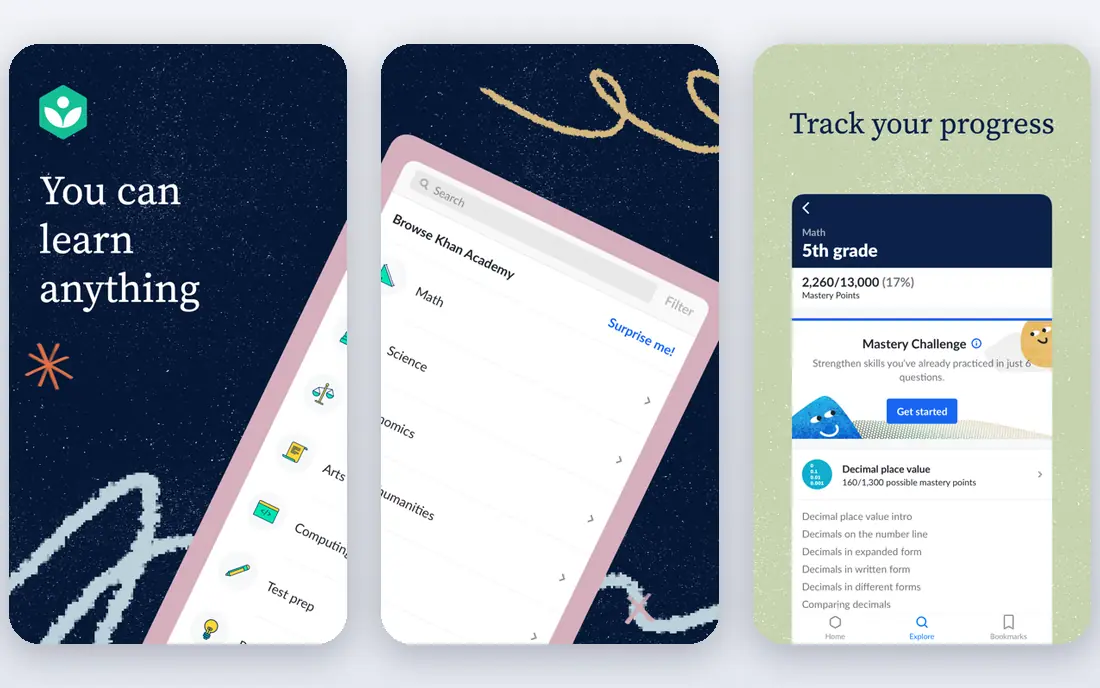
Khan Academy is the strongest starting point for structured academic learning at no cost. Its lessons cover maths, science, computing, economics, history, and test preparation, with practice questions that check understanding as you go. Because there is no paid tier, you do not hit a paywall in the middle of a topic, and that makes it easy to plan a steady routine around it.
The trade-off is pace. Some lessons feel closer to a classroom session than a quick daily tip, so it helps to pick one course and work through it in order. For school students, exam candidates, and adults returning to a subject, that structure is a strength. For someone who wants a random fact each morning, a lighter app on this list may fit better.
- Fully free lessons
- Clear practice exercises
- Broad school and test preparation coverage
- Lessons can run longer than a five minute session
- Less suited to casual general knowledge browsing
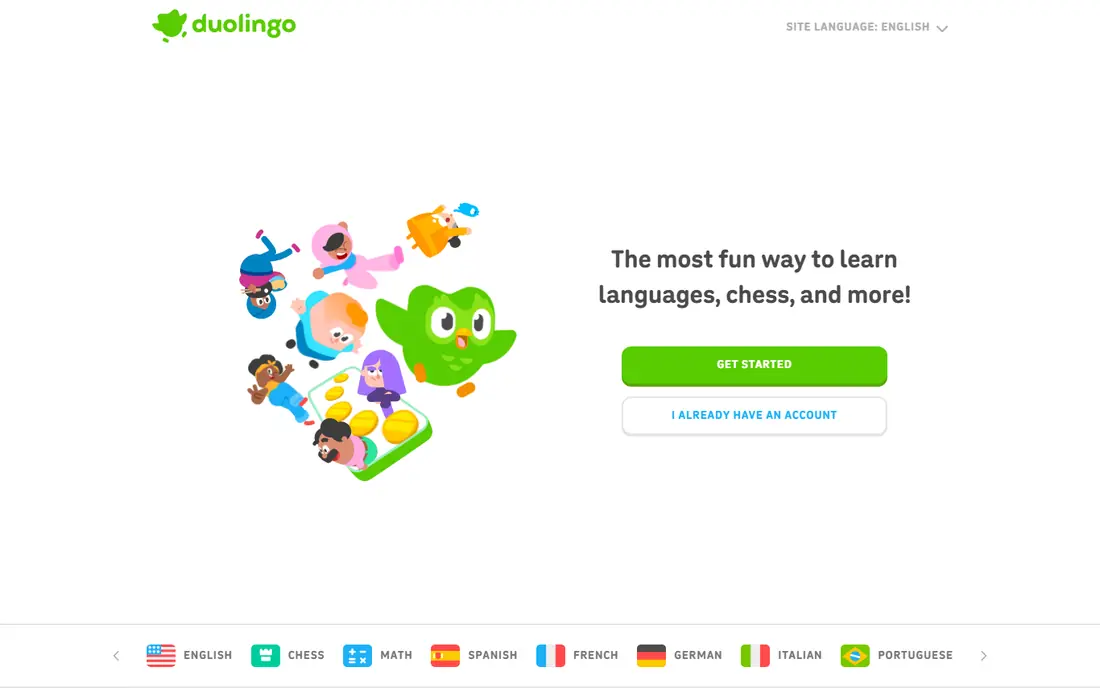
Duolingo turns language learning into a daily game, and its free tier covers full courses rather than a small sample. Lessons are short, visual, and built around translation, matching, listening, and speaking prompts. Streaks and league tables give many learners a reason to return, which matters more than any single feature when the goal is a habit.
The free version does include ads, and some courses use a hearts system that can pause you after repeated errors. Grammar is taught mainly through examples, so learners who want rules explained in depth will need a second resource. Still, for a free daily language habit, Duolingo is hard to beat, and our pick for most people starting a language from zero.
- Full language courses on the free tier
- Short gamified lessons
- Built in streaks and review
- Ads on the free tier
- Grammar explanations stay brief
- Some courses limit mistakes with hearts
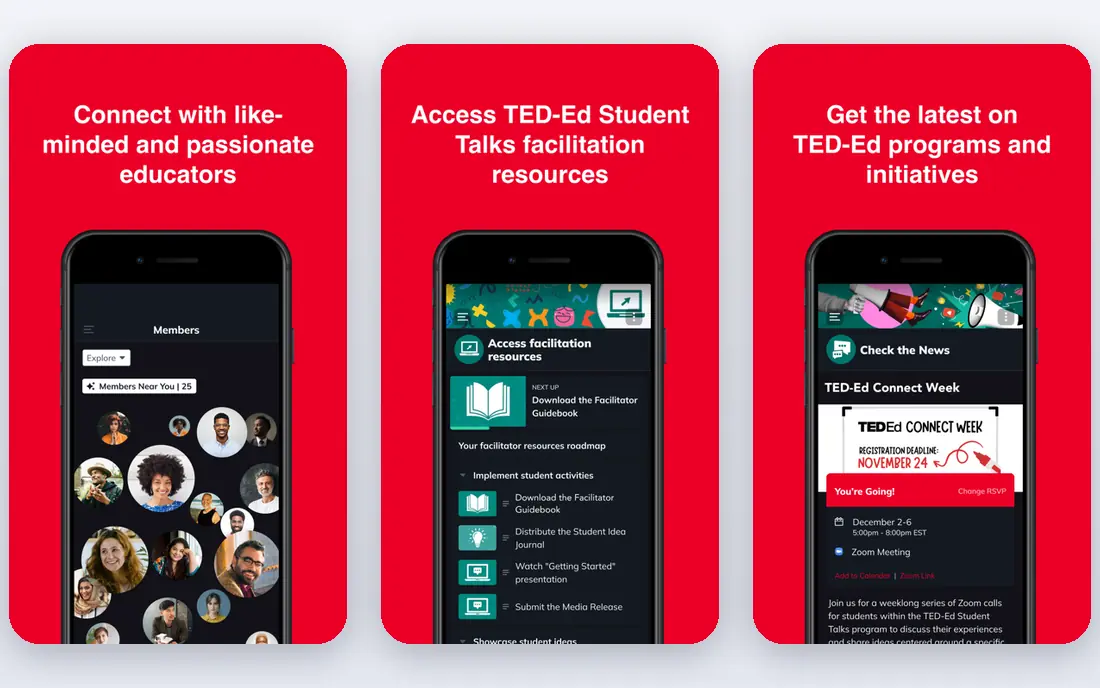
TED-Ed works well when you have ten minutes and a curious question. Its animated lessons explain ideas in science, history, literature, philosophy, and everyday thinking, often with follow-up questions that push you past passive watching. There is no subscription to manage, and the library is open to anyone.
The main limit is structure. TED-Ed is a collection of lessons, not a full curriculum with tests and progression for every subject. Use it as a daily curiosity habit, or pair it with a structured app such as Khan Academy when you need a course that builds week by week.
- Fully free video library
- Lessons cover many subjects
- Questions and discussion prompts included
- Mainly a website rather than a dedicated phone app
- No structured course path for every topic
Quizlet is built for revision, and its free tier is enough for many students. You can study sets made by other learners, or build your own cards for a test, a language, or a work topic. Flashcard, matching, and test modes turn a short session into active recall, which is more useful than rereading notes.
Because much of the library is user made, you should check a set before trusting it for an exam. Errors and gaps do appear, especially in less popular subjects. When you make your own sets, or use sets from a teacher you trust, Quizlet becomes a simple and dependable daily revision tool.
- Large library of user made study sets
- Flashcard and quiz modes
- Easy to make your own sets
- Quality varies across user made sets
- Some study modes sit behind a paid plan
Anki is a flashcard app built around spaced repetition, which schedules each card again just before you are likely to forget it. That method suits medical study, law, languages, and any subject with a large amount of facts to retain. The desktop and Android versions are free, and shared decks cover many common topics.
The interface is plain, and new users may need an evening to learn how decks, cards, and review settings work. The iOS app is a separate paid purchase, which is worth noting if you study mainly on an iPhone. For learners who value long term retention over polish, Anki remains a strong free choice.
- Free on desktop, web, and Android
- Strong spaced repetition scheduling
- Large shared deck library
- Plain interface takes time to learn
- IOS app is a paid purchase
- Setup can feel technical at first
Memrise focuses on vocabulary and listening, with short clips that show words used by real speakers. That approach helps learners connect a word to a voice and a situation, rather than to a translation alone. The free tier covers basic lessons in several major languages, which is enough to test the method and build early vocabulary.
Grammar and longer conversation practice are thinner here than in a full course app. Think of Memrise as a strong companion for vocabulary, paired with a structured course when you want to build sentences with confidence. For daily word practice, it is quick, clear, and easy to fit into a commute.
- Video clips from native speakers
- Short vocabulary sessions
- Free basic lessons in major languages
- Full course library needs a paid plan
- Less depth on grammar and sentence building
Headway condenses nonfiction books into short summaries you can read or listen to in about fifteen minutes. On the free tier, you get one full summary per day plus daily insights, which is enough for a steady reading habit without paying. The format suits busy readers who want the core ideas from a book before deciding to read it in full.
The limit is obvious. You cannot browse the whole library for free, and a summary will never carry the examples, nuance, and argument of the original book. Use Headway to explore ideas and build a reading routine, then buy or borrow the books that deserve a full read.
- One full summary per day on the free tier
- Short audio and text formats
- Daily insights included
- Full library needs a subscription
- Summaries replace rather than match reading the full book
Blinkist offers short text and audio summaries of nonfiction books, with a free daily pick that stays available without a subscription. The catalogue covers business, psychology, productivity, science, and personal growth, so the daily pick often leads to a book you would not have found on your own. Audio versions make it practical for walks and commutes.
The catch is choice. The free daily summary is selected for you, so you cannot pick any title in the catalogue without paying. If you want a specific book, the free tier may not help. For readers who enjoy a daily surprise and a short idea to think about, Blinkist fits well.
- One free summary per day
- Large nonfiction catalogue
- Audio versions for listening on the move
- Daily free pick is chosen for you
- Full access needs a subscription
- Summaries are brief by design
Coursera lets you audit many university and company courses for free, which means you can watch video lessons and read course material without paying. Lessons are often split into short parts, so a microlearning habit is possible if you treat one video section as a daily session. Subjects range from data and business to arts, health, and languages.
Audit access is not the same as full enrolment. Graded assignments, certificates, and some course features usually need payment, and not every course offers an audit option. Still, for free access to university level teaching, Coursera is a valuable addition to this list, especially for learners who want depth on a specific topic.
- Free audit access to many university courses
- Video lessons in short parts
- Wide subject range
- Certificates and graded assignments usually need payment
- Some courses do not offer audit access
How we picked these
We compared official feature pages, pricing pages, and app store listings, and kept only options with a free tier you can keep using rather than a trial that expires. We also checked that each app fits short session learning, either through short lessons, flashcards, summaries, or audited course sections. Apps that only offered a short trial were left out, even when their paid versions are strong.
Choosing a free microlearning habit that sticks
Start with one goal
Pick a single outcome for the next month, such as learning basic Spanish, revising for an exam, or reading one book idea per day. A clear goal makes the choice simple. Language learners should start with Duolingo or Memrise, academic learners with Khan Academy, and readers with Headway or Blinkist.
Check what free really means
Free can mean fully free, a limited daily item, or audit access without a certificate. Read the pricing page before you build a routine around an app, and check whether ads, mistake limits, or locked features will bother you. If a limit blocks your main use, a different free app on this list may serve you better.
Keep sessions short and regular
Set a fixed time, such as ten minutes after breakfast, and stop when the session ends. Short daily practice builds retention better than a long session once a week, especially for flashcards and languages. If you miss a day, return the next day rather than trying to catch up with a double session.
Frequently asked questions
What is the best free microlearning app?
There is no single winner, because the best choice depends on your goal. Khan Academy is the strongest fully free option for academic subjects, Duolingo leads for free language learning, and Anki leads for long term fact retention. Pick the app that matches your main goal, then add a second only if a gap remains.
Is there a best free microlearning app with no ads?
Khan Academy and TED-Ed are fully free and do not rely on a paid tier, which makes them the cleanest options for ad free learning. Duolingo and Memrise offer strong free tiers, but their free versions include ads or limits that paid plans remove. Check the app store listing if ads are a deal breaker for you.
What is the best free microlearning app for students?
Khan Academy is a strong first choice for school and test preparation, with practice exercises and clear progression. Quizlet and Anki add revision and spaced repetition for exams, while Duolingo covers languages. Most students do well with one structured app plus one revision app.
Can I learn a language for free with a microlearning app?
Yes, Duolingo and Memrise both offer free language lessons that cover vocabulary, listening, and basic sentences. The free tiers are enough to build a daily habit and learn the basics. For grammar depth and conversation practice, add a grammar guide or a speaking partner later.
Are free book summary apps worth using?
Headway and Blinkist are worth using if you want a daily idea and a short summary to explore a topic. They are less useful if you need the full argument, examples, and detail of a book. Treat summaries as a way to choose what to read in full, not as a replacement for the book itself.
Sources
- https://www.khanacademy.org
- https://www.duolingo.com
- https://ed.ted.com
- https://quizlet.com
- https://apps.ankiweb.net
- https://www.memrise.com
- https://makeheadway.com
- https://www.blinkist.com
- https://www.coursera.org
- https://chunks.app/blog/best-microlearning-apps-2026
- https://www.morso.app/blog/best-free-microlearning-apps-2026
See where you really rank - block by block
ProMapRanker scans Google Maps across a grid of your service area. Simple monthly plans from $19, white-label on every plan.
Start freeKeep reading
 zscaler alternatives
Best Zscaler Alternatives in 2026
Looking for zscaler alternatives? We compare 9 SASE and zero trust platforms on architecture, data protection, pricing, and fit for your network and team.
Read → zapier alternatives free
Best Zapier Alternatives Free in 2026
Nine automation tools for zapier alternatives free in 2026, all with genuinely free tiers, plus free plan limits, starting prices and upgrade paths explained.
Read → which platform is best for online reputation
Which Platform Is Best for Online Reputation in 2026
Wondering which platform is best for online reputation? We compare 8 review, listing, and response tools for small and multi-location businesses and agencies.
Read →