 ProMapRanker
Best Merchant Services for Ecommerce in 2026

Key takeaways
- Stripe is our pick for most custom stores, with no monthly fee and a standard online rate of 2.9 percent plus 30 cents.
- Shopify Payments is the simplest choice for Shopify stores, because it avoids Shopify's extra third-party gateway fee.
- Helcim suits cost-conscious sellers who want interchange-plus pricing and no monthly fee, though its rate varies by card.
- PayPal Checkout can lift conversion through buyer trust, but its 3.49 percent plus 49 cents checkout rate is high for low-priced goods.
Quick comparison
| Pick | Great for | Pricing starts at | Free tier | |
|---|---|---|---|---|
 Stripe | Custom stores and developer teams | $0 per month | Yes | Visit |
 Shopify Payments | Stores already on Shopify | $39 per month | No | Visit |
 PayPal | Checkout trust and Pay Later options | $0 per month | Yes | Visit |
 Square | Sellers who also sell in person | $0 per month | Yes | Visit |
 Helcim | Sellers who want interchange-plus pricing | $0 per month | Yes | Visit |
 Authorize.net | Stores with existing gateway integrations | $25 per month | Free trial | Visit |
 Adyen | Large stores selling across borders | See website | No | Visit |
 WooCommerce Payments | WordPress and WooCommerce stores | $0 per month | Yes | Visit |
The best merchant services for ecommerce
Merchant services decide how a customer pays, what you keep from each sale, and how painful disputes become. The headline rate is only part of the cost. Monthly fees, fixed per-transaction fees, international surcharges, and chargeback fees all shape the final bill.
This is not financial advice. Processing terms change, and the right provider depends on your volume, average order value, and sales regions. Read the current fee page before you switch, and model your real order mix rather than trusting a single example sale.
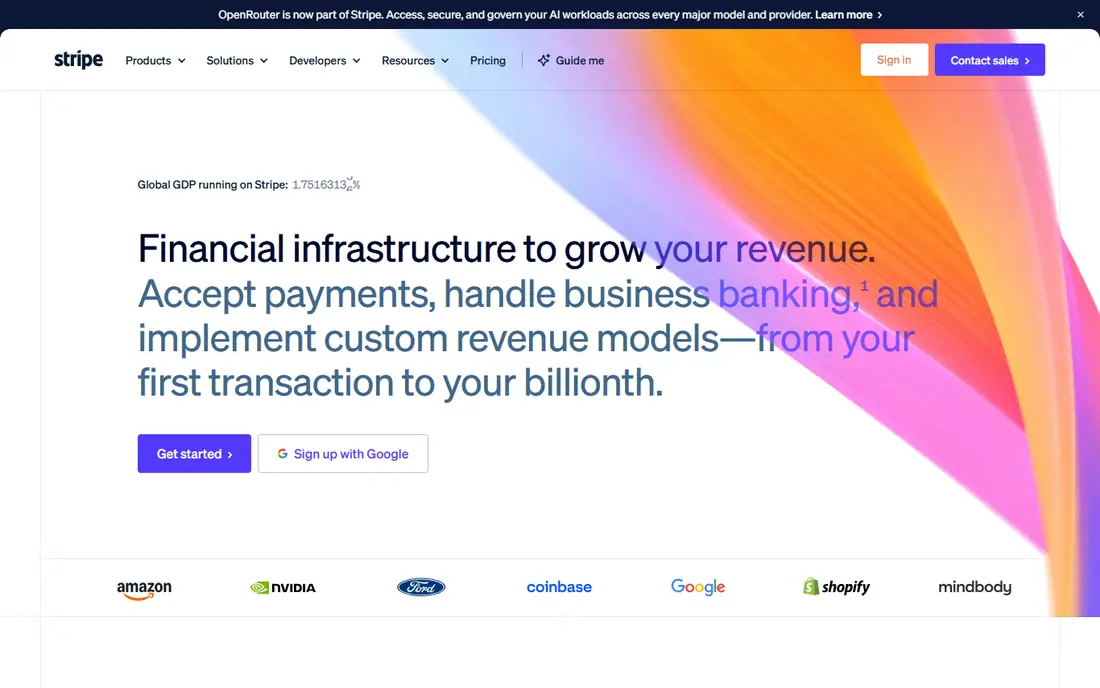
Stripe fits stores that want control over checkout without a monthly subscription. Developers can build a custom flow, add subscriptions, and connect Stripe to most ecommerce platforms. The standard US online rate of 2.9 percent plus 30 cents is easy to model, and there is no setup or monthly fee at that tier. That simplicity helps new stores forecast costs.
The catch shows up at the edges. International cards add a surcharge, currency conversion adds another, and manually entered payments cost more. Dispute handling also carries fees that are not always refunded. If you sell mostly domestic cards at a healthy average order value, Stripe is hard to beat. If most sales are small or international, compare the full fee page first.
- No monthly fee at the standard tier
- Strong APIs and checkout options
- Supports many currencies and payment methods
- Online rate is 2.9 percent plus 30 cents
- International cards and currency conversion add surcharges
- Dispute fees can add up

Shopify Payments is the default we recommend for Shopify sellers, and the reason is practical. Using another gateway on Shopify can add a third-party transaction fee on top of that gateway's own rate, while Shopify Payments avoids that extra charge. Checkout, payouts, and order data stay in one dashboard, which saves time for a small team. The Basic plan online rate is 2.9 percent plus 30 cents in the US.
The limit is the platform lock-in. You need a Shopify subscription, starting at $39 per month on the monthly Basic tier in recent pricing reports, and Shopify Payments is not available in every region. Sellers outside supported regions still need another provider. For a Shopify store in a supported region, though, this is the path of least friction.
- Built into Shopify checkout
- Avoids Shopify third-party gateway fees
- Fraud analysis included
- Requires a Shopify plan
- Limited to supported regions
- International and conversion costs still apply
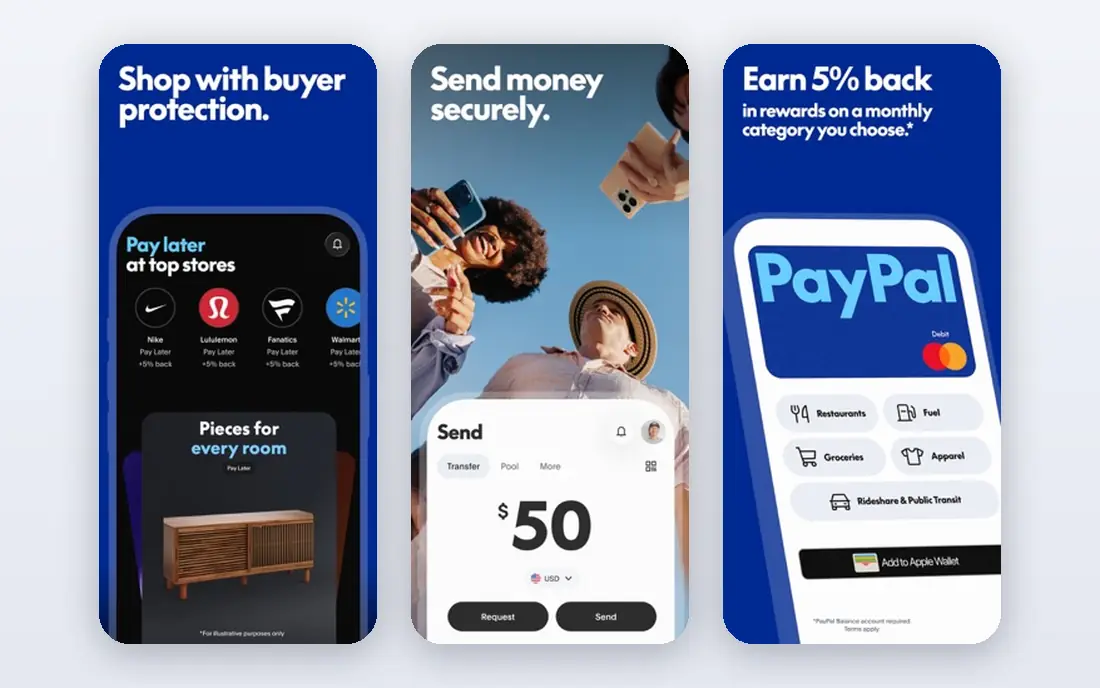
PayPal earns its place through recognition. Many shoppers trust it, keep a balance or saved cards there, and finish checkout faster than with a new card form. Pay Later options can also help larger baskets, though terms and eligibility vary. For a new store with no brand trust yet, that familiarity can raise conversion enough to offset a higher fee.
The fee is the trade-off. Standard card payments through PayPal cost 2.99 percent plus 49 cents, and PayPal or Venmo checkout costs 3.49 percent plus 49 cents, based on recent US fee reports. On a low-priced item, the 49 cent fixed fee hurts. Use PayPal as an extra checkout option alongside a cheaper card processor when your average order is small.
- Widely recognised by shoppers
- PayPal and Venmo checkout options
- No monthly fee for standard business accounts
- PayPal Checkout rate is 3.49 percent plus 49 cents
- Card checkout rate is 2.99 percent plus 49 cents
- Dispute rules need careful reading
Square suits a seller with a foot in two places: a website and a market stall, a studio, or a pop-up shop. One account can handle online checkout, invoices, and in-person card payments, with shared inventory and customer records. The Free plan has no monthly fee, which keeps the risk low for a side business. Paid Plus and Premium plans lower some rates but add a monthly fee per location.
Online pricing is the weak spot on the Free plan, at 3.3 percent plus 30 cents in recent reports. That is higher than Stripe or Shopify Payments for pure online sales. Pick Square when the combined online and in-person picture matters more than squeezing the last few cents from online-only volume.
- No monthly fee on the Free plan
- Online and in-person sales in one system
- Simple setup for small teams
- Free plan online rate is 3.3 percent plus 30 cents
- Paid plans add monthly cost per location
- International fees apply
Helcim charges interchange plus a markup, rather than one flat rate for every card. Recent reports put its online average near interchange plus 0.5 percent plus 25 cents, with lower averages for in-person sales. That model often beats flat-rate pricing once volume grows, because cheap debit cards are not charged at the same rate as premium rewards cards. There is no monthly fee, and volume discounts can reduce the markup further.
The downside is statement complexity. Your effective rate moves with your card mix, so a single month can look better or worse than the headline suggests. Helcim also has a smaller integration library than Stripe, so check your platform support before you commit. For a seller who reads statements and wants lower card costs, it is a strong alternative.
- No monthly fee
- Interchange-plus model can lower costs on many cards
- Volume discounts for larger sellers
- Rate varies by card, so bills are less predictable
- Fewer plug-and-play integrations than Stripe
- US and Canadian focus
Authorize.net is the veteran gateway in this list. It connects to many carts and platforms, supports recurring billing, and includes fraud detection tools. The All-in-One plan charges $25 per month plus 2.9 percent plus 30 cents per transaction, while the Gateway Only plan also charges $25 per month and connects to a merchant account you already hold. That structure suits businesses migrating an existing setup rather than starting fresh.
For a new low-volume store, the monthly fee is a real drag. You pay $25 even in a slow month, while Stripe, Square, and PayPal charge no monthly fee at their standard tiers. Authorize.net makes sense when your platform, processor, or accounting setup already depends on it, or when you value its long track record over the lowest possible start-up cost.
- Long-established gateway
- Wide platform and cart support
- Recurring billing and fraud tools included
- $25 monthly fee
- Flat 2.9 percent plus 30 cents online rate
- Needs a separate merchant account on the Gateway Only plan
Adyen serves larger merchants who sell in many countries and need local payment methods, unified reporting, and enterprise fraud controls. It handles online, in-app, and in-person payments in one platform, which matters when a brand runs stores, apps, and websites together. That breadth is why global retailers choose it despite the lack of a simple published rate card.
Small sellers should look elsewhere. Pricing is custom, onboarding takes longer, and the toolset assumes a team that can manage risk, data, and multi-region settlement. If your store is growing past a single region and flat-rate fees are climbing, request a quote and compare it against your real card mix. Until then, a simpler provider will move faster.
- Unified commerce across channels and regions
- Strong local payment methods
- Enterprise fraud and data tools
- Pricing is quote-based
- Overkill for a small single-region store
- Onboarding is heavier than flat-rate rivals
WooCommerce Payments keeps payments inside the WordPress dashboard, so a store owner can manage orders, refunds, and payouts without a separate portal. There is no monthly fee, and the standard US online rate is 2.9 percent plus 30 cents. For a small WordPress store, that combination is easy to justify, and setup is far simpler than wiring a custom gateway.
The trade-off is the WordPress stack itself. You own hosting, updates, security, and plugin conflicts, and WooCommerce Payments inherits those duties. Larger stores may prefer Stripe direct for more control, or Shopify for a fully hosted setup. For a WordPress seller who wants payments to just work inside WooCommerce, this is the natural pick.
- Built into WooCommerce dashboard
- No monthly fee
- Supports cards, wallets, and local methods in supported regions
- US online rate is 2.9 percent plus 30 cents
- Tied to WordPress hosting and upkeep
- Fewer enterprise features than Stripe direct
How we picked these
We compared official fee pages and recent October 2026 fee reports, and we kept only providers that serve US ecommerce sellers and publish clear core terms. We weighed the monthly fee, the online card rate, the fixed fee, and the fit for different store types, from a solo WordPress shop to a global brand. We left out providers with quote-only pricing aimed solely at high-risk niches, and we flagged quote-based enterprise pricing where it applied.
How to choose without overpaying
Start with your average order value. A high fixed fee hurts small orders far more than a slightly higher percentage hurts large ones. A $5 sale loses a bigger share to a 49 cent fee than a $100 sale does. Bundle low-priced items, or set a sensible minimum, if your processor charges a high fixed fee.
Model your real card mix
Ask for your last three months of sales by card type and region if you already sell. International cards, premium cards, and manually entered payments each carry surcharges on many plans. A flat-rate plan looks simple, while an interchange-plus plan often wins once debit cards dominate. Run both models on the same sales before you switch.
Count the costs beyond the rate
Monthly fees, chargeback fees, payout timing, and refund fees all matter. A provider with no monthly fee but a high dispute fee can cost more than a provider with a modest monthly fee and fair dispute terms. Check how refunds are handled, whether the transaction fee is returned, and how long payouts take to reach your bank.
Test checkout before you commit
Run a live test order on desktop and mobile, including a refund and a failed card. Watch for extra steps, confusing error messages, or forced account creation. A checkout that loses one sale in twenty will cost more than a tenth of a percent in fees. Keep a second payment option live during the switch so a problem does not stop all sales.
Frequently asked questions
What is the best merchant services company for a new online store?
Stripe is a strong default for a new custom store, because it has no monthly fee and a clear online rate. Shopify Payments is better if you already use Shopify, and WooCommerce Payments is better if you already use WordPress. Pick the provider that fits your platform first, then compare fees.
What is the best merchant service provider for low-volume sellers?
A provider with no monthly fee, such as Stripe, Square, PayPal, or Helcim, suits low-volume sellers. You pay only when you sell, which protects slow months. Authorize.net and Shopify plan fees make less sense until volume covers the monthly cost.
What is the best ecommerce merchant services option for international sales?
Adyen is built for multi-region selling, with local payment methods and unified reporting. Stripe also supports many currencies and is easier to start with. Compare international card surcharges and currency conversion fees on your actual sales regions, since those add-ons often matter more than the headline rate.
Do merchant services charge a monthly fee?
Some do and some do not. Stripe, Square, PayPal, and Helcim charge no monthly fee at their standard tiers, while Authorize.net charges $25 per month and Shopify Payments requires a Shopify plan. Always check the current fee page, because plan names and monthly tiers change.
Is PayPal or Stripe cheaper for ecommerce?
Stripe is usually cheaper for standard card sales, at 2.9 percent plus 30 cents against PayPal card checkout at 2.99 percent plus 49 cents and PayPal checkout at 3.49 percent plus 49 cents. PayPal can still earn its place as an extra option, because some shoppers complete checkout faster with it. Many stores offer both and let the customer choose.
Sources
See where you really rank - block by block
ProMapRanker scans Google Maps across a grid of your service area. Simple monthly plans from $19, white-label on every plan.
Start freeKeep reading
 zoho inventory alternatives
6 Alternatives to Zoho Inventory, Compared on Price and Fit
Zoho Inventory alternatives: 6 tools compared on price, free plans and fit. Katana leads the list for manufacturers. Fit and flaws are laid out for each entry.
Read → zoho crm alternatives
Best Zoho CRM Alternatives (2026)
Need Zoho CRM alternatives? We compare 7 tools on cost, free access and who each suits. Every pick gets a straight assessment. Built for quick decisions.
Read → zelle alternatives
Best Zelle Alternatives in 2026
Compare the best Zelle alternatives for sending money to friends, paying sellers and moving funds abroad, with honest notes on fees, speed and safety in 2026.
Read →