 ProMapRanker
8 Best Medical Information Platforms Germany


Clear patient health explanations in German · Pricing starts at: Free
Key takeaways
- Patient sites and professional platforms serve different readers, so start by choosing the right type.
- German language depth matters more than a large global catalogue translated in part.
- Doctor search tools differ in booking, reviews, and insurance filters.
- Drug and symptom information should be checked against a clinician, not used alone.
- Professional access often needs proof of a medical qualification.
Quick comparison
| Pick | Great for | Pricing starts at | Free tier | |
|---|---|---|---|---|
| NetDoktor | Clear patient health explanations in German | Free | Yes | Visit |
 DocCheck | Medical professionals seeking peer knowledge in Europe | Free for members | Yes | Visit |
 jameda | Finding doctors and reading patient reviews in Germany | Free for patients | Yes | Visit |
 Doctolib | Booking appointments and managing care in Germany | Free for patients | Yes | Visit |
 Apotheken Umschau | Pharmacy reviewed patient health content in German | Free | Yes | Visit |
 MSD Manual | Reference medical explanations for patients and professionals | Free | Yes | Visit |
 Gelbe Liste | Drug information for German healthcare professionals | See website | No | Visit |
 SpringerMedizin | Professional medical news and education in German | See website | No | Visit |
The best medical information platforms Germany
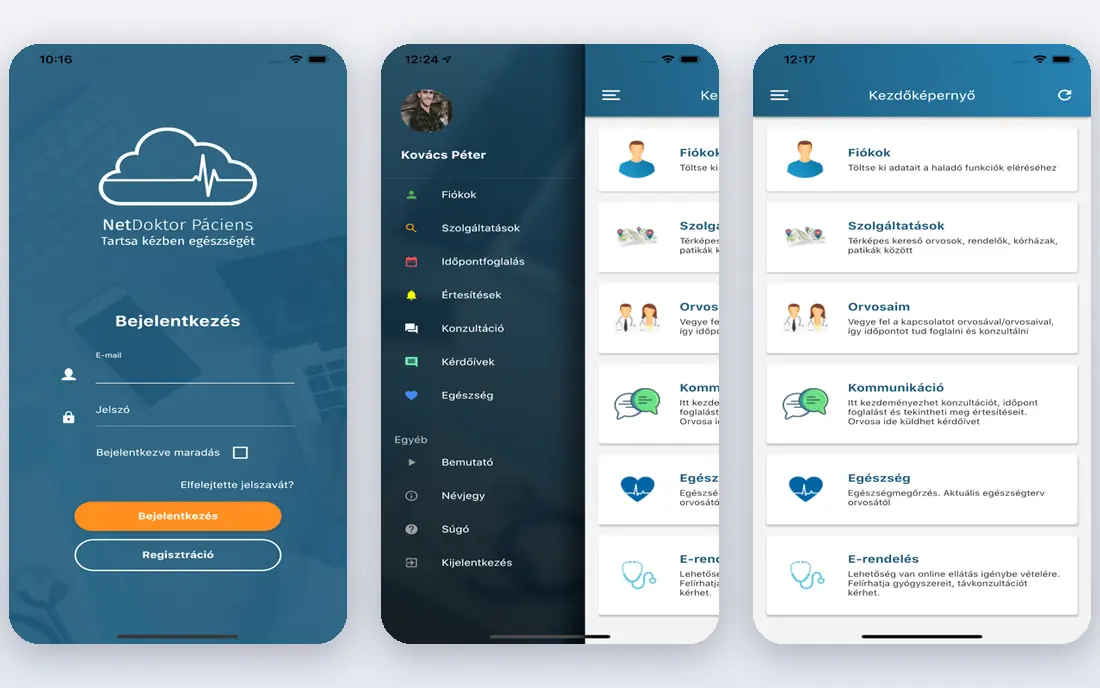
NetDoktor is one of the most familiar patient health sites in Germany, with disease guides, symptom information, medicine pages, and lifestyle content written for non specialists. The language is plain and structured, which helps readers who want to understand a diagnosis or prepare for an appointment. A symptom checker gives a starting point for discussion, though it cannot replace clinical assessment.
The limit is scope. Content is general, so it cannot account for your full history, medicines, or test results. Readers should treat it as background reading and bring specific questions to a doctor or pharmacist. For everyday health questions in German, NetDoktor remains a practical first stop.
- Broad German patient content, symptom checker, medicine and disease guides
- General information only, symptom checker cannot diagnose, advertising present
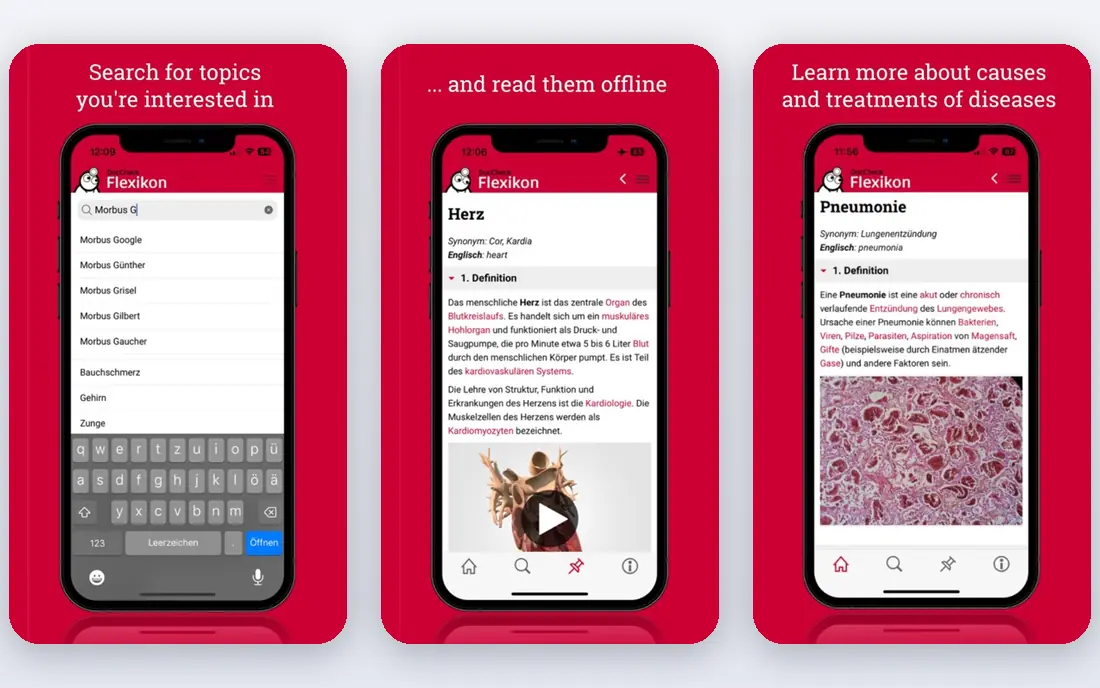
DocCheck is built for physicians, pharmacists, medical assistants, and other healthcare professionals, with news, specialist channels, and the Flexikon reference work. One login gives access to many professional sites that are restricted under German drug advertising rules. That structure makes it a working tool for professionals, not a general patient site.
Patients will find much of the value locked behind professional verification, which is intentional. For clinicians in Germany, though, the mix of news, reference articles, and peer exchange is hard to match in one place. If you are a professional, DocCheck is the platform to check first. If you are a patient, start with NetDoktor or Apotheken Umschau instead.
- Large professional community, Flexikon reference, news and specialist channels
- Professional access only for many areas, patient use is limited, some services are paid
jameda helps patients find doctors by specialty, location, and insurance type, and many profiles allow online booking. Patient reviews add a human view of waiting times, communication, and practice organisation, though they are not a measure of clinical quality. Filters help narrow a long list to practices that fit practical needs.
The honest weakness is that reviews reflect personal experience, and a highly rated practice may still have long waits for new patients. Booking availability also depends on each practice, so an online listing does not guarantee a fast appointment. Used with those limits in mind, jameda is a strong tool for the practical side of care in Germany.
- Large doctor directory, filters for insurance and booking, patient reviews
- Reviews are subjective, booking depends on the practice, some profiles are paid
Doctolib is widely used in Germany for finding doctors, booking appointments online, and holding video consultations where the practice offers them. Reminders, appointment management, and document sharing reduce phone calls and missed visits. The interface is clean, and booking steps are easy to follow for patients who prefer digital scheduling.
Coverage is the main caveat. Not every practice uses Doctolib, and availability varies by city and specialty. Video consultations also suit follow ups and simple issues better than examinations that need physical checks. For patients whose doctors use the platform, it simplifies care management in a clear way.
- Online booking, video consultations, reminders and document handling
- Doctor coverage varies by region, video care suits only some needs, practice adoption differs
Apotheken Umschau
Great for: Pharmacy reviewed patient health content in German
Apotheken Umschau comes from a long running German pharmacy health magazine, and its online content keeps that patient friendly tone. Articles explain diseases, medicines, prevention, and everyday health topics in clear German, with a pharmacy perspective on safe medicine use. Readers who trust pharmacy advice will find the style reassuring.
It is not a doctor search tool or a professional database, so depth stops at patient level. For treatment decisions, readers still need a clinician or pharmacist who knows their case. As background reading before a pharmacy visit, Apotheken Umschau is a solid and readable choice.
- Trusted German health brand, medicine and disease explainers, pharmacy link
- Patient level depth only, no doctor booking, limited professional tools
MSD Manual
Great for: Reference medical explanations for patients and professionals
MSD Manual offers two tracks, one for patients and one for professionals, which helps readers pick the right depth. Topics cover symptoms, diseases, tests, and treatments in a structured format, with a German edition for readers in Germany. That structure makes it useful for checking terms after an appointment or for study.
The tone is more reference like than magazine style, so casual readers may find some pages dense. It also does not cover German booking, insurance, or practice rules, which need local sources. For reliable background reference, MSD Manual is one of the strongest free options in this list.
- Structured reference content, separate patient and professional versions, German edition available
- Reference tone can feel dense, not a booking tool, local German rules need separate checking
Gelbe Liste is a German drug information service used by professionals who need product details, active ingredients, interactions, and prescribing information. Its depth goes well beyond a patient medicine leaflet, and it is organised for clinical and pharmacy work. For professionals in Germany, that specificity is the point.
Patients will find the level of detail hard to use without training, and access rules reflect its professional purpose. If you are a patient checking a medicine, Apotheken Umschau or NetDoktor gives a clearer starting point, with a pharmacist as the next step. For professional drug checks, Gelbe Liste belongs on the shortlist.
- Detailed German drug database, interaction and product detail, professional focus
- Professional access rules, less suited to patients, subscription terms vary
SpringerMedizin
Great for: Professional medical news and education in German
SpringerMedizin serves German speaking medical professionals with news, journal content, guidelines discussion, and continuing education. Specialty coverage is broad, and the publisher background gives the content a clear professional standard. For doctors who want to stay current in German, it is a central source.
The main limit is access. Much of the deeper content sits behind subscription or society access, so casual readers will hit paywalls. Patients will also find the tone academic. For professional learning and news in Germany, SpringerMedizin is still a strong choice, especially alongside DocCheck.
- German professional news, journals and education, specialty coverage
- Much content needs subscription, patient use is limited, academic tone
How we picked these
We compared official feature pages, pricing and access pages, app store listings where relevant, privacy policies, and public reviews. We checked German language depth, German doctor or pharmacy coverage, professional verification rules, and content type. We did not claim hands on clinical testing, and we treated each platform as an information source, not a care provider. Where pricing or access terms were not published clearly, we wrote See website.
How to choose a medical information platform in Germany
Start with who you are. Patients need plain German explanations, medicine basics, and practical tools for finding care. Professionals need drug data, guidelines, and peer sources that fit German rules. Mixing those needs leads to frustration, because a professional database will overwhelm a patient, and a patient site will lack the detail a clinician needs.
Next, check the source behind the content. Look for editorial teams, medical review, update dates, and clear limits on what the content can and cannot do. A platform that states its limits plainly is more trustworthy than one that implies certainty. For symptoms, use information to prepare questions, note timing and severity, and contact a clinician promptly for serious, persistent, or worsening problems.
Finally, match the tool to the task. Use a doctor directory for booking, a pharmacy site for medicine basics, and a professional database for drug or guideline checks. Keep a list of your medicines and allergies ready for appointments, and do not change treatment based on a website alone. Good information supports a clinician conversation, and it works best when it leads to one.
Frequently asked questions
Can I use these platforms to diagnose myself?
No. Symptom checkers and disease guides give general information and possible topics to discuss. Only a clinician who can examine you and review tests can make a diagnosis.
Which platform is best for finding a doctor in Germany?
jameda and Doctolib are the most practical for patients. jameda offers a large directory with reviews and filters, while Doctolib focuses on online booking and video consultations where practices offer them.
Are German medical sites available in English?
Some platforms offer English content or interfaces, but German depth is usually stronger. MSD Manual has broad language options, while DocCheck, Gelbe Liste, and SpringerMedizin are mainly German professional services.
Do I need proof of qualification for professional platforms?
Yes, for many professional areas. DocCheck and Gelbe Liste restrict professional content to verified healthcare professionals under German rules. Patients should use patient sites instead.
Is online health information safe to trust?
Trust depends on source, review process, and update practice. Prefer established German health publishers and professional references, check dates, and confirm important points with a clinician or pharmacist.
What should I do for urgent symptoms?
Seek urgent care at once through local emergency services or an urgent care route in Germany. Do not wait for a website result or an online booking slot when symptoms are serious or getting worse.
Sources
See where you really rank - block by block
ProMapRanker scans Google Maps across a grid of your service area. Simple monthly plans from $19, white-label on every plan.
Start freeKeep reading
 worlds best local seo company
8 Worlds Best Local SEO Companies for Map Pack Growth in 2026
Compare the worlds best local seo company options for Google Business Profile work, citations, reviews, and multi-location rankings and reporting in 2026.
Read → world's best web hosting company
World's Best Web Hosting Company in 2026
Searching for the world's best web hosting company? We compared 10 hosts on price, renewal rates, speed, and support to help you choose well today in 2026.
Read → who's got the best nanny tax services
Who's Got the Best Nanny Tax Services in 2026
We answer who's got the best nanny tax services, comparing full filing, back taxes, software, and pricing so families can handle nanny taxes correctly.
Read →