 ProMapRanker
Comparing 7 Marketing Tools for Restaurants in 2026


Teams comparing choices in this category · Pricing starts at: See website
Direct answer
Popmenu comes first here, mainly for teams comparing choices in this category. Look at Sprout Social for restaurant groups managing multiple social accounts, and at SevenRooms for full-service restaurants that live on reservations. The remaining 4 options are covered below with prices and limits.
Key takeaways
- Popmenu sits first on this list: teams comparing choices in this category.
- The main caution on Sprout Social: priced for firms instead of a single small cafe.
- Mailchimp is the one to check for email newsletters and straightforward automatic campaigns.
- Free plans exist at 2 of 7 tools (Square, Mailchimp).
Quick comparison
| Pick | Great for | Pricing starts at | Free tier | |
|---|---|---|---|---|
| Popmenu | Teams comparing choices in this category | See website | No | Visit |
 Sprout Social | Restaurant groups managing multiple social accounts | See website | Free trial | Visit |
 SevenRooms | Full-service restaurants that live on reservations | See website | No | Visit |
 Square | Small restaurants and cafes starting out | Free | Yes | Visit |
 OpenTable | Restaurants wanting discovery from diners searching for a table | See website | No | Visit |
 Toast | Restaurants already running Toast at the till | See website | No | Visit |
 Mailchimp | Email newsletters and straightforward automatic campaigns | Free | Yes | Visit |
7 marketing tools for restaurants in detail
Choosing marketing tools for restaurants usually comes down to price, fit and limits. This ProMapRanker guide sets 7 tools side by side on those three points, with the facts kept short and checkable.
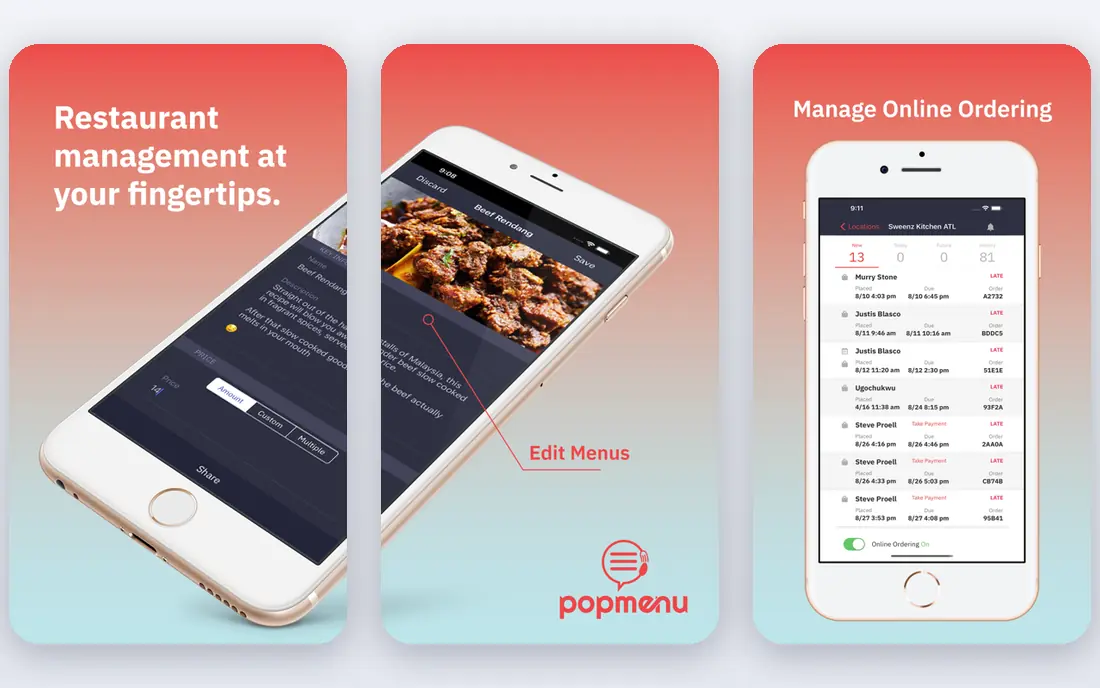
Popmenu targets teams comparing choices in this category. Popmenu is built around the moment a guest finds you online. I would check the plan carefully before signing up.
Where it is weaker: Monthly cost can feel steep for very small venues.
An interactive menu, a branded website, and online ordering work together. So a search or social post can turn into a direct order rather than a marketplace order. That matters for standalone operators, since the guest details and the margin stay closer to the restaurant. Pricing for Popmenu is not stated here, so ask the vendor for current figures. No free plan comes with Popmenu.
- Guest data stays with the restaurant
- Online ordering and dine-in tools
- Some plans need a sales conversation to price plainly
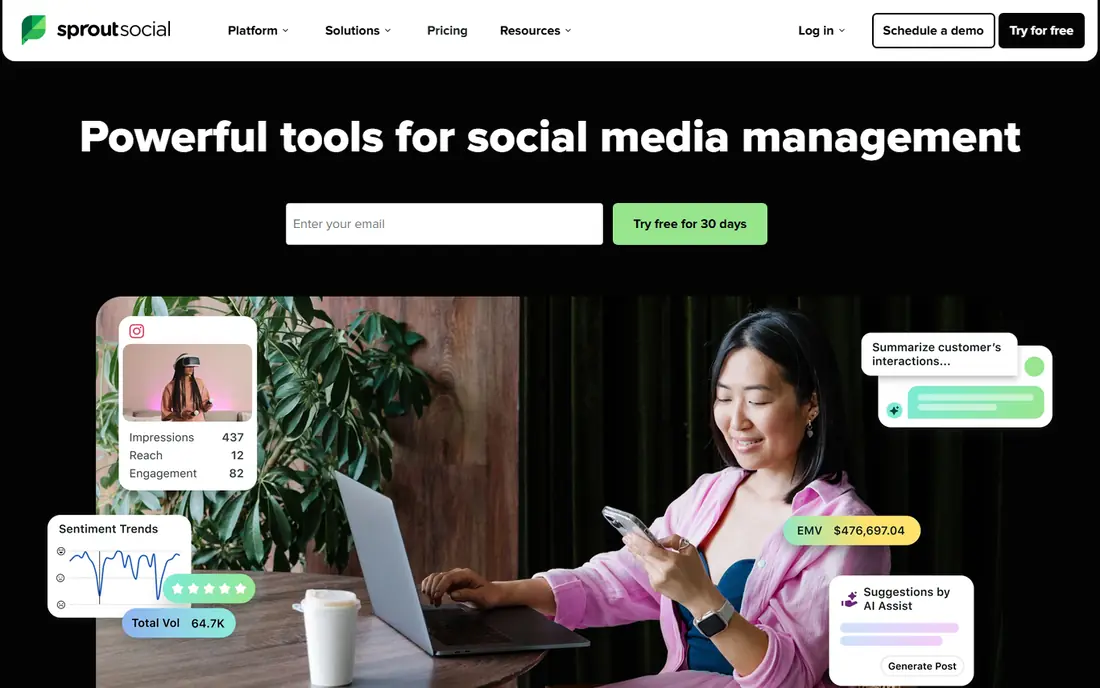
Sprout Social is aimed squarely at restaurant groups managing multiple social accounts. You can plan posts, reply to comments and messages from one inbox, and see which posts actually drive engagement.
Drawbacks to consider: Priced for companies instead of a single small cafe.
For everyday use, otherwise, put that budget into email or direct ordering first. No starting price is listed for Sprout Social here; confirm pricing on the vendor site. Trial and free access: Free trial.
- Clear reports for teams
- Scheduling and publishing across networks
- No restaurant ordering or reservation features

SevenRooms is aimed squarely at full-service restaurants that live on reservations. SevenRooms stood out for guest knowledge.
Marketing automation can then send campaigns based on that data, which feels more personal than a blanket discount sent to an entire list. SevenRooms shows no starting price here, so confirm the cost on the vendor site. No free plan comes with SevenRooms.
Trade-offs to know: Event and group tools cost additional.
- Automatic and segmented campaigns
- No include fees on reservations
- Pricing is custom-quoted
For small restaurants and cafes starting out, Square is a natural candidate. The limit is depth.
Square marketing is practical instead of deep, and bigger full-service restaurants may want richer guest profiles and table management from a specialist tool. From a buyer's view, for a new or small operation, though, that simplicity is a strength, since a tool you actually use beats a feature-rich one that sits idle. Square starts at: Free. Square includes a free tier.
Limits to weigh: Processing fees still apply on sales.
- Free entry plan with payment processing
- Built-in email marketing and loyalty choices
- Advanced marketing features sit on premium plans
OpenTable
Great for: Restaurants wanting discovery from diners searching for a table
OpenTable is designed for restaurants wanting discovery from diners searching for a table. OpenTable is still a marketing tool as much as a booking tool, since diners search it when they have not yet chosen a restaurant. Worth adding: a listing can bring in new guests, and the guest history helps staff recognise returning diners and their occasions.
From a buyer's view, watch the fee model. Network reservations can carry per-cover fees on top of the monthly plan. So a restaurant that already fills tables from its own website may get less value. Check the vendor site for OpenTable pricing; none is listed in this comparison. OpenTable has no free plan.
Trade-offs to know: Pricing relies on plan and volume.
- Email campaigns
- Handy for filling quieter nights
- Per-cover fees can apply on network reservations
Toast targets restaurants already running Toast at the till. Toast makes sense first for restaurants that already use it, since marketing does not start from a blank list. That link between sales and marketing is the primary reason I placed it first.
Honest limits: Pricing is quote-based and can rise with extras.
It also makes results simpler to read than a standalone email tool can handle. Worth adding: if you do not already use Toast, switching the whole till just for marketing would be a large step, and a lighter tool below may be the better first move. As for the details, Toast pricing depends on the plan and modules you choose. So a small cafe should ask for a full quote that comes with marketing, loyalty, and any hardware fees. Toast shows no starting price here, so confirm the cost on the vendor site. Toast has no free plan.
- Solid reporting for multi-location groups
- Marketing tied to real sales data
- Best value comes when you commit to the wider Toast system
Mailchimp is built with email newsletters and straightforward automatic campaigns in mind. A small restaurant can start free, send a weekly menu update or event note, and set up a welcome email for new subscribers. Pair it with your point of sale or reservation list, and keep your list clean by removing people who never open emails.
Downsides: Costs rise as your list grows.
The reporting is clear enough to see which subject lines and provides get a response, which helps you boost without guessing. It is not a restaurant system, so it will not handle tables, reservations, or loyalty on its own. In practice, used that way, it is one of the best value tools here for a regular newsletter habit. What you pay to start with Mailchimp: Free. Free access exists with Mailchimp.
- Capable reporting on opens and clicks
- Free plan for small lists
- Text and social tools are less deep than specialist restaurant tools
What marketing tools for restaurants costs
Start with one question: where do your best guests come from today. If takeout and delivery dominate, prioritise direct ordering. As for the details, if walk-ins and local word of mouth matter most, a straightforward email list and regular social posts may be enough for now.
Worth adding: a tool that suits your routine will beat a bigger system that your team avoids.
Our selection method
Each tool was reviewed on what its vendor publishes: price, plan limits, core features and stated drawbacks. We did not run hands-on tests. Plan names, prices and limits change often. Treat the figures here as a starting point and verify them with the vendor. The order reflects how well each tool fits the most common buying scenario for marketing tools for restaurants, then price clarity, then free plan access. It is a starting point, not a verdict.
Before you commit
- Ask Popmenu, Sprout Social, SevenRooms and others for a written quote, since no starting price is shown.
- Read the fine print on the free plans from Square and Mailchimp; seat, project and feature caps differ.
- Run a trial of Sprout Social with real work before paying for a year; your own workflow is the best test.
- Before choosing Popmenu, weigh its main limit: monthly cost can feel steep for very small venues.
- Verify that exporting from Toast is possible on your plan and covers all your records.
- Find out what support Square includes on your plan, and whether onboarding help costs extra.
Frequently asked questions
Which marketing tool is a good match for a small restaurant?
Start with Popmenu if you need teams comparing choices in this category. Sprout Social is the better match for restaurant groups managing multiple social accounts, and SevenRooms for full-service restaurants that live on reservations. The best choice depends on budget, team size and workflow.
Can I try these tools before paying?
Often, yes. Square and Mailchimp have a free plan and Sprout Social offers a free trial. Use your own data and a real task during the test, and check what the free tier or trial limits before you rely on it.
How are the tools for marketing tools for restaurants ordered?
Popmenu sits first and Mailchimp last because the order follows typical fit for marketing tools for restaurants, then price clarity and free access. It is a judgement call, so read each profile for fit and limits.
Is Popmenu the right pick for everyone comparing marketing tools for restaurants?
No single tool suits every team. Popmenu comes first because it fits teams comparing options in this category, while Sprout Social suits restaurant groups managing several social accounts and SevenRooms suits full-service restaurants that live on reservations. Match the tool to your own size, budget and workflow before deciding.
Which options for marketing tools for restaurants have a free plan?
Square and Mailchimp offer a free plan in this list. Free plans usually cap users, projects or features, so check the limits on the vendor page. One other tool offers a trial instead.
Sources
See where you really rank - block by block
ProMapRanker scans Google Maps across a grid of your service area. Simple monthly plans from $19, white-label on every plan.
Start freeKeep reading
 zoho inventory alternatives
6 Alternatives to Zoho Inventory, Compared on Price and Fit
Zoho Inventory alternatives: 6 tools compared on price, free plans and fit. Katana leads the list for manufacturers. Fit and flaws are laid out for each entry.
Read → zoho crm alternatives
Best Zoho CRM Alternatives (2026)
Need Zoho CRM alternatives? We compare 7 tools on cost, free access and who each suits. Every pick gets a straight assessment. Built for quick decisions.
Read → zelle alternatives
Best Zelle Alternatives in 2026
Compare the best Zelle alternatives for sending money to friends, paying sellers and moving funds abroad, with honest notes on fees, speed and safety in 2026.
Read →