 ProMapRanker
Best Low Income Light Companies No Deposit in 2026


fixed-rate prepaid plans in Texas · Pricing starts at: See website
Key takeaways
- Most no-deposit electricity in the United States sits in deregulated Texas, where prepaid plans replace a deposit with an upfront balance.
- Payless Power, Acacia Energy, and Pogo Energy are the clearest no-deposit, no-credit-check prepaid options we could verify for Texas.
- Starting balances vary, with Acacia advertising about $30, Payless Power $40 to $75, Pogo Energy $60, and Reliant Prepaid Power at least $75.
- Deposit rules and assistance programs vary by state and provider, so a plan that works in Texas may not exist where you live.
- This is general information only, not a promise that any reader will be approved, and prepaid service can stop if the balance runs out.
Quick comparison
| Pick | Great for | Pricing starts at | Free tier | |
|---|---|---|---|---|
| Payless Power | fixed-rate prepaid plans in Texas | See website | No | Visit |
 Acacia Energy | low starting balance and free nights or weekends | See website | No | Visit |
 Pogo Energy | simple pay-as-you-go power with no contract | See website | No | Visit |
 Reliant Prepaid Power | prepaid power from a large Texas provider | See website | No | Visit |
 Direct Energy | a large provider with prepaid options | See website | No | Visit |
 Pulse Power | prepaid plans in deregulated Texas areas | See website | No | Visit |
 4Change Energy | low-cost prepaid options in Texas | See website | No | Visit |
 Cirro Energy | prepaid service with usage alerts | See website | No | Visit |
The best low income light companies no deposit
No-deposit electricity usually means prepaid electricity. You add money before you use power, instead of passing a credit check and paying a deposit, then getting a monthly bill. That model helps many low-income households get connected fast, but it also means you must watch your balance closely.
Payless Power is a useful first check for Texas households that want prepaid power without a deposit. Its prepaid plans let you start with $40 to $75 in many cases, depending on the plan and territory, and same-day service is often possible when you enroll before the cutoff. Daily alerts and automatic top-ups help you see usage before the balance drops too low.
The fixed-rate structure is the main reason we list it first. Many prepaid rivals use variable rates that can move with the market, while Payless Power offers 6-month and 12-month fixed prepaid terms in many areas. Read the Electricity Facts Label for your ZIP code, since the rate at 1,000 kWh and any fees will differ by address.
- Prepaid plans with no deposit or credit check
- Fixed-rate terms of 6 or 12 months
- Daily usage alerts and auto top-ups
- Service is limited to deregulated Texas areas
- Rates vary by address and plan
- Early termination fees can apply on term plans
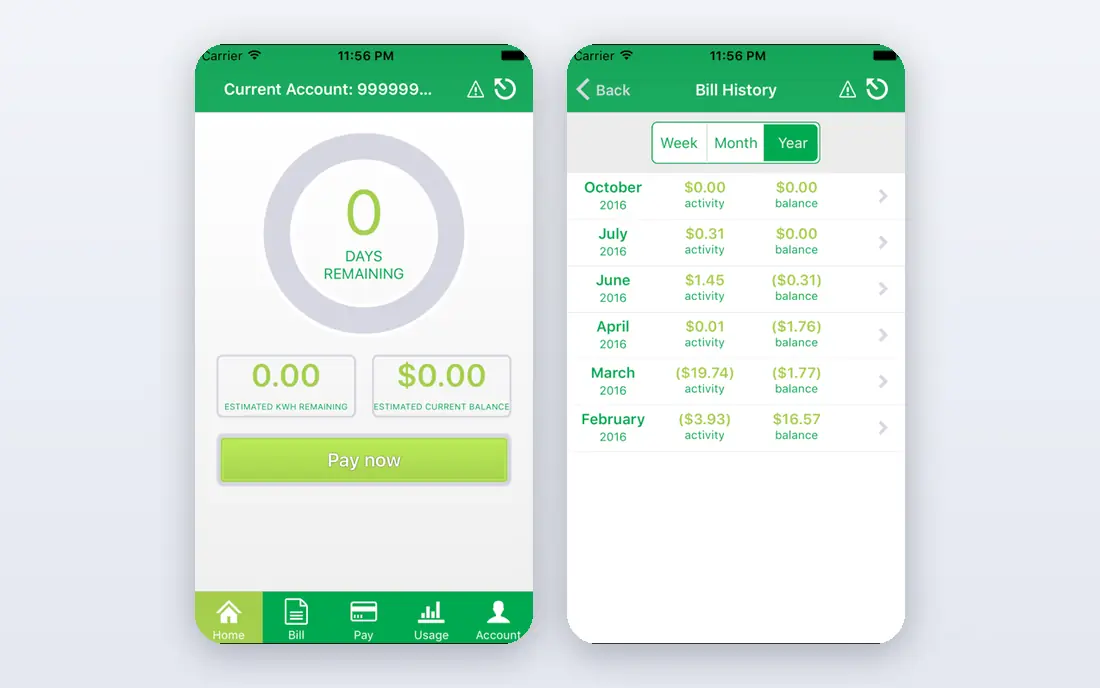
Acacia Energy is a Houston-based provider that focuses on prepaid, no-deposit service for customers with low or no credit history. Its site states that most customers start with about $30, and same-day activation is often possible when a smart meter is present. Text and email alerts track daily usage and balance.
The free nights plan, with no charge for power used from 9 p.m. to 6 a.m., and the free weekends plan suit households that can shift laundry, dishwashing, and cooling to those hours. The catch is that off-peak savings only help if your usage pattern fits. Check the full rate details, since daytime rates still apply outside the free window.
- Prepaid plans with no deposit or credit check
- Most customers start with about $30
- Free nights and free weekends options
- Texas deregulated areas only
- Variable pricing on many plans
- Service needs a smart meter
Pogo Energy keeps the model simple. You pay as you go, with no deposit, no credit check, and no long-term contract, and you can start with as little as $60. Same-day power is offered when you sign up before 6 p.m., which matters when you need lights on quickly after a move.
The simplicity has a cost. Pogo focuses on pay-as-you-go plans, so you do not get the rate stability of a fixed-term prepaid plan. Summer usage can drain a balance faster than expected, so daily alerts and auto-reload are worth setting up on day one. Pogo also describes its supply as renewable power, which may matter to some households.
- No deposit, no credit check, and no long-term contract
- Start with as little as $60
- Same-day power when you sign up before 6 p.m.
- Pay-as-you-go only, with no fixed term option
- Rates can move with the market
- Texas deregulated areas only
Reliant Prepaid Power suits households that prefer a large, well-known provider for prepaid service. The plan requires an initial payment of at least $75, sends alerts when funds are estimated to cover 7 days or less, and asks you to keep the balance above $5 to avoid interruption. There is no long-term contract, so you can switch to another Reliant plan without an early termination fee.
The higher starting payment is the main drawback next to Acacia and Payless Power. Reliant also notes that prepaid service can cost more than a traditional plan in some cases, so compare the rate for your address rather than assuming prepaid is always cheaper. A smart meter at the address is required.
- Prepaid plan with no deposit or credit check
- No long-term contract
- Low-balance alerts by text or email
- Initial payment of at least $75
- Balance must stay above $5 to avoid interruption
- Needs a provisioned smart meter
Direct Energy is worth checking because it is a large provider with both prepaid and postpaid plans in many Texas areas. Some customers qualify for waived deposits or prepaid terms depending on credit history and current offers. That range gives you more than one route to service if a pure prepaid provider does not serve your address.
The catch is uncertainty. Direct Energy does not promise no-deposit approval for every reader, and the terms you get will depend on your address, credit screening, and the plan on offer at the time. Get the Electricity Facts Label and the prepaid disclosure for your exact address before you decide, and compare it with the pure prepaid providers above.
- Large provider with wide Texas coverage
- Prepaid and postpaid options in many areas
- Online account tools
- No-deposit terms depend on credit and promotions
- Prepaid availability varies by address
- Plan details change often
Pulse Power appears in Texas prepaid comparisons as a provider with prepaid structures and occasional deposit-waived offers. For a household comparing several prepaid providers, it is worth adding to the quote list, since rates and fees differ enough by address that the cheapest provider in Houston may not be cheapest in Dallas.
The drawback is transparency. Pulse Power publishes less starting-balance detail than Payless Power, Acacia, and Pogo, so you will need to request a quote for your address to judge it fairly. Treat any quote as address-specific, and check whether the rate is fixed or variable before you enroll.
- Prepaid options in deregulated Texas areas
- Usage alerts
- Online and phone account management
- Rates and terms vary by address
- Less published detail than larger rivals
- Smart meter required
4Change Energy is a Texas retail electric provider that offers prepaid plans alongside other plan types in deregulated areas. It is a useful comparison point when you want to test whether a smaller provider beats the larger prepaid names on rate for your address. Online enrollment keeps the process short.
As with other providers here, the rate you see will depend on your utility territory and usage level. Some plans may carry fees that only show on the Electricity Facts Label, so do not judge on the headline rate alone. Confirm the deposit terms in writing, since prepaid and postpaid terms can differ within the same provider.
- Texas retail electric provider with prepaid plans
- Competitive rates in many areas
- Online enrollment
- Availability depends on your utility territory
- Prepaid terms vary
- Check fees and rate type carefully
Cirro Energy rounds out this list as another Texas provider with prepaid options and usage tracking. For households that already use a Cirro postpaid plan or live in an area where the larger prepaid names are thin, it gives another route to no-deposit service. Usage alerts help you avoid a surprise shutoff.
The same cautions apply. Prepaid availability, rates, and fees vary by address, and a prepaid balance that runs out can interrupt service. Compare the Electricity Facts Label for Cirro with at least two other providers here, and set up alerts and auto-reload if you choose prepaid service.
- Texas provider with prepaid plan options
- Usage tracking tools
- Service across deregulated areas
- Plan availability varies by address
- Rates vary by plan and territory
- Prepaid service needs balance monitoring
How we picked these
We compared provider pages, prepaid plan descriptions, and assistance program pages for providers that openly describe no-deposit or prepaid service. We favored providers with a clear prepaid structure, published starting balances where available, and service in deregulated Texas areas where this model is common. We did not claim hands-on testing. Deposit rules, rates, and assistance programs vary by state and provider, so confirm the Electricity Facts Label for your address before you enroll.
What to check before you choose a no-deposit light company
First, confirm whether you live in a deregulated area. In Texas, you can choose a retail electric provider in deregulated areas, but in regulated areas your local utility is the only option, and its deposit rules will differ. Your ZIP code and service address decide which list applies to you, so start there rather than with a brand name.
Next, read the Electricity Facts Label for every plan you consider. It shows the rate at common usage levels, whether the rate is fixed or variable, the term length, and fees that do not appear in ads. A low starting balance is not the same as a low monthly cost, and a variable prepaid rate can rise in summer when air conditioning use is high.
Finally, look at assistance before you sign. The federal Low Income Home Energy Assistance Program, known as LIHEAP, helps eligible households with energy bills, and many states and local agencies run their own programs. Some assistance agencies do not pay prepaid accounts in the same way they pay postpaid bills, so ask the agency and the provider how assistance would apply to a prepaid account.
If you live outside Texas
These prepaid providers mainly serve deregulated Texas areas, so they may not serve your address at all. Outside Texas, contact your local utility and ask about deposit waivers, budget billing, payment plans, and state assistance programs. A deposit waiver based on payment history, age, or other eligibility rules may give you postpaid service without a deposit.
Keeping prepaid service on
Prepaid service only works if the balance stays positive. Set up low-balance alerts, auto-reload with a card you control, and a backup payment method if possible. Track daily usage in summer, and keep a small buffer above the minimum balance so a hot week does not cut power unexpectedly.
Frequently asked questions
Can I get electricity with no deposit if I have bad credit?
In deregulated Texas, yes, through a prepaid plan from providers like Payless Power, Acacia Energy, or Pogo Energy, which do not run a credit check for prepaid service. Outside Texas, it depends on your local utility and state rules. No provider can promise approval for every reader, so check the terms for your address.
How much money do I need to start prepaid electricity?
It varies by provider. Acacia states most customers start with about $30, Payless Power quotes $40 to $75 in many cases, Pogo Energy starts at $60, and Reliant Prepaid Power requires at least $75. Those are starting balances, not total monthly costs, and rates and fees still apply.
What is LIHEAP and can it help with a prepaid account?
LIHEAP is the federal Low Income Home Energy Assistance Program, run through state and local agencies, and it helps eligible households with heating and cooling costs. Whether it can pay a prepaid account depends on the agency and the provider, so ask both before you rely on it. Eligibility and benefit levels vary by state.
Is prepaid electricity more expensive than a regular plan?
It can be, and Reliant notes that prepaid service can cost more than a traditional plan in some cases. Prepaid rates vary by provider and address, and variable rates can rise. Compare the Electricity Facts Label at your usage level, not just the starting balance, to judge the real cost.
What happens if my prepaid balance runs out?
Service can be interrupted once the balance reaches zero, which is why alerts and auto-reload matter. Providers send low-balance notices by text or email, and many require you to keep the balance above a small threshold, such as $5 for Reliant. Top up early, especially in summer.
Sources
See where you really rank - block by block
ProMapRanker scans Google Maps across a grid of your service area. Simple monthly plans from $19, white-label on every plan.
Start freeKeep reading
 zscaler alternatives
Best Zscaler Alternatives in 2026
Looking for zscaler alternatives? We compare 9 SASE and zero trust platforms on architecture, data protection, pricing, and fit for your network and team.
Read → zapier alternatives free
Best Zapier Alternatives Free in 2026
Nine automation tools for zapier alternatives free in 2026, all with genuinely free tiers, plus free plan limits, starting prices and upgrade paths explained.
Read → which platform is best for online reputation
Which Platform Is Best for Online Reputation in 2026
Wondering which platform is best for online reputation? We compare 8 review, listing, and response tools for small and multi-location businesses and agencies.
Read →