 ProMapRanker
Best Logistics Companies to Work for in 2026

Key takeaways
- This is a guide based on publicly reported factors, not a verified ranking, and pay and benefits vary by role, location, and union contract.
- UPS and FedEx offer the widest range of driving, sorting, warehouse, and corporate roles, with large national networks.
- Amazon Logistics and USPS suit people who value flexible contractor style work or federal job security, respectively, with very different trade-offs.
- Smaller and mid-size carriers such as J.B. Hunt, XPO, C.H. Robinson, and Schneider can offer more focused routes, dedicated accounts, or office based supply chain roles.
- Check the current job posting for the exact location, shift, license requirement, and benefits before you apply, since these details change by site.
Quick comparison
| Pick | Great for | Pricing starts at | Free tier | |
|---|---|---|---|---|
 UPS | Full-time driving and package roles | See website | No | Visit |
 FedEx | Experienced drivers and global operations | See website | No | Visit |
 Amazon Logistics | Flexible delivery work | See website | No | Visit |
 USPS | Federal job security and benefits | See website | No | Visit |
 J.B. Hunt | Intermodal and dedicated trucking | See website | No | Visit |
 XPO Logistics | Less-than-truckload and last-mile work | See website | No | Visit |
 C.H. Robinson | Freight brokerage and office roles | See website | No | Visit |
 Schneider | Truckload driving and digital freight tools | See website | No | Visit |
The best logistics companies to work for
We compared large, well established US logistics employers on the breadth of roles, the kind of work on offer, and the publicly described benefits and career paths.
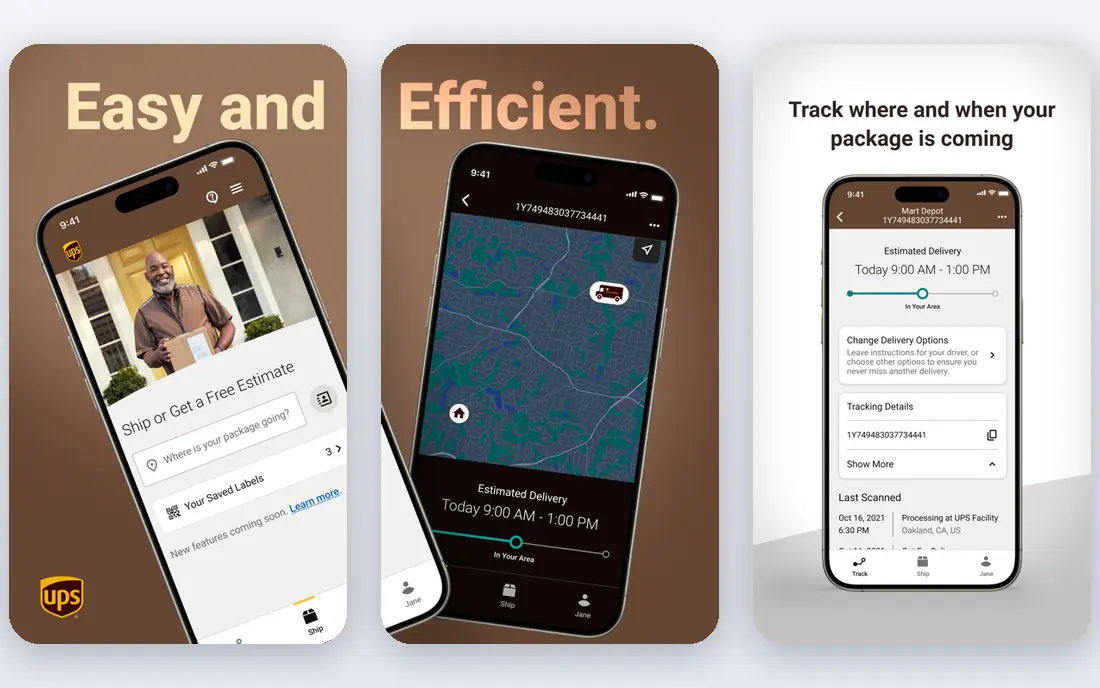
UPS is the largest package delivery employer on this list, with operations in more than 200 countries and territories, and it offers a clear route into driving work for people who start in sorting or warehouse roles. Many drivers value the structured progression, the team based hub work, and the chance to move into feeder driving, management, or specialist logistics roles over time. The company also runs extensive supply chain, freight forwarding, and warehousing operations, so office based applicants can find planning, engineering, and customer roles as well.
The honest catch is the physical side of the job and the variation between sites. Package handling, early starts, peak season pressure, and outdoor work in all weather are part of many frontline roles. Pay, overtime, and benefits are often set by location and, for many drivers, by union agreements, so two UPS jobs with the same title can differ in practice. Read the posting for your hub, ask about the shift pattern at interview, and weigh the long term benefits against the day to day demands.
- Very large national network
- Many driving, warehouse, and corporate roles
- Well known benefits for full-time staff
- Physically demanding work
- Schedules and routes vary a lot by location
- Seniority can affect shift choice
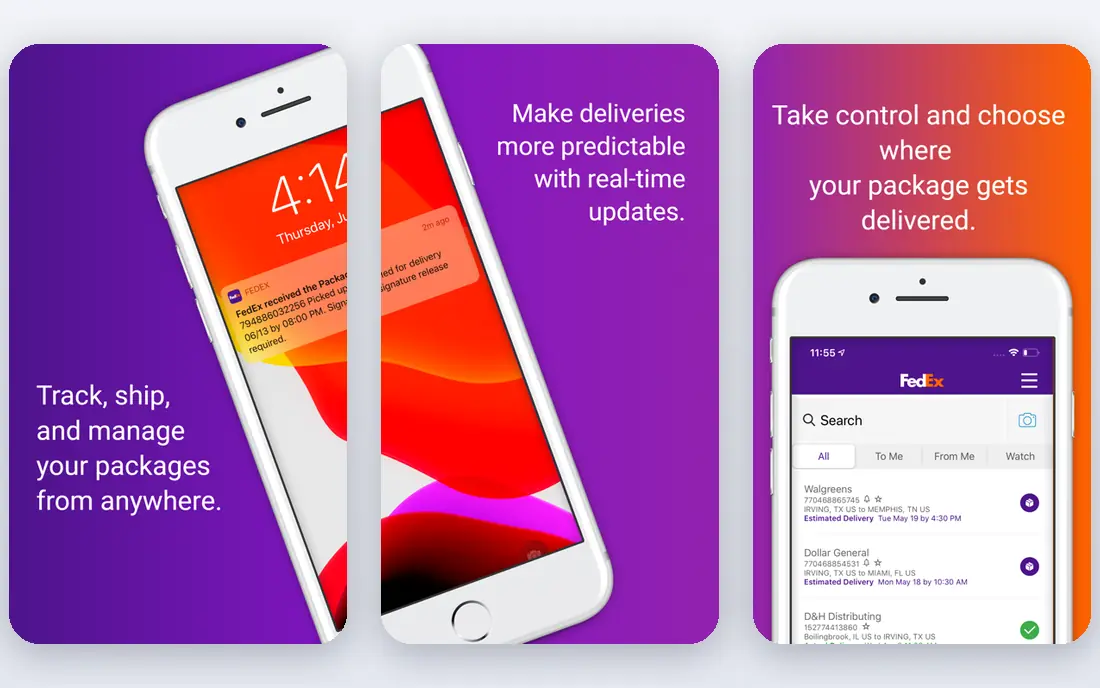
FedEx connects a worldwide portfolio of express shipping, freight, e-commerce, and digital supply chain services, and its scale gives applicants a wide choice of work, from courier and freight driving to customs, operations, and technology roles. Experienced drivers often point to the structured routes, the equipment standards, and the chance to work on time sensitive international freight. For office based applicants, the Memphis headquarters and regional hubs offer planning, sales, and systems roles tied to a genuinely global network.
The main thing to check is which FedEx operating company is hiring, since FedEx Express, FedEx Freight, FedEx Ground operations, and related units can have different hiring terms, schedules, and benefits. A role that sounds similar on paper can feel different in practice depending on the unit and the station. Confirm the employer entity, the driving license class required, and the expected hours in the posting before you commit to an application.
- Large global network
- Express, freight, and ground operations
- Strong health benefits often reported for staff
- Different operating companies can mean different terms
- Shift and route details vary by location
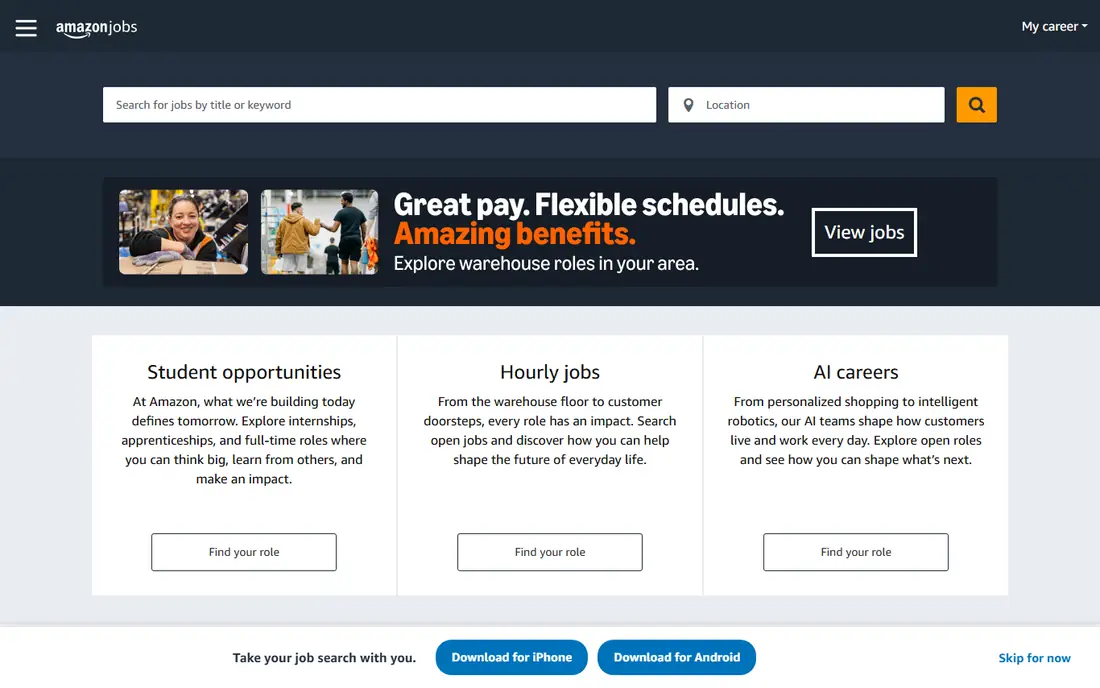
Amazon Logistics covers delivery stations, sort centers, and last-mile delivery across the United States, and it is often the easiest large logistics employer to join at entry level. Delivery service partner roles, Amazon Flex style independent work, and warehouse associate roles give applicants several ways in, with different levels of schedule control. For people who want to start quickly, work near home, or test logistics work before committing to a driving career, that breadth is a real advantage.
The trade-off is that flexibility and employee benefits do not always come together. Independent contractor work offers schedule choice but not the same benefits, protections, or guaranteed hours as an employee role. Even employee warehouse and delivery roles can involve strict productivity expectations and night or weekend shifts. Compare the exact engagement type in the posting, not just the Amazon name, and be clear about what matters more to you: control over your hours, or steady hours with employee benefits.
- Many locations and entry level openings
- Flexible contractor style options
- Fast hiring in many areas
- Fast paced delivery work
- Contractor terms differ from employee terms
- Route pressure can be high
The United States Postal Service is a frequent pick for people who put long term security first. Career mail carriers, clerks, and vehicle operators work within a federal employment system, with structured pay progression and benefits that many private carriers cannot match over a full career. The work is also local by nature: carriers serve the same neighborhoods, build familiarity with customers, and follow set routes rather than long haul schedules.
The catch is the path to career status. Many people start in non-career assistant or part-time roles, and the wait for conversion to a career post can vary by location and staffing need. Outdoor walking routes, early starts, and peak mail volumes are part of the job, and rural routes differ sharply from city routes. If security matters most, ask the hiring office about the specific role type, the conversion outlook at that facility, and the route type before you apply.
- Federal employment structure
- Pension and benefits for career staff
- Routes across the whole country
- Starting roles may be non-career with less security
- Hiring and conversion timelines can be slow
J.B. Hunt, based in Lowell, Arkansas, is one of the largest US trucking and intermodal providers, and it suits drivers who want a defined type of freight work rather than general parcel delivery. Intermodal drivers move containers between rail terminals and customers, while dedicated contract drivers serve a single customer account on regular lanes. That focus can mean more predictable freight, familiar customers, and steadier home time than irregular long haul work, depending on the account.
Office based applicants should look at the brokerage, technology, and supply chain planning roles that sit alongside the driving operation. The honest limit is that trucking remains trucking: hours, weather, loading delays, and customer schedules still shape the week. Dedicated accounts vary, so a good account for one driver can be a poor fit for another. Ask about average home time, the freight mix, and how the account handles detention and delays.
- Strong intermodal network
- Dedicated contract accounts
- Many regional driving options
- Trucking schedules still involve nights and weekends
- Dedicated account terms vary
XPO is a major less-than-truckload carrier with a strong position in last-mile delivery of heavy and bulky goods, such as furniture and appliances. That mix gives applicants two distinct paths: linehaul and pickup and delivery driving, and dock, warehouse, and last-mile delivery work that involves two person teams and in-home placement. For people who prefer freight over parcels, or who want to build skills in handling large goods, XPO offers a clear alternative to the big parcel carriers.
The work is physical, and freight volumes shape hours more directly than in parcel networks. Dock shifts, early morning linehaul runs, and heavy goods handling all demand stamina and care with equipment. Career paths exist into dispatch, operations supervision, and terminal management, but they tend to reward reliability and safety records over time. Check the terminal, the shift, and the freight type in the posting, since a dock role and a last-mile role feel very different day to day.
- Large less-than-truckload network
- Last-mile heavy goods work
- Dock and driver roles
- Dock and delivery work is physical
- Schedules depend on freight volumes
C.H. Robinson, based in Eden Prairie, Minnesota, is one of the largest freight brokerages in North America, and it is the best fit on this list for people who want logistics work without driving. Brokers and account staff match shipper freight with carrier capacity, manage pricing and service problems, and use the company's transportation management platform to track loads. Technology, data, finance, and customer service roles support that core work, and the company serves a wide range of industries.
The trade-off is commercial pressure. Brokerage is a sales and service job as much as a logistics job, with targets, fast problem solving, and market cycles that change freight volumes and rates. People who enjoy customer contact, negotiation, and working to deadlines tend to do well here. People who want set physical routines may prefer a driving or warehouse employer instead. Look for the team and freight type in the posting, since truckload, less-than-truckload, and ocean work involve different customers and rhythms.
- Large freight brokerage platform
- Sales, operations, and technology roles
- No driving license needed for many posts
- Brokerage work is target driven
- Market cycles affect volumes and pressure
Schneider, based in Green Bay, Wisconsin, is a long established truckload, intermodal, and logistics provider with a strong driver focused operation. It offers van truckload, dedicated, regional, and intermodal driving, plus brokerage and supply chain roles for office based applicants. Drivers often cite the equipment, the training for new drivers, and the digital tools for trip planning and communication as practical strengths. New drivers who want structured onboarding may find Schneider a steadier start than a small fleet.
The limit is the same as for any large carrier: the lane and account decide much of the experience. A regional dedicated account with regular home time is a different job from irregular long haul work, even under the same company name. Pay structures, bonuses, and home time vary by division, so compare postings side by side rather than judging the company as a single job. Ask about the division, the average miles or loads, and the home time pattern for that specific role.
- Asset backed truckload and intermodal fleet
- Digital tools for drivers
- Dedicated and regional options
- Long haul roles involve time away from home
- Pay depends on lane and account
How we picked these
We compared publicly available employer information, career pages, industry carrier rankings, and employee facing guides for large US logistics employers, focusing on role breadth, work type, and publicly described benefits and career paths. We did not treat any single review site score as a ranking, and we did not invent pay figures, since pay depends on role, location, license, and contract. We favored employers with national scale and a clear hiring presence in 2026, and we included a mix of parcel, freight, brokerage, and postal work so readers can compare genuinely different kinds of logistics jobs.
What to check before you apply
Match the job type to your life
Driving, warehouse, dock, and office roles in logistics differ more than their shared industry label suggests. A parcel driver, a long haul driver, a dock worker, and a freight broker have different hours, physical demands, and pay structures. Write down your must haves for home time, shift pattern, physical work, and travel, then filter postings against that list before you look at the company name.
Read the posting, not just the brand
Large carriers run several divisions, and terms can change between them. Check the employer entity, the role type (employee or contractor, career or non-career), the license class, the shift, and the location. If any of those details are missing, ask the recruiter in writing before you accept an offer.
Ask about progression and training
Good logistics employers publish clear paths from entry roles into driving, supervision, or specialist work. Ask how long progression usually takes at that site, what training is paid, and what safety and license support is offered. A short answer here tells you a lot about how the site is run.
Weigh benefits against day to day reality
Benefits matter most over years, but shift patterns, route pressure, and physical demands matter every day. Talk to current staff where you can, read recent employee reviews for that location, and treat national averages with care. The best employer for you is the one whose daily work you can sustain, not just the one with the best headline benefits.
Frequently asked questions
What is the best logistics company to work for?
There is no single best employer, since parcel driving, long haul trucking, warehouse work, and freight brokerage are different jobs. UPS and FedEx suit people who want large parcel networks, J.B. Hunt and Schneider suit truckload and dedicated drivers, and C.H. Robinson suits office based brokerage work. Start from the job type you want, then compare employers within that type.
Do logistics companies require a commercial driving license?
Many driving roles require a commercial driving license, often Class A for tractor trailer work and Class B or a standard license for smaller delivery vehicles, depending on the role. Warehouse, dock, sorting, and office roles usually do not require one. Some large carriers offer paid training or license support for new drivers, so check the posting for that detail.
Is Amazon Logistics work the same as working for Amazon directly?
Not always. Amazon Logistics includes employee roles in delivery stations and warehouses, delivery service partner roles run by independent partner companies, and independent contractor delivery work. Benefits, hours, and protections differ between those types, so confirm the engagement type in the posting before you apply.
How long does it take to become a career USPS employee?
It varies by facility, role, and staffing need, and many people start in non-career roles before converting to career status. The hiring office for your location can give the most accurate current picture. Ask about the role type and the conversion outlook at that facility during the application process.
Are logistics jobs good for people without a degree?
Yes, many frontline logistics roles do not require a degree, and driving, warehouse, and dock work often value licenses, safety records, and reliability more than formal education. Office roles in brokerage, planning, and technology may ask for a degree or equivalent experience. Progression into supervision and management is common from frontline roles in large carriers.
Sources
See where you really rank - block by block
ProMapRanker scans Google Maps across a grid of your service area. Simple monthly plans from $19, white-label on every plan.
Start freeKeep reading
 zoro.to alternatives
Best Zoro.to Alternatives in 2026
We compare the best zoro.to alternatives in 2026, listing only legal licensed anime streaming services, from Crunchyroll to free options for fans today.
Read → zip alternatives
Best Zip Alternatives in 2026
We compare the best zip alternatives for buy now, pay later in 2026, covering pay-in-4 plans, fees, spending limits, and credit reporting options today.
Read → yesware alternatives
Best Yesware Alternatives in 2026
Compare the best yesware alternatives for sales email tracking, templates, and sequences, with current pricing and honest tradeoffs for small sales teams.
Read →