 ProMapRanker
Best Life Sciences Technology Platforms in 2026

Key takeaways
- Veeva Vault suits large life sciences teams that need clinical, regulatory, and quality work on one connected platform.
- Benchling suits discovery and early development teams that need notebooks, molecular biology, and sample tracking in one research system.
- Medidata Rave remains a widely used choice for electronic data capture in clinical trials, especially where sites already know the system.
- Lab systems such as LabVantage and STARLIMS suit regulated labs, while Castor and Viedoc suit smaller or virtual trial teams.
- Software alone does not make an organisation compliant, so validation, training, and documented procedures matter as much as the vendor you pick.
Quick comparison
| Pick | Great for | Pricing starts at | Free tier | |
|---|---|---|---|---|
 Veeva Vault | Enterprise life sciences suite | See website | No | Visit |
 Benchling | Biotech research and development | See website | Yes | Visit |
 Medidata Rave | Clinical trial data capture | See website | No | Visit |
 Oracle Clinical One | Enterprise clinical operations | See website | No | Visit |
 LabVantage | Regulated laboratory management | See website | No | Visit |
 STARLIMS | Enterprise LIMS | See website | No | Visit |
 Sapio Sciences | Integrated lab informatics | See website | No | Visit |
 Castor | Smaller trial teams | See website | Yes | Visit |
 Viedoc | Virtual and mid size trials | See website | No | Visit |
The best life sciences technology platforms
Life sciences technology covers a wide span, from bench research and lab samples to clinical trials, quality, and regulatory submissions. No single platform covers every stage well, so this guide groups picks by the job they do best. All products below are live in October 2026. This article gives general information only, not medical advice, and buyers should confirm compliance claims with their own quality and regulatory teams.
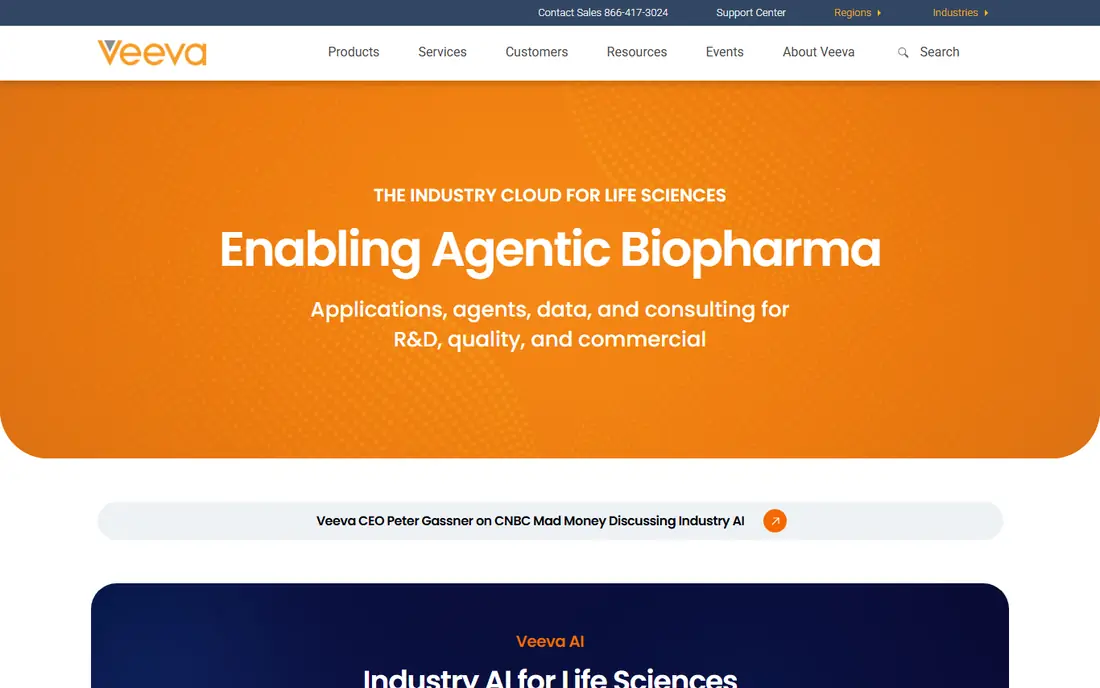
Veeva Vault is a cloud platform built for life sciences, with applications for clinical operations, data management, regulatory documents, quality, and safety sharing a common content and data model. That shared model is the main draw for large sponsors, since a document or record does not need to be copied between disconnected systems at each handoff. Trial master files, study documents, and quality records can stay linked as a programme moves forward.
The cost and effort are enterprise scale. Pricing is quote based, and configuration, validation, and migration need planning, especially for teams moving from paper or older systems. Smaller teams may find the platform more than they need. For a global sponsor or a growing biotech planning a large portfolio, Veeva offers breadth that point tools cannot match in one purchase.
- Connected clinical, regulatory, quality, and safety applications
- Strong audit trails
- Widely used by pharma teams
- Quote based enterprise pricing
- Implementation and configuration need time and skilled staff
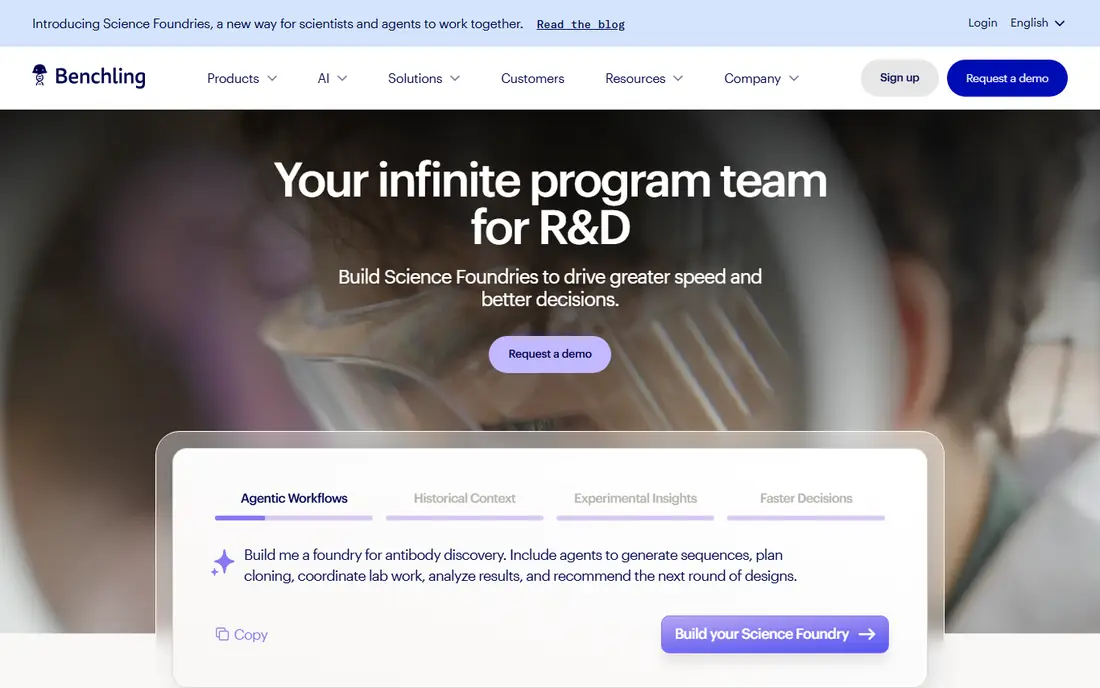
Benchling gives research teams a single place for experiments, sequences, plasmids, and samples, replacing scattered notebooks, spreadsheets, and shared drives. Scientists can link a result back to the sample, protocol, and sequence that produced it, which helps reproducibility and handover when team members change. The interface feels built for bench work rather than adapted from a generic document system.
Benchling is strongest in discovery and early development. It does not replace a clinical trial system or a full quality management system for commercial manufacturing, so later stage teams will still need those platforms. Pricing for academic and small teams differs from enterprise terms, so check the current plan that matches your team size. For biotech R and D, it is a clear shortlist pick.
- Electronic notebook, molecular biology, and sample tracking in one system
- Modern interface
- Strong for discovery teams
- Less suited to late stage clinical operations
- Enterprise pricing and advanced modules need a sales conversation
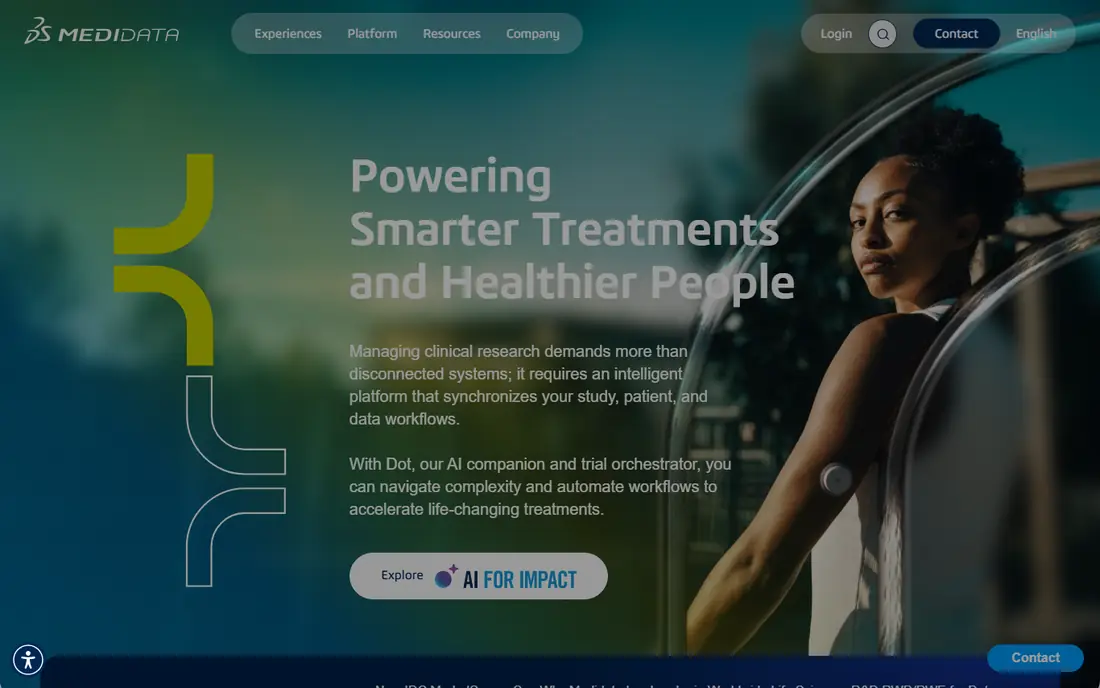
Medidata Rave is the electronic data capture system many sponsors and contract research organisations use for clinical trials. Sites enter visit data, labs, and adverse events in a structured system, and sponsors can add connected modules for patient reported outcomes, consent, randomisation, and imaging. Because many coordinators have already worked in Rave, training time can be lower than with a less familiar system.
Cost is the main drawback, and smaller sponsors should compare total study cost, including build, mid study changes, and support, rather than licence cost alone. Rave also rewards teams that standardise study design, since custom builds take longer. For sponsors running complex or global trials where site familiarity matters, Rave remains a strong default.
- Widely used electronic data capture
- Connected eCOA, eConsent, and trial supply modules
- Experienced site familiarity
- Quote based pricing
- Reviewers often describe it as costly for smaller sponsors
Oracle Clinical One brings together clinical trial capabilities that large sponsors often buy separately, including data capture, randomisation and trial supply management, and related operations tools. Teams already running Oracle systems for safety, finance, or enterprise software may value a single vendor relationship and shared support model. Global deployment and validation documentation suit sponsors with trials in many countries.
The platform is not a light purchase. Implementation, configuration, and change control need experienced staff, and smaller teams may find a modular competitor faster to start. Buyers should ask for a clear scope for study build, integrations, and ongoing support, since those services shape the real cost. For large enterprise clinical programmes, Oracle is a credible alternative to Medidata and Veeva.
- Broad clinical platform from a large enterprise vendor
- Randomisation, supply, and data capture options
- Global support
- Enterprise implementation effort
- Pricing is quote based and needs a direct conversation
LabVantage is a laboratory information management system that tracks samples from receipt through testing, review, and reporting. It supports instrument connections, batch management, stability studies, and audit trails that regulated labs need for inspections. Labs in pharma, biotech, food, and environmental testing use it to replace spreadsheets and paper records that become hard to audit at scale.
Complexity is the trade off. A lab with simple workflows may not need the full configuration options, and set up takes time when instruments, methods, and approval chains must be mapped carefully. Smaller labs should compare a lighter LIMS before committing. For a regulated lab with high sample volume and strict traceability needs, LabVantage offers depth that general tools lack.
- Full laboratory information management with sample, batch, and instrument workflows
- Strong for regulated labs
- Configuration can be complex
- Quote based pricing suits larger labs better than small teams
STARLIMS, now part of Abbott Informatics, is a long running laboratory information management system used in pharma, public health, and other regulated settings. It covers sample management, testing, quality control, and reporting, with audit trails and role based access that support inspection readiness. Labs that need a proven system with a long support history often shortlist it beside LabVantage.
Some users describe the interface as functional rather than modern, and configuration still needs skilled staff. That matters for labs that want frequent workflow changes without vendor help. Buyers should test sample intake, result entry, and reporting on their own workflows during a demo. For enterprise labs that value stability and regulatory experience, STARLIMS remains a solid choice.
- Long established LIMS with quality and lab workflows
- Web based access
- Strong for public health and pharma labs
- Interface and configuration can feel dated to some users
- Implementation needs planning and vendor support
Sapio Sciences offers an integrated lab informatics platform that combines laboratory information management, electronic lab notebooks, and sample management in one system. Research and quality labs that currently split those functions across tools can benefit from linked records, since a sample, an experiment, and a result stay connected. Configurable workflows let labs adapt the system to their own methods without rebuilding from scratch.
The vendor is smaller than the largest LIMS providers, so buyers should check support coverage, roadmap, and reference customers in their own sector. That check matters for labs planning a long term system of record. For teams that want notebook and LIMS together rather than two separate purchases, Sapio is worth a detailed demo.
- Combines LIMS, electronic notebook, and sample management
- Configurable workflows
- Cloud based delivery
- Smaller vendor footprint than LabVantage or STARLIMS
- Pricing needs a sales conversation
Castor suits biotech, device, and academic teams that need a modern trial platform without an enterprise implementation project. Its electronic data capture system supports decentralised and hybrid designs, with patient reported outcomes, electronic consent, and related modules available as studies grow. Study build is designed to be faster than legacy enterprise systems, which helps teams with tight timelines.
Very large sponsors with complex global protocols may still prefer Medidata, Veeva, or Oracle for scale and connected operations depth. Castor also needs a careful check on pricing as study size and module use grow, since free and entry tiers have limits. For a small or mid size trial team, Castor offers a practical balance of speed, usability, and trial capability.
- Electronic data capture with ePRO, eCOA, and eConsent options
- Faster study build for smaller teams
- Free tier for small studies
- Less suited to very large, complex global programmes
- Advanced enterprise features sit on paid tiers
Viedoc provides a modular eClinical platform covering electronic data capture, patient reported outcomes, randomisation and trial supply, televisits, and trial master file functions. No code study design appeals to virtual biotech companies and mid size sponsors that lack a large programming team. Studies can start with core capture and add modules as needs grow, rather than buying a full enterprise suite at the start.
Site familiarity is a point to test, since coordinators who know Rave may need training on a new interface. Buyers should also compare study based licensing against per user or enterprise terms, since total cost depends on study count and duration. For lean teams that want a complete but modular trial platform, Viedoc is a strong contender.
- Modular eClinical suite with no code study design
- EPRO, randomisation, and eTMF options
- Used across many global studies
- Less familiar to some sites than Rave
- Pricing is quote based and study based, so compare total study cost
How we picked these
We compared official feature pages, pricing pages, documentation, and public reviews for life sciences platforms, and we kept only products that are live in October 2026. We covered research, lab, and clinical stages rather than one slice, and we favoured platforms with clear regulatory features such as audit trails, role based access, and validation support. We did not claim hands-on testing, and we used See website for pricing where vendors publish quote based terms. This article gives general information only, not medical advice.
How to choose a life sciences platform without buying the wrong stage
Start with the stage you are actually in. A discovery team needs notebooks, sequences, and samples, while a clinical team needs data capture, consent, and trial operations, and a regulated lab needs sample traceability and instrument links. Buying a clinical suite for bench research, or a notebook for a global trial, wastes money and creates workarounds that auditors will question later.
Confirm compliance support, not just compliance claims
Ask vendors how audit trails, electronic signatures, access controls, data retention, and system validation are handled, and ask for documentation you can show an inspector. Remember that software alone does not make an organisation compliant with HIPAA, Good Clinical Practice, Good Laboratory Practice, or Good Manufacturing Practice rules. Your procedures, training records, validation work, and data governance decide compliance, and the software must support those processes rather than replace them.
Test with your own workflow
Run a demo with a real protocol, a real sample flow, or a real study build, not a vendor sample alone. Check how mid study changes, protocol amendments, and user role changes are handled, since those events cause the most pain in live use. Also check data export, because a platform that locks study or lab data behind a costly export creates risk at contract renewal.
Plan validation and migration early
Budget time for validation, staff training, and data migration, and confirm who owns each task. A platform switch during an active trial or a regulated lab programme needs a careful cutover plan, with parallel running or staged migration where possible. Ask for reference customers at a similar size and stage, and speak to them about support response and upgrade impact before signing.
Frequently asked questions
What is the best life sciences technology platform?
It depends on stage. Veeva Vault suits enterprise wide programmes, Benchling suits research, Medidata Rave suits clinical data capture, and LabVantage or STARLIMS suit regulated labs. Pick by workflow first, then check integrations and validation support.
Does buying a compliant platform make our organisation compliant?
No. Software can support audit trails, access controls, and electronic signatures, but compliance also needs validated procedures, trained staff, and documented controls. Confirm HIPAA, Good Clinical Practice, Good Laboratory Practice, or Good Manufacturing Practice requirements with your own quality and legal teams.
Is Benchling enough for a clinical trial?
No, not on its own. Benchling is built for research and development, while clinical trials need electronic data capture, consent, randomisation, safety, and trial operations systems such as Medidata Rave, Veeva, Oracle Clinical One, Castor, or Viedoc.
What is the difference between a LIMS and an electronic lab notebook?
A LIMS tracks samples, tests, results, and lab workflows, while an electronic notebook records experiments, methods, and observations. Some platforms, such as Sapio Sciences and Benchling, combine both, while others focus on one side.
Should a small biotech start with a free or entry tier?
A free or entry tier can work for early research or a small study, especially with Benchling or Castor. Check user, study, and storage limits, plus data export terms, before building critical records on a tier you may outgrow quickly.
Sources
See where you really rank - block by block
ProMapRanker scans Google Maps across a grid of your service area. Simple monthly plans from $19, white-label on every plan.
Start freeKeep reading
 worlds best local seo company
8 Worlds Best Local SEO Companies for Map Pack Growth in 2026
Compare the worlds best local seo company options for Google Business Profile work, citations, reviews, and multi-location rankings and reporting in 2026.
Read → world's best web hosting company
World's Best Web Hosting Company in 2026
Searching for the world's best web hosting company? We compared 10 hosts on price, renewal rates, speed, and support to help you choose well today in 2026.
Read → who's got the best nanny tax services
Who's Got the Best Nanny Tax Services in 2026
We answer who's got the best nanny tax services, comparing full filing, back taxes, software, and pricing so families can handle nanny taxes correctly.
Read →