 ProMapRanker
Best Learn to Read Apps for Kids in 2026

Key takeaways
- Khan Academy Kids and Duolingo ABC are the best free starting points, with no subscription needed for core early reading practice.
- Reading Eggs and Hooked on Phonics offer the most structured phonics paths for children who need a clear lesson sequence.
- ABCmouse and HOMER suit families who want reading inside a broader early learning program, not reading alone.
- Parents should check privacy settings, ad policies, and screen-time controls before any app, and sit with younger children during early lessons.
Quick comparison
| Pick | Great for | Pricing starts at | Free tier | |
|---|---|---|---|---|
 Khan Academy Kids | Free early learning | Free | Yes | Visit |
 Duolingo ABC | Free short phonics lessons | Free | Yes | Visit |
 Reading Eggs | Structured phonics and books | See website | No | Visit |
 ABCmouse | Broad early curriculum | $14.99 per month | No | Visit |
 Hooked on Phonics | Step-by-step phonics | $14.99 per month | No | Visit |
 Teach Your Monster to Read | Game-based phonics | See website | Yes | Visit |
 Starfall Learn to Read | Early words and sounds | See website | Yes | Visit |
 HOMER | Personalized reading path | See website | No | Visit |
 Epic | Digital book library | See website | No | Visit |
The best learn to read apps for kids
A good reading app teaches letter sounds, blending, and real reading practice, not just alphabet songs. We compared official app pages, age guidance, and pricing for each app below, and we focused on phonics structure, parent controls, and whether the app fits a child who is just starting or one who is already reading simple books. A short note on privacy: these apps are for children, so parents should review each app privacy policy, turn off chat or social features where available, use a parent account, and avoid sharing a child full name, photo, or school in any profile.
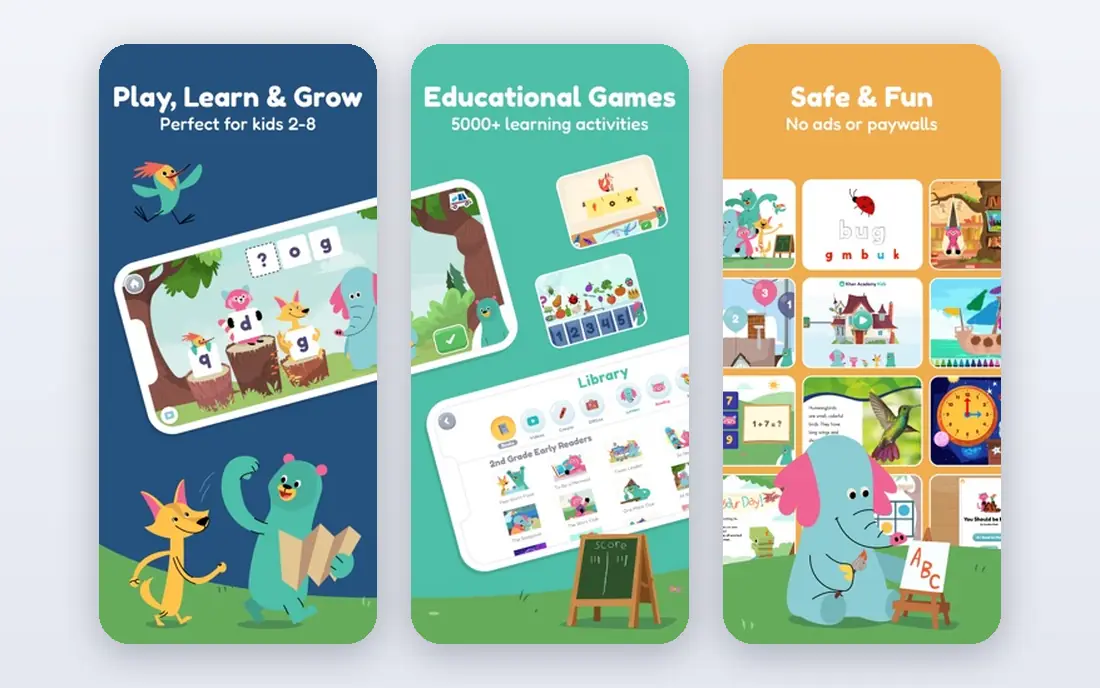
Khan Academy Kids is our pick for most families starting out, mainly because it costs nothing and covers the basics well. Children practice letter names and sounds, listen to stories, and play short activities that build vocabulary alongside early decoding. The app is designed for preschool through early elementary ages, and parents can set up profiles for more than one child.
The limit is focus. This is a general early learning app, not a reading-only curriculum, so a child who needs a strict phonics sequence may outgrow it faster than Reading Eggs or Hooked on Phonics. For a free first step, though, it is hard to beat, and it pairs well with printed books at home.
- Completely free with no subscription
- Covers letters, sounds, and stories
- No ads in the core app experience described by the vendor
- Broader than reading alone, so phonics depth is less than a dedicated reading program
- Progress tools are simpler
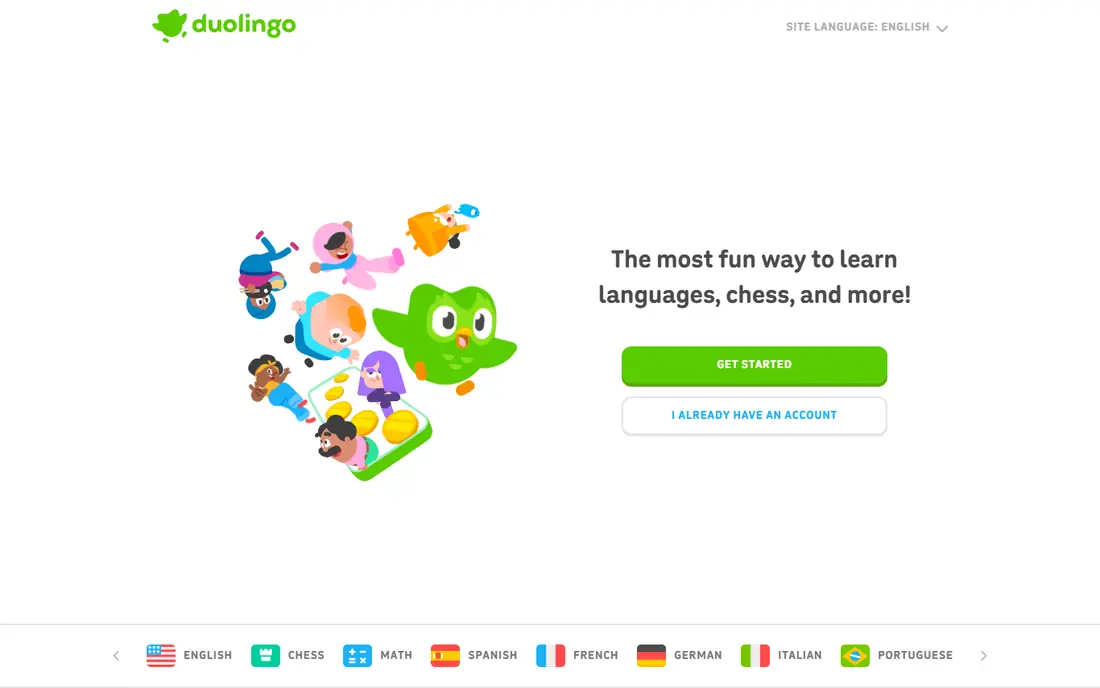
Duolingo ABC takes the short-lesson style Duolingo is known for and applies it to early reading. Lessons focus on letter sounds, tracing, and sounding out simple words, with game-style rewards that keep young children moving forward. Sessions are short, which helps parents fit practice into a morning routine without a long sit-down lesson.
The trade-off is ceiling. Once a child can read simple sentences confidently, Duolingo ABC offers less room to grow than a structured program with leveled books. Use it as a free, low-pressure starter, then move to a deeper program when the child is ready for longer stories and spelling work.
- Free
- Short lessons that suit young attention spans
- Letter sounds, tracing, and early words in one flow
- Limited depth for older early readers
- No full book library like a paid reading program

Reading Eggs is one of the most complete reading programs on this list. Children work through phonics lessons in order, practice sight words, and read books matched to their level, with a companion spelling program in many plans. Parents get progress views that show which lessons are done and where a child is struggling, which makes it easier to help at the right point.
The cost is the main question. Reading Eggs is a paid subscription, so families should check the current monthly or annual price and trial terms before committing. The program also uses game rewards heavily, which motivates many children but can distract others. Used with a time limit and real books alongside, it is a strong structured choice.
- Clear phonics lesson sequence
- Leveled books and spelling practice
- Progress reports for parents
- Subscription cost adds up over a year
- Screen-based rewards need parent limits for some children
ABCmouse suits families who want one app for several subjects, not just reading. Its learning path moves children through letters, sounds, stories, and early reading activities alongside math, art, and science. That breadth helps younger children who are still building general school readiness, and it keeps one subscription instead of several.
The catch is depth. A child who needs focused phonics help may get more from Reading Eggs or Hooked on Phonics, where every lesson is about reading. ABCmouse also carries a monthly subscription, so parents should check trial and cancellation terms. For a broad early learning home, it is a good all-rounder.
- Large library across reading, math, and science
- Structured learning path
- Works on phones, tablets, and web
- Reading is one subject among many
- Monthly price is higher than reading-only apps
Hooked on Phonics has taught reading for decades, and its app keeps that step-by-step approach. Lessons build from letter sounds to blending to reading short books, with practice that repeats sounds until they stick. Some plans pair the app with printed books and workbooks, which helps children move from screen reading to paper reading.
The price and the physical extras need a close look. The app subscription is paid monthly on many listings, and book bundles change the total cost. Families who prefer a pure app experience may prefer Reading Eggs, while families who like a mix of screen and paper will like this blend.
- Sequential phonics lessons
- App lessons paired with books and workbooks in some plans
- Clear progression for parents
- Monthly cost
- Some plans include physical materials that add to the total price
Teach Your Monster to Read turns phonics into a game where children create a monster and help it through reading challenges. The game structure hides repetition well, which helps children who resist drill-style lessons. It covers letter sounds, blending, and early reading in a sequence that parents can follow.
The main detail to check is platform pricing. The desktop web version is listed as free in many guides, while mobile store terms can differ, so check the store listing for your device before you promise a child a free app. For a motivating, game-first phonics practice tool, it is one of the best options available.
- Free on desktop web in vendor listings
- Game world that motivates reluctant readers
- Phonics-based progression
- Mobile terms vary by store
- Game style may not suit children who prefer quiet lessons
Starfall Learn to Read is a calm, simple option for children just learning to sound out words. It focuses on letter sounds, short words, and vowel patterns, with a pace that suits children who get overwhelmed by busy game apps. The standalone app is free in many listings, with a broader paid membership available on the Starfall site for more content.
The limit is scope. Starfall is excellent for early sounds and first words, but it does not offer the same long lesson sequence or book library as Reading Eggs. Use it as a gentle starter or as extra practice alongside a main program, rather than as the only reading curriculum for a child who is ready for longer books.
- Free standalone reading app in many listings
- Gentle pace for beginners
- Vowel patterns and early words
- Less structured than a full curriculum
- Design feels simpler than newer apps
HOMER builds a personalized learning path after parents answer questions about a child age, interests, and current skills. That path mixes reading activities with stories and early learning games, which can keep a child engaged longer than a fixed lesson list. Parents can track progress and adjust the path as the child grows.
The trade-off is that personalization is not the same as a strict phonics curriculum. Some children will get plenty of reading practice, while others will spend more time on general activities. HOMER is a good choice for families who want a tailored, broad program and are willing to check that reading practice stays frequent.
- Adaptive path based on child age and interests
- Reading plus early math and creativity
- Parent dashboard
- Subscription cost
- Reading depth varies by child path and age band
Epic is best understood as a library, not a teacher. Children can browse thousands of books, read at their level, and listen to read-to-me titles, which builds reading mileage and love of stories. That volume matters: children who read often, even with audio support, build vocabulary and fluency faster than children who only do drills.
The catch is that Epic does not teach phonics in sequence. A child who cannot yet decode words will still need a phonics app or teacher guidance alongside it. Pair Epic with Reading Eggs, Hooked on Phonics, or a free starter, and it becomes a strong second app for daily reading time.
- Large digital library for young readers
- Read-to-me and audiobook options
- School use in many classrooms
- A library is not a phonics curriculum
- Subscription needed for full home access
How we picked these
We compared official app pages, age guidance, and pricing for each app, and we favored apps with a clear phonics or early reading focus, a current store listing, and parent controls. We excluded apps that were only general games or only book libraries without reading instruction, except Epic, which we included as a library companion with that limit stated plainly. We checked children privacy notes in vendor policies and parent settings where available, and we recommend parents review those settings before first use.
What to check before you choose
Match the app to the child current stage. A preschooler needs letter sounds and blending, while a first grader needs leveled books and spelling practice. Check age range, ad policy, and whether the app allows in-app purchases or chat, and turn on any parent lock. Keep sessions short, read printed books together, and treat the app as practice, not a replacement for a teacher or parent reading time.
Frequently asked questions
What is the best app for kids to learn to read?
Reading Eggs and Hooked on Phonics are the strongest structured choices, while Khan Academy Kids is the best free starter. The best pick depends on age, current reading level, and whether you want a reading-only program or a broader curriculum.
What is the best learn to read app for kids that is free?
Khan Academy Kids and Duolingo ABC are the best free options, with Starfall Learn to Read also offering free early reading content. Free apps cover letter sounds and early words well, but paid programs usually offer deeper lesson sequences and leveled books.
What is the best app for kids to learn to read at age 4?
Khan Academy Kids, Duolingo ABC, and ABCmouse suit many 4-year-olds, because they focus on letter sounds, stories, and short activities. Keep sessions short, sit with the child, and add printed picture books for shared reading time.
Are reading apps safe for children data?
Reputable kids apps should limit data collection, avoid targeted ads for children, and offer parent controls, but policies vary. Parents should read the privacy policy, use a parent account, avoid adding a child photo or full name, and check settings for chat, purchases, and third-party links before first use.
Can a reading app replace school reading lessons?
No. Apps are useful practice, but they do not replace a teacher who can hear a child read, correct mistakes, and adjust instruction. If a child is struggling, talk to a teacher or reading specialist, and use the app as extra practice at home.
Sources
See where you really rank - block by block
ProMapRanker scans Google Maps across a grid of your service area. Simple monthly plans from $19, white-label on every plan.
Start freeKeep reading
 zscaler alternatives
Best Zscaler Alternatives in 2026
Looking for zscaler alternatives? We compare 9 SASE and zero trust platforms on architecture, data protection, pricing, and fit for your network and team.
Read → zapier alternatives free
Best Zapier Alternatives Free in 2026
Nine automation tools for zapier alternatives free in 2026, all with genuinely free tiers, plus free plan limits, starting prices and upgrade paths explained.
Read → which platform is best for online reputation
Which Platform Is Best for Online Reputation in 2026
Wondering which platform is best for online reputation? We compare 8 review, listing, and response tools for small and multi-location businesses and agencies.
Read →