 ProMapRanker
Best Keyword Search Tool in 2026

Key takeaways
- Ahrefs and Semrush remain the professional standards, but both cost over $100 per month on their main plans.
- Google Keyword Planner is the best free starting point, because its volume data comes from Google itself.
- Mangools and Ubersuggest suit small sites that need keyword ideas without a full SEO suite.
- Free tiers help you test a tool, but serious tracking and competitor work almost always need a paid plan.
Quick comparison
| Pick | Great for | Pricing starts at | Free tier | |
|---|---|---|---|---|
 Ahrefs | Deepest keyword and backlink research | See website | Yes | Visit |
 Semrush | All-in-one SEO, content, and PPC research | See website | Yes | Visit |
 Moz Pro | Beginner-friendly SEO with Domain Authority | See website | No | Visit |
 SE Ranking | All-in-one research for agencies | See website | No | Visit |
 Mangools | Simple keyword research for small sites | See website | No | Visit |
 Ubersuggest | Low-cost keyword ideas for solo owners | See website | Yes | Visit |
 SpyFu | Competitor keyword and PPC history | See website | Yes | Visit |
 Google Keyword Planner | Free volume data from Google | Free | Yes | Visit |
The best keyword search tools overall
The best keyword search tools start with Ahrefs for depth, Semrush for breadth, and Google Keyword Planner for a free first check.
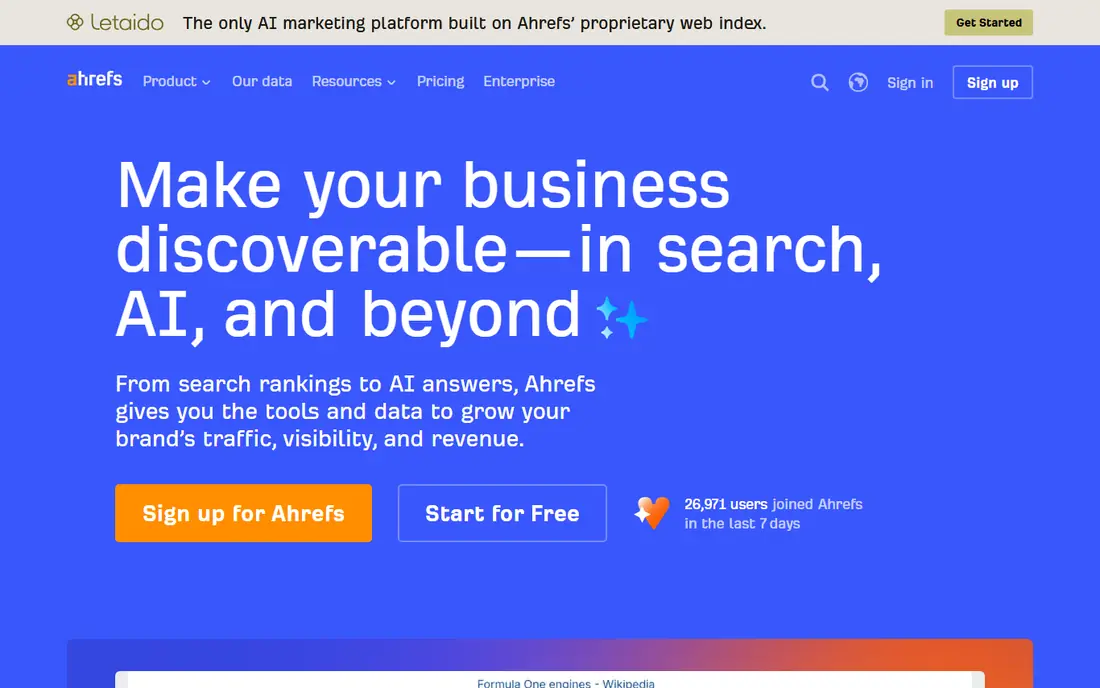
Ahrefs is the tool most SEO professionals open first when keyword depth matters. Keywords Explorer offers volume estimates, difficulty scores, parent topics, and competitor keyword lists, backed by a large backlink index.
The weakness is price and complexity. Lower plans carry limits, and the full suite can feel large for a single small site. It suits agencies, serious publishers, and sites where competitor research is a weekly task.
Ahrefs pricing is listed on its site, with a Starter plan at the low end and Lite and Standard plans above it, plus free Webmaster Tools for verified sites. For most readers in this group, Ahrefs is worth a trial before you commit to a paid plan or a long program, because fit shows up faster in use than in a feature list.
- Very large keyword database
- Trusted difficulty scores
- Free Webmaster Tools for your own sites
- Main plans are costly
- Rank tracking updates are limited on lower plans
- Learning curve is steep for beginners
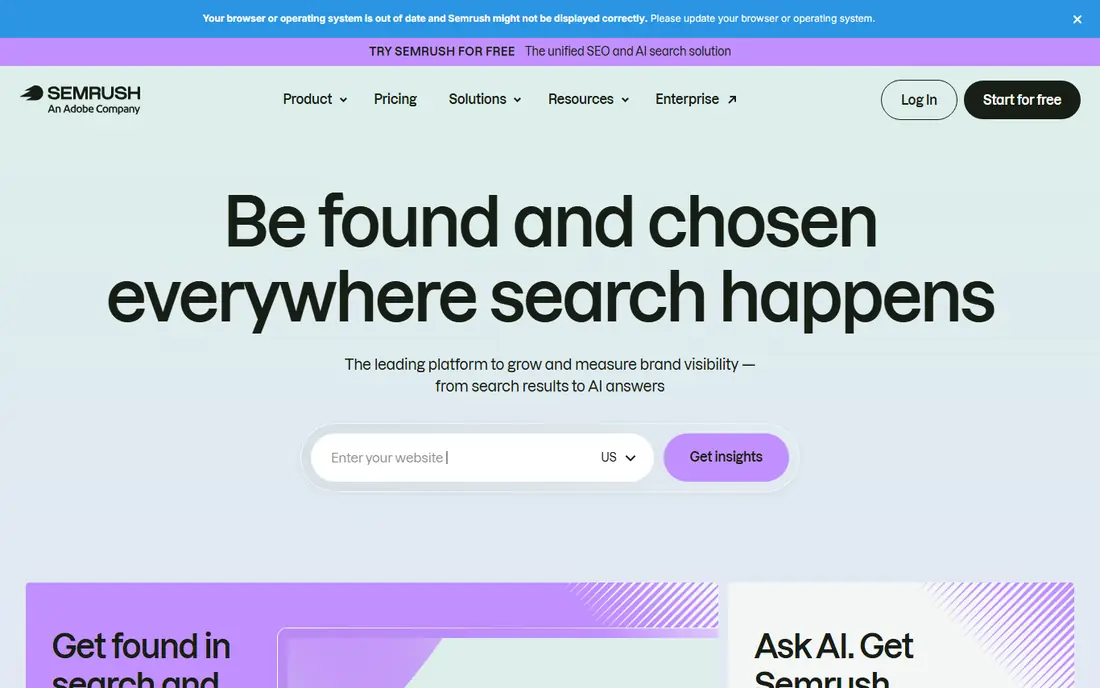
Semrush is the pick when keyword research sits inside a wider marketing job. It covers keyword ideas, difficulty, competitor domains, PPC keywords, content ideas, and rank tracking in one account.
The trade-off is scope. The suite is broad, the entry price is high, and lower plans cap projects and tracked keywords. It suits marketing teams that need SEO, content, and paid search data together.
Semrush pricing is listed on its site, with a Pro plan as the usual entry point and a limited free account for basic checks. For most readers in this group, Semrush is worth a trial before you commit to a paid plan or a long program, because fit shows up faster in use than in a feature list.
- Broad keyword, PPC, and content tools in one suite
- Large database
- Useful competitor reports
- Entry plan is costly
- Project and keyword limits apply
- Interface can feel crowded
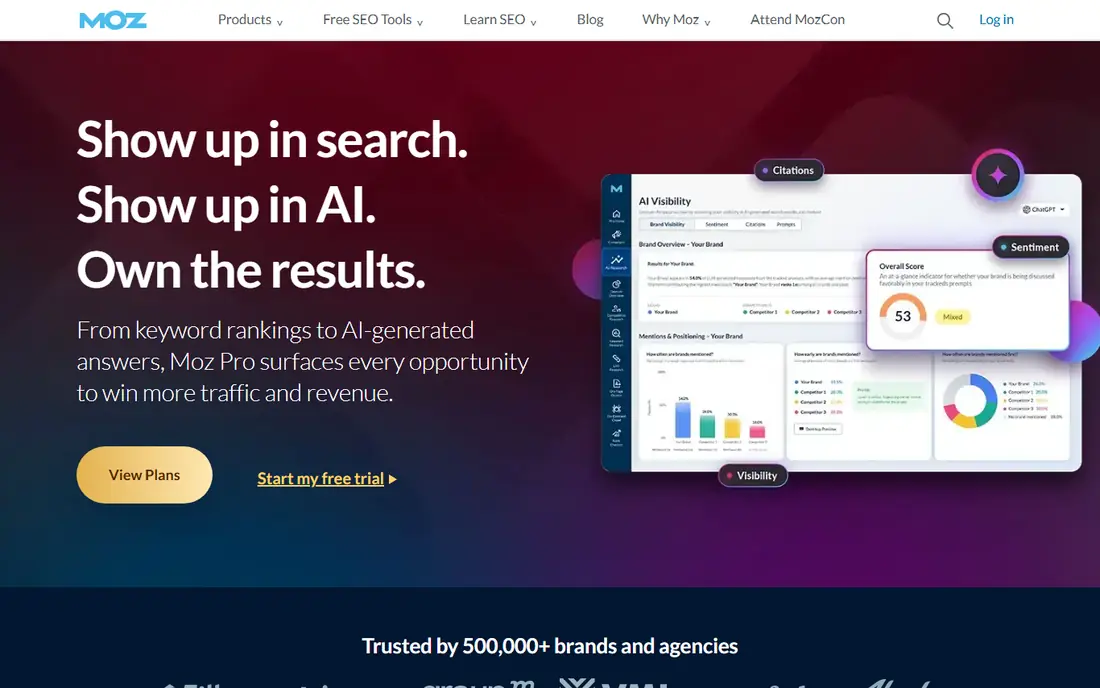
Moz Pro is a calmer entry into professional SEO data, and its interface helps beginners most. Keyword Explorer gives ideas, volume ranges, and difficulty, while Domain Authority offers a simple benchmark against competitors.
The limit is depth. Its index is smaller than the two leaders, and lower plans cap campaigns and tracked keywords. It suits small teams that want credible data without learning a large suite at once.
Moz Pro pricing is listed on its site, with a free trial and paid plans that scale by campaign and keyword limits. For most readers in this group, Moz Pro is worth a trial before you commit to a paid plan or a long program, because fit shows up faster in use than in a feature list.
- Clear interface for beginners
- Domain Authority for benchmarking
- Keyword and link tools included
- Smaller index than Ahrefs or Semrush
- Lower plans cap campaigns
- Advanced users may want deeper data
SE Ranking suits agencies that want research, tracking, and reports in one place. It combines keyword ideas, difficulty, competitor checks, rank tracking, and site audits, with reporting tools for clients.
The catch is plan tiers. The full feature set, including newer AI search tools, sits above the entry plan, and limits apply. It suits freelancers and agencies that live on client reporting.
SE Ranking pricing is listed on its site, with a trial available and paid plans that scale by tracked keywords and features. For most readers in this group, SE Ranking is worth a trial before you commit to a paid plan or a long program, because fit shows up faster in use than in a feature list.
- Keyword research plus rank tracking and audits
- Clear client reporting
- AI search visibility tools on newer plans
- Entry plan is costly
- Some features need higher tiers
- Daily limits apply on lower plans
Mangools is the pick for a blogger who wants keyword answers without a wall of menus. KWFinder shows keyword ideas, volume, difficulty, and SERP previews in a clear layout, with SERPWatcher for tracking.
The limit is breadth. It is not a full technical audit suite, and lower plans cap daily searches. It suits small sites, bloggers, and freelancers focused on content topics.
Mangools pricing is listed on its site, with a trial available and paid plans billed monthly or yearly. For most readers in this group, Mangools is worth a trial before you commit to a paid plan or a long program, because fit shows up faster in use than in a feature list.
- Clean, easy keyword tool
- KWFinder suits long-tail ideas
- Rank tracking included
- Limited technical auditing
- Lower-tier search limits apply
- Smaller database than the leaders
Ubersuggest is a practical low-cost start for a solo site owner doing their own SEO. It gives keyword ideas, volume estimates, difficulty, content ideas, and a basic site audit in one simple dashboard.
The weakness is depth. Competitor and backlink data are thinner than the professional suites, and free use is limited. It suits small businesses and bloggers who need usable keyword ideas at a low monthly cost.
Ubersuggest pricing is listed on its site, with limited free searches and paid plans for fuller access. For most readers in this group, Ubersuggest is worth a trial before you commit to a paid plan or a long program, because fit shows up faster in use than in a feature list.
- Low-cost entry
- Keyword ideas, content ideas, and site audit basics
- Limited free searches
- Data depth is thinner than Ahrefs or Semrush
- Free searches are limited
- Some features feel basic
SpyFu stands out for one job, which is seeing what competitors have ranked for over time. It shows competitor keywords, ad history, and ranking changes, which helps when you plan content to compete for the same terms.
The limit is breadth. It is not the best all-round audit or content suite, and its interface feels older than newer tools. It suits marketers who study competitors closely before they write or buy ads.
SpyFu pricing is listed on its site, with limited free searches and paid plans for full competitor data. For most readers in this group, SpyFu is worth a trial before you commit to a paid plan or a long program, because fit shows up faster in use than in a feature list.
- Long competitor keyword history
- PPC ad history
- Unlimited-style search on paid plans
- Interface feels dated
- Keyword database is narrower than leaders
- Audit tools are basic
Google Keyword Planner is the free check every keyword list should pass through. It gives keyword ideas and volume ranges based on Google search data, which makes it a useful reality check against any paid tool.
The limit is detail. Volumes appear as ranges, there is no difficulty score, and competitor insight is minimal. It suits beginners, PPC planners, and anyone who wants a free starting list before paying for a suite.
Google Keyword Planner is free with a Google Ads account, and you do not need to run ads to use its basic research features. For most readers in this group, Google Keyword Planner is worth a trial before you commit to a paid plan or a long program, because fit shows up faster in use than in a feature list.
- Free with a Google Ads account
- Volume data comes from Google
- Useful for PPC and SEO ideas
- Volume shows as ranges
- No difficulty scores
- Needs a Google Ads account to use fully
How we picked these
We started from official feature pages, pricing pages, app store listings, and privacy policies, then checked those claims against public reviews and help docs. Products that were discontinued, unavailable, or missing a clear fit for the topic were left out, even when they appeared on older lists.
We also weighed the limits that matter in daily use, such as free-tier caps, account rules, and what a paid plan actually adds. A product earned a place when its core job was clear, its pricing was checkable, and its weakness could be stated plainly.
How to pick a keyword tool for your site and budget
Start with the job, not the brand. A blogger needs keyword ideas and difficulty scores, while an agency needs competitor data, rank tracking, and client reports. Test free tiers on your own keywords, and compare volume and difficulty for the same terms across two tools before you trust one set of numbers. Check limits that matter in daily use, such as tracked keywords, projects, and monthly searches. If you only publish a few posts a month, a cheaper tool with clear limits beats a large suite you never fully use.
Revisit the choice after a month of real use. The best tool on paper is not always the one you open each week, and a simpler pick you actually use beats a larger tool that sits idle.
Frequently asked questions
What is a keyword search tool?
A keyword search tool shows what people search for, how often, how hard a term may be to rank for, and which related terms exist. Many tools also show which keywords competitors rank for.
Which keyword tool is best for beginners?
Google Keyword Planner and Mangools are good beginner starts, because they are simpler than full suites. Ubersuggest also suits beginners who want low-cost keyword ideas.
Is Google Keyword Planner really free?
Yes, with a Google Ads account. It gives volume ranges and keyword ideas, but it lacks difficulty scores and competitor detail found in paid tools.
Do I need Ahrefs or Semrush for a small blog?
Not at first. Start with a free or low-cost tool, publish consistently, and move to Ahrefs or Semrush when competitor research and tracking become a weekly job.
Why do two tools show different search volumes?
Tools use different data sources and models, so volumes are estimates, not exact counts. Use them to compare terms inside one tool, and check Google Search Console for your own real impressions.
Can a keyword tool guarantee rankings?
No. A tool can guide topic choice and show competition, but rankings depend on content quality, links, site health, and search intent as well.
Sources
See where you really rank - block by block
ProMapRanker scans Google Maps across a grid of your service area. Simple monthly plans from $19, white-label on every plan.
Start freeKeep reading
 galaxy.ai alternatives with lifetime access
Best Galaxy.ai Alternatives With Lifetime Access in 2026
Looking for galaxy.ai alternatives with lifetime access? We compare 7 pay-once AI tools for chat, writing, images, video and SEO work in 2026, in detail.
Read → best workforce management software
Best Workforce Management Software in 2026
Compare the best workforce management software for scheduling, time tracking, and payroll, with prices, free plans, and picks by team size and industry.
Read → best wms software
Best WMS Software in 2026: 8 Systems Compared
Compare the best WMS software for warehouses of every size in 2026, from enterprise systems like SAP and Manhattan to mid-market options for growing brands.
Read →