 ProMapRanker
Best Keyword Research Tool in 2026


All in one keyword research and content planning · Pricing starts at: $139.95 per month
Key takeaways
- Semrush and Ahrefs are the professional standards for keyword research, with Semrush leading on all in one breadth and Ahrefs on competitor and backlink depth.
- Google Keyword Planner remains the best free starting point, with volume data straight from Google, though ranges are broad without ad spend.
- Moz, SE Ranking, and Mangools suit smaller teams, with simpler interfaces and lower prices than the full suites.
- Ubersuggest and AnswerThePublic suit freelancers and content teams on a budget, for long tail ideas and question based research.
- Search volume is an estimate in every paid tool, so cross check a shortlist in Google Search Console and Google Trends before building content.
Quick comparison
| Pick | Great for | Pricing starts at | Free tier | |
|---|---|---|---|---|
| Semrush | All in one keyword research and content planning | $139.95 per month | Yes | Visit |
 Ahrefs | Competitor keyword and backlink research | $29 per month | Yes | Visit |
 Google Keyword Planner | Free search volume data from Google | Free | Yes | Visit |
 Moz | Simple keyword snapshots for small sites | $49 per month | Yes | Visit |
 SE Ranking | Mid market research plus rank tracking | $129 per month | No | Visit |
 Mangools | Low competition long tail keywords | $49 per month | Yes | Visit |
 Ubersuggest | Budget keyword research for freelancers | $29 per month | Yes | Visit |
 AnswerThePublic | Questions and topic ideas for content | $13.33 per month | Yes | Visit |
The best keyword research tool
Keyword research is the foundation of SEO content, because it shows what people actually search for, how hard a term is to rank for, and what questions surround a topic. Paid tools estimate volume and difficulty, free tools give direct or directional data, and the best choice depends on budget, site size, and how often you research. The eight tools below cover those needs, from free Google data to full suites.
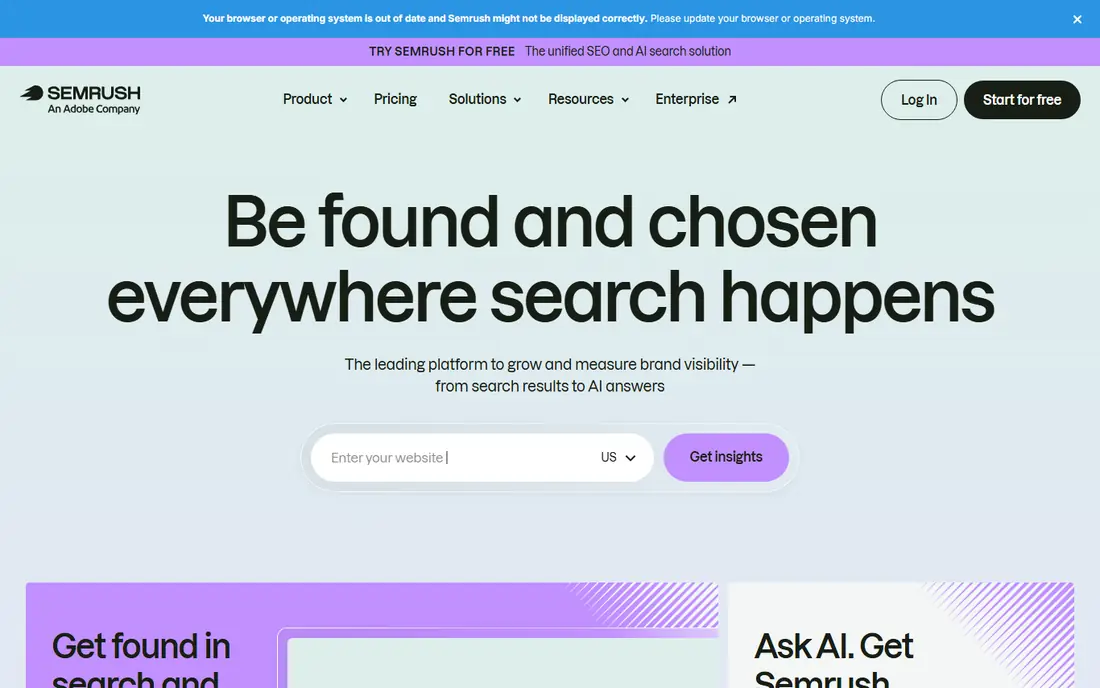
Semrush is the best keyword research tool for teams that want one login for research, tracking, audits, and content planning. The Keyword Magic Tool groups related terms, shows volume, difficulty, intent, and SERP features, and helps build clusters around a topic. Keyword Gap compares your site with competitors to find terms they rank for and you do not.
The SEO plan, at $139.95 per month in many listings, is expensive for a single site owner, and the free plan limits daily reports. That cost makes sense for agencies and content teams that research daily. For occasional research, a cheaper tool plus Google Keyword Planner may cover the same shortlist.
- Keyword Magic Tool with large database
- Keyword Gap for competitor comparison
- Content and PPC data in one suite
- High entry price
- Free plan limits reports to 10 per day
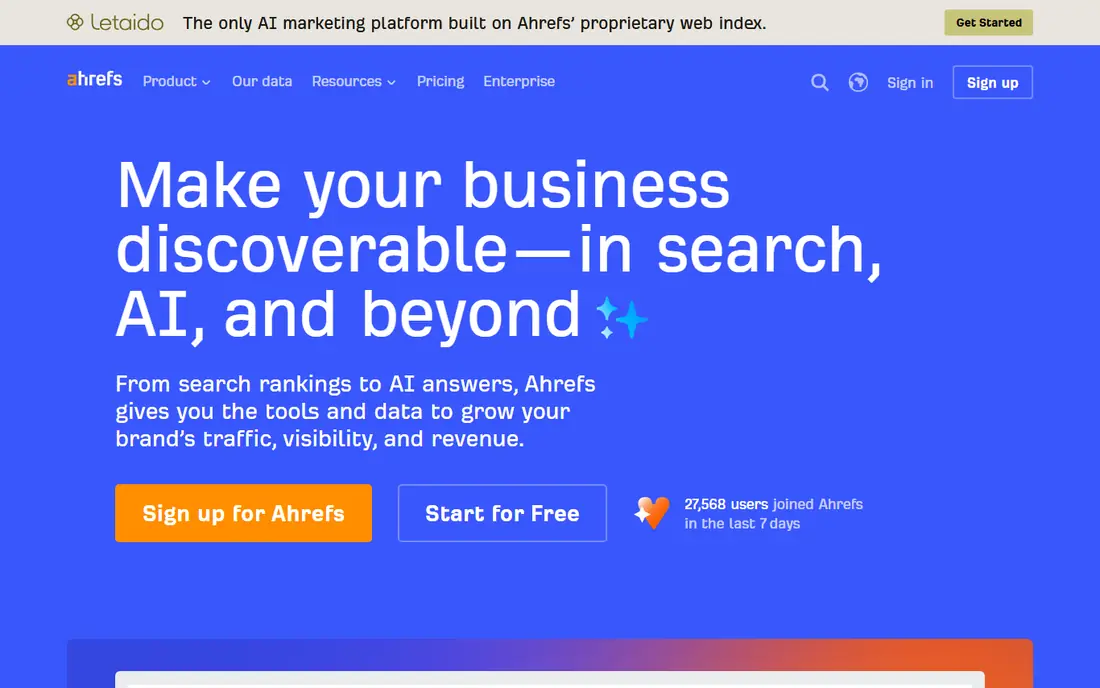
Ahrefs Keywords Explorer stands out for competitor work. It shows volume, difficulty, traffic potential, and click data, which helps separate terms that drive visits from terms that only look popular. Top Pages reveals which competitor pages earn the most traffic and which keywords drive it, which is useful for content planning.
The Starter plan, at $29 per month, covers limited research, while Lite, at $129 per month, is the fuller research tier. Ahrefs Webmaster Tools gives free limited data for sites you verify. If competitor research and links drive your SEO, Ahrefs is the strongest pick. If you need a simpler interface, Moz or Mangools may feel easier.
- Keywords Explorer with traffic potential and clicks data
- Top Pages for competitor reverse engineering
- Free tools for verified sites
- Full research needs Lite at $129 per month
- Interface is dense for beginners
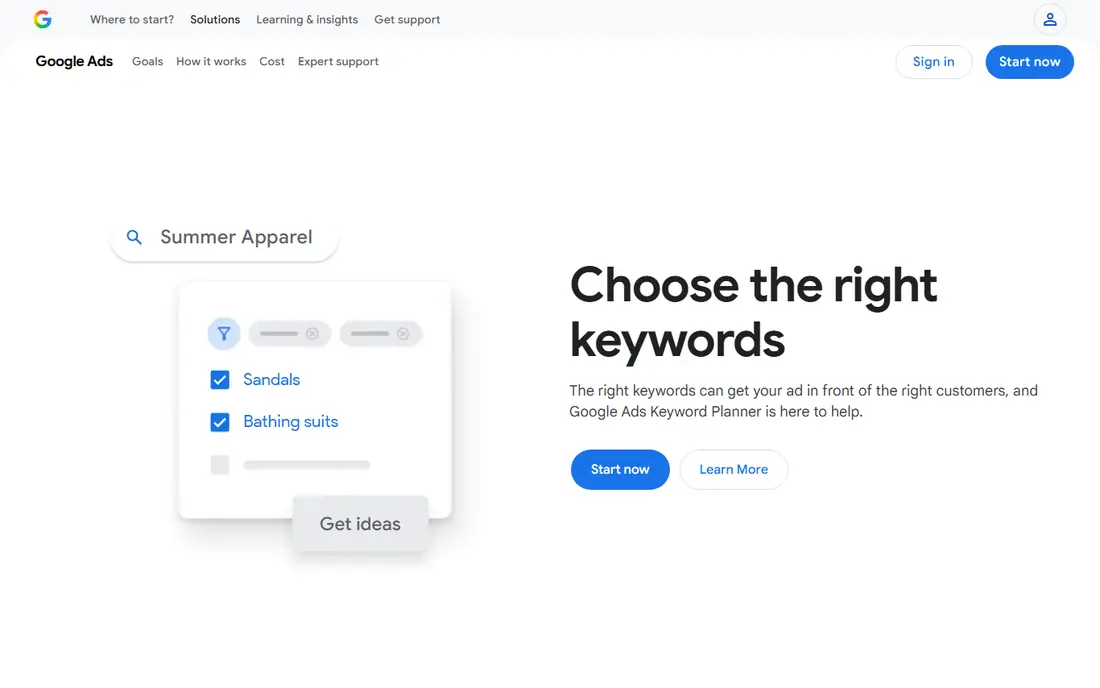
Google Keyword Planner is the best free keyword research tool, and every other tool on this list should be checked against it. It is free with a Google Ads account, and it gives search volume ranges, competition for ads, and CPC data straight from Google. That source data is valuable, even though volume ranges are broad for accounts without active ad spend.
It does not give an SEO difficulty score, and it does not show competitor keyword lists in the way Semrush or Ahrefs do. Use it to validate a shortlist, find related terms, and check seasonality, then use a paid tool for difficulty and competitor gaps. For a free starting point, nothing beats data from the search engine itself.
- Free with a Google Ads account
- Volume and CPC data from Google
- Useful for PPC and SEO shortlists
- Volume ranges are broad without ad spend
- No difficulty score or competitor keyword lists
Moz Keyword Explorer suits beginners and small sites that want a quick, readable answer. Volume, difficulty, organic CTR, and priority scores appear in a clean layout, and Keyword Lists help organise terms by topic or campaign. That simplicity helps when a full suite feels overwhelming.
The entry plan, listed at $49 per month in many sources, covers basic research, while Moz Pro Standard, at $99 per month, adds tracking and audits. The keyword database is smaller than the largest suites, so niche terms may show less data. For quick checks and small site research, Moz is a practical, easy to learn tool.
- Clean Keyword Explorer interface
- Volume, difficulty, and CTR metrics
- Keyword Lists for organising research
- Database is smaller than Semrush or Ahrefs
- Full Pro plans cost more
SE Ranking suits teams that want research and tracking in one subscription. Keyword research covers volume, difficulty, and competitor terms, while rank tracking, audits, and reporting sit in the same plan. That bundle avoids paying for a separate tracker, which is why mid market teams often choose it over a research only tool.
The Core plan, at $129 per month or $103.20 per month billed yearly in some listings, is expensive if you only need occasional research. A 14 day trial helps with testing. If you research weekly and track rankings daily, SE Ranking offers strong value. If you research monthly, a cheaper tool plus Google Keyword Planner may be enough.
- Keyword research, tracking, and audits in one plan
- Competitor research
- White label reporting
- High entry price for research alone
- No permanent free plan
Mangools KWFinder is the best keyword tool for finding low competition long tail terms without a steep learning curve. Search a seed term, and KWFinder shows related terms, volume, difficulty, trend, and SERP results in a clean layout. That focus on long tail terms suits bloggers, affiliates, and small sites that cannot compete for head terms yet.
The Basic plan, at $49 per month in many listings, limits daily lookups, and a free tier allows a small number of lookups per day. The database is smaller than Semrush or Ahrefs, so very niche terms may show less data. For simple, affordable keyword research, Mangools is one of the best keyword tools for small budgets.
- KWFinder is easy to learn
- Clear difficulty and trend data
- Includes SERPWatcher tracking
- Basic plan limits lookups
- Database is smaller than full suites
Ubersuggest is the budget pick for freelancers and small site owners. Paid plans start from $29 per month in many listings, with a limited free tier for occasional searches. Keyword ideas, volume, difficulty, and content suggestions appear in one view, which makes it easy to build a content shortlist fast.
Data depth is thinner than the full suites, especially for competitor backlinks and large scale research. That matters less for a small site researching a few topics a month. If you need real keyword data at the lowest usable price, Ubersuggest is a sensible starting point before committing to a suite.
- Low paid price
- Keyword ideas, volume, and difficulty in one view
- Content ideas included
- Data depth is thinner than Semrush or Ahrefs
- Lifetime and monthly pricing varies
AnswerThePublic answers a different question from the other tools here: what are people actually asking about a topic. Enter a seed term, and it maps questions, prepositions, and comparisons that surround it, which is ideal for FAQ pages, blog topics, and content clusters. That question data complements volume tools, rather than replacing them.
The Starter plan, at $20 per month or $13.33 per month billed yearly in many listings, adds more searches and data exports, while the free tier covers limited daily searches. It does not offer the full difficulty and competitor depth of Semrush or Ahrefs. Pair it with Google Keyword Planner or Mangools for volume checks, and use it to find the questions your content should answer.
- Visual question maps for a seed term
- Great for FAQ and blog topics
- Low annual price
- Not a full volume and difficulty tool
- Free searches are limited
How we picked these
We compared official pricing pages, feature documentation, and public reviews, focusing on tools that are live in October 2026 and offer real keyword research, not just rank tracking or content writing. We weighed database size, volume and difficulty data, question research, competitor gaps, free plans or trials, interface clarity, and price. We did not claim hands on testing we did not do, and we treated volume figures as estimates, since vendors model them differently.
How to run keyword research that leads to traffic
Start with a seed list from your products, services, and customer questions, not from a tool alone. Add terms customers use in support emails, sales calls, and reviews, because those phrases often differ from industry jargon. Expand that seed list in a research tool, then filter by intent: informational terms suit guides, commercial terms suit comparison pages, and transactional terms suit product pages.
Next, check difficulty against your site authority. A new site should target long tail, low competition terms first, while an established site can target broader terms. Finally, validate the shortlist in Google Keyword Planner for volume direction and in Google Trends for seasonality, then check the current search results for each term. If the top results are all large authority sites and your site is new, pick a longer, more specific version of the term instead.
Frequently asked questions
What is the best keyword research tool?
Semrush is the best all in one keyword research tool for most teams, while Ahrefs is best for competitor and backlink research. Google Keyword Planner is the best free keyword research tool, and Mangools and Ubersuggest suit smaller budgets. The best SEO keyword tool for you depends on budget, site size, and how often you research.
What are the best free keyword research tools?
Google Keyword Planner, Google Trends, and Google Search Console are the best free keyword research tools, with Keyword Planner giving volume direction and Search Console showing queries your site already ranks for. Semrush, Ahrefs, Moz, Mangools, Ubersuggest, and AnswerThePublic all offer limited free tiers or free tools. Start free, and pay only when you research often enough to hit free limits.
What is the best keyword research software for small businesses?
Mangools, Ubersuggest, and Moz suit small businesses, thanks to simpler interfaces and lower prices than full suites. Google Keyword Planner covers free volume checks alongside any of them. Pick Mangools for long tail terms, Ubersuggest for the lowest price, or Moz for clean snapshots and lists.
What is the best SEO keyword research tool for content teams?
Semrush and Ahrefs suit content teams, thanks to clustering, Keyword Gap, and Top Pages reports that turn research into content plans. AnswerThePublic adds question based topics for FAQs and guides. Use a suite for clusters and gaps, and AnswerThePublic for the questions each article should answer.
How accurate is keyword search volume?
Search volume in paid tools is an estimate modelled from clickstream and search data, not an exact count, so figures vary between tools. Google Keyword Planner gives ranges from Google itself, but those ranges are broad without ad spend. Treat volume as direction, cross check in Search Console and Trends, and prioritise intent and difficulty alongside volume.
What is the best keyword tool for beginners?
Google Keyword Planner and Mangools are the best keyword tools for beginners, thanks to free access and clean interfaces. Moz Keyword Explorer is also easy to learn, with clear volume and difficulty scores. Start with Keyword Planner for volume, add Mangools for difficulty, and move to a suite only when research becomes a weekly job.
Sources
See where you really rank - block by block
ProMapRanker scans Google Maps across a grid of your service area. Simple monthly plans from $19, white-label on every plan.
Start freeKeep reading
 youtube alternatives
Best YouTube Alternatives in 2026
Looking for youtube alternatives in 2026? We compare Vimeo, Dailymotion, Twitch, Rumble, and more on price, audience, monetization, control and privacy.
Read → what's the best ai tool for photo editing
What Is the Best AI Tool for Photo Editing in 2026
What is the best AI tool for photo editing? We compare ten tools for 2026, from Photoshop and Lightroom to Luminar, Topaz, Canva and mobile editors today.
Read → twitter alternatives
Best Twitter Alternatives in 2026
Compare the best twitter alternatives for 2026, from Bluesky, Threads, and Mastodon to Reddit, Tumblr, and Micro.blog, with free plans and audience notes.
Read →