 ProMapRanker
Best Investment Companies in 2026


All-round investing for most people · Pricing starts at: $0 commission on stocks and ETFs
Key takeaways
- Fidelity, Vanguard and Charles Schwab remain the strongest all-round picks for most US investors, with $0 commissions on many stock and ETF trades.
- The best investment company for you depends on account types, fund costs, research tools and customer support, not on one headline fee.
- Robinhood and SoFi suit simpler, app-first investing, while Interactive Brokers suits experienced and global investors.
- Check fund expense ratios and account fees, since small yearly costs add up over decades.
Quick comparison
| Pick | Great for | Pricing starts at | Free tier | |
|---|---|---|---|---|
| Fidelity | All-round investing for most people | $0 commission on stocks and ETFs | Yes | Visit |
 Vanguard | Low-cost long-term index investing | $0 commission on stocks and ETFs | Yes | Visit |
 Charles Schwab | Active investors and full-service support | $0 commission on stocks and ETFs | Yes | Visit |
 Robinhood | Simple app-first investing for beginners | $0 commission on stocks and ETFs | Yes | Visit |
 SoFi | Investing plus banking in one app | $0 commission on stocks and ETFs | Yes | Visit |
 Interactive Brokers | Experienced and global investors | $0 commission on US stocks and ETFs on Lite | Yes | Visit |
 Merrill | Bank of America customers who want advice | $0 commission on stocks and ETFs | Yes | Visit |
 E*TRADE | Investors who want strong research tools | $0 commission on stocks and ETFs | Yes | Visit |
The best Investment Companies in 2026
This is not financial advice, and investing carries risk, including the risk of losing money. We compared established firms that offer brokerage accounts, retirement accounts and low-cost funds, so you can judge which company fits your goals.
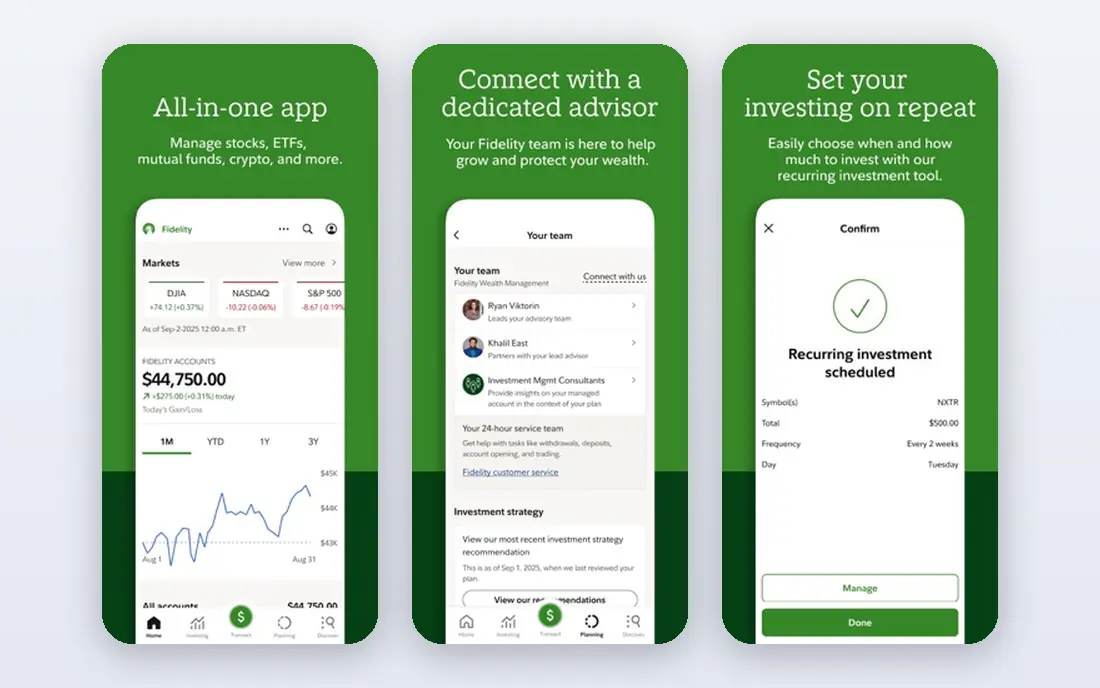
For many readers, Fidelity is the first name worth trying, because it focuses on one job and does it clearly. It is best for all-round investing for most people. Fidelity covers brokerage, retirement and cash management in one place, with zero-expense index funds that keep long-term costs low. In daily use, that strength is what most people notice first, and it helps explain why this option keeps appearing in current roundups and vendor documentation.
The range of tools can feel large at first, so new investors may need time to find the few screens they will actually use. That trade-off does not make it a poor choice, but it does mean you should weigh it against how you plan to use it. Try the free option first if one is offered, and check whether the paid limits match how often you will actually use it. If it fits your routine and budget, it can serve you well for a long time.
- $0 commissions on many trades
- Zero-expense index funds
- Broad account types
- Some advanced tools take time to learn
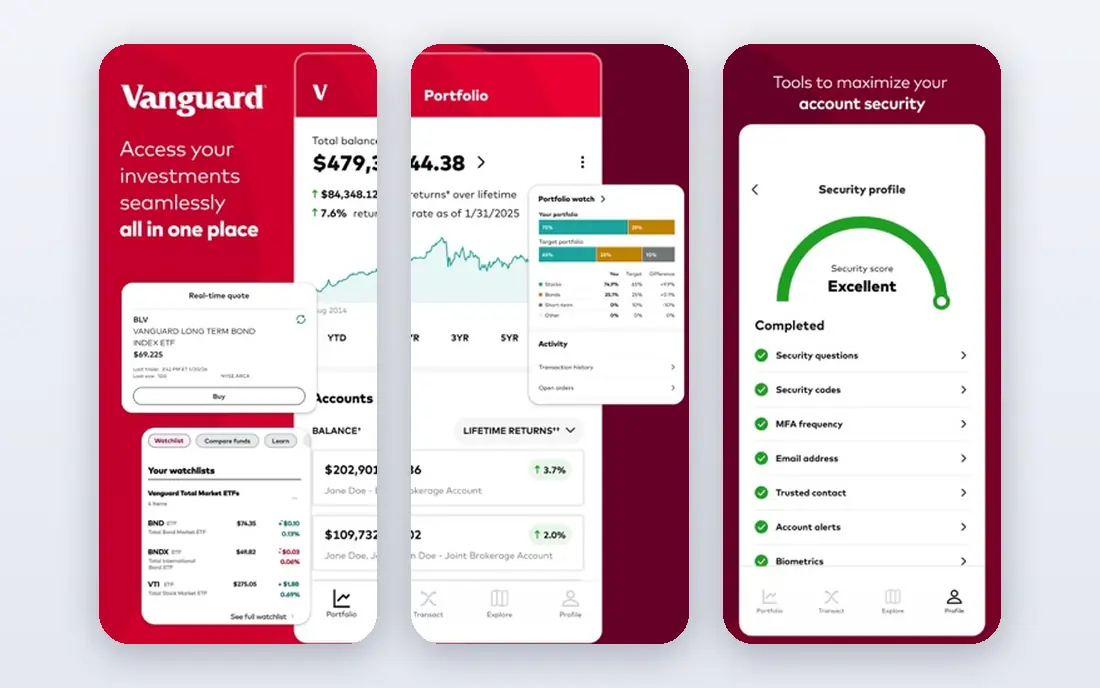
If you want a calmer starting point, Vanguard deserves a close look, since it keeps the setup short and the daily routine simple. It is best for low-cost long-term index investing. Vanguard built its name on low-cost index investing, and its funds remain a sensible core for long-term portfolios. In daily use, that strength is what most people notice first, and it helps explain why this option keeps appearing in current roundups and vendor documentation.
Its digital experience is more plain than Fidelity or Schwab, which matters if you trade often or want polished research tools. That trade-off does not make it a poor choice, but it does mean you should weigh it against how you plan to use it. Before you pay, compare the plan limits with your real weekly use, not with the longest feature list. If it fits your routine and budget, it can serve you well for a long time.
- Low-cost index funds and ETFs
- Strong retirement focus
- Investor-owned structure
- App and website feel less modern than some rivals
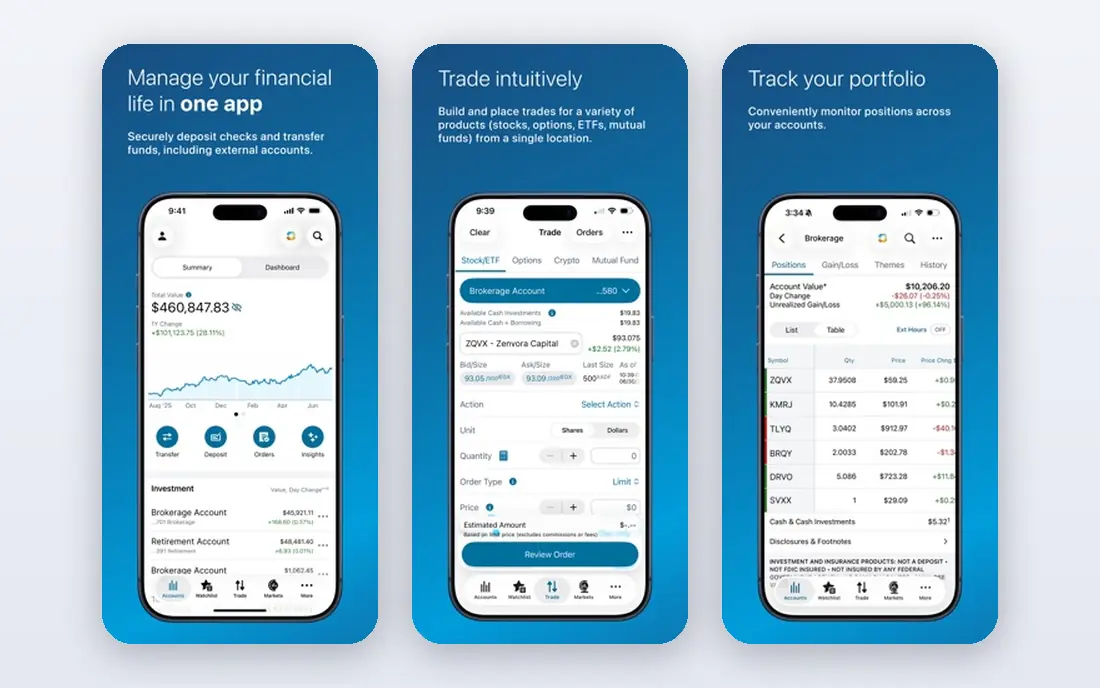
We put Charles Schwab on this list for readers who need a practical option rather than a long feature list. It is best for active investors and full-service support. Charles Schwab pairs a strong trading platform with bank accounts and in-person support, which suits investors who want help as well as tools. In daily use, that strength is what most people notice first, and it helps explain why this option keeps appearing in current roundups and vendor documentation.
Fund costs are still low, but a few Schwab funds cost slightly more than the cheapest Fidelity or Vanguard equivalents. That trade-off does not make it a poor choice, but it does mean you should weigh it against how you plan to use it. It is worth a short trial period, because the right fit usually shows up in the first week of daily use. If it fits your routine and budget, it can serve you well for a long time.
- Strong trading platform
- Wide account choice
- Branch and phone support
- Some index fund costs are slightly higher than the cheapest rivals
Robinhood stands out for a different reason than the leaders above it, and that difference may matter more to you than raw size. It is best for simple app-first investing for beginners. Robinhood makes starting simple, with fractional shares that let you invest small amounts in higher-priced stocks and ETFs. In daily use, that strength is what most people notice first, and it helps explain why this option keeps appearing in current roundups and vendor documentation.
The trade-off is depth, since research, planning and support are lighter than at Fidelity, Schwab or Vanguard. That trade-off does not make it a poor choice, but it does mean you should weigh it against how you plan to use it. Check the current pricing page before you subscribe, since plans and limits change during the year. If it fits your routine and budget, it can serve you well for a long time.
- Simple app
- Fractional shares
- Easy account setup
- Research and retirement planning tools are thinner than full-service firms
A good shortlist should include SoFi, because it serves a specific kind of user very well. It is best for investing plus banking in one app. SoFi suits readers who want investing next to banking and other money tools, without juggling several apps. In daily use, that strength is what most people notice first, and it helps explain why this option keeps appearing in current roundups and vendor documentation.
Serious investors may find its research and advanced order types limited compared with full-service brokerages. That trade-off does not make it a poor choice, but it does mean you should weigh it against how you plan to use it. Try the free option first if one is offered, and check whether the paid limits match how often you will actually use it. If it fits your routine and budget, it can serve you well for a long time.
- Investing, banking and loans in one app
- Fractional shares
- Simple interface
- Investment research is basic
- Some services are US-only
Interactive Brokers is the quieter choice here, and quiet can be a strength when you want fewer distractions. It is best for experienced and global investors. Interactive Brokers offers market access and tools that go well beyond a basic brokerage, including many global exchanges. In daily use, that strength is what most people notice first, and it helps explain why this option keeps appearing in current roundups and vendor documentation.
That power comes with complexity, so it is a poor first choice for someone who only wants a simple retirement account. That trade-off does not make it a poor choice, but it does mean you should weigh it against how you plan to use it. Before you pay, compare the plan limits with your real weekly use, not with the longest feature list. If it fits your routine and budget, it can serve you well for a long time.
- Global market access
- Advanced tools
- Low margin rates for qualified users
- Complex platform
- Beginners can feel lost
If the bigger names feel like too much, Merrill offers a smaller, more focused way to get the same job done. It is best for bank of america customers who want advice. Merrill works well for Bank of America customers, since banking and investing sit under one login and rewards can link across accounts. In daily use, that strength is what most people notice first, and it helps explain why this option keeps appearing in current roundups and vendor documentation.
Advisory pricing needs careful reading, since guided and managed options cost more than self-directed trading. That trade-off does not make it a poor choice, but it does mean you should weigh it against how you plan to use it. It is worth a short trial period, because the right fit usually shows up in the first week of daily use. If it fits your routine and budget, it can serve you well for a long time.
- Bank integration
- Guided investing
- Branch support
- Some advisory services carry higher fees
- Platform can feel traditional
We included ETRADE because it answers a need the other picks do not cover as directly. It is best for investors who want strong research tools. ETRADE offers solid research, screeners and retirement accounts, with a mobile app that covers most everyday trades. In daily use, that strength is what most people notice first, and it helps explain why this option keeps appearing in current roundups and vendor documentation.
It is less distinctive than it once was, and some advanced features are easier to find at Schwab or Fidelity. That trade-off does not make it a poor choice, but it does mean you should weigh it against how you plan to use it. Check the current pricing page before you subscribe, since plans and limits change during the year. If it fits your routine and budget, it can serve you well for a long time.
- Strong research and screening
- Retirement accounts
- Mobile app
- Some premium features sit behind higher tiers
- Brand now sits within Morgan Stanley
How we picked these
We compared official account pages, commission schedules and fund information for firms that serve US investors. We favored firms with broad account types, low trading costs and clear fee disclosure, and we noted where research or support was thinner. This article is general information only, not personal financial advice.
What to check before you open an account
Start with account type. A Roth IRA, traditional IRA, taxable account and 401(k) rollover are not the same, and not every firm handles each one equally well. Check that your chosen firm supports the account you actually need.
Next, compare total cost, not just commissions. Fund expense ratios, advisory fees and cash sweep rates all affect long-term results. A firm with $0 trades can still cost more if its funds or advisory fees are high.
Finally, test support and access. If you want a branch, phone help or a simple app, that preference should shape your choice as much as price, because you will live with the platform for years.
Frequently asked questions
Which investment company is best for beginners?
Fidelity and Charles Schwab are strong beginner picks, because they combine $0 commissions, broad account types and learning resources. Robinhood is simpler, but its research tools are thinner.
What are the best rated investment companies for retirement?
Fidelity, Vanguard and Charles Schwab are often rated highly for retirement, thanks to low-cost funds, IRA options and planning tools. Compare fund costs and support before you move an old 401(k).
Are the best financial investment companies also the cheapest?
Often, yes, but not always. Low commissions matter, yet fund expense ratios, advisory fees and cash rates also matter, so read the full fee schedule.
Which investment company is best for index funds?
Vanguard is the classic index fund choice, while Fidelity offers zero-expense index funds on some products. Both are sensible, so choose based on the funds you want and where you want to hold them.
Can I hold investments at more than one company?
Yes, many investors hold accounts at two firms, for example a retirement account at one and a taxable account at another. Just keep track of fees, tax documents and overall asset mix.
Sources
See where you really rank - block by block
ProMapRanker scans Google Maps across a grid of your service area. Simple monthly plans from $19, white-label on every plan.
Start freeKeep reading
 youtube alternatives
Best YouTube Alternatives in 2026
Looking for youtube alternatives in 2026? We compare Vimeo, Dailymotion, Twitch, Rumble, and more on price, audience, monetization, control and privacy.
Read → what's the best ai tool for photo editing
What Is the Best AI Tool for Photo Editing in 2026
What is the best AI tool for photo editing? We compare ten tools for 2026, from Photoshop and Lightroom to Luminar, Topaz, Canva and mobile editors today.
Read → twitter alternatives
Best Twitter Alternatives in 2026
Compare the best twitter alternatives for 2026, from Bluesky, Threads, and Mastodon to Reddit, Tumblr, and Micro.blog, with free plans and audience notes.
Read →