 ProMapRanker
Best Insurance Company in 2026

Key takeaways
- No single insurer wins on price for every driver, so quotes from at least three companies matter more than any ranking.
- State Farm and Amica stand out for agent support and claims handling, while GEICO and Progressive often appeal to price focused drivers.
- USAA is a strong option, but only for eligible military members and their families.
- Bundling car and home cover, safe driving programs, and higher deductibles can change the final price a lot, so compare the same coverage levels.
- This guide is general information only, not personalised advice, and premiums depend on your location, driving record, vehicle, and coverage choices.
Quick comparison
| Pick | Great for | Pricing starts at | Free tier | |
|---|---|---|---|---|
 State Farm | Drivers who want a local agent | See website | No | Visit |
 GEICO | Budget focused drivers who buy online | See website | No | Visit |
 Progressive | Drivers with accidents, tickets, or high risk profiles | See website | No | Visit |
 USAA | Eligible military members and families | See website | No | Visit |
 Amica | Drivers who prioritise claims handling | See website | No | Visit |
 Allstate | Households that bundle and want add on cover | See website | No | Visit |
 Nationwide | Bundling and usage based insurance | See website | No | Visit |
 Travelers | Drivers who want flexible coverage options | See website | No | Visit |
The best insurance company
Choosing the best insurance company starts with what you value most. Some drivers want the lowest premium, others want a local agent, and others want a claims process that feels simple after a crash. The companies below all sell car insurance across much of the United States, and each one suits a different kind of driver.
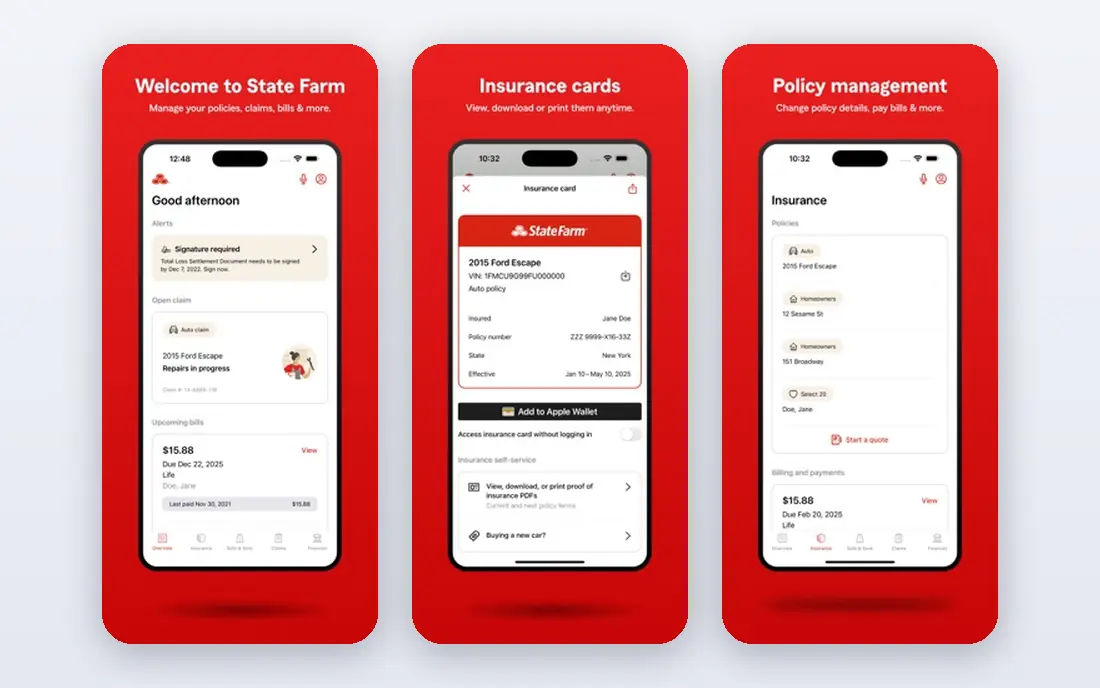
State Farm is the largest car insurer in the United States, and that scale shows up in its agent network. If you like talking to a person in your town about coverage, deductibles, and claims, this is the most obvious place to start. Agents can also help with bundling car cover with home, renters, or life cover, which is useful for households that want one point of contact.
The Drive Safe and Save program rewards careful driving with a discount, based on driving behaviour tracked through an app or a connected device. That can help steady drivers, though the saving depends on how you drive and where you live. The trade off is price. State Farm is not always the cheapest quote, so it works best when service and local support matter as much as the monthly bill.
- Large local agent network
- Drive Safe and Save telematics program
- Wide range of cover options
- Prices vary a lot by state and profile
- Digital only buyers may find the agent model slower
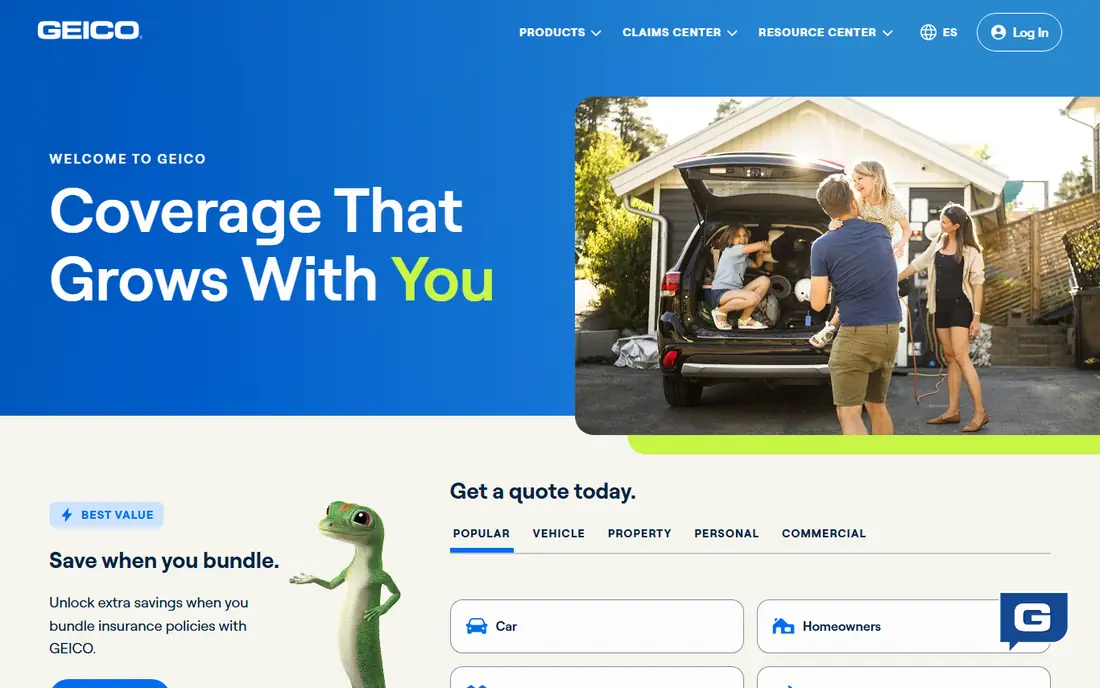
GEICO built its name on direct selling, and that model still shapes the experience. You get a quote online, manage the policy in an app, and file claims without visiting an office. For drivers who are comfortable doing everything digitally, that speed is a real benefit, and prices are often competitive for people with clean records.
Discounts cover areas such as good driving, multiple vehicles, military service, and federal employment, though availability varies. The honest catch is support style. If you want a named local agent who knows your household, GEICO will feel different from State Farm or Allstate. Check the quote against the same coverage limits you hold elsewhere, because a lower price with lower limits is not a like for like saving.
- Often competitive prices for clean record drivers
- Fast online quotes
- Strong mobile app
- No large local agent network
- Service experience can feel more self serve
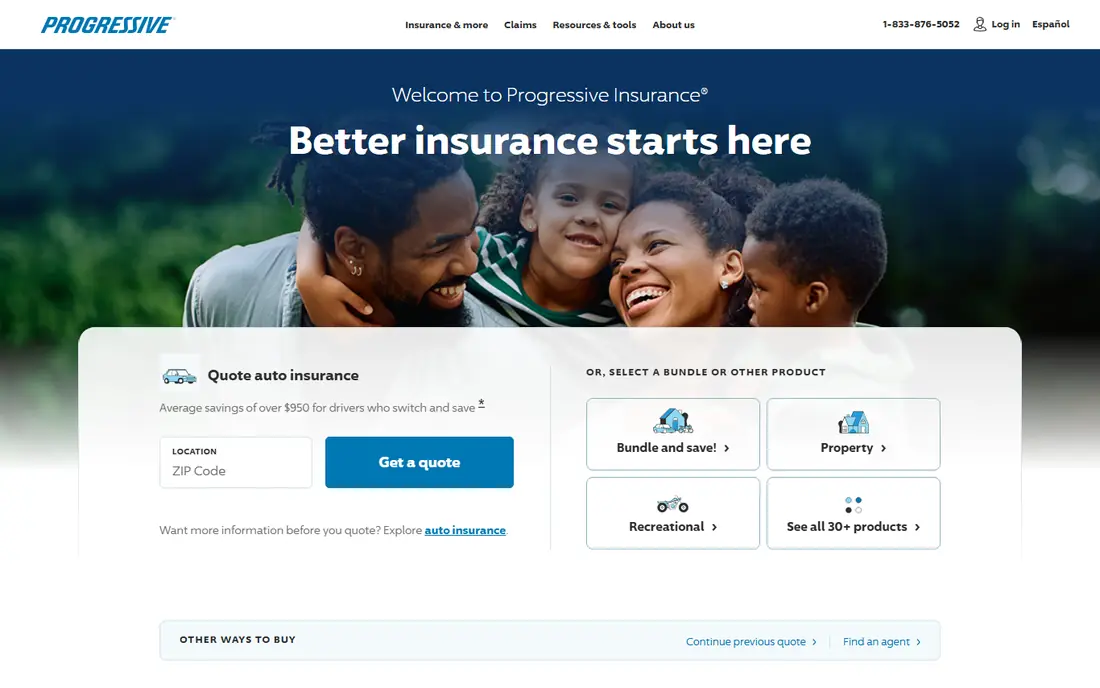
Progressive is often the first name to check if your record is not spotless. The company has long served drivers that other insurers price heavily, including people with accidents, tickets, or gaps in cover. That does not mean it is cheap for everyone, but it is competitive in segments where many rivals are not.
The Name Your Price tool lets you start with a budget and see what coverage fits inside it. That is helpful, but read the result carefully, because a lower budget can mean lower limits. Snapshot tracks driving behaviour and can lower the price for careful drivers. If you prefer not to share driving data, you can skip it and simply compare the standard quote.
- Name Your Price tool for budget based shopping
- Snapshot telematics program
- Wide availability
- Prices can still be high for some profiles
- Telematics discounts depend on driving data
USAA is not an option for most readers, and that restriction is the whole story. If you are eligible through military service or family membership, it belongs near the top of your shortlist. Published satisfaction studies have repeatedly placed USAA high for claims and service, and its prices are often competitive for members.
The company understands military life, including deployments, moves, and garaging a vehicle during service. That focus shows in its products and support. If you are not eligible, skip straight to the other names here. There is no general public route into USAA car insurance, and any comparison that ignores that limit is misleading.
- Consistently strong customer satisfaction in published studies
- Military focused service
- Competitive prices for many members
- Membership is restricted
- Not available to the general public
Amica is the company many people switch to after a bad claims experience elsewhere. It is a mutual insurer, which means it is owned by its policyholders rather than outside shareholders, and that structure is often linked to its service focus. Industry claims studies have ranked Amica highly, and its complaint record is comparatively low.
Prices are the catch. Amica is often not the cheapest quote, especially for drivers who shop on price alone. Extras such as free airbag replacement after deployment and identity theft support add value, but they do not close a large price gap on their own. Amica fits drivers who would rather pay a little more for a smoother claim than chase the lowest premium at renewal.
- Strong claims satisfaction record
- Low complaint levels in industry data
- Useful extras such as identity support
- Premiums can run above average
- Smaller agent footprint than the largest rivals
Allstate suits households that want several policies in one place. Bundling car cover with home or renters cover can bring a meaningful multi policy discount, and the company offers a wide menu of add ons, including roadside help and accident forgiveness in many states. A local agent can walk through those choices, which helps when cover gets complex.
Drivewise tracks driving behaviour and can reward safe habits, in a similar way to rival telematics programs. The price without bundling is the weakness, and some drivers find Allstate quotes higher than GEICO or Progressive for car cover alone. Get the bundled quote and the standalone quote, then compare both against rivals before deciding.
- Large agent network
- Drivewise telematics program
- Broad add on options
- Premiums can be high without bundling
- Discount availability varies by state
Nationwide is a solid middle ground for drivers who want choice without a sprawling menu. Its SmartRide program measures driving behaviour and can lower the price for careful drivers, which suits people who drive modest miles or drive steadily. Bundling with home cover is another common way to bring the total down.
The company also sells a broad range of other cover, so households can consolidate policies. Prices vary by state and driver profile, and Nationwide is not always the lowest quote for young drivers or high risk profiles. It works best as one of three or four quotes in a comparison, rather than a default pick.
- SmartRide usage based program
- Bundling discounts
- Broad product range
- Not the cheapest for every profile
- Agent availability varies by area
Travelers is one of the oldest names on this list, and its strength is flexibility. Drivers can build a policy around liability, collision, comprehensive cover, and extras such as roadside assistance, then bundle with home cover for a discount. That range suits households with more than one vehicle, or with a home policy to pair.
The trade off is that Travelers does not always lead on price, and the buying experience can differ depending on whether you go through an agent or online. It is worth including in a quote comparison, especially if you already hold a Travelers home policy. As with every company here, compare identical limits and deductibles, or the price comparison will mislead you.
- Wide coverage choices
- Bundling options
- Long established insurer
- Quotes can be higher for some drivers
- Digital experience varies by channel
How we picked these
We compared official feature pages, pricing and quote tools, telematics programs, bundling options, and public reviews and industry satisfaction studies. We focused on companies that are widely available in the United States, sell car insurance as a core product, and publish clear coverage and discount information. We did not test claims handling ourselves, and we did not rank companies on a single price, because premiums depend on the driver. Our shortlist mixes direct sellers, agent based insurers, and a mutual insurer, so readers can see the real trade offs between price, service, and buying style.
How to compare car insurance quotes fairly
Start by fixing your coverage before you shop. Write down your liability limits, collision and comprehensive deductibles, and any extras you want, then ask every company for the same package. A quote with state minimum liability will always look cheaper than a quote with higher limits, but it leaves you exposed after a serious crash. Keep that package steady across all quotes, and only then look at discounts.
Next, check the details that change the price after the headline quote. Telematics programs can help or hurt, depending on your driving, and bundling discounts only count if you actually move the second policy. Ask about accident forgiveness, new car replacement, rental cover, and roadside help, and note which items are included and which cost extra. Finally, read the claims process for each finalist. Check how claims are filed, whether repairs use approved shops, and how rental cover works while your car is repaired. The cheapest premium is a poor deal if the claim process costs you weeks of hassle.
Frequently asked questions
What is the best insurance company for car insurance?
There is no single winner for every driver, because price depends on your state, record, vehicle, and coverage. State Farm suits agent support, GEICO suits price focused online buyers, Progressive suits drivers with imperfect records, and USAA suits eligible military families. Compare at least three quotes with identical coverage to find your best result.
Which are the best companies for auto insurance if I have a ticket or accident?
Progressive is often competitive for drivers with tickets or accidents, and GEICO and State Farm can also be worth quoting. Prices after an incident vary a lot, so do not assume one company is always cheapest for high risk profiles. Ask about accident forgiveness and how long the incident will affect your price.
What is the best vehicle insurance company for bundling home and car cover?
State Farm, Allstate, Nationwide, and Travelers all offer multi policy discounts for bundling car and home cover. The size of the discount varies by state and by the home policy itself, so get a bundled quote and a standalone car quote from each company. Sometimes a cheaper car policy plus a separate home policy beats a bundle.
How much does car insurance cost?
Premiums vary widely by state, age, driving record, vehicle, mileage, and coverage limits, so a national average is not a useful quote for you. The only reliable way to know your price is to get quotes with the same coverage from several insurers. Discounts for safe driving, bundling, good student status, and vehicle safety features can all change the result.
Is this guide personalised insurance advice?
No, this guide is general information only and is not personalised advice for your situation. Insurance needs differ by state law, household, vehicle, and risk tolerance. If you are unsure about limits or cover types, speak to a licensed agent or broker who can review your circumstances before you buy.
Do I need full coverage or liability only?
Liability only meets state minimums in many states, but it does not pay to repair your own car after a crash you cause. Full coverage, which usually means liability plus collision and comprehensive cover, protects your vehicle as well, and lenders often require it for financed cars. Weigh the value of your car against the extra premium, and keep enough liability cover for serious injuries to others.
Sources
See where you really rank - block by block
ProMapRanker scans Google Maps across a grid of your service area. Simple monthly plans from $19, white-label on every plan.
Start freeKeep reading
 youtube alternatives
Best YouTube Alternatives in 2026
Looking for youtube alternatives in 2026? We compare Vimeo, Dailymotion, Twitch, Rumble, and more on price, audience, monetization, control and privacy.
Read → what's the best ai tool for photo editing
What Is the Best AI Tool for Photo Editing in 2026
What is the best AI tool for photo editing? We compare ten tools for 2026, from Photoshop and Lightroom to Luminar, Topaz, Canva and mobile editors today.
Read → twitter alternatives
Best Twitter Alternatives in 2026
Compare the best twitter alternatives for 2026, from Bluesky, Threads, and Mastodon to Reddit, Tumblr, and Micro.blog, with free plans and audience notes.
Read →