 ProMapRanker
Best Insider Threat Detection Tools in 2026

Key takeaways
- Microsoft Purview suits firms already on Microsoft 365, since insider risk sits alongside data loss prevention and audit in one system.
- DTEX, Proofpoint, and Code42 Incydr suit larger firms that need dedicated insider risk scoring, investigation, and data exfiltration alerts.
- Teramind and Forcepoint suit teams that also need workforce monitoring or data protection, but they raise sharper privacy and legal questions.
- Exabeam and Varonis suit security teams that want behaviour analytics across a wider set of logs and data stores.
- Software alone does not make an organisation compliant or lawful, and insider monitoring needs legal and HR review, clear notice to staff, and strict limits on who can see personal data.
Quick comparison
| Pick | Great for | Pricing starts at | Free tier | |
|---|---|---|---|---|
 Microsoft Purview | Microsoft 365 estates | See website | No | Visit |
 DTEX | Dedicated insider risk | See website | No | Visit |
 Proofpoint Insider Threat Management | Data exfiltration and risk | See website | No | Visit |
 Code42 Incydr | File movement risk | See website | Free trial | Visit |
 Teramind | Monitoring and risk alerts | See website | Free trial | Visit |
 Exabeam | Behaviour analytics at scale | See website | No | Visit |
 Forcepoint DLP | Risk-adaptive data protection | See website | No | Visit |
 Varonis | Data-centric insider risk | See website | No | Visit |
The best insider threat detection tools
The best insider threat detection tools below cover dedicated insider risk platforms, behaviour analytics, and data protection tools with insider risk features. Use them only with legal and HR review, clear staff notice, and lawful purpose, since monitoring staff carries legal and trust risks that software cannot remove.
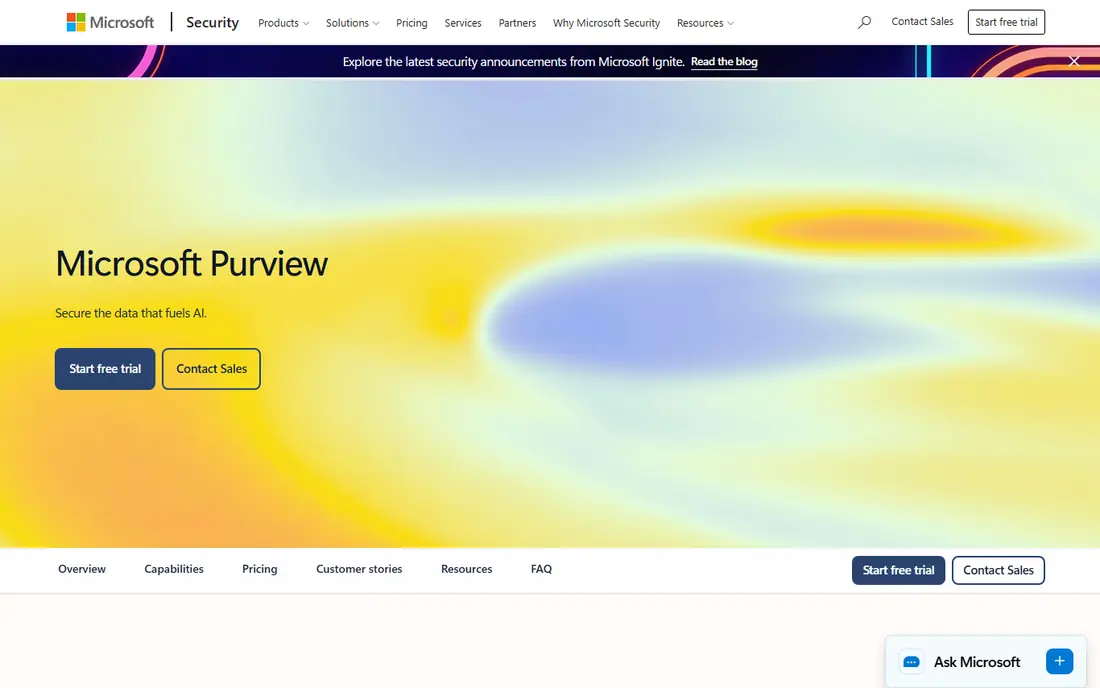
Microsoft Purview Insider Risk Management suits a firm that already runs on Microsoft 365, since it draws signals from email, files, endpoints, and other Microsoft services into risk scores. It pairs naturally with Purview data loss prevention, information protection, and audit, so an analyst can see a risky pattern across several signals rather than one alert in isolation.
The pricing model depends on data processing units and plan type, which makes forecasting harder than a flat per-user price. It also works best when the firm already uses Microsoft tools widely. For a Microsoft-centred organisation, Purview is often the lowest-friction insider risk option, since it avoids adding a separate monitoring platform.
- Sits inside Microsoft 365
- Combines risk signals with DLP and audit
- Included in some E5 plans
- Needs Microsoft 365 depth to get full value
- Pricing depends on usage units
- Setup needs care
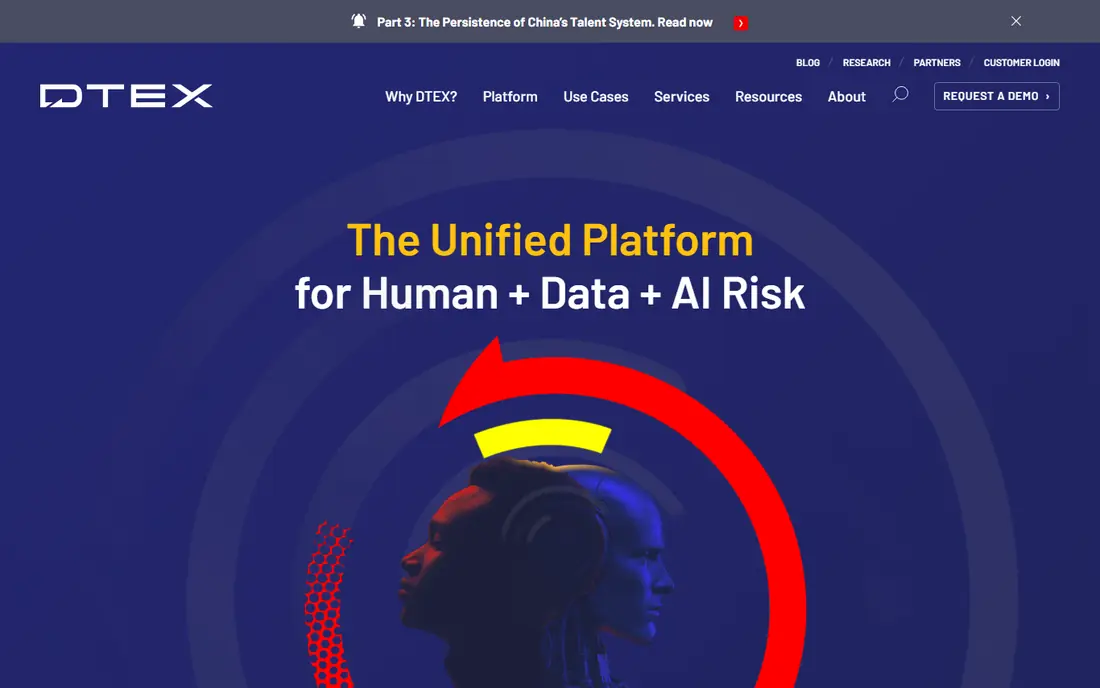
DTEX is a dedicated insider threat platform that scores user risk from behaviour signals and helps analysts investigate patterns such as unusual file access, data movement, and account misuse. Its metadata-based approach is often easier to defend in legal review than full session recording, since analysts see risk patterns before they see raw personal content. That design matters in firms with works councils or strict privacy rules.
DTEX is priced for enterprises and quoted per deal, so a small firm will find it costly and heavy to run. It also needs a security team to triage alerts and follow up with HR. For a large firm with a formal insider risk program, DTEX offers depth that a general security tool does not.
- Focused insider risk scoring
- Metadata-based approach limits raw data exposure
- Strong investigation workflows
- Enterprise pricing
- Needs security team to run
- Sales-led quotes only
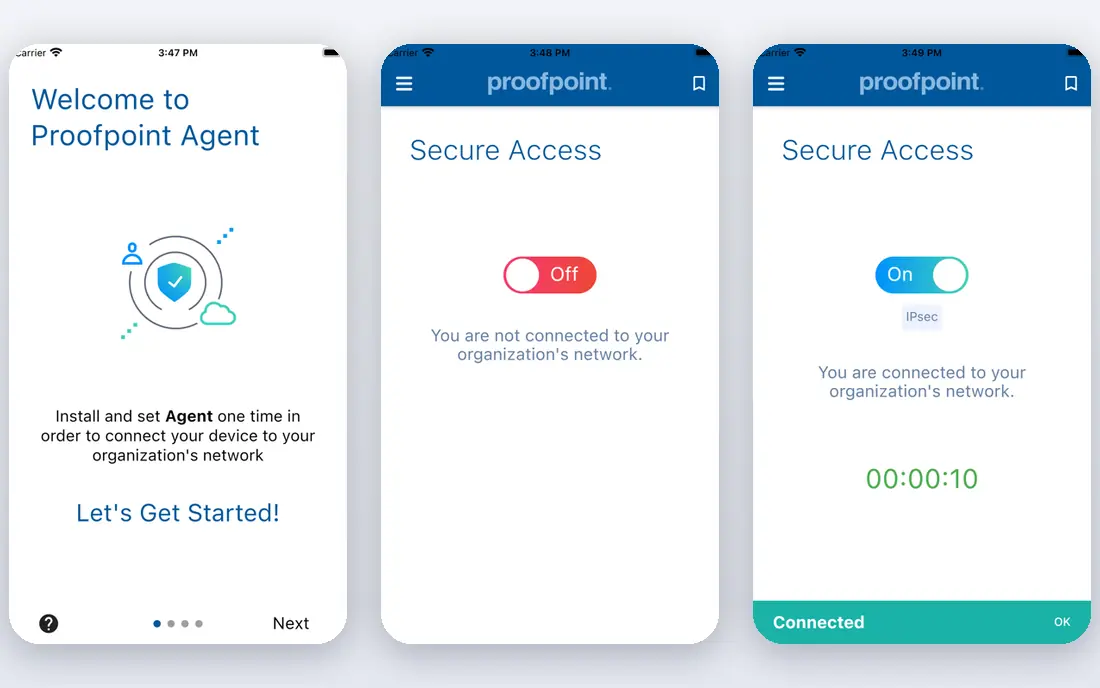
Proofpoint Insider Threat Management focuses on how data moves, including uploads, email, removable media, and cloud apps, and it flags patterns that suggest exfiltration or misuse. It pairs well with Proofpoint email security and data loss prevention, giving a fuller view of a risky user journey. Investigation timelines help analysts show what happened, in order, rather than relying on isolated alerts.
Full activity monitoring raises sharper privacy and legal questions, especially in Europe, so deployment should involve legal and HR from the start. Pricing is enterprise and sales-led. Proofpoint suits a firm that already uses Proofpoint tools and needs strong exfiltration visibility, with a formal process for handling alerts.
- Strong data movement visibility
- Pairs with email and DLP
- Detailed investigation timelines
- Enterprise pricing
- Full monitoring raises privacy review needs
- Complex deployment
Code42 Incydr, now part of Mimecast, tracks file movements across endpoints, cloud apps, email, and browsers, and flags risky patterns such as large downloads before a departure. That focus suits firms worried about intellectual property leaving with departing staff or contractors. Because it centres on files rather than full session recording, it can be easier to explain to staff and to legal reviewers.
Its scope is narrower than a full behaviour analytics platform, so it works best alongside endpoint and identity tools, not as a replacement for them. Pricing is sales-led, with a trial available. Incydr fits a firm whose main insider risk is data leaving through files, rather than misuse inside systems.
- Clear file movement alerts
- Useful for departing staff risk
- Lighter than full session monitoring
- Focused mainly on files
- Needs other tools for full behaviour coverage
- Pricing is sales-led
Teramind combines user activity monitoring with risk rules and alerts, covering apps, websites, files, and, in some configurations, screen activity. That detail helps a regulated team or a remote workforce manager spot policy breaches and risky behaviour quickly. Its rule engine lets a team set alerts for specific actions rather than watching every user all day.
The same detail is the risk. Continuous monitoring can damage trust, trigger works council or union review, and create legal exposure if notice and purpose are unclear. Teramind should only be used with a written policy, clear staff notice, and limits on who can view recorded data. For a firm that needs detailed monitoring and accepts that governance burden, it is a capable tool.
- Detailed user activity monitoring
- Rule-based alerts
- Useful for regulated or remote teams
- Intrusive monitoring raises trust and legal risks
- Needs clear policy and notice
- Can create alert overload
Exabeam applies user and entity behaviour analytics to logs from endpoints, identity, cloud, and network sources, and it flags behaviour that departs from a normal baseline. That breadth suits a security operations team that wants insider risk as part of a wider detection program, not as a separate silo. Its case workflows help analysts triage, investigate, and document findings.
Exabeam is an enterprise platform that needs a mature team, tuned data sources, and time to deploy well. A small firm without a security operations centre will struggle to get value from it. For a larger team with a SIEM or security data lake, Exabeam adds insider and credential misuse detection on top of existing logs.
- Behaviour analytics across many log sources
- Strong insider and credential misuse detection
- Case workflows
- Enterprise pricing and complexity
- Needs a mature security operations team
- Deployment takes time
Forcepoint DLP combines data loss prevention with risk-adaptive protection, which adjusts enforcement based on user context, such as role, device, location, and behaviour risk. A trusted user doing normal work faces little friction, while a high-risk pattern triggers stricter controls. That adaptive model suits firms tired of static rules that either block too much or too little.
Policy setup is complex, and tuning takes time, since a misconfigured policy can block legitimate work or miss real exfiltration. Pricing is enterprise and sales-led. Forcepoint suits a regulated enterprise that wants insider risk and data protection in one policy engine, with staff to tune it.
- Risk-adaptive enforcement
- Single policy engine across channels
- Strong data classification
- Enterprise pricing
- Complex policy setup
- Needs tuning to avoid blocking legitimate work
Varonis focuses on data access, showing who can reach sensitive files, who actually uses them, and when access patterns turn abnormal. That view helps a firm find over-permissioned folders, risky sharing, and insider access that would otherwise stay hidden in a large file estate. It also supports remediation, such as removing stale access, which reduces risk before an incident happens.
Deployment across many data stores takes time, and the findings need data owners to act, or the reports will pile up without change. Pricing is enterprise and sales-led. Varonis suits a firm with large, messy file permissions and a data governance effort already under way, where insider risk starts with who can see what.
- Maps who can access sensitive data
- Flags abnormal access and sharing
- Helps clean up over-permissioned data
- Enterprise pricing
- Deployment across many data stores takes time
- Needs data governance follow-up
How we picked these
We compared official product pages, pricing information, and public documentation for insider threat and behaviour analytics tools that are still active in October 2026. We favoured tools with clear insider risk, data movement, or behaviour analytics features, and we included both dedicated platforms and wider tools with strong insider features. Where pricing was sales-led, we wrote See website rather than an estimate that could mislead, and we stressed lawful use, since monitoring staff is a legal and trust issue, not only a technical one.
How to choose an insider threat tool lawfully
Start with purpose, not with features. Define which risks you must address, such as data exfiltration, sabotage, or credential misuse, and which data you actually need to detect them. Involve legal and HR before you buy, agree on staff notice, data retention, access limits, and the process for handling an alert, and write those rules down. A tool bought before that process exists will create legal risk faster than it reduces security risk.
Then match the tool to your existing estate. A Microsoft 365 firm may get most value from Purview, while a firm with a large file estate may need Varonis, and a firm worried about departing staff may need Incydr. Pilot with a small group, measure false positives, and check that alerts lead to fair, documented follow-up. Software alone does not make an organisation compliant, and a tool that flags everyone will soon be ignored by the team meant to act on it.
Frequently asked questions
What are the best insider threat detection tools for small businesses?
Small firms usually do better with built-in tools, such as Microsoft Purview if they already use Microsoft 365, plus strong access controls, logging, and data loss prevention, rather than a dedicated enterprise platform. Dedicated tools such as DTEX and Proofpoint suit larger firms with a formal insider risk program and a security team. Start with access cleanup and basic alerting, and add a dedicated tool only when the risk and the team justify it.
What is the best insider threat detection software for data exfiltration?
Proofpoint Insider Threat Management and Code42 Incydr focus most directly on data movement, including uploads, email, and cloud sharing. Forcepoint DLP adds risk-adaptive blocking for data leaving the firm. The best insider threat detection software for exfiltration depends on which channels matter most to you, such as email, cloud apps, or removable media, and on whether you need blocking or only alerting.
Is employee monitoring for insider threat detection legal?
It can be legal in the United States with proper notice and a lawful purpose, but rules vary by state and are stricter in Europe, where works councils and privacy law may limit what can be recorded. Metadata-based tools often clear legal review faster than full session recording. Always get legal and HR review before rollout, tell staff what is monitored and why, and limit who can see personal data.
How much do insider threat tools cost?
Most enterprise insider threat platforms do not publish list prices and quote per deal based on monitored users and modules. Microsoft Purview is the main exception with public add-on pricing inside Microsoft 365 plans. Budget for implementation, tuning, and staff time as well as licences, since a tool that is not tuned will generate noise rather than useful alerts.
Do insider threat tools generate too many false positives?
They can, especially in the first months, when baselines are still learning normal behaviour and rules are too broad. Tuning, piloting with a small group, and combining several weak signals into one risk score reduce noise. A tool that flags every unusual action without context will overwhelm analysts, so false positive rate is a key test during a trial.
What should happen when an insider threat alert fires?
An alert should go to a defined team, with a documented process that protects the employee's rights and the firm's legal position. That process should include checking context, preserving evidence properly, involving HR and legal where needed, and recording the outcome. Never act on a single automated score alone, and never use a tool to punish staff without human review and a fair process.
Sources
See where you really rank - block by block
ProMapRanker scans Google Maps across a grid of your service area. Simple monthly plans from $19, white-label on every plan.
Start freeKeep reading
 zscaler alternatives
Best Zscaler Alternatives in 2026
Looking for zscaler alternatives? We compare 9 SASE and zero trust platforms on architecture, data protection, pricing, and fit for your network and team.
Read → zapier alternatives free
Best Zapier Alternatives Free in 2026
Nine automation tools for zapier alternatives free in 2026, all with genuinely free tiers, plus free plan limits, starting prices and upgrade paths explained.
Read → which platform is best for online reputation
Which Platform Is Best for Online Reputation in 2026
Wondering which platform is best for online reputation? We compare 8 review, listing, and response tools for small and multi-location businesses and agencies.
Read →