 ProMapRanker
Best Indoor Walking App for Weight Loss in 2026

Key takeaways
- WalkFit and Walk at Home lead for guided indoor walking, with video workouts and treadmill modes built for home use.
- Pacer and StepsApp suit people who want simple step goals and streaks without a long workout program.
- MapMyWalk and Fitbit are stronger for tracking stats and syncing with wearables over time.
- No app alone causes weight loss, since food intake, sleep and total activity all shape results.
Quick comparison
| Pick | Great for | Pricing starts at | Free tier | |
|---|---|---|---|---|
 WalkFit | Guided indoor plans | Free | Free trial | Visit |
 Walk at Home | Video-led walking workouts | Free | Yes | Visit |
 Pacer | Step goals and challenges | Free | Yes | Visit |
 MapMyWalk | Detailed walk tracking | Free | Yes | Visit |
 Lasta | Structured low-impact plans | Free | Free trial | Visit |
 StepsApp | Simple step counting | Free | Yes | Visit |
 Fitbit | Wearable tracking | Free | Yes | Visit |
 Treadmill Workout | Treadmill walking programs | Free | Yes | Visit |
The best indoor walking apps for weight loss
These apps work indoors, on a treadmill, in a living room, or walking in place, so bad weather and dark evenings do not end your routine. We favored apps with indoor modes, clear step and distance tracking, and plans you can follow without gym equipment. This is general information only, not medical advice. Talk with a clinician before starting a new exercise routine, especially if you have a heart condition, joint problems, or another health concern.
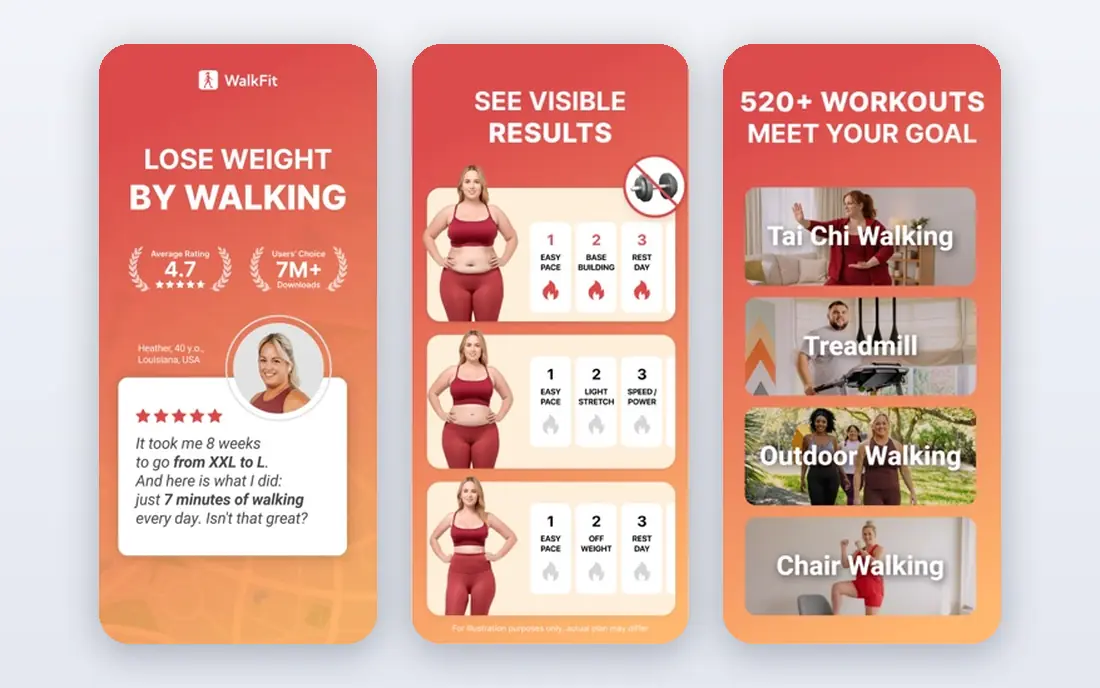
WalkFit is built around weight loss walking, which sets it apart from plain step counters. You get a personalized plan based on your goals and activity level, plus indoor workouts such as cardio walks, low-impact treks and one-mile walks with video support. A treadmill mode follows set routines and keeps tracking while you walk, so home walkers do not lose steps to a phone in a pocket.
The catch is price clarity. The app downloads at no initial cost, but further use needs a subscription, with a trial offered as shown in the app. Check the current subscription price and trial terms in the app store before you commit. If you want guided structure at home, WalkFit is the most focused pick here, but a free step counter may serve you just as well if you already follow your own routine.
- Indoor walking workouts with video guides
- Treadmill mode
- Syncs with Fitbit, Google Fit and Wear OS
- Full use needs a subscription after download
- Some features sit behind a paywall
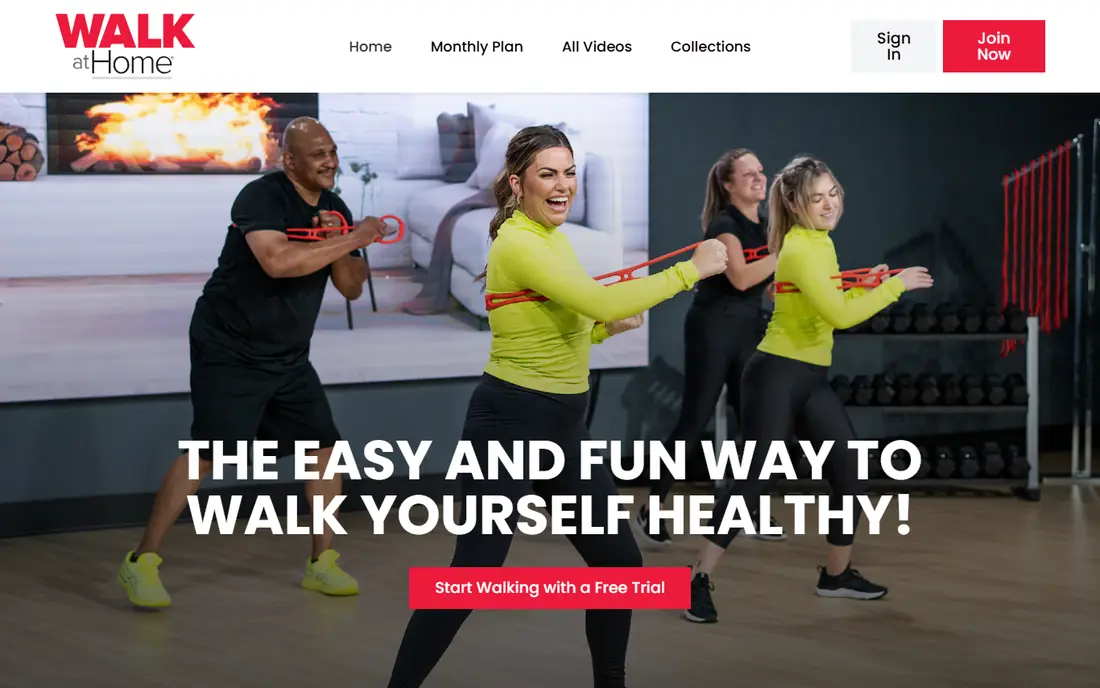
Walk at Home turns living room walking into a real workout, with instructors leading mile-based sessions you can follow on a screen. The format suits people who find plain walking dull, since arm movements, side steps and pace changes raise effort without running or jumping. Low-impact versions keep the sessions friendly for beginners and for people returning to exercise.
Tracking is the weak point. Walk at Home is a workout program first and a tracker second, so pair it with a step counter if daily totals matter to you. Free videos are available, while fuller programs sit behind a subscription, so check what is included free before you sign up. For guided indoor sessions, though, few options feel as easy to start.
- Long-running video walking programs
- Low-impact options
- Workouts by mile and intensity
- Less detailed step and calorie tracking than dedicated trackers
- Some content needs a subscription

Pacer is a good middle ground between a simple counter and a full plan. It tracks steps, distance and active time, offers walking plans, and lets you join challenges with friends or groups for accountability. The interface is easy to read at a glance, which helps when you want a quick check during the day rather than a long workout session.
Pacer works indoors because it counts steps from your phone or watch wherever you walk, including laps around a home or steps on a treadmill. Premium adds more plans and detailed stats, but the free tier covers daily goals well. Treat calorie figures as rough estimates, and judge progress by steps, consistency and how you feel over weeks, not by one day total.
- Clear step, distance and calorie tracking
- Walking plans and group challenges
- Syncs with phones and wearables
- Advanced plans and some features need a premium subscription
- Calorie estimates are estimates, not measurements
MapMyWalk, from MapMyFitness, is the tracker to pick if you like numbers. It records pace, distance, duration and splits, and it keeps a long history you can review by week or month. Audio coaching can prompt you during a walk, and syncing with watches and other fitness apps keeps all your activity in one place.
Indoor use needs a small adjustment. GPS routes matter less inside, so treadmill walks work best when you pair the app with a watch or enter the session manually. If you already use MapMyRun or another Under Armour fitness app, MapMyWalk fits that same account. For pure indoor video workouts, WalkFit or Walk at Home will feel more direct.
- Detailed pace, distance and route stats
- Audio coaching on some plans
- Syncs with many wearables
- Mainly designed for outdoor routes
- Indoor treadmill tracking needs manual entry or a connected device
Lasta suits beginners and adults who want a set plan rather than open-ended tracking. Its indoor walking content includes a 28-day program with low-impact sessions, plus habit tools that pair walking with meal and mindset content. Syncing with Apple Health and Google Fit means steps and workouts flow into your main health record without manual entry.
The limit is cost and scope. Lasta is a subscription product, and its fuller plans sit behind a paywall, so check the trial and price before you start. Also treat its weight loss claims with care: walking helps, but results depend on food, sleep and consistency. Use Lasta for structure, and pair it with honest food tracking if weight change is your goal.
- Guided 28-day indoor program
- Low-impact workouts
- Syncs with Apple Health and Google Fit
- Many features sit behind a paywall
- Weight loss framing needs care around food and habits
StepsApp is for people who want a step counter and nothing else. It shows daily steps, distance and active time in a calm layout, with weekly and monthly trends that make progress easy to see. It syncs with phone health apps and supported watches, so indoor laps, treadmill steps and daily movement all count toward one total.
There are no guided workouts, challenges or meal tools here, which is a strength if extra features distract you and a weakness if you need coaching. StepsApp works best as a daily habit tool: set a step goal you can actually hit, raise it slowly, and use streaks to keep momentum. Pair it with Walk at Home if you also want video sessions.
- Clean, simple step display
- Works with Apple Health and Google Fit
- No workout program to learn
- No guided indoor walking workouts
- Calorie and distance figures are estimates
Fitbit is the pick if you already wear a Fitbit or plan to buy one. The app turns wrist movement into step counts, active minutes, heart rate trends and sleep records, which gives a fuller picture than a phone counter alone. Indoor walking counts just as well as outdoor walking, since the device tracks movement rather than GPS alone.
The drawback is dependence on hardware. Without a Fitbit device, the app still tracks phone steps, but you lose heart rate and sleep detail. Some deeper insights and programs need Fitbit Premium, so check what is free before you rely on a specific report. For long term tracking across walking, sleep and resting heart rate, Fitbit remains a strong all-round choice.
- Tracks steps, heart rate and sleep with a Fitbit device
- Long activity history
- App is free with a device
- Best results need a Fitbit device
- Some insights need a premium subscription
Treadmill Workout, from Vigour Fitness, focuses on one job: giving you a treadmill routine to follow. Programs cover walking and running at set paces and inclines, which removes the guesswork of a blank treadmill session. You can also build a custom workout, which suits walkers who know their comfortable pace and want intervals without a full subscription program.
This is a niche app, not a full health platform. It does not track food, sleep or long term trends like Fitbit or Pacer, and some users have noted that the timer pauses if the app leaves the foreground. Use it for treadmill sessions, and pair it with a step counter if you want daily totals. For treadmill-only walkers, its focus is the appeal.
- Treadmill walk and run programs to follow
- Simple routines
- Custom workout option
- Smaller app than the major trackers
- Background play limits noted by some users
How we picked these
We compared official app store listings, developer sites and recent indoor walking guides. We kept only apps that are live in 2026, work indoors or on a treadmill, and track steps or guided walking in a clear way. We favored apps with a free tier or trial, wearable syncing, and low-impact options for beginners. We did not claim hands-on testing, and we did not repeat calorie or weight loss promises from marketing pages as facts.
How to make indoor walking work for weight loss
Consistency beats intensity at the start. Begin with a daily walk you can repeat, even if it is only ten minutes, then add a few minutes each week. Brisk intervals, where you alternate a faster pace with an easy pace, raise effort without running. Walking after meals and adding arm movements are simple ways to raise daily activity at home.
Building a routine you will keep
Pick a fixed time, such as after breakfast or before dinner, and link walking to a show, podcast or video workout. Track steps daily, but judge progress weekly, since one low day means little. If you use a treadmill, set a comfortable pace first and raise incline or speed slowly. Stop and seek advice if you feel chest pain, dizziness, or sharp joint pain.
Food, sleep and realistic expectations
Walking burns calories, but weight change depends mainly on total food intake over time. Logging meals for a few weeks often shows more than step counts alone, since it reveals patterns you may not notice. Sleep also matters, since tired days make movement harder and appetite harder to manage. Aim for steady, modest change rather than a fast result promised by an app ad.
Frequently asked questions
Can indoor walking really help with weight loss?
Yes, as part of an overall plan. Indoor walking raises daily activity and burns calories, but weight loss also depends on food intake, sleep and total movement. A regular walking habit plus honest food tracking gives a clearer path than walking alone.
Is treadmill walking as good as outdoor walking?
For fitness and calorie burn, treadmill walking at a similar pace and incline is comparable. Outdoor walking adds varied terrain and fresh air, while treadmill walking adds control over pace, incline and weather. The best choice is the one you will repeat most days.
How many steps should I aim for each day?
There is no single number for everyone. Many guides use 7,000 to 10,000 steps as a general target, but a lower starting goal you hit daily beats a high goal you miss. Raise your target by a small amount every week or two, and talk with a clinician about a target that fits your health.
Do I need a subscription to walk indoors?
No. Free step counters such as Pacer and StepsApp track indoor steps well, and free videos cover guided sessions. Subscriptions add structure, plans and video libraries, which help some people stay consistent. Try the free tier first before you pay.
Can I walk indoors without a treadmill?
Yes. Walking in place, laps around your home, stair steps and video walking workouts all count. Video programs such as Walk at Home are designed for small spaces, and phone step counters track movement without a treadmill. Clear a safe space and wear supportive shoes.
Should I track calories burned by a walking app?
Use those figures as rough estimates only. Apps estimate calorie burn from steps, pace and body weight, and the real figure varies. Track steps and consistency for daily habits, and track food intake separately if weight change is your main goal.
Sources
See where you really rank - block by block
ProMapRanker scans Google Maps across a grid of your service area. Simple monthly plans from $19, white-label on every plan.
Start freeKeep reading
 zyte alternatives
Best Zyte Alternatives in 2026
These zyte alternatives cover managed scraping APIs, proxy networks and no code tools for lawful collection from your own or consented sources only in 2026.
Read → zerto alternatives
Best Zerto Alternatives in 2026
Compare the best zerto alternatives for disaster recovery and replication, with recovery targets, cloud options and honest trade-offs for teams in 2026.
Read → zerofox alternatives
Best ZeroFox Alternatives in 2026
We compared 9 zerofox alternatives for brand protection, phishing takedowns, dark web monitoring, and social impersonation, with clear coverage notes.
Read →